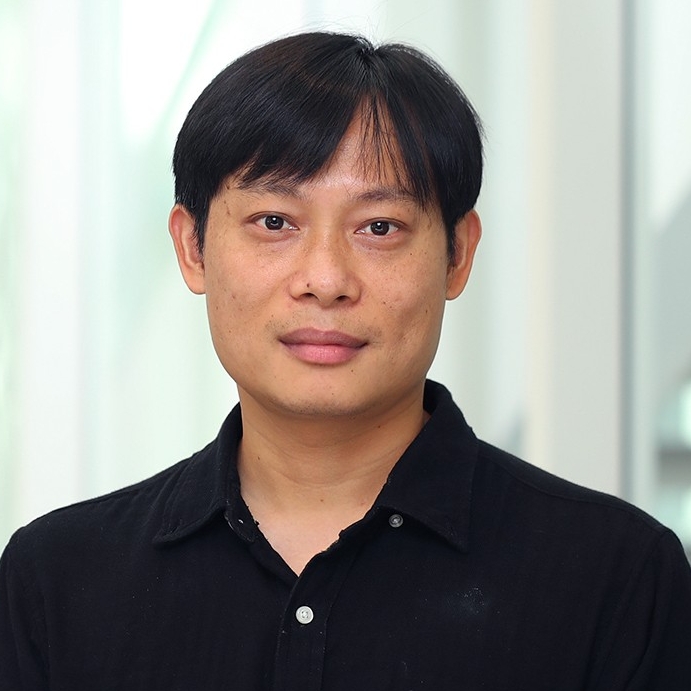
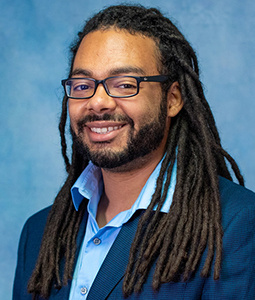
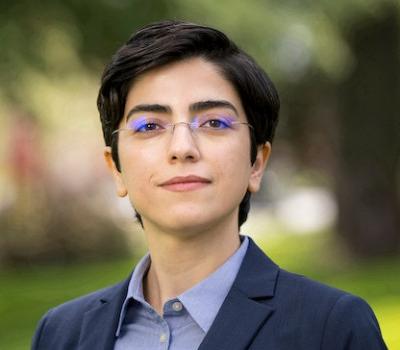
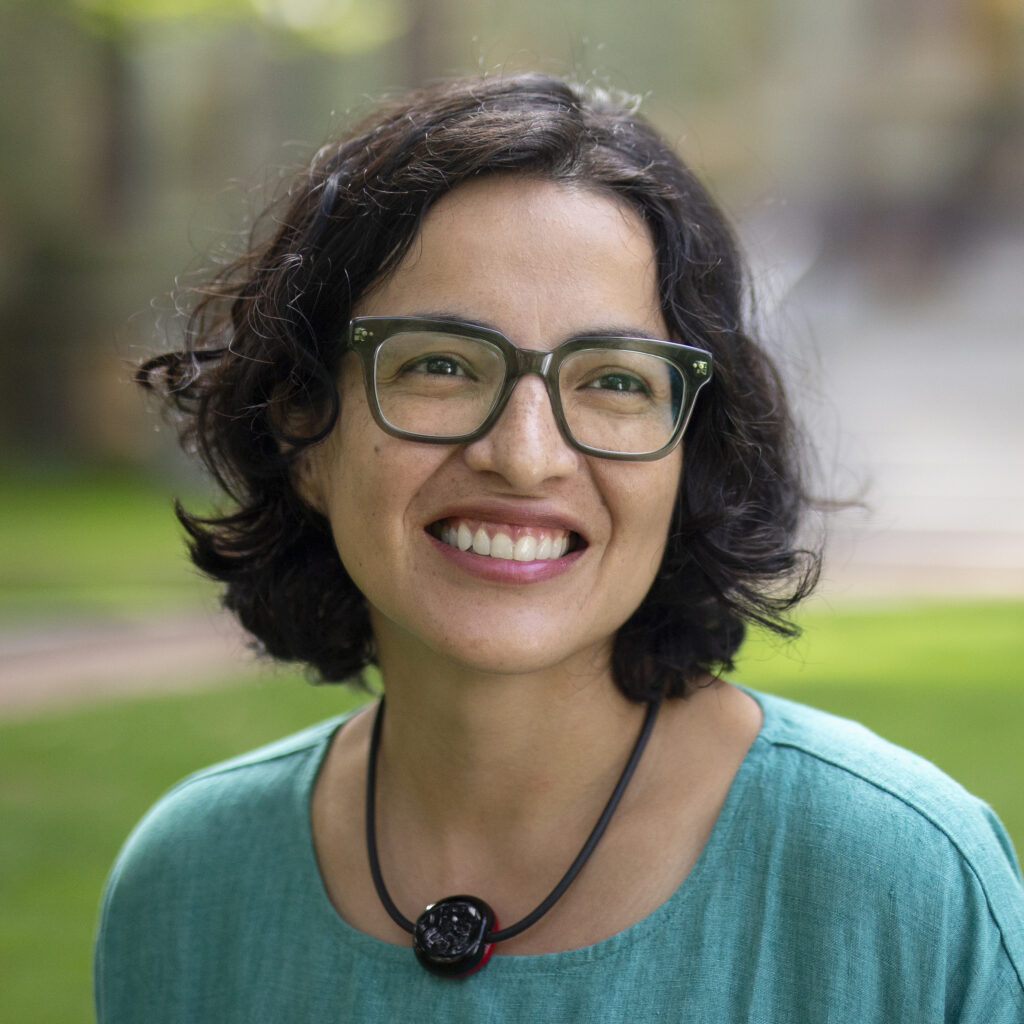
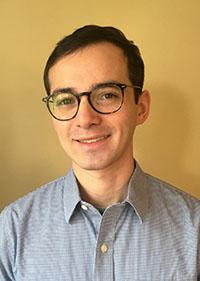
Michael McAlpine is a Professor in the Mechanical Engineering department at the University of Minnesota . He also holds affiliations with the Biomedical Engineering and Electrical and Computer Engineering departments. His research focuses on 3D printing functional materials & devices , Nanoscale inks , Biomedical devices , Bioelectronics , and Flexible Microsystems . Research Interests : 3D Printing, Biomedical Engineering, Nanotechnology, Flexible Electronics, Microfluidics Labs : ME 361/363 Contact : mcalpine@umn.edu , (612) 626-3303, ME 117 Recent Research Trends include 3D Printed Biomedical Devices , Flexible Electronics , and Bioprinting Applications . His work spans from Spinal Organoid Formation to Programmable Drug Release Capsules . Scientific Award : Circulation Research 2020 Best Manuscript Award
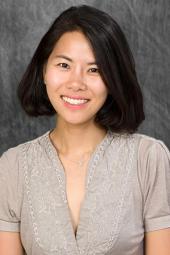
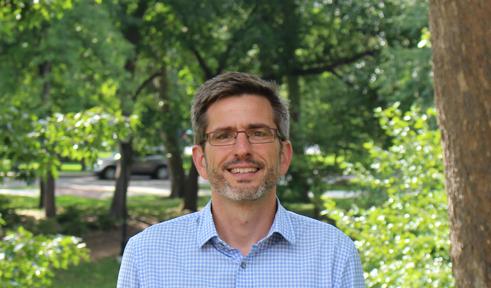
Yi Fang is an Associate Professor of Computer Engineering and an affiliated Associate Professor of Computer Science at New York University Abu Dhabi (NYUAD), and a Global Network Associate Professor at NYU Tandon. He is a core faculty member in the Division of Engineering, specializing in Electrical and Computer Engineering. His research is centered at the intersection of Embodied AI, Robotics, and AI-driven assistive technologies, with strong support from agencies such as the US NSF, UAE ADEK, and ASPIRE. PhD, Purdue University Yi Fang's research interests span 3D Computer Vision, Multimedia Processing, Machine Learning, Deep Learning, and Embodied AI . He focuses on AI-driven perception, learning, and real-world applications, particularly in engineering, medicine, and accessibility. His lab, the Embodied AI and Robotics (AIR) Lab, develops intelligent robotic systems that integrate perception, learning, and decision-making to solve complex societal challenges. His work emphasizes large-scale visual computing, deep visual learning, and cross-domain/multimodal foundation models , with recent innovations in assistive AI for the Deaf and Hard-of-Hearing community. The 15 most recent publications reflect a consistent focus on 3D vision, sketch-based 3D retrieval, point cloud learning, and assistive computer vision . His work leverages deep learning, adversarial training, metric learning, and generative models to bridge modalities such as sketches, depth images, and 3D models. There is a clear trend toward cross-modal understanding, unsupervised representation learning, and real-world assistive applications , especially for visually impaired individuals. Yi Fang actively contributes to the academic community as an Area Chair for top-tier conferences including CVPR, ECCV, ICCV, IJCAI, and IROS. He also serves in peer review and mentoring roles, shaping the future of AI and robotics research. As a dedicated educator, he teaches foundational and advanced courses such as Computer Vision, Applied Machine Learning, Data Structures, and Capstone Design . He mentors students through research seminars and honors projects, fostering innovation and technical excellence. His research is supported by major grants from US NSF, UAE ADEK, and ASPIRE, enabling high-impact interdisciplinary collaborations. He founded and directs the Embodied AI and Robotics (AIR) Lab at NYU Abu Dhabi, a dedicated research space for developing intelligent systems that seamlessly integrate perception, learning, and decision-making. The lab promotes interdisciplinary collaboration across engineering, medicine, and social sciences, advancing the frontiers of Embodied AI.
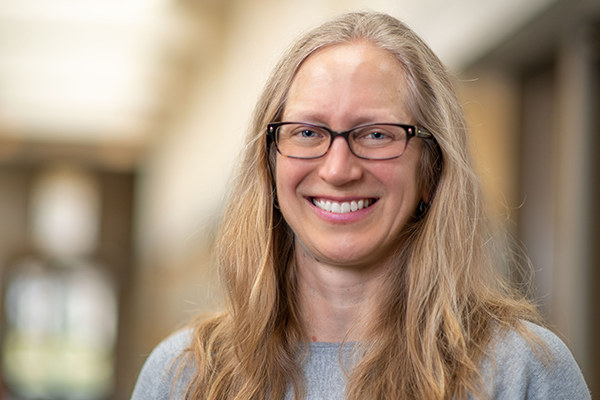
Dr. Hyun Kyoung Ro is an Associate Professor in the Department of Counseling and Higher Education at the University of North Texas, affiliated with the College of Education. She previously served as a faculty member at Bowling Green State University and worked as a Research Designer and Analyst at Carnegie Mellon University’s Office of Institutional Research and Analysis. Ph.D. in Higher Education, The Pennsylvania State University (minor in Educational Psychology—Applied Measurement) M.A. and B.A., Korea University Her research centers on gender and racial equity in STEM education , learning experiences of marginalized students , and critical quantitative research and assessment . She employs rigorous methodologies to examine systemic inequities and institutional practices affecting underrepresented populations in higher education. Dr. Ro's recent publications span top-tier journals such as Journal of Engineering Education , The Review of Higher Education , and Research in Higher Education , reflecting a strong focus on equity, policy, and assessment in STEM and higher education contexts. Her work consistently emphasizes intersectionality, data justice, and institutional reform. She has received significant external funding, including: National Science Foundation ADVANCE Adaptation Track grant for gender equity on campus AccessLex Institute/Association for Institutional Research grant on law school access and enrollment among women of color Collectively, these grants total $1.1 million, supporting her leadership in advancing equity through research and institutional change. While no formal list of advisees or awards is provided, her role as a leading author and grant recipient highlights her active mentorship and scholarly leadership. Dr. Ro has not indicated any lab or research team affiliations in the provided text, but her research profile suggests collaboration with institutional research units and equity-focused initiatives.
University of California, Los AngelesUnited States
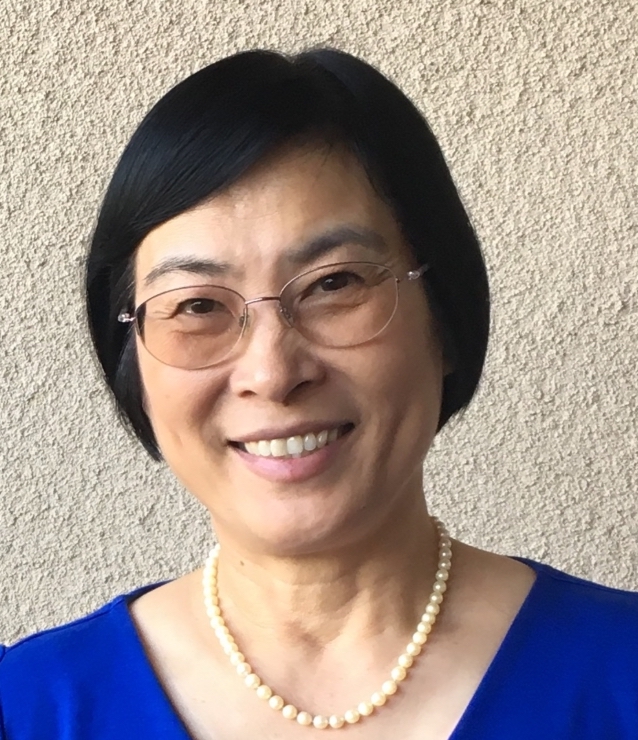
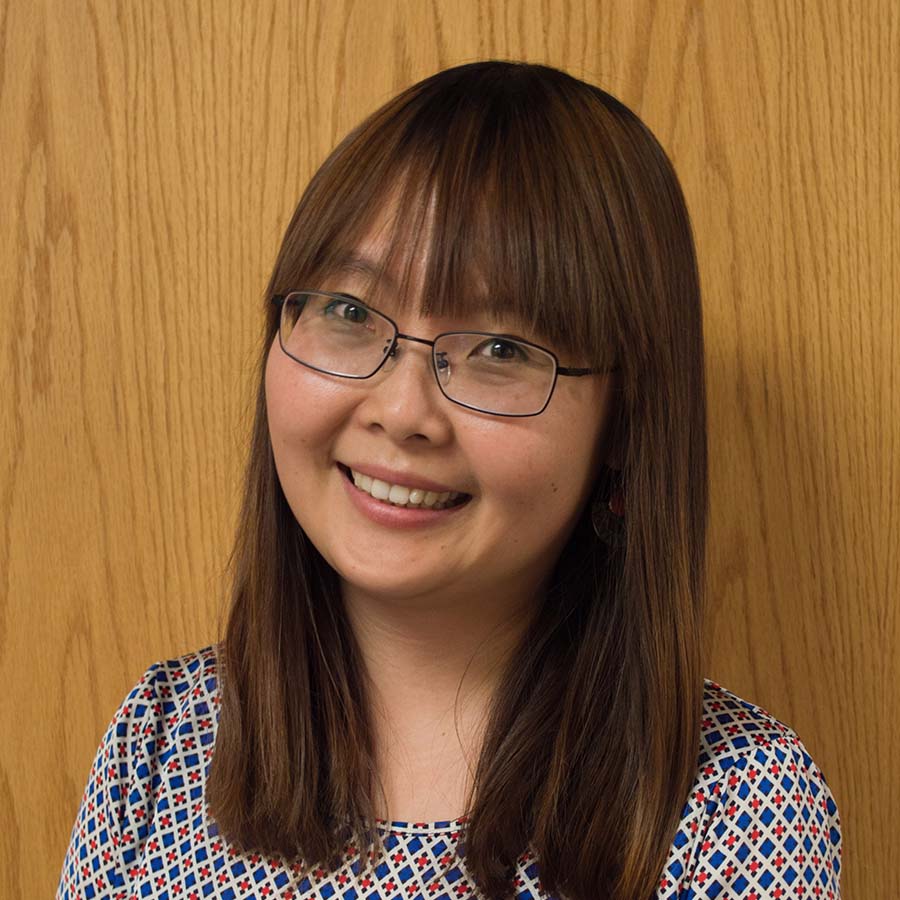
Min Zhou is a Distinguished Professor of Sociology and Asian American Studies at UCLA, and Director of the UCLA Asia Pacific Center. She holds the Walter & Shirley Wang Endowed Chair in U.S.-China Relations and Communications. A member of both the National Academy of Sciences and the American Academy of Arts and Sciences, her work focuses on migration studies, race and ethnicity, and Chinese diasporas. She previously directed the UCLA Asian American Studies Department (2001-2005) and served as Tan Lark Sye Chair Professor at Nanyang Technological University, Singapore (2013-2016). Her research explores transnationalism, immigrant entrepreneurship, ethnic supplementary education, and China’s internal migration dynamics. Notable publications include Chinatown (1992), The Asian American Achievement Paradox (2015), and Contemporary Chinese Diasporas (2017). She has received major awards such as the 2017 ASA Distinguished Career Award and the 2016 Bourdieu Prize for sociology of education. Education: Ph.D., Sociology, State University of New York at Albany Key Grants: Russell Sage Foundation grants (2005-09), Singapore Ministry of Education Tier 2 grant (2016-21) Labs/Teams: Directs the UCLA Asia Pacific Center; collaborates with global scholars on projects like 'Immigration and Integration in the Pacific Rim'
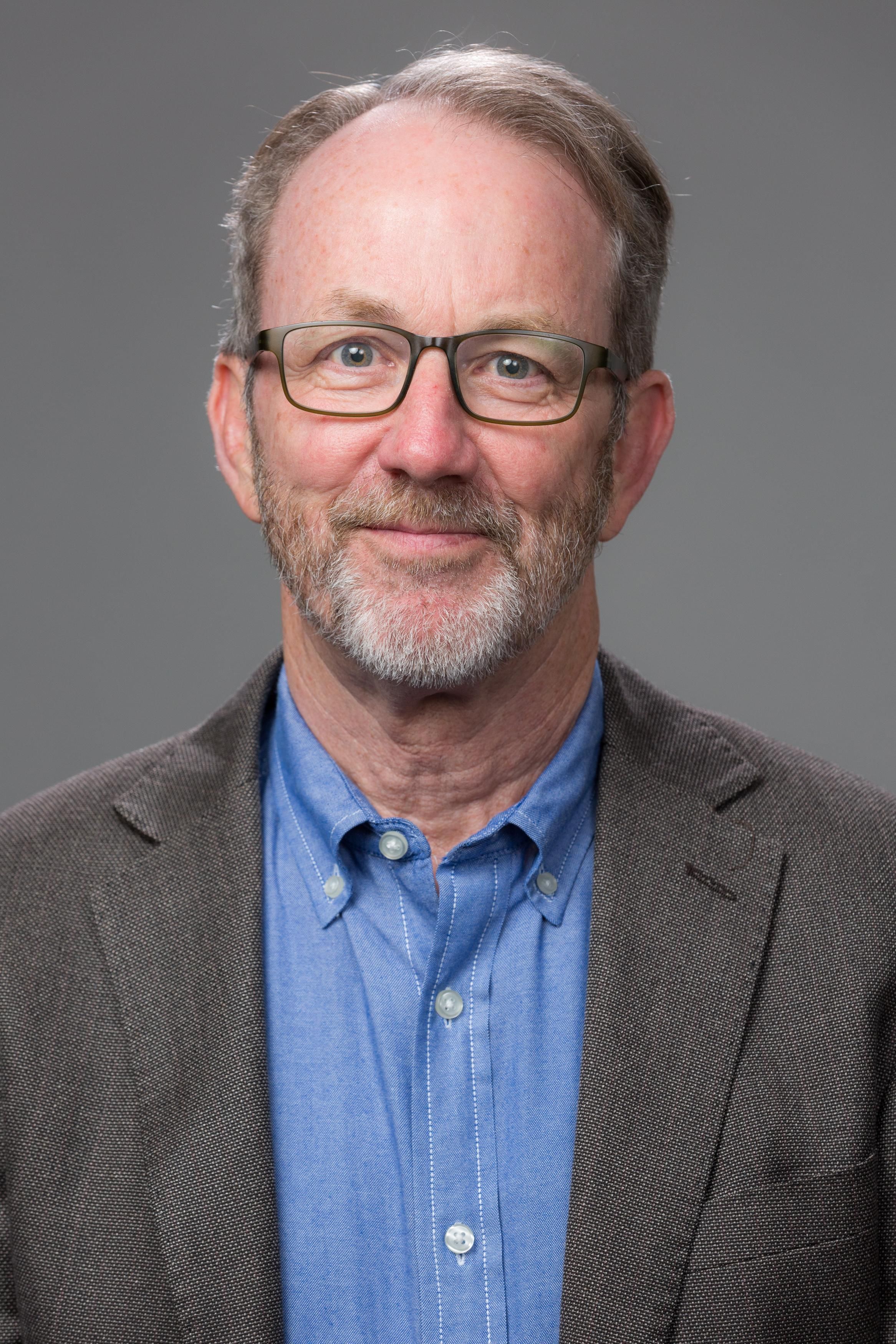
Rick Hoyle is a Professor of Psychology and Neuroscience at Duke University, where he serves as Associate Chair of the Department of Psychology and Neuroscience. He is also a Faculty Network Member of the Duke Institute for Brain Sciences. His academic career spans decades, with significant contributions to understanding self-regulation and adolescent development. Dr. Hoyle earned his B.A. from Appalachian State University (1983), followed by an M.A. (1986) and Ph.D. (1988) from the University of North Carolina, Chapel Hill. He progressed from Assistant to Associate to Full Professor at the University of Kentucky from 1989 to 2003 before joining Duke University. His research focuses on how adolescents and emerging adults manage goal pursuit through self-regulation, taking a broad view that accounts for personality, environment, cognition, emotion, and social influences. He employs longitudinal methods with repeated assessments, sometimes spanning years with data collection multiple times per year, or intensive studies with assessments several times daily. His lab develops innovative measurement tools including self-report measures of self-control and grit, as well as unobtrusive approaches using mobile phones and wearable devices to track goal pursuit in natural settings. His recent publications reveal a strong focus on self-regulation in digital contexts, adolescent substance use, socioeconomic influences on development, and innovative measurement approaches. His work increasingly integrates technology (social media analysis, wearable devices) with traditional psychological research methods to understand real-world behavior. Fellow, Association for Psychological Science (2013) Dr. Hoyle has secured numerous research grants totaling millions of dollars, including the current Real-Time and Randomized Tests of Social Media and Mental Health Links in Early Adolescence (2024-2029), NCCU Duke - Substance Use Research & Education (2024-2029), and Mid-Life Health Inequalities in the Rural South: Risk and Resilience (2023-2028). His grant portfolio demonstrates sustained funding for research on adolescent development, substance use, self-regulation, and health disparities. He teaches advanced courses including Applied Structural Equation Modeling and Psychology and Neuroscience Grant Writing, mentoring the next generation of researchers in quantitative methods and research design. His work through the Center for the Study of Adolescent Risk and Resilience (2008-2025) has established a significant research infrastructure for longitudinal studies of adolescent development. Current projects examine social media effects on mental health, substance use patterns, and the impact of environmental factors on adolescent well-being using innovative digital tracking methods.
Forest Agostinelli is an Assistant Professor in the Department of Computer Science and Engineering at the Molinaroli College of Engineering and Computing, University of South Carolina, where he is also affiliated with the AI Institute. His research focuses on designing AI algorithms for pathfinding problems, integrating deep learning, reinforcement learning, heuristic search, and formal logic. He holds a Ph.D. in Computer Science from the University of California, Irvine, an M.S. from the University of Michigan, and a B.S. in Electrical and Computer Engineering from The Ohio State University. Research Overview : Agostinelli’s work emphasizes solving pathfinding problems in domains like robotics, theorem proving, and molecular optimization. His group develops explainable AI methods to enable collaboration between humans and machines. Key projects include DeepCubeA (solving the Rubik’s Cube via deep reinforcement learning) and neural activation function research. Funding & Awards : He has secured grants from NSF, NASA EPSCoR, and South Carolina’s ASPIRE and MADE programs. Notable awards include the NSF Graduate Research Fellowship and the Graduate Education for Minority Students Fellowship. Teaching : He teaches courses in Artificial Intelligence (CSCE 580) and Deep Reinforcement Learning and Search (CSCE 790), mentoring over 15 students at undergraduate and graduate levels. Labs & Collaborations : Active in AI-driven education and interdisciplinary projects, his lab contributes to tools like ALLURE for children’s learning and Bioinformatics platforms like CircadiOmics.
Mátyás Mervay is a Research Fellow at New York University's Center for European and Mediterranean Studies. He holds a PhD in East Asian and Modern European History (2024) from NYU, an MA in Modern and Contemporary Chinese History (2017) from Nankai University, and a BA in History and East Asian Cultures (2012) from Eötvös Loránd University. His research bridges Habsburg Central Europe and China, focusing on Transnational and Global History Refugee and Migrant Diasporas History of the Habsburg Empire in East Asia European Imperialism and Colonialism in China Republican-Era Chinese History Recent publications analyze Austro-Hungarian refugee soldiers in China (2018) Shanghai’s Hungarian Jewish rescuer Paul Komor (2023) Interwar Shanghai migrant communities (2024) with upcoming work on the Oxford Handbook of Global Habsburg History (2025). Scientific awards include R. John Rath Prize (2025) University of Vienna GLORE Fellowship (2023) Jewish Culture Fellowship Grant (2023)
Thomas Smucker is a Professor and Graduate Chair in the Department of Geography at Ohio University's College of Arts and Sciences. He is based in Clippinger Hall on the Athens Campus and is affiliated with International Studies, African Studies, and International Development Studies programs. His research centers on human-environment interactions in East Africa, with a focus on climate change adaptation, food security, rural livelihoods, and environmental governance. He integrates local knowledge systems and political economy frameworks to understand vulnerability and resilience in African drylands. His interdisciplinary work is supported by NSF-funded projects including EACLIPSE and LKCCAP. Dr. Smucker teaches courses in human geography, development, food security, and environmental change. His recent publications reflect a strong emphasis on gender, governance, and community-based adaptation. He has contributed to the IPCC's Sixth Assessment Report as a Contributing Author and currently serves as Editor of the Research in International Studies, Africa Series at Ohio University Press. Advising and Mentoring Award, Center for International Studies, 2021 Grasselli Brown Outstanding Teacher Award, College of Arts and Sciences, 2021 He mentors master’s students conducting field research in Ghana, the Gambia, Kenya, Tanzania, India, and Brazil. His advising emphasizes field-based, interdisciplinary inquiry into development and environmental challenges. He has been involved in projects supported by the National Science Foundation and other international research initiatives. Dr. Smucker’s research is deeply collaborative, often involving multi-institutional teams and local stakeholders. His work on the convergence of climate adaptation, disaster risk reduction, and land restoration highlights institutional innovation under devolved governance in Kenya. He is committed to centering non-climatic drivers in vulnerability analysis and advancing social justice in environmental policy.
Michael C Rodriguez is a Professor in the Quantitative Methods in Education department at the University of Minnesota's College of Education and Human Development. He serves as Dean in the Administration (CEHD) and is a leading expert in psychometrics and educational assessment. PhD in Measurement and Quantitative Methods, Michigan State University (1999) MA in Educational Psychology, University of Minnesota (1995) His research focuses on psychometric properties of tests , optimizing test accessibility for diverse learners, and advancing applied measurement through collaborations with schools. Key areas include constructed-response vs. multiple-choice item design, SDG-aligned educational practices, and the intersection of developmental assets with student engagement . Recent publications examine automated evaluation tools , bullying impacts on foster youth, and test validity frameworks . His work aligns with the UN Sustainable Development Goal 4 (Quality Education) . He collaborates on grants from the U.S. Department of Education and Institute of Education Sciences , including projects like the Individual Growth and Development Indicators for Hmong preschoolers and Computer Adaptive Storybook Assessment (CASA).
Catherine Bolten is a Professor of Anthropology and Peace Studies at the University of Notre Dame's Keough School of Global Affairs, holding concurrent appointments in Africana Studies and Poverty Studies. Her primary affiliation is the Kroc Institute for International Peace Studies, where she also served as Director of Doctoral Studies (2018–2023). She is affiliated with multiple interdisciplinary initiatives including the Eck Institute for Global Health and the Initiative on Race and Resilience. Bolten holds a PhD in Anthropology from the University of Michigan (2008), an MPhil from the University of Cambridge (2000), and a BA from Williams College (1998). Her research focuses on Sierra Leone, examining themes such as youth agency, structural violence, food security, and climate change through long-term ethnographic engagement. She has conducted fieldwork on primate-human coexistence, Ebola crisis response, and post-conflict development since 2003. Her research interests bridge anthropology, peacebuilding, and environmental studies. Recent work explores climate change impacts in rural Sierra Leone, youth participation in peace processes, and the intersections of ecology and violence. She has authored three books and over 40 peer-reviewed articles, with ongoing projects funded by the NEH and ND Institute for Advanced Studies. Bolten has advised over 30 doctoral and master’s students in anthropology, peace studies, and global health. Her awards include the Undergraduate Mentoring Award (2013, 2022) and the UC Press Public Anthropology Prize. She serves on editorial boards for African Conflict and Peacebuilding Review and Studies in Comparative International Development , and has held leadership roles in professional organizations like the American Anthropological Association.
Danielle Morales is an Assistant Professor in the Sociology Department at the University of Massachusetts Boston, specializing in medical sociology and the sociology of education. Her work examines how health and education systems intersect to create inequality, with particular attention to food insecurity, disability, and environmental injustice. Morales earned her PhD from Texas A&M University and has established herself as a leading researcher on mentoring relationships in higher education. Her research portfolio demonstrates a consistent focus on how institutional constraints shape educational experiences, particularly for marginalized populations. Her research interests span medical sociology, education inequality, disability justice, and mentoring dynamics in academia. Morales investigates how care work functions within and against institutional structures, with current projects centering disability justice amid climate crisis and reimagining mentoring as radical care during higher education retrenchment. Her work frequently examines the intersection of race, ethnicity, gender, and socioeconomic status in educational contexts. An analysis of her recent publications reveals a strong emphasis on mentoring relationships in undergraduate research experiences, particularly how mentor competency affects student outcomes. Her work consistently addresses racial and ethnic disparities in STEM education, with special attention to Hispanic/Latinx students. The pandemic has significantly influenced her research trajectory, with numerous studies examining how COVID-19 impacted student wellbeing, research experiences, and educational trajectories. Morales' advising work focuses on mentoring dynamics in undergraduate research, with particular attention to how mentor-mentee relationships affect student outcomes in STEM fields. Her research demonstrates how mentoring can serve as both a protective factor and potential source of stress for students navigating higher education. Her laboratory work centers on undergraduate research experiences, investigating how these programs can be structured to maximize student benefits while addressing systemic inequalities. Current projects examine disability justice within the context of climate crisis and how mentoring functions as a radical act of care in constrained academic environments.
Dr. Parichehr Salimifard is an Assistant Professor at Oregon State University's School of Civil and Construction Engineering, holding the Culbertson Faculty Scholar position. She serves as Faculty Advisor for the OSU ASHRAE Student Branch and leads the Sustainable, Healthy, and Resilient Building Lab, focusing on the intersection of building science, environmental health, and climate resilience. Her educational background includes a Postdoctoral Fellowship at Harvard University's School of Public Health, a Ph.D. and M.Sc. in Architectural Engineering (Mechanical Option) from Penn State with a Computational Science minor, and a B.Sc. in Mechanical Engineering from Persian Gulf University. Dr. Salimifard's research centers on indoor environmental quality and its connections to public health, with emphasis on: Aerosol dynamics (transport, deposition, resuspension) for wildfire smoke and pandemic exposure mitigation Health and climate co-benefits of building energy efficiency through the CoBE project Wildfire smoke preparedness in schools/daycares for vulnerable populations Building electrification impacts on air quality and emissions Her recent publications reveal a trend toward spatially and temporally explicit modeling of emissions reductions, using tools like CoBE to quantify health co-benefits of building energy conservation across US states and EU countries, with growing focus on water-energy nexus and grid integration. Her scientific recognition includes: Culbertson Faculty Scholar award Dr. Salimifard secures research funding from the EPA, NIEHS's OSU ASPIRE Center, ASHRAE, industry partners, and foundations. She mentors the OSU ASHRAE Student Branch and collaborates with Harvard/Boston University on the CoBE project, which develops modules for climate policy analysis and water savings optimization. Her Sustainable, Healthy, and Resilient Building Lab drives projects including Wildfire Smoke Preparedness in Buildings, Indoor Aerosol Resuspension Dynamics, and Building-to-Grid Integration, directly addressing climate resilience challenges through building science innovation.
Jennifer M Morton is the Presidential Penn Compact Professor of Philosophy at the University of Pennsylvania with a secondary appointment at the Graduate School of Education. As Graduate Chair of the Philosophy Department, she bridges philosophical theory with empirical research on poverty, social class, and upward mobility. Her work interrogates the ethical sacrifices of first-generation and low-income students, earning her the Grawemeyer Award in Education (2023) and the Frederic W. Ness Book Award for Moving Up Without Losing Your Way (2019). A Guggenheim Fellow (2023-2024), she integrates social psychology, policy analysis, and ethics to address structural inequities in education. Key Themes: Pessimism traps, cultural mismatch, and non-cognitive skill development. Awards: Grawemeyer Award, Scheffler Prize, Philosopher’s Annual Best Paper (2019). Media: Featured in The New York Times , The Atlantic , and Hidden Brain podcast. Her recent articles analyze poverty’s impact on prospective agency, planning capacity, and decision-making under uncertainty. She critiques online education’s limitations for marginalized students and explores the educator’s dual role in ideal vs. non-ideal contexts. As a senior fellow at Wisconsin’s Center for Ethics and Education, she advocates for inclusive institutional design, balancing pragmatic success with systemic critique.
Jacob W. Ufberg is a Professor of Emergency Medicine at the Lewis Katz School of Medicine, Temple University. He also serves as the Associate Dean for Admissions, contributing to both academic leadership and clinical practice in emergency medicine. MD, Lewis Katz School of Medicine at Temple University Residency in Emergency Medicine, The Medical College of Pennsylvania Dr. Ufberg's research focuses on Emergency Medicine , particularly in areas like prehospital care, acute trauma management, and clinical decision-making. His work includes studies on carbon monoxide poisoning diagnostics, asthma treatment protocols, and innovative techniques for musculoskeletal emergencies. His publications highlight trends in physician hiring practices, diagnostic challenges in emergency settings, and procedural advancements. Articles span from 2000 to 2005, reflecting a career dedicated to improving emergency care systems and patient outcomes. Top 10 Reviewers , Journal of Emergency Medicine (2007-2018) Program Director of the Year , American Academy of Emergency Medicine Resident and Student Association (2014) Alpha Omega Alpha Medical Student Teacher of the Year Faculty Teacher of the Year , Temple University Department of Emergency Medicine Dr. Ufberg works at Temple University Hospital - Main Campus in Philadelphia, Pennsylvania, where he practices emergency medicine and oversees admissions for the medical school.
Samuel Fishman serves as Assistant Professor of Sociology at Baylor University, joining the department in 2023 after completing a postdoctoral associate position at Duke University and two years of non-academic work in social science consulting and federal service. His academic credentials include: Ph.D. in Sociology from the University of North Carolina at Chapel Hill (2019) M.A. in Sociology from the University of North Carolina at Chapel Hill (2015) B.A. in Sociology and History from Hope College (2013) Dr. Fishman's research program investigates economic stratification and population health through quantitative methods, with particular focus on intergenerational determinants of educational outcomes, racial/ethnic inequities in infant health, and the education-adult health nexus. His current work examines socioeconomic dimensions of the opioid crisis, employing large-scale demographic datasets to uncover structural drivers of health disparities across the life course. His publication record reveals consistent thematic focus across top-tier journals including American Journal of Sociology and Social Science Research , with recurring emphasis on educational inequality, mortality patterns, and health disparities. Methodologically, his work demonstrates sophisticated application of quantitative techniques to complex social phenomena. Scientific recognition: No awards or fellowships are documented in available sources. Regarding academic mentorship and funding, the provided materials contain no information about doctoral advisees, grant awards, or research team composition. Similarly, no laboratory facilities or collaborative research centers are mentioned in connection with his work.