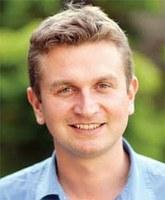
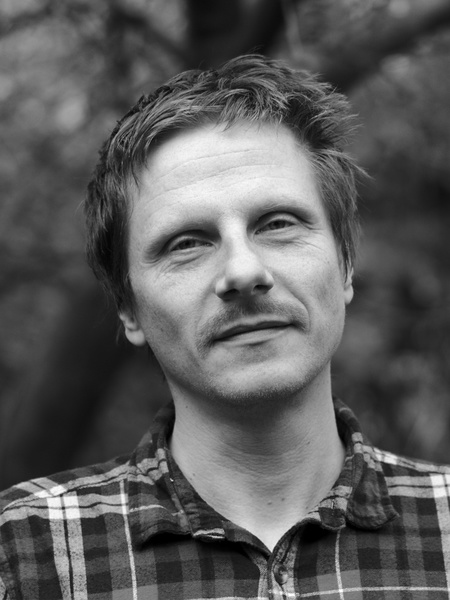
Jean Philippe Gibert is the Joanne W. Markman and A. Morris Williams, Jr. Associate Professor of Biology at Duke University's Trinity College of Arts & Sciences. His research bridges ecological and evolutionary dynamics, focusing on microbial food webs and climate change impacts. Education: Ph.D. from University of Nebraska, Lincoln (2016) Research Interests: He investigates how phenotypic traits and their evolution determine predator-prey interactions and food web structure, particularly in microbial systems. Key areas include thermal performance curves, eco-phenotypic feedbacks, and spatially mediated ecological processes. Grants: Recipient of NSF CAREER funding (2024-2029), NSF Collaborative Research (2022-2026), Simons Foundation, and Department of Energy grants. His work spans climate change effects on microbial communities, organic matter decomposition, and nutrient cycling. Teaching: Offers courses in ecology, food web theory, and independent research. Maintains the Gibert Lab, emphasizing quantitative microbial food-web ecology in a changing world.
Professor Ian Henderson is a leading academic in the Department of Plant Sciences at the University of Cambridge, affiliated with the School of Biological Sciences. He holds the title of Professor of Genetics and Epigenetics and has been a Royal Society University Research Fellow and Gatsby Resident Fellow since 2008. Education: BA in Biological Sciences (University of Oxford, 1997-2000); PhD in Plant Genetics (John Innes Centre, 2000-2004) under Prof. Caroline Dean His research focuses on genetic and epigenetic control of meiotic recombination in plant genomes, with an emphasis on crossover frequency, chromatin interactions, and centromere evolution. His group uses model organisms like Arabidopsis thaliana , wheat, potato, and oak trees. Key trends in his recent publications include centromere genomics , epigenetic regulation of recombination , and application of long-read sequencing to resolve complex genomic regions. Collaborations with agro-biotech companies (Bayer Biosciences, Solynta) aim to translate findings into crop breeding technologies. Scientific Awards EMBO Member (2022) Society for Experimental Biology President's Medal (2013) Royal Society University Research Fellow (2008-2016) Gatsby Research Fellow (2008-2016) EMBO Long Term Fellowship (2004-2008) Professor Henderson's work bridges fundamental research on plant genome evolution with applied strategies to control recombination for climate-resilient crops. His lab employs advanced techniques including nanopore sequencing , ChIP , and high-performance computing for genome analysis.
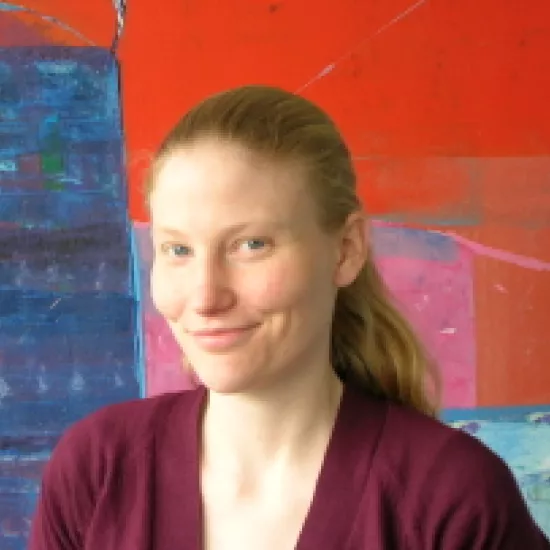
Jane Bjørn Vedel is an Associate Professor at the Department of Organization, Copenhagen Business School, and a member of the Center for Organizational Research on Impact (CORI). Her research explores the organizational and societal effects of large-scale donations to research, dynamic capabilities in interorganizational relationships, and the role of time and temporality in innovation management. Her recent work investigates how transformative innovation policy reshapes universities’ organizational structures and how spatial scale influences institutional processes. She has secured significant funding (1.72M EUR) as a Principal Investigator and collaborates with institutions like Stanford University. Key Research Themes: Organizational adaptation to financial shifts Temporal tensions in dynamic capabilities Interorganizational collaboration in mission-oriented research Isomorphic differences in science policy Micro-foundations of resource integration Her publications appear in top journals like Research Policy and Journal of Management Studies , with recent articles focusing on resilience in goal-complex environments and ethical disruptions in organizations. She has mentored PhD candidates and postdocs, including Vera Simoneit and Søren Lund Frandsen.
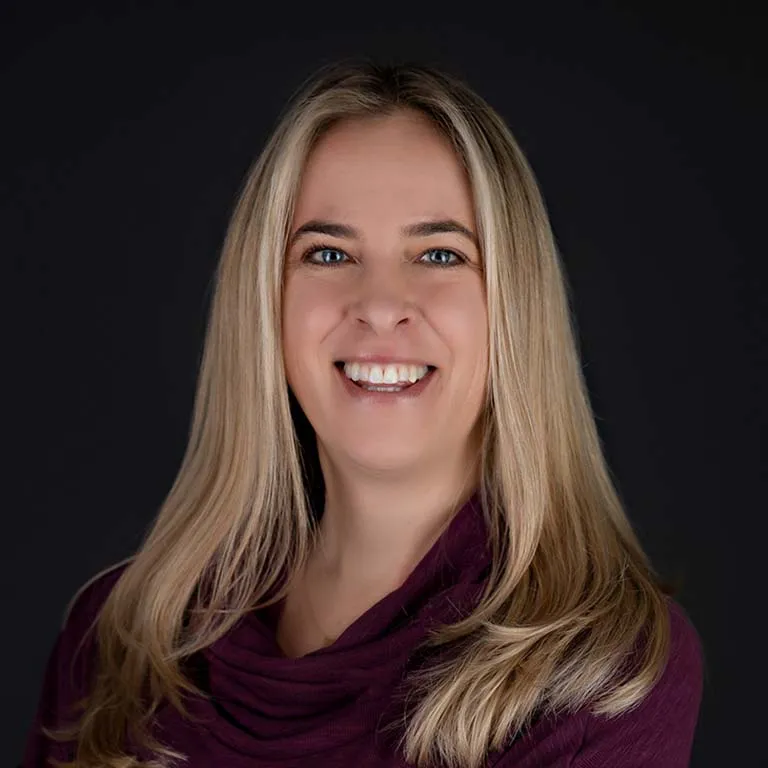
Dr. Andrea Baden is an Associate Professor in the Department of Anthropology at Hunter College, School of Arts and Sciences, and a Doctoral Faculty member at the CUNY Graduate Center. She directs the Primate Molecular Ecology Laboratory (PMEL) and contributes to the New York Consortium in Evolutionary Primatology (NYCEP). Her fieldwork in Madagascar focuses on the Ruffed Lemur Project, integrating ecology, genetics, and behavior. Hunter College, CUNY (2013–present) CUNY Graduate Center (Doctoral Faculty) New York Consortium in Evolutionary Primatology (Core Faculty) Her research explores how landscape features influence primate distribution, migration, and genetic diversity, linking these to social behavior evolution. Publications span journals like Nature Scientific Reports , Animal Behaviour , and American Journal of Primatology , with themes in landscape genetics, conservation, and behavioral endocrinology. Dr. Baden has received the Feliks Gross Endowment Award and a Fulbright Fellowship for her work. She teaches human evolution, primatology, and conservation biology, mentoring future scientists through fieldwork and lab research. PhD in Anthropology, Stony Brook University MA in Anthropology, Stony Brook University BA in Anthropology, University of Miami Postdoctoral Research, Yale University
Dr. Elizabeth Johnson serves as Professor of Psychology at the University of Toronto Mississauga (UTM), holding the Canada Research Chair in Spoken Language Acquisition. She is cross-appointed to the Graduate Department of Linguistics and directs the University of Toronto's Tri-Campus Graduate Program in Psychology, leading interdisciplinary research on language acquisition through the Child Language and Speech Studies (CLASS) Lab in UTM's Communication, Culture and Technology Building. Her academic foundation includes a B.A. in Brain and Cognitive Sciences from the University of Rochester (with a Take Five program in Developmental Biology & Evolution), followed by M.A. and Ph.D. degrees in Psychological & Brain Sciences from Johns Hopkins University. She completed postdoctoral training at the Max Planck Institute for Psycholinguistics and spent semesters at MIT's Speech Group during her doctoral studies. Dr. Johnson's research examines how perceptual, cognitive, and social mechanisms enable children's rapid language mastery, with emphasis on speech perception, multilingual development, accent processing, and infant speech segmentation. Her work bridges developmental psychology, linguistics, and speech sciences to investigate topics including audio-visual speech perception, word-learning heuristics, prosody acquisition, and voice recognition—all contextualized within UTM's linguistically diverse community. Analysis of her recent publications reveals intensifying focus on real-world applications of language acquisition research, particularly voice assistant technology for children, pandemic impacts on language development, and sociolinguistic factors in educational settings. Her work increasingly explores accent variation effects across development and the cognitive mechanisms underlying talker recognition. Dr. Johnson's scientific recognition includes: Canada Research Chair in Spoken Language Acquisition She actively mentors graduate researchers: PhD Students: Emily Shroads (June and David Scott Fellowship recipient) Recent PhD Graduates: Priscilla Fung (SSHRC Postdoctoral Fellow), Madeleine Yu Undergraduate Support: NSERC USRA (Christopher Khalaf), SSHRC UTEA (Gabriella Di Maio, Alexandra Maracz) Research Funding: SSHRC Insight Grants, NSERC Discovery Grants The CLASS Lab functions as an interdisciplinary hub collaborating with UTM's Developmental Science Cluster, Centre for Biological Communication Systems, and Infant and Child Studies Centre. Its community-engaged research leverages linguistic diversity in the Greater Toronto Area to translate foundational science into practical applications for child development and educational technology.
Lung-Pan Cheng is an Associate Professor in the Department of Computer Science and Information Engineering at National Taiwan University. His research focuses on creating innovative interfaces that bridge physical and virtual realities, with particular emphasis on virtual reality systems, haptic feedback mechanisms, and perceptual illusions. Dr. Cheng's work explores how to create more immersive and believable virtual experiences through: Novel haptic feedback systems that simulate physical interactions in virtual environments Real walking techniques that overcome physical space limitations in VR Perceptual illusions that enhance the sense of presence in virtual worlds Human actuation approaches that leverage people as part of the VR infrastructure Optical illusions applied to digital media and gaming experiences Advanced fabrication techniques for interactive physical objects His recent publications (2022-2024) demonstrate a continued trajectory of innovation in VR interaction techniques, with work focusing on directional force feedback, infinite vertical navigation, and the integration of optical illusions into virtual experiences. Dr. Cheng's research consistently combines hardware innovation with perceptual psychology to create compelling user experiences that push the boundaries of virtual environments. Dr. Cheng has received notable recognition for his work: Best Paper Award at CHI 2022 for 'AirRacket: Perceptual Design of Ungrounded, Directional Force Feedback to Improve Virtual Racket Sports Experiences' SIC People's Choice Award at UIST 2022 for 'Garnish into Thin Air' His research has been featured in media outlets including MIT News and New Scientist, indicating broader impact beyond academic circles. Dr. Cheng maintains active collaborations with researchers worldwide, as evidenced by his international co-authorship patterns across multiple disciplines including computer science, psychology, and engineering.
Ala Trusina is an Associate Professor at the Niels Bohr Institute , University of Copenhagen , specializing in Biocomplexity and Biophysics . Her research integrates coarse-grained modeling to study complex biological systems. Key Research Areas Stress Response Systems (diabetes, aging, cancer, inflammation) Stem Cell Differentiation (cell fate coordination, reversibility of states) Complex Systems (species coexistence, epidemics, CRISPR-phage interactions) Methodologies Theoretical: Agent-based modeling, in-silico simulations Experimental: Quantitative single-cell imaging, RNA/protein profiling Collaborations Joshua Brickman (ES cells), Anne Grapin-Botton (pancreas), Feroz Papa (diabetes), Else Kai Hoffman (p53 dynamics) Thomas Mandrup-Poulsen (inflammation), Savas Tay (spatio-temporal regulation) Teaching Physics of Molecular Diseases Numerical Methods in Physics
Professor Dorota Chwieduk is a distinguished faculty member at the Division of Refrigeration and Energy in Buildings within the Faculty of Power and Aeronautical Engineering at Warsaw University of Technology. She serves as Deputy Director of the Institute of Heating Engineering and heads the Post Diploma Study program on Energy Efficient Buildings, Energy Characteristics of Buildings, Energy Auditing and Thermal Refurbishment. With a career spanning decades, Professor Chwieduk has established herself as a leading expert in solar energy applications and building energy efficiency. Her research focuses on unconventional energy conversion methods, solar technologies, heat transfer in buildings, renewable energy systems integration, thermal energy storage (including phase change materials), and energy performance assessment. She has published extensively in these fields, with numerous high-impact journal articles and book contributions. Solar Energy in Buildings: Thermal Balance for Efficient Heating and Cooling (Elsevier, 2014) Multiple publications on PV/T systems, building-integrated solar technologies, and thermal energy storage Research on high latitude building design and energy performance Professor Chwieduk's work demonstrates consistent focus on practical applications of renewable energy technologies in building systems, with particular attention to climate-specific design considerations and energy optimization. Her research bridges theoretical modeling with practical implementation, contributing significantly to advancing sustainable building technologies. Scientific Awards: Gold Medal from President of Republic of Poland for Long Service for the Country (2013) Best Scientific Achievements award from Rector of Warsaw University of Technology (2012) Pioneer of Renewable Energy award by World Renewable Energy Network (2008) Promoter of Renewable Energy award by Clean Energy magazine (2006) Throughout her career, Professor Chwieduk has actively contributed to national and international energy policy development, serving on numerous expert committees and leading significant research projects focused on renewable energy integration and building energy efficiency. Her work has influenced both academic research and practical implementation of sustainable building technologies in Poland and internationally.
Kirstin N. Sterner is an Associate Professor in the Department of Anthropology at the University of Oregon, where she also serves as Associated Faculty in the Institute of Ecology and Evolution. She co-directs the Molecular Anthropology Lab and is a key member of the University of Oregon Molecular Anthropology Group, which serves as an intellectual home for research, training, and outreach in ecological, evolutionary, and functional genetics/genomics in humans and non-human primates. Dr. Sterner's educational background includes: B.A. from New York University (2001) M.A. from New York University (2005) Ph.D. in Anthropology from New York University (2009) Postdoctoral Fellowship at Wayne State University School of Medicine (2009-2011) As a molecular anthropologist, Dr. Sterner's research focuses on understanding the genetic basis of distinctive human and non-human primate traits. She employs both within and between species perspectives, using a combination of genomics (broadly defined to include transcriptomics and epigenomics) and molecular cell biology to connect primate genotypes and phenotypes to address larger questions about primate evolution, biology, health and disease. Her work spans several key areas: the evolution of primate immune responses, epigenetics of aging and age-related diseases, muscle fiber type and the evolution of bipedalism, and human brain development and evolution. She is particularly interested in the role regulatory variation plays in human traits and diseases and how evolution has shaped these regions of the genome. Dr. Sterner's recent publications demonstrate a strong focus on aging research using primate models, particularly examining epigenetic changes associated with aging. Her work also investigates the genetic basis of skeletal muscle adaptations related to human bipedal locomotion, immune responses to viral infections in primates, and the molecular underpinnings of human brain evolution. These studies often combine genomic approaches with experimental validation to connect genetic variants to phenotypic outcomes. Dr. Sterner's research has been supported by prestigious funding sources including the National Institutes of Health, National Science Foundation, Leakey Foundation, Wenner-Gren Foundation for Anthropological Research, and the American Association of University Women. In terms of advising, Dr. Sterner has mentored numerous graduate and undergraduate students. Her current PhD candidates include Samantha Queeno, who researches the genetic mechanisms underlying myofiber development and hominin endurance locomotion, and Tanner Anderson, who studies molecular signatures of aging in the primate brain. Former students include Elisabeth A. Goldman (PhD 2022), Noah D. Simons (PhD 2018), and several others who have gone on to successful careers in academia, healthcare, and industry. Dr. Sterner co-directs the Molecular Anthropology Lab located in Pacific Hall 10A. The lab is part of the University of Oregon Molecular Anthropology Group, which provides an intellectual home for research, training, and outreach in ecological, evolutionary, and functional genetics/genomics in humans and non-human primates. The lab actively pursues research in primate immunity, adaptation to viral infection, aging, and human brain evolution.
Kurt A. Jordan is a Professor in the Department of Anthropology at Cornell University’s College of Arts and Sciences. His work focuses on the archaeology and history of Haudenosaunee (Six Nations Iroquois) peoples, particularly the Onöndowa’ga:’ (Seneca) in the Finger Lakes region. His educational background includes a Ph.D. in Anthropology from Columbia University (2002) and a B.A. in Anthropology and Government from Cornell University (1988). Research emphasizes settlement patterns, political economy, and Indigenous autonomy in the face of colonial narratives of decline. Projects include the 1715-1754 Townley-Read site and the 1688-1715 White Springs town, with descendant community collaboration. Publications like The Gayogo̱hó꞉nǫ Ɂ People in the Cayuga Lake Region challenge colonialist historical frameworks. Teaching includes courses on Indigenous Studies, archaeological theory, colonialism, and field training in Western New York. Public engagement includes talks in 13+ Central New York locations and Cayuga language class support.
Robin Queen serves as Arthur F. Thurnau Professor and Professor of Linguistics, English Language and Literatures, and Germanic Languages and Literatures at the University of Michigan's College of Literature, Science, and the Arts. She holds a Ph.D. from the University of Texas at Austin (1996) and maintains a primary appointment in the Department of Linguistics with affiliations in Germanic Languages and Literatures and English Language and Literature, including as a program affiliate in Linguistic Anthropology. Her research spans sociolinguistics , language contact , language variation , language ideology , and sociolinguistic perception , with particular focus on language, gender and sexuality and language in the mass media . Professor Queen has conducted diverse research involving Turkish-German bilinguals, American lesbian communities, daytime television dramas, dubbed films, and even human-canine communication patterns. Her notable 2015 book Vox Popular: The Surprising Life of Language in the Mass Media explores language variation in fictional media contexts. Analysis of her recent publications reveals consistent exploration of language variation across multiple contexts, with particular attention to media representation, gender/sexuality connections, and cross-linguistic phenomena. Her work demonstrates methodological diversity spanning ethnographic fieldwork, experimental perception studies, and discourse analysis. Arthur F. Thurnau Professor (distinguished teaching award) Sarah G. Thomason Collegiate Professor of Linguistics Professor Queen has successfully mentored numerous graduate students who have secured positions in academia, research, and industry. Her service contributions include election to the University Faculty Senate, membership on multiple advisory boards (Center for Research on Learning and Teaching, Language Resource Center, University Libraries), and significant departmental leadership as Director of Graduate Studies, Director of Undergraduate Studies, Associate Department Chair, and Department Chair. She has also served the Linguistic Society of America as co-chair of the Committee on the Status of Women and as an Executive Committee member, plus co-directing the 2013 Summer Institute in Linguistics. As co-editor of the Journal of English Linguistics (2006-2012) and on multiple editorial boards, she maintains strong scholarly engagement across the field. Her research program includes ongoing projects on human-canine interaction with language (2010-present), language variation in media (1996-present), and psycholinguistic assessments of New Media errors (2013-present), demonstrating remarkable longevity and evolution in her scholarly contributions.
Kristina Stinson is an Associate Professor in the Department of Environmental Conservation at the School of Earth and Sustainability , University of Massachusetts Amherst. She serves as Graduate Program Director and leads the Stinson Lab , focusing on plant responses to biophysical stress and climate variation across forests, urban ecosystems, and alpine environments. Key Projects: Ecological impacts of invasive mustards and garlic mustard Plant-soil feedbacks in invaded ecosystems Climate change effects on maple physiology and distribution Urban forest restoration in post-industrial settings Ecotypic variation across climate gradients Research Themes include plant population dynamics , invasive species ecology , mycorrhizal interactions , and climate adaptation strategies , with applications to ecosystem restoration and conservation. Her work spans both theoretical and applied domains. Recent Publications demonstrate expertise in plant invasion mechanisms , fungal community dynamics , and climate impacts on forest species . She advises students in Organismic & Evolutionary Biology , Plant Biology , and Environmental Conservation graduate programs. Contact: kstinson@eco.umass.edu
Dr. Aydan Bulut-Karslıoğlu is a Research Group Leader at the Max Planck Institute for Molecular Genetics in Berlin, where she leads the Bulut-Karslıoğlu Lab focused on gene-environment interactions in stem cells and development. Her work has significantly advanced our understanding of embryonic diapause and stem cell state transitions. Dr. Bulut-Karslıoğlu's educational background includes: B.Sc. in Chemical Engineering (major) and Biology (minor) from Middle East Technical University, Ankara, Turkey (2006) M.Sc. in Molecular Biology and Genetics from Bilkent University, Ankara, Turkey (2008) Ph.D. from Max Planck Institute of Immunobiology and Epigenetics, Freiburg, Germany (2013) Her research focuses on mechanisms regulating stem cell state transitions and fate commitment, particularly how cells communicate signals from their surroundings to the gene expression machinery. She has pioneered work on mammalian embryonic diapause - a reversible dormant state that gives embryos extra time to develop. Her lab uses a combination of functional perturbation methods in stem cells and early mouse embryos with omics, imaging, and biochemistry to reveal how genetic networks adjust to the status of the embryo. Analysis of her recent publications reveals a strong focus on the epigenetic and metabolic regulation of embryonic diapause, with particular emphasis on mTOR signaling, lipid metabolism, and DNA methylation dynamics. Her work bridges developmental biology, stem cell research, and metabolism, demonstrating how environmental cues like oxygen levels and nutrient availability influence developmental timing and cell fate decisions. Her notable scientific achievements include: Sofja Kovalevskaja Award (2018) ERC Starting Grant (2023) ERC Proof of Concept Grant (2025) GSCN Young Investigator Award (2025) Dr. Bulut-Karslıoğlu actively mentors the next generation of scientists, currently supervising multiple PhD students including Persia Akbari-Omgba, Anastasios Balaskas, Heleen Mallie, and Gunwant Patil. Her lab has received substantial funding through prestigious grants, including the Sofja Kovalevskaja Award, ERC Starting Grant, and ERC Proof of Concept Grant, enabling her team to pursue innovative research at the intersection of developmental biology and metabolism. The Bulut-Karslıoğlu Lab maintains a vibrant research environment with both computational and experimental scientists working together to unravel the mysteries of embryonic diapause and stem cell regulation. The lab actively participates in the International Max Planck Research School for Biology And Computation (IMPRS-BAC), contributing to the training of doctoral candidates at the interface of molecular life sciences and computational sciences.
Grzegorz Chrupała is an Associate Professor at the Department of Cognitive Science and Artificial Intelligence , Tilburg University, where he leads research in computational approaches to multimodal communication. Previously, he was a postdoctoral researcher at Saarland University's Spoken Language Systems group and earned his PhD from Dublin City University's School of Computing. His research bridges biological and artificial computation , focusing on enabling machines to learn language from multimodal data (speech, gestures, visual-auditory stimuli) as children do naturally. This involves developing and interpreting deep learning architectures, analyzing emergent representations, and advancing speech technology for under-resourced languages. Key themes include Visually grounded speech modeling Feature attribution and model interpretability Human-inspired learning paradigms BlackboxNLP workshop leadership His recent publications examine speech model reliability , lexical tone encoding , and contextual dependencies in NLP systems. He mentors a team of PhD candidates and alumni working on topics like user-centric interpretability, bioacoustics, and disentangled speech representations. He also serves on the board of the Dutch Open Speech Technology Foundation, chairs Interspeech 2025 tutorials, and contributes as an Action Editor for TACL.
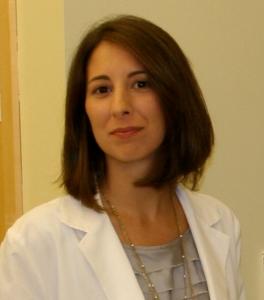
Dr. Orsolya Nador is an Associate Professor at the Department of Hungarian Linguistics, Institute of Hungarian Language, Literature and Cultural Studies, Faculty of Humanities and Social Sciences at Károli Gáspár Reformed University in Budapest, Hungary. With a PhD in Linguistics and Applied Linguistics from the Hungarian Academy of Sciences (1998), she has dedicated her career to the study of language policy, Hungarian as a foreign language, and the linguistic landscape of East-Central Europe. Her work bridges academic research with practical applications in language teaching and policy development across Central and Eastern European contexts. PhD in Linguistics and Applied Linguistics, Hungarian Academy of Sciences (1998) MA in Hungarian Language and Literature, Eötvös Loránd University (1983) Habilitation, University of Pécs (2001) Dr. univ. in Contemporary Hungarian Literature, Eötvös Loránd University (1988) Teacher of Hungarian-Russian Primary School, Eger Teacher Training College (1981) Dr. Nador's research focuses on language policy history, Hungarian as a foreign language (including educational policy and psycholinguistic aspects), Hungarian as a language of origin, the history of Hungarian applied linguistics, and diachronic analysis of linguistic-ethnic issues in East-Central Europe. Her interdisciplinary approach connects historical linguistics with contemporary language policy challenges, particularly regarding minority languages in the Carpathian Basin region. She has pioneered research on language identity formation and the relationship between linguistic diversity and social cohesion in multi-ethnic contexts, examining how language policies shape national identities across Central Europe. Her recent publications reveal a consistent focus on the linguistic landscape of the Carpathian Basin, with particular attention to language policy development, minority language rights, and the teaching of Hungarian as both a foreign and heritage language. Dr. Nador's scholarly work demonstrates how historical language policies continue to influence contemporary linguistic practices and identity formation across East-Central Europe. Her research increasingly addresses digital aspects of language teaching and the evolving role of Hungarian in the European multilingual context, reflecting her commitment to adapting linguistic research to contemporary educational challenges. Teacher of the Year, Károli Gáspár Reformed University (2015) Brassai Prize, Hungarian Association of Applied Linguists and Language Teachers (2023) Dr. Nador has supervised numerous doctoral students working on language policy issues across Europe, including research on Norwegian language policy, Swiss multilingualism, Hungarian language in Burgenland, and media discourse analysis. She has led international research projects including Te-Le-Hu (2008-2010) and Hungarobox (2013-2015), focusing on language teaching methodologies for Hungarian as a foreign language. Her editorial work includes serving as editor-in-chief for Modern Language Teaching journal since 2018 and previously for THL2 - Journal of Hungarian Language Teaching (2005-2018), where she shaped the discourse on Hungarian language pedagogy for over a decade. As leader of the Hungarology Research Group, Dr. Nador coordinates collaborative research on Hungarian language and culture across international borders. Her team works closely with institutions in Slovakia, Croatia, Romania, and Serbia to document and analyze the linguistic practices of Hungarian minority communities throughout the Carpathian Basin, creating a comprehensive picture of how Hungarian functions as both a majority and minority language in different national contexts.