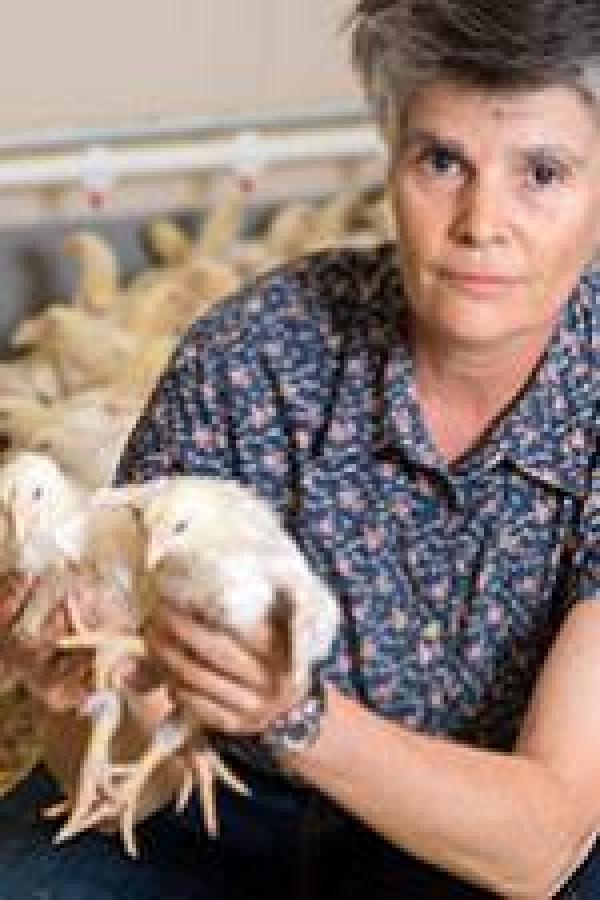
Dr. Roselina Angel is a Professor in the Department of Animal and Avian Sciences at the University of Maryland's College of Agriculture and Natural Resources. With expertise in poultry nutrition, she holds a PhD in Poultry Nutrition from Iowa State University and has been with the university since 1998, initially joining as an Assistant Professor. Research Focus Areas Calcium and phosphorus metabolism in poultry Phytase and enzyme supplementation Environmental impact reduction Nutritional strategies for exotic animals Feed additive efficacy Mineral utilization optimization Her recent publications (2025–2023) concentrate on mechanistic modeling of mineral digestibility, circadian nutrient regulation in laying hens, and the environmental implications of poultry nutrition. These studies frequently examine interactions between dietary calcium/phosphorus ratios, phytase application, and ingredient selection across broilers and laying hens.
Professor Inge Hoff is affiliated with the Norwegian University of Science and Technology (NTNU) in the Department of Civil and Environmental Engineering, where he has served since 2009. Prior to this, he held roles as senior researcher and research leader at SINTEF. Research Interests : Materials for road construction, frost protection, laboratory testing, pavement dimensioning, road rehabilitation, state development modeling, ground-penetrating radar surveys, and concrete/natural stone coverings. Students : Mentors active PhD fellows Lisa Hannasvik, Arman Hamidi, Clara Weber, and Shoiab Ahmad. Teaching : Coordinates courses like TBA4204/BYGT1102 Transport Infrastructure , BYGT2204 Road and Railway Construction , and BA8600 Pavement Structure Dimensioning . Recent publications highlight his expertise in granular material behavior, asphalt durability under climate stressors, and advanced structural assessment techniques. Collaborations with international researchers and presentations at major conferences (TRB, International Conference on Bituminous Mixtures) demonstrate his ongoing contributions to road engineering.
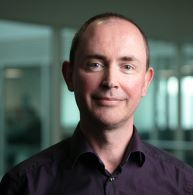
Professor Dörthe Tetzlaff is a leading figure in ecohydrology, serving as Head of Department (A1) Ecohydrology at the Leibniz Institute of Freshwater Ecology and Inland Fisheries (IGB) and as Full Professor of Ecohydrology at Humboldt-Universität zu Berlin, Faculty of Mathematics and Natural Sciences, Geography Department. She also holds an Honorary Professorship at the University of Aberdeen, Scotland. Her work bridges theoretical hydrology with practical applications for water security and environmental management. Professor Tetzlaff's research focuses on ecohydrological processes, particularly using stable water isotopes to understand water cycling, catchment functioning, and landscape connectivity. Her work spans from pristine natural systems to complex urban environments, with particular emphasis on drought resilience, water security, and nature-based solutions. She has pioneered tracer-aided modeling approaches to quantify water storage, fluxes, and ages across the soil-plant-atmosphere continuum. Her publication record shows a clear trend toward increasingly sophisticated integration of multi-tracer approaches with ecohydrological modeling, with recent work focusing on urban systems, drought impacts, and nature-based solutions. The publications demonstrate expertise across hydrology, biogeochemistry, and ecological applications, with strong methodological development in isotope hydrology and modeling techniques. Polubarinova-Kochina Hydrologic Sciences Mid-Career Award of the American Geophysical Union AGU (2024) Water Resource Prize of the Rüdiger Kurt Bode Foundation (2024) Member of the Berlin-Brandenburg Academy of Sciences and Humanities (2023) Fellow of The European Academy of Sciences (2022) Fellow of the Geological Society of America GSA (2020) Professor Tetzlaff actively supervises numerous PhD students and postdoctoral researchers, with her group focusing on cutting-edge ecohydrological research. She leads multiple significant research projects including WETSCAPES2.0, ECCO, ISO-SCALE, and BiNatUr, which address critical questions about water security, climate change impacts, and nature-based solutions in urban environments. Her work is supported by substantial funding from various national and international sources. She leads the Ecohydrology research group at both IGB and Humboldt-Universität zu Berlin, which employs an integrative approach combining field measurements, isotope techniques, and advanced modeling to understand water dynamics across diverse landscapes. The group collaborates extensively with international partners across Europe, North America, and Asia, contributing to global understanding of hydrological processes.
Rita Aiello is an Adjunct Associate Professor in the Department of Psychology at New York University's College of Arts & Science. Her research focuses on the cognitive and perceptual processes involved in musical listening, with particular emphasis on neuroaesthetics, music learning, and memory. She holds an Ed.D. from Columbia University and has held faculty positions at institutions including the Juilliard School and the Manhattan School of Music. Her work bridges music theory, cognitive science, and education, with a lifelong background as a classical pianist. Education: Columbia University (Ed.D.), Manhattan School of Music (M.M., B.M.), Conservatorio San Pietro a Maiella (Diploma in Music Theory) Certifications: Kodály and Orff Methods Her research explores how musical training influences cerebral dominance, the relationship between mental representations and emotional responses to music, and the cognitive underpinnings of musical memory. She has published widely on topics ranging from musical expectation to pedagogical strategies for memorization. Recent work investigates evolutionary perspectives on singing and the psychological mechanisms behind musical communication. Publications reflect interdisciplinary engagement with music's structural rules, metaphorical dimensions, and its role in human cognition. While no specific grants or awards are listed, her extensive international teaching experience includes visiting roles at institutions in Rome and Lugano, Switzerland, and an honorary appointment at Columbia University's Teachers College.
Simon Swain is Professor of Classics and Greco-Arabic at the University of Warwick, concurrently serving as Vice-President (Engagement) at the university and Vice-President (Research and Higher Education Policy) at the British Academy. His leadership roles include former positions as Pro-Vice-Chancellor (International), Chair of the Faculty of Arts, and multiple terms as Head of the Department of Classics. His educational background includes: MA, Oxford (Pembroke College), 1980-1984 D.Phil., Oxford (Wolfson College), 1987 Swain's research centers on the reception of Greek thought in the Islamic Middle Ages and the social-cultural history of the Greek East during the Roman period. He investigates the transmission of ancient Greek science, medicine, and political thought into Islamic scholarship, employing interdisciplinary approaches that bridge Classics, History, and Islamic Studies. His work emphasizes textual transmission, cultural adaptation, and the socio-political contexts of knowledge transfer. Analysis of his publications reveals consistent engagement with Greco-Roman intellectual history and its Islamicate legacy. Key thematic trajectories include the evolution of medical knowledge from Galen to medieval Arabic texts, political theory in imperial contexts, and sociolinguistic dynamics of bilingualism. His editorial projects demonstrate increasing focus on cross-cultural transmission, particularly through critical editions of foundational texts like Ibn Abī Uṣaybiʿah's medical biographies. His honors include: Fellow of the British Academy (2015) Wellcome Trust Collaborative Investigator Award Swain supervises postgraduate research in Greek world studies, late antiquity, and Greco-Arabic scholarship. He has secured major funding from AHRC, Leverhulme, Wellcome, and EU bodies for collaborative projects examining ancient knowledge systems. Current initiatives like the "Streamlining Galen" project support early-career researchers while investigating how canonical medical texts were adapted for medieval Islamic pedagogy. He actively leads research collectives including the "Streamlining Galen" project team, which analyzes condensed medical texts that facilitated the teaching of Galenic medicine in medieval Islamic institutions. His collaborative approach extends to mentoring networks that connect Warwick with international scholars across Classics and Islamic Studies disciplines.
Albert Esteve is a research professor in the Department of Sociology at the Autonomous University of Barcelona and serves as the director of the Center for Demographic Studies (Centre d'Estudis Demogràfics or CED). He also holds the position of Rector at the European Doctoral School of Demography. His research specializes in demography with particular focus on family structures, households, and macro-level demographic patterns through international comparisons. Esteve frequently utilizes survey and population census data in his work and has made significant contributions to the Integrated Public Use of Microdata Series (IPUMS) project's international version. Esteve's scholarly output demonstrates consistent productivity with publications spanning from 2006 to 2025, including multiple articles in 2024 and forthcoming publications in 2025. His research portfolio reveals several key thematic areas including fertility patterns (particularly in Spain and Latin America), household composition across different cultural contexts, marriage and cohabitation patterns, and the relationship between education and demographic behavior. He has conducted extensive comparative work across Europe, Latin America, East Asia, and Africa. Esteve has secured significant research funding from prestigious organizations including the European Research Council and the Government of Spain. His leadership roles at the Center for Demographic Studies and the European Doctoral School of Demography position him at the forefront of demographic research and education in Europe.
Martin Nesvig is a Professor at the University of Miami in the Department of History, College of Arts and Sciences. He serves as Director of Undergraduate Studies and Co-Faculty Lead for Mexico and Mesoamerica in the University of Miami’s Interdisciplinary Programs (UMIA). His research focuses on colonial Latin America, particularly religious hybridism, inquisitorial systems, and decentralized power structures in Michoacán. University of Miami, College of Arts and Sciences Department of History Director of Undergraduate Studies Mexico and Mesoamerica Co-Faculty Lead Nesvig's scholarship interrogates the complexities of religious syncretism, bureaucratic conflict, and cultural negotiation in colonial Mexico. His work challenges traditional narratives of 'spiritual conquest' by highlighting the mutual adaptation between Spanish and indigenous communities, emphasizing the role of hallucinogenic rituals, vernacular scripture, and micro-imperial governance in shaping colonial religious practices. His 2010 Charles A. Ryskamp Research Fellowship supported his project on frontier religion in Michoacán, analyzing how Spanish clergy and laity adopted indigenous practices. His publications span topics from peyote use in Catholic rituals to the political implications of prohibited books and the dynamics of postcontact cultural liminality. Notable Works: Promiscuous Power: An Unorthodox History of New Spain , Peyote, Ever Virgin: A Case of Religious Hybridism in Mexico Awards: Charles A. Ryskamp Research Fellowship Nesvig’s research reveals a colonial state perpetuated through bureaucratic litigation rather than violence, with his irreverent historiographical style challenging academic conventions. His students and colleagues engage with his critical perspectives on power, religion, and cultural identity in early modern Latin America.
Tri Setiyono is an Assistant Professor in the School of Plant, Environmental, and Soil Sciences at Louisiana State University (LSU). Previously, he served as a Scientist at the Sustainable Impact Platform of the International Rice Research Institute (IRRI), Los Baños, Philippines (2011–2021), and as a Postdoctoral Research Associate in the Department of Agronomy and Horticulture at the University of Nebraska-Lincoln (2007–2011). He is affiliated with the LSU AgCenter and the LSU College of Agriculture, contributing to research and extension services in precision agriculture and crop resilience. Education: PhD in Agronomy, University of Nebraska-Lincoln (2007) MS in Agronomy, Kansas State University (2003) BS in Agronomy, Bogor Agricultural University (1998) Research interests focus on precision agriculture, remote sensing, and AI applications to enhance crop production resilience against climate change. He specializes in GIS for agronomic research, crop growth models (e.g., ORYZA, SoySim), and integrating SAR and MODIS satellite data for yield estimation. His work emphasizes sustainable practices and technology-driven solutions for row crops in dynamic environments. Publications highlight advancements in rice monitoring systems, soybean and maize modeling, and decision tools for nutrient management. These contributions bridge technological innovation with practical agricultural challenges in Asia and the US. Scientific awards: None explicitly mentioned in the text. Advising and grants: No formal advisees/students are listed. Professional experience includes roles at IRRI and UNL, suggesting involvement in grant-funded research projects, but specific grant details are not provided. Labs/Teams: Associated with Louisiana State University AgCenter research stations and collaborative projects like the RIICE initiative, but no specific lab names or teams are detailed in the text.
Timothy Harris is an Affiliated Lecturer at the University of Cambridge's Department of Computer Science and Technology, where he jointly teaches courses on multicore semantics and programming. Currently, he works at OpenAI, focusing on performance optimization for GPU inference of large language models, including the Azure OpenAI Service. Previously, he held roles at Microsoft, AWS, Oracle Labs, and was a faculty member at the University of Cambridge (2000–2004). His research spans distributed systems, runtime systems, operating systems, and high-performance computing, with an emphasis on scalability and performance. He contributed to projects like the Xen hypervisor and the Barrelfish research OS. Key research interests include distributed training of PyTorch models in the ONNX runtime, large-scale storage performance with Amazon S3, and runtime systems for in-memory graph analytics. His work often bridges 'big data' and high-performance computing techniques. Notable contributions include the book Transactional Memory (2010) and the Barrelfish OS, alongside numerous publications in top-tier conferences like SOSP, ASPLOS, and EuroSys. He has served as PC chair for ISMM 2025, VEE 2017, and EuroSys 2015, reflecting his leadership in the systems research community. His awards include a Best Paper Award at PACT 2010. Beyond academia, Harris is an avid hiker, aiming to complete the UK coastline, and maintains a photography portfolio at tlhphotography.uk .
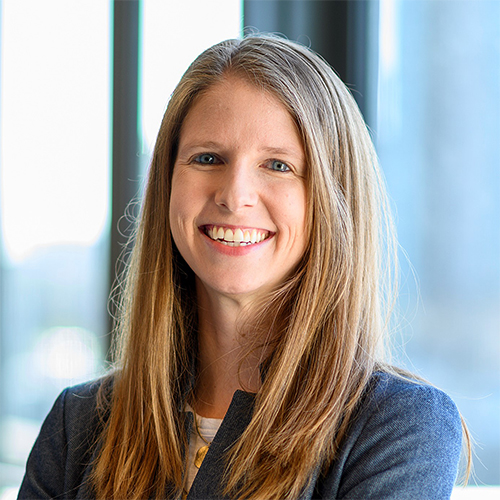
Anna Mayo is the Anna Loomis McCandless Assistant Professor of Organizational Behavior at Carnegie Mellon University’s Heinz College. Her research focuses on dynamic teamwork in modern organizations, particularly in healthcare and cross-sector settings. She investigates how teams adapt to fluid participation, technology integration, and volatile environments to enhance productivity and collaboration. Education: Ph.D. & M.S. in Organizational Behavior & Theory, Carnegie Mellon Tepper School of Business B.A. in Psychology, Denison University Research Interests: Mayo explores team coordination, cognitive versatility, and the impact of organizational structures on teamwork efficacy. She combines lab and field studies (e.g., healthcare, sales teams) to address challenges like rapid team formation/dissolution and distributed member roles. Her work emphasizes agility while mitigating risks to team outcomes. Publications: Her research appears in top journals such as Administrative Science Quarterly, Academy of Management Annals, and BMJ Leader. Recent studies address pandemic teamwork dynamics, nursing-physician collaboration, and the role of coordinated attention in group performance. Prior Experience: Before joining CMU, Mayo held roles at Johns Hopkins Carey Business School and worked in nonprofit human services. She teaches Organizational Design & Implementation (Course 94-700).
Sebastian Heilpern serves as Acting Assistant Professor in Stanford University's Department of Earth System Science, transitioning to Assistant Professor in January 2026. An ecologist and sustainability scientist, he investigates biodiversity change in aquatic ecosystems—particularly the Amazon basin—and its implications for human well-being through food systems, renewable energy, and public health lenses. His research integrates fieldwork, data science, and synthesis across local to global scales. His educational background includes: PhD in Ecology, Evolution & Environmental Biology from Columbia University (2020) MS in Ecology & Evolution from the University of Chicago (2015) BS in Biological Sciences from Cornell University (2011) Heilpern's research centers on identifying synergies between biodiversity conservation and societal objectives. His work examines how aquatic biodiversity sustains nutritional security through fisheries, assesses hydropower's socio-ecological tradeoffs, and develops climate-smart planning frameworks. By connecting ecological processes to human outcomes, he advances sustainability science through interdisciplinary approaches that bridge environmental and social domains. His 2023-2025 publications reveal dominant themes in Amazonian freshwater systems, fisheries nutrition, and renewable energy planning. Key trends include quantifying biodiversity's role in dietary resilience, optimizing hydropower development to minimize ecological harm, and establishing mercury-nutrition linkages in fish consumption. His work consistently emphasizes win-win solutions that align conservation with food/energy security. Award highlights: Eric & Wendy Schmidt AI in Science Postdoctoral Fellowship at Cornell University As principal investigator of Stanford's Biodiversity Lab, Heilpern leads research reconciling conservation with food, energy, and water security. His team prioritizes equity in science practice while addressing historical inequities. Current projects focus on Amazonian freshwater systems, sustainable aquaculture siting, and climate-resilient energy planning, supported by interdisciplinary collaborations across ecology, data science, and policy domains. The Biodiversity Lab actively recruits researchers through structured opportunities emphasizing diversity and justice in sustainability science. Laboratory values explicitly center on correcting science's inequitable legacy while advancing stronger ecological understanding through inclusive practices.
Yan Huang is an Associate Professor of Business Technologies at the Tepper School of Business, Carnegie Mellon University. She holds a Ph.D. in Information Systems and Management from Carnegie Mellon University (2013) and a B.Sc. (with honors) in Information Systems and Management from Tsinghua University, Beijing, China (2009). Prior to joining Carnegie Mellon University, she served as an Assistant Professor of Technology and Operations at the University of Michigan–Ann Arbor, Ross School of Business (2013-2018). Her educational background includes: B.Sc. (with honors) in Information Systems and Management, Tsinghua University, Beijing, China (2009) Ph.D. in Information Systems and Management, Carnegie Mellon University, Pittsburgh, United States (2013) Dr. Huang's research examines the economic and social impacts of technologies and identifies effective designs and policies for technology-enabled markets and platforms. She employs economic theories, structural modeling, statistical modeling, machine learning methods, and an understanding of the underlying technologies in her research. Her recent work focuses on the economics of artificial intelligence (AI) and machine learning (ML), with particular attention to algorithmic fairness, transparency, and collusion. She is among the first to bring economic and social perspectives to research on fair ML. Additionally, she studies digital platforms and online markets, examining how firms can leverage data-driven strategies to optimize pricing, personalization, and user engagement. Her recent publications demonstrate a strong focus on the intersection of AI/ML with economic principles, particularly in areas like algorithmic bias, pricing strategies, and platform regulation. A significant portion of her work examines how machine learning algorithms impact financial lending decisions, housing markets, and content creation platforms. Her research methodology frequently combines structural econometric modeling with empirical analysis of real-world data, providing both theoretical insights and practical implications for platform design and policy. Dr. Huang has received several prestigious awards for her scholarly contributions: AIS Senior Scholar Best Publication of 2023 Award for "Algorithmic Transparency with Strategic Users" Runner Up, Best Paper Published in Information Systems Research for 2021 for "Crowds, Lending, Machine, and Bias" INFORMS Information Systems Society Sandy Slaughter Early Career Award Finalist, Best Student Paper Award, CIST 2021 for "Human-Algorithmic Bias: Source, Evolution, and Impact" Pounds Fellowship As an active member of the academic community, Dr. Huang serves on various committees at CMU including the MSBA Curriculum Review Committee and the Tepper School Strategic Plan Task Force. She has also held editorial positions for Management Science, Information Systems Research, and the International Conference on Information Systems. Her teaching portfolio includes courses on Human and Algorithmic Bias, Modern Data Management, and PhD-level instruction at the Tepper School.
Hassan Foroosh is a Professor in the Department of Electrical Engineering and Computer Science at the University of Central Florida (UCF), directing the Computational Imaging Laboratory (CIL). He holds a Ph.D. in Computer Science from INRIA-UNSA, France (1996). Prior to UCF, he worked as a Senior Research Scientist at UC Berkeley (2000–2002) and an Assistant Research Professor at the University of Maryland, College Park (1997–2000). Research Interests: His work focuses on Computer Vision, Image Processing, Machine Learning, and Signal Processing. Notable contributions include LiDAR-based perception, adversarial attacks on detectors, medical imaging analysis, and dataset design for action recognition. His research is supported by NASA, NSF, ONR, and industry partners. Publications & Impact: Over 130 peer-reviewed papers, including influential work on super-resolution techniques, transformer networks for 3D object detection, and adversarial machine learning. His recent work explores analytical reasoning in LLMs and multimodal fusion in sports analytics. Awards: Pierro Zamperoni Award (2004), Best ICPR Paper (2004), Sun Microsystems Academic Excellence Award (2004). Labs/Teams: Director of the Computational Imaging Lab (CIL), UCF. Grants: Active funding from NASA, NSF, and industry collaborators.
Nathan van de Wouw is a Full Professor at the Mechanical Engineering Department of Eindhoven University of Technology (TU/e), affiliated with ICMS, EAISI Mobility, EAISI High Tech Systems, EAISI Foundational, and EIRES. He also holds an adjunct Full Professor position at the University of Minnesota and a part-time Full Professorship at Delft University of Technology. His research focuses on dynamics and control of mechanical systems, including mechatronics, robotics, smart manufacturing, energy systems, and networked control. He has supervised over 150 students and led numerous projects funded by industry partners like ASML, Philips, and Shell. Education: M.Sc. (with Honors) in Mechanical Engineering, TU/e (1994) Ph.D. in Mechanical Engineering, TU/e (1999) Research Interests: Nonlinear systems and control Model reduction and complexity analysis Data-driven and networked control strategies Applications in high-tech systems, autonomous vehicles, and energy systems Awards: IEEE Control Systems Technology Award (2015) for variable-gain control in motion systems Grants & Projects: Lead projects on mechatronic design, lithography systems, and thermodynamic optimization Collaborations with TNO, ASML, and industrial partners Labs & Teams: Member of TU/e’s Dynamics and Control group Affiliated with EAISI (Eindhoven AI Systems Institute)
Florian Muijres is an Associate Professor and Chairholder at the Experimental Zoology Group, Wageningen University & Research, where he leads the Animal Flight Lab. His research focuses on the biomechanics, aerodynamics, and flight control of natural flyers such as insects, birds, and bats, with applications in bio-inspired robotics and ecological solutions like mosquito traps and flapping-wing drones. He holds a PhD from Lund University (Sweden) and conducted postdoctoral research at the Dickinson Lab, University of Washington (USA). Research Interests: Merging experimental and computational methods, his work explores primary research on flight mechanics (e.g., mosquito evasion, butterfly gliding) and applied studies (e.g., drone design, pollinator behavior in greenhouses). His lab uses advanced videography and robotic models to study flight dynamics under real-world conditions. Labs & Teams: The Animal Flight Lab collaborates with biologists, physicists, and engineers to investigate flight adaptations in mosquitoes, bumblebees, and pied flycatchers. Projects include developing high-efficiency traps and analyzing flight performance in complex environments.