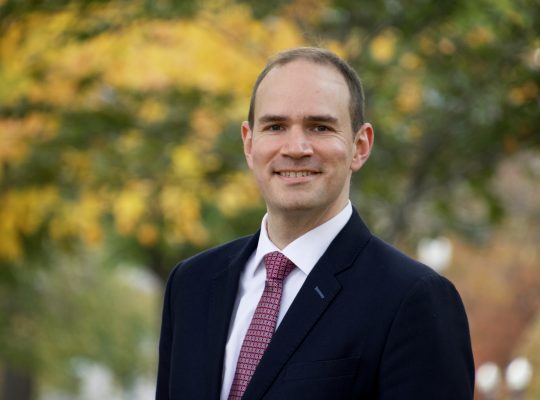
Dr Jonathan Cook is a Research Fellow at Jesus College, University of Oxford, affiliated with the Medical Sciences division. He holds a primary medical qualification from Queen’s University (Canada, 2021) and a PhD investigating viral immune evasion mechanisms under Prof Jeffrey Lee. His work was supported by the Vanier Canada Graduate Scholarship and recognized with the Stuart Alan Hoffman Memorial Prize. As an incoming Banting Fellow at the Jenner Institute, he focuses on vaccine design for infectious diseases. His research interests include malaria eradication, emerging pathogens, and structure-based vaccine strategies. **Education**: - PhD (Investigation of viral entry glycoproteins), University of Toronto, supervised by Prof Jeffrey Lee - Primary Medical Qualification, Queen’s University, Canada **Research Interests**: - Malaria Eradication : Developing vaccines targeting Plasmodium species. - Emerging Infectious Diseases : Designing rapid-response strategies for pathogens like SARS-CoV-2. - Structure-Based Vaccine Design : Leveraging protein structural data to enhance immunogenicity. **Awards**: - Vanier Canada Graduate Scholarships Programme (2017–2020) - Stuart Alan Hoffman Memorial Prize (2021) - Banting Fellowship (incoming) **Grants/Advising**: Works on Jenner Institute-funded projects. No listed advisees yet. **Labs/Teams**: Collaborates with Prof Lee's lab at the Jenner Institute and the University of Toronto's Medical Microbiology program.
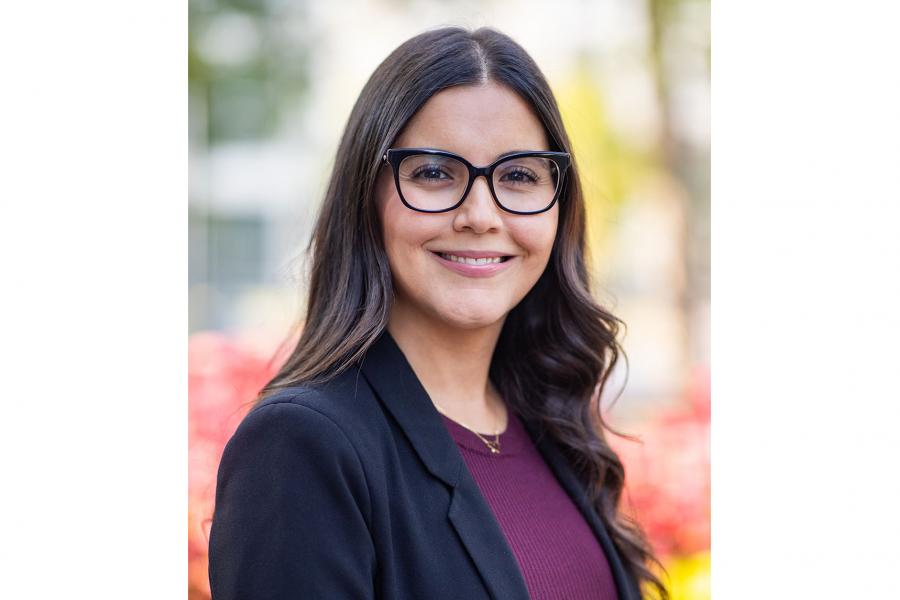
Professor Ananya Choudhury serves as Chair and Honorary Consultant in Clinical Oncology at the University of Manchester, where she is also Co-Group Leader of the Translational Radiobiology Group within the Division of Cancer Sciences. She joined The Christie NHS Foundation Trust in 2008, specializing in urology and sarcoma, and has since focused on radiotherapy-related research in prostate and bladder cancers. Professor Choudhury is clinical lead for advanced radiotherapy, including the groundbreaking MRLinac project, and plays a key role in national radiotherapy research initiatives. Professor Choudhury earned her BA (Hons) in 1993, MB. BChir (Cantab) in 1995, and MA (Cantab) in 1997 from Trinity College, Cambridge. She completed her Clinical Oncology training at the Yorkshire Deanery from 2000-2008, during which she earned her MRCP in 2000 and F.R.C.R in 2004. She completed her PhD in 2008 through the University of Leeds and Princess Margaret Hospital in Toronto, Canada, where she studied the molecular epidemiology of DNA double strand break repair in bladder cancer. Professor Choudhury's research program focuses on optimizing and personalizing radiotherapy using advanced imaging technology to deliver high doses while minimizing side effects. Her work centers on prostate and bladder cancers, with particular interest in predictive biomarkers, hypoxia, and the integration of magnetic resonance imaging to improve treatment precision. She has pioneered research in radiotherapy dose optimization, biomarker development, and the identification of patients who would benefit most from different treatment approaches. Her extensive publication record demonstrates a strong focus on radiation therapy, particularly in genitourinary cancers. Recent work explores MRI-guided radiotherapy, hypoxia biomarkers, and personalized treatment approaches across multiple cancer types. She has made significant contributions to understanding how imaging technology can improve radiotherapy precision and effectiveness while reducing side effects, with several publications appearing in top journals through 2025. Professor Choudhury has received multiple prestigious awards recognizing her contributions to the field: Cancer Research-UK/Royal College of Radiologists Clinical Training Fellowship (2005) Fellowship for the 10th ECCO-AACR-ASCO Workshop on Methods in Clinical Cancer Research (2007) Outstanding Contribution, Greater Manchester Clinical Research Awards (2017) RCR Research Fellowship (2005) Research Fellowship, Princess Margaret Hospital, Toronto (2004) Professor Choudhury has supervised numerous doctoral and master's students across multiple cancer types, with current students expected to complete through 2024. She is Principal Investigator on multiple research grants, including 'Measuring tumour radioresistance to improve radiotherapy outcomes' and the 'MAESTRO Programme' as part of CRUK RadNet. Her research program is supported by significant funding from NIHR Manchester Biomedical Research Centre and other major funding bodies. As Co-Group Leader of the Translational Radiobiology Group, Professor Choudhury collaborates extensively with leading researchers including Peter Hoskin, Catharine West, Corinne Faivre-Finn, and Marcel van Herk. Her team is at the forefront of integrating advanced imaging with radiotherapy to improve cancer treatment outcomes, with active projects spanning from basic radiobiology to clinical implementation of novel radiotherapy techniques.
Rasha Baruni is an Assistant Professor in the Department of Psychology at the University of Manitoba's Faculty of Arts. She teaches courses including Seminar in Behaviour Modification (PSYC 4540/8240) and Seminar in Basic Operant Research (PSYC 4540/8270). Her academic background includes a PhD in Applied Behaviour Analysis from the University of South Florida (2023), an MS in Applied Behaviour Analysis from St. Cloud State University (2012), and a BA Honours in Psychology from York University (2007). PhD (Applied Behaviour Analysis), University of South Florida, 2023 MS (Applied Behaviour Analysis), St. Cloud State University, 2012 BA Honours (Psychology), York University, 2007 Baruni's research focuses on applied behavior analysis for child safety , particularly in digital environments. She develops and evaluates behavioral skills training (BST) and conjugate reinforcement schedules to address physical and digital safety threats (e.g., firearms, social media risks). Her work extends to staff training methodologies and procedural fidelity in intervention implementation. Recent publications analyze conjugate reinforcement dynamics, remote safety training efficacy, and BST adaptations. Research trends show emphasis on digital safety threats , cross-cultural interventions , and technology-assisted training for both children and practitioners. She actively explores ways to improve stakeholder accessibility to safety programs. Currently accepting Master’s and PhD students, Baruni collaborates with international institutions on behavioral safety initiatives and maintains active research connections through platforms like Google Scholar and ResearchGate.
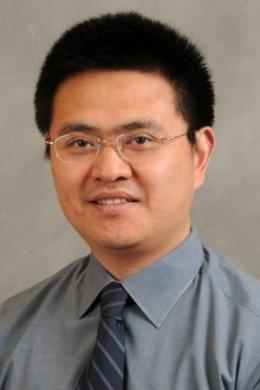
Yading Yuan, PhD is an Associate Professor of Radiation Oncology (Physics) at Columbia University Irving Medical Center and a member of the Data Science Institute. He holds a PhD in medical physics from the University of Chicago (2010) and completed clinical residency at Harvard Medical Physics Program (2013). His research focuses on AI-driven innovations in radiation oncology, including automated medical image analysis systems, federated learning frameworks for tumor segmentation, and data-driven approaches to personalized cancer treatment. He is certified by the American Board of Radiology and licensed in New York State. Education: PhD in Medical Physics (University of Chicago, 2010); Clinical Residency (Harvard Medical Physics Program, 2013). Research interests include: automated knowledge-based treatment planning, large-scale clinical AI systems, medical image reconstruction algorithms, and panomics integration for precision oncology. His work emphasizes translating data science advancements into clinical practice to improve patient outcomes. Key trends in his publications include federated learning for privacy-preserving medical AI, tumor segmentation in multi-modal imaging (PET/CT, MRI), and AI-driven prediction of treatment outcomes and recurrence risks. Recent work emphasizes decentralized learning architectures and cross-institutional collaboration systems. Scientific Awards: Distinguished Reviewers 2013 (selected by peer review committees) Advising/grants: No specific student names or grant details listed in provided text. His work is supported through institutional and collaborative research initiatives. Labs/teams: Active member of Columbia's Data Science Institute and Radiation Oncology department, contributing to interdisciplinary medical AI research groups.
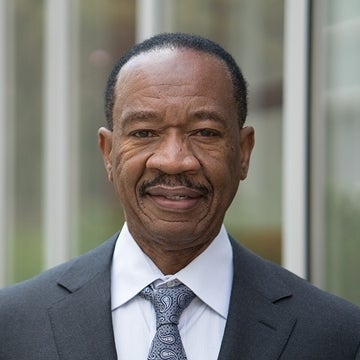
John B. Jemmott III is the Kenneth B. Clark Professor of Communication and Psychiatry at the University of Pennsylvania, with dual appointments in the Annenberg School for Communication and the Perelman School of Medicine. His endowed chair honors psychologist Kenneth B. Clark, emphasizing social justice and health equity. Dr. Jemmott holds a Ph.D. in Psychology from Harvard University and previously held faculty positions at Princeton University. Research Focus: Jemmott develops culturally tailored, theory-based interventions to reduce health disparities. His work integrates social cognitive theory and qualitative community research to address HIV/STD risks, physical activity promotion, and COVID-19 mitigation. Key populations include African American adolescents/adults, South African communities, and postpartum women. Eight of his curricula are nationally disseminated by CDC and HHS. Publication Trends: Recent articles (2023-2025) focus on: Behavioral mechanisms in HIV/STD prevention Health equity interventions for Black communities COVID-19 vaccine hesitancy and mitigation Culturally adapted therapies (e.g., CBT-I) Syndemic influences on health behaviors Awards & Honors: Fellow, American Psychological Association Fellow, Association for Psychological Science Fellow, Society for Behavioral Medicine Grants & Advising: Jemmott has secured over $64M in NIH funding as principal investigator. Current projects include HIV stigma reduction and SARS-CoV-2 behavior mitigation. He teaches graduate courses in Attitude and Behavioral Prediction, Health Psychology, and Quantitative Methods, and mentors emerging researchers in health communication.
Dr. Nicholas Broskey is an Associate Professor in the Department of Kinesiology at the College of Health and Human Performance, East Carolina University. His research bridges translational science and clinical practice, focusing on skeletal muscle physiology and mitochondrial biology to address metabolic diseases through exercise interventions. Dr. Broskey's work explores how maternal health during pregnancy programs infants' metabolic health outcomes, utilizing mesenchymal stem cell models to study developmental programming of obesity and diabetes. He combines clinical expertise in exercise prescription and metabolic assessment (e.g., hyperinsulinemic-euglycemic clamp, indirect calorimetry) with basic science techniques to evaluate mitochondrial content and function. His recent publications highlight maternal exercise effects on offspring metabolism, mitochondrial heterogeneity in racial health disparities, and bioenergetic adaptations in cancer cells. Grants from NIH, Brody Brothers' Foundation, and Duke University support his research on maternal-fetal metabolic programming and exercise transducers. Scientific Awards Outstanding Researcher or Creative Activity Award 2023-2024 Early Career Grant Challenge 2018 Endowed Postdoctoral Fellowship 2015 Best Poster 2012 Dr. Broskey actively serves on editorial boards for Clinical Experimental Obstetrics and Gynecology (2023) and International Journal of Sports Medicine (2022).
João F. Mano is a Full Professor at the Department of Chemistry, University of Aveiro, and Director of the Doctoral Program on Biotechnology. He leads the COMPASS Research Group and serves as Vice-Director at CICECO - Aveiro Institute of Materials. His academic appointments include Invited Professor at University of Lorraine (France), Visiting Professor at KAIST (South Korea), and Adjunct Professor at Ajou University (South Korea). Education: PhD in Chemistry (1996, Technical University of Lisbon); D.Sc. in Tissue Engineering, Regenerative Medicine and Stem Cells (2012, University of Minho) Research Interests focus on Biomaterials for Regenerative Medicine , integrating Nanotechnology , Microtechnology , and Biofabrication . His group develops Bioinspired Materials using polymer chemistry, Decellularized Extracellular Matrix , and 3D Bioprinting to engineer Cell Microenvironments for therapeutic applications. Recent Publications highlight advancements in Human-Derived Hydrogels , Photopolymerizable Scaffolds , Magneto-Responsive Biomaterials , and Programmable Bioinks . Trends show emphasis on Organ-on-a-Chip integration, Smart Living Materials , and Green Bioprinting methodologies. Scientific Awards include: European Research Council Advanced Grants (2015, 2020) Fellow at IUPAC, European Academy of Sciences, and American Institute of Medical and Biological Engineering ERC Proof of Concept Grants Doctor Honoris Causa from University of Lorraine and Utrecht UNESCO Chair on Biomaterials George Winter Award (European Society for Biomaterials) Supervisions & Collaborations encompass 74+ MSc, 26+ PhD students, and 40+ postdocs. He co-founded METATISSUE and CELLULARIS Biomodels , and serves as Editor-in-Chief of Materials Today Bio .
Prof. Dr. Yavuz Yakut serves as full-time Professor and Head of the Department of Physiotherapy and Rehabilitation at Hasan Kalyoncu University's Faculty of Health Sciences since 2016. Previously, he held academic positions at Hacettepe University from 1985 to 2016, progressing from Research Assistant to Professor, while concurrently serving on national committees including the Ministry of Health and Ministry of Finance Budget Implementation Commissions (1997-2003) and YÖK Physiotherapy Sub-Commission (2013-2016). His educational foundation includes a Bachelor's (1984), Master's (1987), and PhD (1990) in Physiotherapy and Rehabilitation, all completed at Hacettepe University. Yakut's research demonstrates exceptional breadth across rehabilitation science, with concentrated expertise in biomechanics and scoliosis rehabilitation . His work significantly advances neurological rehabilitation for conditions like multiple sclerosis and cerebral palsy, while pioneering applications in burn rehabilitation and orthotics/prosthetics . Recent publications reveal strategic integration of biopsychosocial models and telerehabilitation , particularly addressing pandemic-related challenges and chronic disease management across diverse populations. Analysis of his 2023-2025 publications shows consistent interdisciplinary innovation: validating cross-cultural assessment tools (e.g., Turkish translations of scoliosis and ADL questionnaires), developing novel exercise protocols (dance therapy, cognitive exercise therapy), and investigating rehabilitation responses in complex cases including HIV, rheumatic diseases, and post-earthquake trauma. His methodology frequently combines biomechanical analysis with patient-centered outcomes, demonstrating particular rigor in controlled trials for spinal deformities and burn recovery. His leadership extends beyond direct research through committee roles shaping national rehabilitation policy and educational standards, including his current departmental leadership and recent systematic review on physiotherapy distance education during pandemic disruptions.
Dr. Todd D. Murphey is a Professor of Mechanical Engineering at Northwestern University's Robert R. McCormick School of Engineering and Applied Science. He serves as Director of Transformative Research and Director of the Master of Science in Robotics Program at Northwestern, leading initiatives in computational dynamics, control systems, and robotics. His work bridges engineering, neuroscience, and biomedical applications, with a focus on developing systems that interact effectively with humans and their environments. Dr. Murphey received his Ph.D. in Control and Dynamical Systems from the California Institute of Technology in 2002, with a thesis titled "Control of Multiple Model Systems." Prior to that, he earned a B.S. in Mathematics, summa cum laude, from the University of Arizona in 1997. Dr. Murphey's research centers on computational methods in dynamics and control, with applications spanning neuroscience, health science, robotics, and automation. His work in the Interactive & Emergent Autonomy Lab focuses on computational models of embedded control, biomechanical simulation, dynamic exploration, and hybrid control. The group develops mathematical approaches that lead to orders of magnitude improvement in computational efficiency for real-time implementation. Key application areas include assistive exoskeleton control, stabilization of energy networks, bio-inspired active sensing, entertainment robots, robotic exploration, and software-enabled stroke rehabilitation. Analysis of Dr. Murphey's recent publications reveals a strong emphasis on human-swarm interaction, algorithmic matter, and control of cyber-physical systems in uncertain environments. His work increasingly integrates information theory with physical systems, exploring how both autonomous and biological systems interact with environments to learn and improve behaviors. Recent trends show growing applications in rehabilitation technology, with particular focus on human-machine interaction in biomedical devices and embodied intelligence. Dr. Murphey has received numerous honors and awards for his contributions to robotics and engineering: Named Director of Transformative Research at Northwestern University (2025) Appointed IEEE Robotics and Automation Society Vice President of Publication Activities (2022) Co-recipient of Best Paper Award for IEEE Transactions on Robotics (2020) Appointed to Air Force Scientific Advisory Board (2019) Recipient of ABB Best Student Paper Award for CPL-SLAM research (2019) Cole-Higgins Award from Northwestern Engineering (2015) Dr. Murphey has supervised numerous graduate students including Taosha Fan, Giorgos Mamakoukas, and Ian Abraham, with research spanning robotic exploration using electrosense and mechanical contact, human-in-the-loop control, and shared control for rehabilitation devices. His lab has secured significant funding from the National Science Foundation, DARPA, and industry partners including Siemens and Ekso Bionics, supporting research in algorithmic matter, emergent behavior, and human-swarm collaboration. The Interactive & Emergent Autonomy Lab, led by Dr. Murphey, investigates how both autonomous systems and biological systems interact with their environments to learn and improve behaviors. Current projects include active learning and data-driven control, active perception in human-swarm collaboration, algorithmic matter and emergent computation, control for nonlinear and hybrid systems, cyber physical systems in uncertain environments, harmonious navigation in human crowds, information maximizing clinical diagnostics, reactive learning in underwater exploration, robot-assisted rehabilitation, and software-enabled biomedical devices. The lab collaborates with researchers across Northwestern and institutions including Georgia Tech, MIT, and industry partners.
Greg Haff is a Professor of Strength and Conditioning and Director of the Strength and Power Research Group at Edith Cowan University's School of Medical and Health Sciences. He holds a PhD from the United States (1999) and has extensive experience in strength and conditioning research, education, and professional practice. His work focuses on neuromuscular adaptations, training theory, velocity-based training methods, and recovery strategies. Haff has received numerous awards, including the National Strength and Conditioning Association’s Impact Award (2021) and the UK Strength and Conditioning Coach of the Year (2014). Affiliations: ECU School of Medical and Health Sciences, Strength and Power Research Group Education: PhD (1999), MS (1996), BS (1993) in Physical Education from the United States. Research Interests: Haff’s research explores optimal training methodologies, including periodization, eccentric loading, and velocity-based resistance training. He investigates how neuromuscular adaptations enhance athletic performance and reduce injury risk. His work spans sports science, biomechanics, and exercise physiology. Publications & Awards: Over 270 scientific papers, 9 books, and 28 book chapters. Notable awards include the William J. Kraemer Sport Scientist of the Year (2011) and the NSCA Young Investigator Award (2001). His research has been cited over 9,000 times (Scopus h-index 53). Grants & Labs: Leads the Strength and Power Research Group, focusing on applied strength training and performance optimization. Research spans athlete development, recovery strategies, and injury prevention.
Mike Climstein serves as a Lecturer in Human Sciences within the Faculty of Health at Southern Cross University (SCU), where he coordinates the Master of Clinical Exercise Physiology program and acts as Deputy Academic Integrity Officer. He concurrently holds an adjunct Associate Professor position in the Physical Activity, Lifestyle, Ageing and Well-being Research Group at the University of Sydney and directs SCU's Aquatic Based Research initiative. His academic credentials include a PhD in Exercise Science & Human Performance from Oregon State University (1990), an MSc in Exercise Science from Utah State University (1986), and a BSc in Biology from Utah State University (1982). Climstein's research spans clinical exercise physiology with emphases on master athletes' health, chronic disease rehabilitation, sports injury surveillance (particularly surfing), cardiac rehabilitation, smart textile monitoring, and osteoporosis. His work integrates technology-driven health solutions with population-specific exercise interventions, notably for aging populations and athletes. Analysis of his recent publications reveals three dominant trends: 1) AI applications in dermatological diagnostics (e.g., melanoma detection systems), 2) physiological adaptations in aging populations through martial arts and aquatic exercise, and 3) epidemiological studies of chronic conditions in master athletes and occupational groups. These reflect his dual focus on technological innovation and practical health interventions. His scientific recognition includes: Fellowship by Sports Medicine Australia (FASMF) Fellowship by American College of Sports Medicine (FACSM) Fellowship by Exercise and Sports Science Australia (FAAESS) Climstein actively supervises 4 PhD and 2 Master's students while co-supervising 6 Doctor of Physiotherapy candidates. His research program is supported by 38 grants totaling over $7.8 million AUD, including studies on aquatic rehabilitation and smart textile monitoring. As Director of Aquatic Based Research, he leads interdisciplinary teams investigating water-based exercise interventions for chronic disease management, with ongoing projects in cardiac rehabilitation and osteoporosis prevention.
Facundo M. Fernandez is a Regents' Professor and Vasser-Woolley Chair in Bioanalytical Chemistry at the Georgia Institute of Technology, where he leads the Fernandez Research Group within the School of Chemistry and Biochemistry in the College of Sciences. His research spans multiple cutting-edge areas of analytical chemistry with significant applications in medicine, forensics, and basic science. Dr. Fernandez earned his M.Sc. in Chemistry (1996) and Ph.D. in Analytical Spectrometry/Metallomics (1999) from the Facultad de Ciencias Exactas y Naturales at Buenos Aires University, Argentina. His research program focuses on Bioanalytical Mass Spectrometry with particular emphasis on Ambient Sampling/Ionization & Molecular Imaging, Ion Mobility Spectrometry, Metabolomics, and Pharmaceutical Forensics. His work has pioneered new approaches in ambient ionization techniques that enable direct analysis of complex samples without extensive preparation. His recent publications reveal a strong trend toward spatial metabolomics, particularly in traumatic brain injury and ovarian cancer research, with increasing integration of machine learning approaches for data analysis. His work also extends to pharmaceutical quality control, exercise physiology through the MoTrPAC consortium, and prebiotic chemistry investigations. The interdisciplinary nature of his research is evident in collaborations across Georgia Tech's campus and with external institutions. NSF CAREER Award (2007) 3M Non-tenured Faculty Award (2008) CETL/BP Junior Faculty Teaching Excellence Award (2009) Ron A. Hites Award for Outstanding Research Publication (2010) Sigma Xi (GT Chapter) Best Faculty Paper Award (2010) Vasser-Wooley Faculty Fellow (2012) Dr. Fernandez has secured significant funding for his research, including NSF CAREER support, and leads projects related to metabolomics for ovarian cancer detection, pharmaceutical forensics through the CODFIN network, and participation in the large-scale Molecular Transducers of Physical Activity Consortium (MoTrPAC). His laboratory develops advanced instrumentation for mass spectrometry applications and maintains strong collaborations with the Integrated Cancer Research Center, the College of Computing, and the Center for Chemical Evolution at Georgia Tech.
Dr. Jatin P. Ambegaonkar is a Professor in the School of Kinesiology, College of Education and Human Development at George Mason University, where he serves as Associate Dean for Research. He holds a PhD from the University of North Carolina Greensboro and is a Certified Athletic Trainer and Occupational Therapist. His translational research bridges laboratory science and community engagement to enhance performance, reduce injury risk, and improve health outcomes across populations. Research Focus: Dr. Ambegaonkar's work centers on interdisciplinary approaches to human movement, with emphasis on: Performing artists' health and injury epidemiology Biosensor applications in sports and dance Neuromechanical assessment and concussion management Falls prevention and quality of life in older adults Community-based health interventions for underserved populations His research vision— "Arts and Health for the Physically Active, Physical Activity for Health and Artists" —drives initiatives like the SMART Laboratory (co-founded in 2006) and the SHARe Consortium. Publications: His 80+ articles demonstrate consistent focus on injury mechanisms, dance science, and aging research, with recent emphasis on kinesiophobia (2024), multifactorial fall interventions (2024), and longitudinal dancer fitness (2023). Methodologies span systematic reviews, RCTs, biomechanical analyses, and community trials. Leadership & Grants: As founding co-director of the SMART Laboratory, he leads projects including: ACHIEVES: Free athletic healthcare for underserved students POISED: Falls prevention in older adults SHARe Consortium: Multidisciplinary injury prevention for artists He has secured $6.4M across 30 grants from the National Endowment for the Arts, Potomac Health Foundation, and others. Editorial Roles: Editor-in-Chief of the Journal of Dance Medicine & Science ; Editorial Board member for the Journal of Athletic Training ; reviewer for 25+ scientific journals.
Prof. Oliver Faude is a Professor and Researcher at the Department of Motor Performance & Biomechanics within the University of Basel's Department of Sport, Exercise and Health (DSBG). His research focuses on exercise physiology, sports medicine, and the application of physical activity in managing chronic conditions like type 2 diabetes. He supervises doctoral students, including Vivien Hohberg, whose work on telephone-based health coaching for diabetes patients was published in the Journal of Science and Medicine in Sport. Faude collaborates on projects such as the dbcoach intervention, funded by Innosuisse and health insurers, demonstrating how personalized coaching increases physical activity in diabetic populations. His work also extends to musculoskeletal imaging innovations, such as the UMUD web application for ultrasonography data access, and the PrepAir study addressing chemotherapy-induced sensory dysfunction in children. Faude's interdisciplinary approach integrates clinical research, biomechanics, and public health, with a particular emphasis on aging populations and pediatric oncology. He contributes to injury prevention strategies in sports like badminton and soccer, while advancing methodologies for muscle volume assessment via 3D ultrasound and MRI comparisons. Key Projects: dbcoach program, PrepAir study, musculoskeletal imaging tools, agility training for frailty prevention. Grants: Innosuisse, SwissLife Foundation, Voluntary Academic Society of Basel. Students: Vivien Hohberg (PhD). Labs/Teams: Motor Performance & Biomechanics lab, collaborations with Prof. Bart Roelands (Vrije Universiteit Brussel) on overtraining syndrome research.
Dr Nicola Fearn is a Lecturer in the Discipline of Occupational Therapy at the Sydney School of Health Sciences, Faculty of Medicine and Health, The University of Sydney. Since joining in 2024, she has integrated 19 years of clinical experience in Australian and UK acute hospital, rehabilitation, and community settings with her research on cancer rehabilitation and lymphedema management. She maintains active clinical practice as an accredited lymphoedema therapist. Her educational background includes: Occupational Therapy qualification (2005) PhD in breast lymphoedema assessment, incidence, and risk factors following breast cancer treatment (2022) Dr Fearn's research program addresses critical gaps in cancer survivorship through four interconnected pillars: cancer rehabilitation focusing on long-term quality of life; lymphoedema management (particularly breast-related); neurological upper limb rehabilitation for stroke and brain injury; and implementation science to translate evidence into clinical practice. Her work consistently emphasizes patient-centered approaches and interdisciplinary collaboration. Analysis of her 11 publications since 2022 reveals dominant themes in constraint-induced movement therapy for stroke rehabilitation (60% of output) and breast lymphoedema quantification/management (30%), with strong methodological diversity spanning systematic reviews, qualitative studies, feasibility trials, and telehealth adaptations. Key trends include integration of behavior change frameworks (Theoretical Domains Framework, COM-B model) and growing emphasis on health equity for diverse populations. Dr Fearn actively supervises HDR students interested in cancer survivorship and evidence implementation, and has secured the 2024 FMH Start-up Scheme grant. Current projects include SURPASS (patient-centered survivorship care), DIVERSE (supportive care for diverse backgrounds), ReCITE (remote constraint-induced therapy), and telehealth validation studies for rehabilitation assessments. As a member of the Australasian Lymphology Association, she collaborates with St Vincent's Health Network teams across oncology, neurology, and rehabilitation services to develop clinically relevant interventions that address both physical and psychosocial aspects of survivorship and neurological recovery.