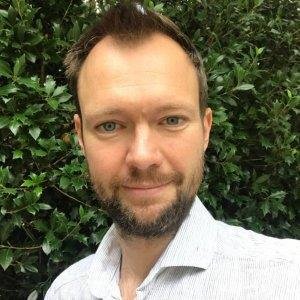
Dr. Tim Pagella is a Senior Lecturer in Forestry at Bangor University's School of Environmental and Natural Sciences. He serves as Programme Lead for three undergraduate forestry programs and Module Leader for DXX-1003 (Forestry in the 21st Century) and DXX 4505 (Natural Resource Management). His teaching contributes to modules including DDL-4004, DXX1001, and others. As a systems scientist, Pagella specializes in agroforestry systems, focusing on trees outside woodlands delivering ecosystem services and livelihood resilience. His research spans tropical and temperate regions, emphasizing local knowledge integration, socio-ecological dynamics, and gender-transformative land restoration. Collaborations include World Agroforestry (ICRAF), Natural Resources Wales, and international projects in Rwanda, Vietnam, and Indonesia. Current projects: Trilateral Agroforestry Network (2024-2025), Landscape Resilience in Comoros (2022), Climate-Smart Woodlands in Wales (2018-2023) PhD supervision: 5 current students researching topics like farmer extension models, agricultural change management, and food security metrics Key contributions: Polyscape GIS tool for ecosystem valuation, RHoMIS survey framework for smallholder analysis
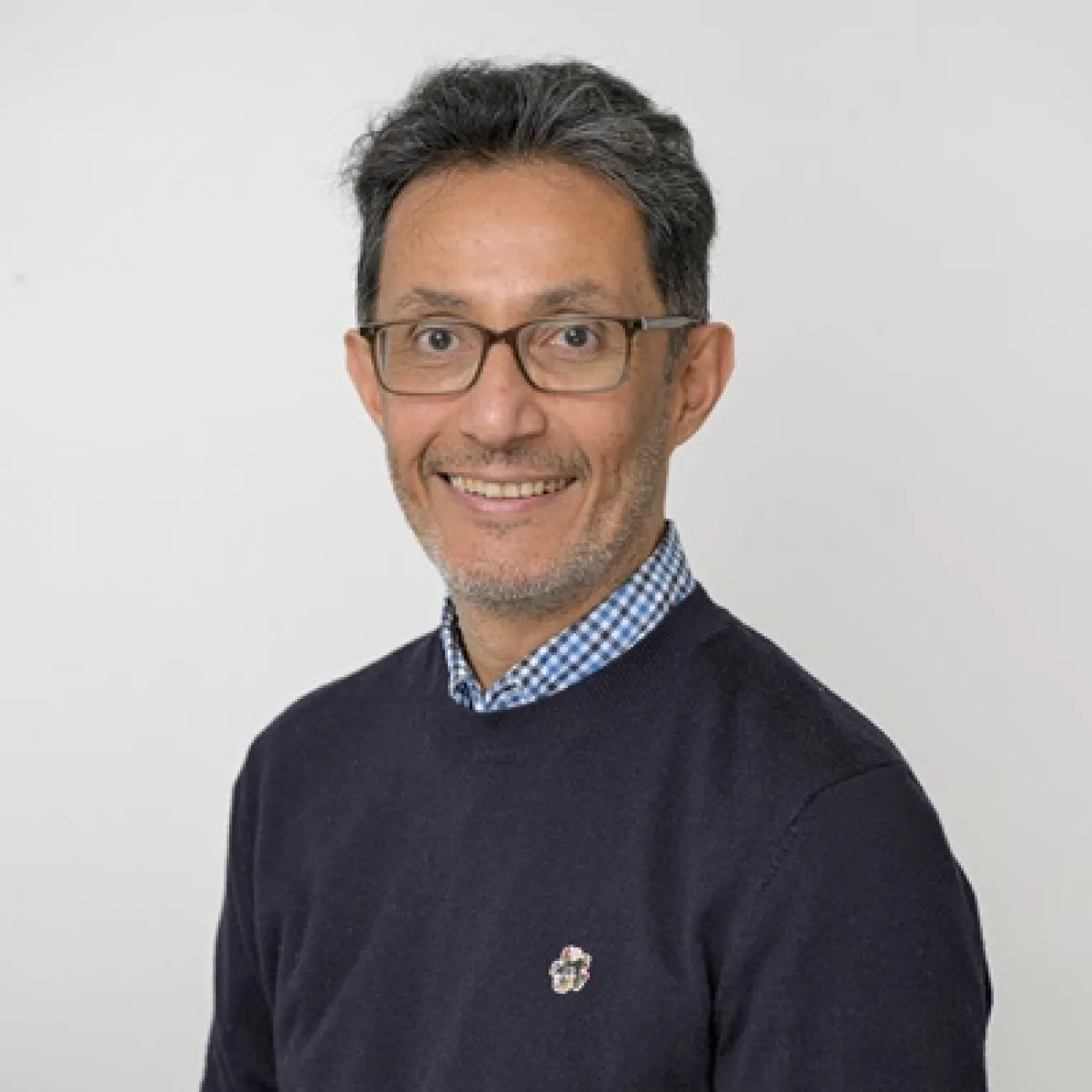
Dr Robert Hughes is a Clinical Assistant Professor at the London School of Hygiene & Tropical Medicine's Department of Population Health. With dual expertise in clinical medicine (University of Bristol) and public health (Harvard School of Public Health), he bridges academic research with policy implementation. Faculty of Epidemiology and Population Health Research focus on urban early childhood development in LMICs and climate change impacts on child wellbeing His work combines epidemiology , climate change analysis, and social policy research, particularly examining urban health dynamics in Sub-Saharan Africa. Recent publications address climate-sensitive health outcomes in Kenya, AI applications in knowledge sharing, and pandemic childcare disruptions in Nairobi slums. Scientific contributions include: Investigating decarbonization health impacts in global cities Developing nurturing care frameworks for urban childcare Advocating for child-centered climate governance Key awards include the Albert Schweitzer Award (2011) and Kennedy Scholarship to Harvard (2010). He teaches epidemiology to 60-70 students annually and contributes to environmental health policy modules.
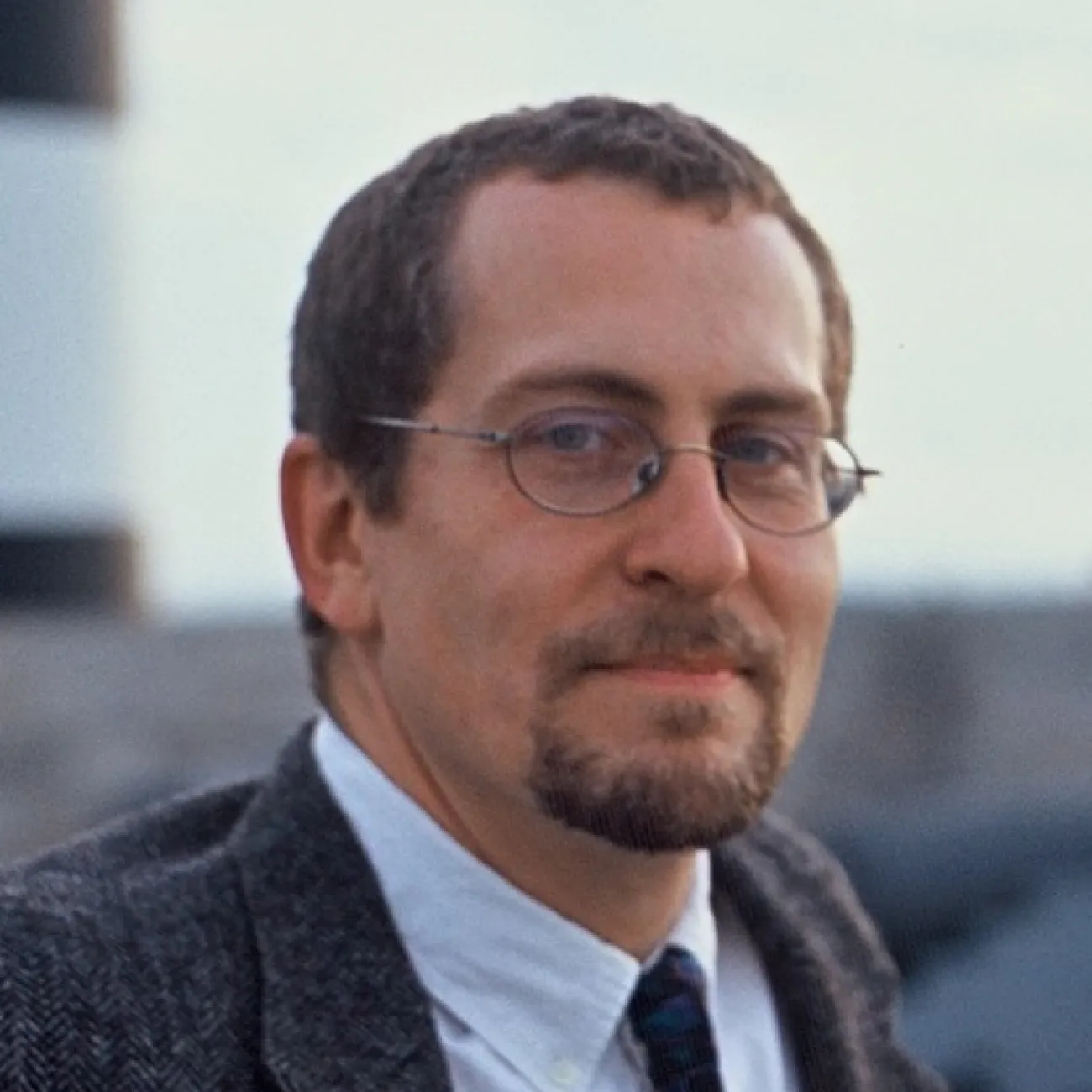
Denny Yu is an Associate Professor at the Edwardson School of Industrial Engineering, Purdue University. His work bridges human factors, neuroergonomics, and healthcare safety through advanced sensor systems and AI. Primary Affiliation : Edwardson School of Industrial Engineering, Purdue University Research Themes : Surgical ergonomics, autonomous vehicle human factors, cognitive workload assessment, multimodal physiological sensing Dr. Yu's research focuses on neuroergonomics and human-robot interaction , particularly in surgical and transportation contexts. His team develops sensor-based systems for workload monitoring, including: EEG-eye tracking fusion for situation awareness Wearable exoskeletons for surgical posture support Computer vision tools for lifting task risk analysis Smart infusion pump usability frameworks AI-driven surgical coaching systems Recent publications emphasize deep learning applications in soft tissue deformation estimation and real-time adaptive systems for robotic surgery augmentation. His work spans both occupational health (veterinary surgeons, airport workers) and medical device innovation domains.
Ben Z. Stanger, M.D., Ph.D. is the Hanna Wise Professor in Cancer Research at the University of Pennsylvania's Perelman School of Medicine, with appointments in the Department of Medicine and Cell and Developmental Biology. He serves as Director of the Penn Pancreatic Cancer Research Center (PCRC) and is an active member of the Abramson Cancer Center, Institute for Diabetes, Obesity and Metabolism, Institute for Medicine and Engineering, and Institute for Regenerative Medicine. His laboratory is housed in the Biomedical Research Building II/III on the Penn campus in Philadelphia. Education: SB (Life Sciences) from Massachusetts Institute of Technology, 1988 MD and PhD (Genetics) from Harvard Medical School, 1997 Dr. Stanger's research focuses on pancreatic ductal adenocarcinoma (PDAC), which is poised to become the second leading cause of cancer death in the United States. His laboratory investigates how pancreatic tumors metastasize early in disease progression and identifies therapeutic vulnerabilities through studies of the tumor microenvironment, metabolism, cellular plasticity, and metastasis biology. His team employs genetically engineered mouse models that recapitulate human disease features, functional genomics, epigenetic analyses, and advanced in vitro culture systems. Analysis of Dr. Stanger's recent publications (2019-2024) reveals a consistent focus on pancreatic cancer biology with increasing emphasis on tumor immunology and therapeutic resistance mechanisms. His research has evolved from fundamental studies of tumor-stroma interactions toward more translational investigations of KRAS inhibition, immune microenvironment regulation, and cellular reprogramming in cancer. Recent work demonstrates how tumor plasticity drives resistance to immunotherapy and how metabolic adaptations allow cancer cells to survive nutrient-deprived conditions. Dr. Stanger maintains an active laboratory with diverse personnel including postdoctoral researchers, graduate students, research specialists, and administrative support. His lab has published in high-impact journals including Nature Communications, Cancer Discovery, Cancer Research, and Science. In addition to his research, Dr. Stanger has authored the book "From One Cell: A Journey into Life's Origins and the Future of Medicine" which explores embryonic development through the lens of scientific history. Research Team: Principal Investigator: Ben Stanger, MD, PhD Research Specialists: Chenghua Yang (Lab Manager), Lily Watson (Assistant Lab Manager) Research Coordinator: Sean O'Connor Postdoctoral Researchers: Austin Good, Cole Edwards, Feiyan Mo, Minh Than Graduate/Post-Graduate Students: Erin Hollander, Benjamin Kahn, Jayne McDevitt, Margo Orlen, William Sullivan, Jane Xie Undergraduate Researcher: Shreya Nair Executive Administrator: Fran Tucker
Nicole Westmarland is a Professor in the Department of Sociology at Durham University and Director of the Durham Centre for Research into Violence and Abuse (CRiVA). Her work focuses on male violence against women, policy reform, and global advocacy for gender-based violence prevention. She has led over thirty research and consultancy projects, influencing initiatives like the HM Government Stern Review and the Home Office Coordinated Prostitution Strategy. Current affiliation: Durham University (School of Applied Social Sciences, Department of Sociology) Teaching: MSc Criminology and Criminal Justice, Violence and Abuse module Her research spans sexual violence, domestic abuse, gender dynamics, and policy evaluation , with recent publications addressing pandemic adaptations in perpetrator programs, policing strategies for coercive control, and pedagogical innovations for social change. Her 2015-2025 publications highlight interdisciplinary collaborations across criminology, social work, and law. Scientific honors include advisory roles for the House of Commons Joint Committee on Human Rights (2014-15), the Association of Chief Police Officers (2012-15), and the Government’s Victims of Violence and Abuse Prevention Project. She chairs CRiVA’s Expert Group and advocates for academic research driving real-world social change . Westmarland supervises PhD researchers such as Amy Richards, Fernanda Chacon-Onetto, Holly Dustin, Julia Guy, and Lihan Miao , while leading initiatives like Project Mirabal and the End Violence Against Women Coalition collaborations.
Ariel Chan is an Associate Professor in the Department of Chemical Engineering and Applied Chemistry at the University of Toronto, Faculty of Applied Science and Engineering. She is cross-appointed to the Institute for Studies in Transdisciplinary Engineering Education & Practice (ISTEP) and serves as the Principle Investigator of the Re-Engineering Education (Re3) Research group. Ph.D. in Chemical Engineering from Queen’s University Postdoctoral Fellowship at Agriculture Canada Registered Professional Engineer (P.Eng.) in Ontario Her research focuses on three domains: Assisted-Learning Technology (VR/AR and virtual labs), Data Analytics for Student Success (machine learning and language complexity analysis), and Sustainable Laboratory Practices (Life Cycle Analysis in biodiesel production and nutritional initiatives). She has developed over 40 inquiry-based lab projects and a virtual lab tour with immersive safety training. Recent trends in her publications include integrating VR/AR for remote experimentation , data science for equity in education , and sustainable chemical processes . Her work often combines chemical engineering principles with pedagogical innovation. Scientific Awards Northrop Frye Award (2023) Bill Burgess Teacher of the Year Award (2023) Wighton Fellowship (2022) Diran Basmadjian Teacher of the Year Award (2019) Dean’s Emerging Innovation in Teaching Professorship (2018-2021) Technology Enhanced Active Learning (TEAL) Fellowship (2018-2021) NSERC Postdoctoral Fellowship (2009-2011) Chan accepts graduate students and leads the Unit Operations Laboratory modernization project, emphasizing accessible, inclusive, and sustainable education through immersive technology and data-driven curriculum design.
Michael J. Larson is a Professor of Psychology in the College of Family, Home, and Social Sciences at Brigham Young University (BYU), where he directs the Clinical Cognitive Neuroscience and Neuropsychology (CCNN) Lab. His research integrates neuropsychology and cognitive neuroscience methodologies to investigate cognitive control mechanisms in healthy individuals and cognitive dysfunction following traumatic brain injury (TBI). He employs advanced techniques including event-related potentials (ERPs) and functional magnetic resonance imaging (fMRI) to examine neural correlates of cognitive processes. Dr. Larson's research program has four primary aims: (1) Investigating behavioral and neural reflections of cognitive control using ERP/fMRI; (2) Understanding lifespan developmental trajectories of cognitive control in neurologic insult or psychopathology (TBI, autism, depression); (3) Examining cognitive control's role in exercise and food-related behaviors including obesity; (4) Determining psychometric properties of biological measures for clinical application. His work spans traumatic brain injury recovery, exercise cognition, food inhibitory control, and psychopathology-neurocognition interactions. His publication trends reveal strong focus on methodological rigor in psychophysiology, with recent articles emphasizing ERP reliability across paradigms, preregistration practices, and multiverse analysis approaches. Key research domains include TBI rehabilitation (particularly via photobiomodulation and HRV biofeedback), sex differences in concussion mechanisms through the LIMBIC MATARS Consortium, and neural markers of food-related inhibitory control. Editor-in-Chief, International Journal of Psychophysiology (2016-Present) Top-Cited Scholar for Scientific Field (2019) Martin B. Hickman Innovation in Teaching Award (2018) University Young Scholar Award (2015) College Outstanding Young Alumnus, University of Florida (2014) Dr. Larson mentors students through the BYU Chapter of the Association of Neuropsychology Students and Trainees (ANST) and collaborates extensively with Dr. Tricia Merkely, Dr. Derin Cobia, and Dr. Shawn Gale on clinical neuropsychology training. His lab emphasizes rigorous methodology and psychometric validation, contributing significantly to standards in electrophysiological research through editorial leadership and methodological publications.
Dan Durrant is a Lecturer in Infrastructure Planning at The Bartlett School of Planning, University College London. He has held this position since 2016, with a temporary break from 2019 to 2022 when he was a Humboldt Foundation Fellow at the Integrative Research Institute on Transformations of Human-Environment Systems (IRI THESys) at the Humboldt University in Berlin. His educational background includes: PhD in 'The role of civil society in mega-transport project decision-making: the case of the proposed high-speed rail connection, High Speed Two (HS2)' from University College London (2016) MSc in Spatial Planning from University College London (2011) MA in Community Economic Development from Anglia Ruskin University (2006) BSc(econ) in Social Anthropology from University of Wales, Swansea (1997) Durrant's research focuses on infrastructure planning, the role of civil society in planning processes, mega infrastructure projects, and configuring infrastructural systems for a post-growth future. His work spans housing governance, deliberative democracy in infrastructure management, and the future of the internet. He has conducted comparative research on infrastructure planning and opposition in the UK and Germany. He leads the Post-Growth Planning research cluster examining how planning can adapt to a post-growth economy when economic growth cannot be sufficiently decoupled from ecological impacts. His recent publications reveal a strong trajectory toward post-growth planning frameworks, with numerous articles exploring the relationship between infrastructure systems and economic paradigms. His 2025 work 'What killed HS2?' analyzes political dynamics of major infrastructure, while his 2025 'Planning for Degrowth' series examines urban transitions in shrinking contexts. Much of his research investigates how planning practices might be reconfigured for sustainability beyond traditional growth models. His notable recognition includes: Humboldt Foundation Fellowship at Humboldt University in Berlin (2019-2022) Durrant coordinates three modules in the Infrastructure Planning Appraisal and Development MSc programme: Critical Issues in Infrastructure Funding and Finance, Infrastructure Planning Policy and Consent, and Major Infrastructure Planning Practice. At undergraduate level, he coordinates the 3rd Year Urban Project Management module. His teaching directly reflects his research interests in sustainable infrastructure development and post-growth planning paradigms, emphasizing practical applications of theoretical frameworks. He leads the Post-Growth Planning research cluster at The Bartlett School of Planning, which serves as an interdisciplinary hub examining planning practices beyond traditional growth paradigms. This cluster facilitates collaboration across disciplines to address the ecological and social challenges of transitioning to sustainable urban development models.
John H. Mace serves as Professor and Chair of the Psychology Department at Eastern Illinois University, concurrently holding a professorship in Aging Studies (Gerontology). Based in Klehm Hall, Charleston, his contact email is jhmace@eiu.edu. His research centers on autobiographical memory systems , specifically: Involuntary vs. voluntary memory recall mechanisms Organization principles of autobiographical memories Semantic-to-autobiographical priming under varied conditions (non-verbal cues, subliminal stimuli, cue repetition) Functional purpose of involuntary memories Methodological innovations in diary-based memory research Recent publications (2023-2024) demonstrate rigorous experimental approaches examining how semantic cues trigger autobiographical memories, revealing critical insights about memory accessibility thresholds and unconscious processing. His work bridges cognitive psychology with consciousness studies through innovative paradigms like vigilance tasks and subliminal stimulation protocols. Dr. Mace maintains active teaching responsibilities for Cognitive Psychology and Human Memory courses while leading departmental operations. His public profile includes media recognition as the 82-year-old Boston Marathon qualifier in 2020, featured across eight media outlets including The Boston Globe .
Professor Aymen Al-Shamkhani is a leading immunologist at the University of Southampton within the School of Cancer Sciences and the Centre for Cancer Immunology . His research focuses on Cancer Immunotherapy , Immunobiology of costimulatory receptors , and Immunostimulatory antibodies . Investigating receptors and signaling pathways regulating T cell responses Developing antibody therapies for anti-tumour immunity Studying CD8 T cell differentiation and tumor immune evasion His recent publications highlight trends in immunotherapy mechanisms , antibody engineering , and T cell activation strategies . Current projects include collaborations with Cancer Research UK , Verastem Inc , and Blink Biomedical . He supervises PhD students such as Samuel Tong , Yuao Sun , and Lucy Wilkinson . External roles include reviewing for Frontiers in Immunology and serving on Cancer Research UK committees.
Professor Jim Anderson, BA (University of Georgia), PhD (Stony Brook University), is a Professor of Mathematics at the University of Southampton within the School of Mathematical Sciences. His research focuses on hyperbolic geometry, Kleinian groups, and automorphism groups on Riemann surfaces, with ongoing projects examining Schottky groups and skeletal signatures. BA in Mathematics, University of Georgia, 1986 PhD in Mathematics, Stony Brook University, 1991 Jim’s research spans hyperbolic geometry and geometric group theory, particularly investigating Kleinian groups, their limit set intersections, and automorphism groups on surfaces. His work bridges classical geometric problems with modern applications in topology and network theory. His publications highlight trends in hyperbolic 3-space dynamics, skeletal signature classification, and geometric theorems adapted to non-Euclidean contexts. These contributions intersect with moduli space analysis and topological optimization. Principal Fellow of the Higher Education Academy (PFHEA) Jim supervises PhD students like Luke Waite and has secured EPSRC funding for projects on mapping class groups and subgroup counting. He developed the Hyperbolic Geometry module and currently teaches MATH3033 Graph Theory.
Dr. Charlotte Steenbrugge is a Lecturer in Medieval Literature at the School of English, University of Sheffield . She specializes in medieval English drama, interregional comparisons of Dutch and French drama, and the relationship between sermons and theatrical performance. PhD from University of Cambridge (2009) Former Marie Curie Fellow at Bristol and Toronto Vice-Chancellor’s Fellow at Sheffield (2015–present) Her research explores historical scepticism in medieval texts and the didactic aims of drama versus sermons. Recent work focuses on theatricality, authority, and audience engagement in medieval performances. She supervises PhD students in medieval literature and teaches undergraduate and postgraduate modules on medieval English language and literature. Scientific contributions include publications on moral plays, biblical adaptations, and comparative studies of the Vice/Sinnekens characters. She actively participates in medieval drama performance projects as a director and scholar.
Marco Colombo is a Lecturer in Fluid Mechanics at the Department of Mechanical Engineering, University of Sheffield, School of Mechanical, Aerospace and Civil Engineering. He joined the university in late 2021 and focuses on computational fluid dynamics (CFD) for multiphase flows in nuclear systems. BSc: Energy Engineering, Politecnico di Milano MSc: Nuclear Engineering, Politecnico di Milano PhD: Politecnico di Milano (2013) His research specializes in Thermo-fluid dynamics of multiphase flows , particularly nuclear thermal hydraulics , boiling heat transfer , passive cooling systems , and two-phase flow instabilities . He employs advanced CFD techniques, including Eulerian-Eulerian and LES models, to study bubbly flows and reactor cooling dynamics. Recent publications highlight his work on Morphology-adaptive multifluid CFD for bubbly flows Generalized multiphase modeling (GEMMA) for multiscale flows Benchmarking turbulence closures in nuclear reactor applications Frictional pressure drop correlations in helical tubes Scientific achievements include an EPSRC Fellowship to address gas-liquid flow regime modeling. Collaborators span institutions such as the University of Leeds and Politecnico di Milano.
Meng Cui is an Associate Professor in the Department of Electrical and Computer Engineering and Biology at Purdue University. He received his PhD in Physics from the University of Michigan at Ann Arbor and served as a Janelia Lab Head at Howard Hughes Medical Institute (2010–2015). His research focuses on neurophotonics and biomedical imaging, particularly on developing transformative technologies for deep brain imaging and multiscale neural interface. Current Affiliation: Purdue University Alumni Affiliation: Howard Hughes Medical Institute Education: PhD in Physics (University of Michigan at Ann Arbor) His research has received major NIH grants including the BRAIN Initiative U01 and R01 awards. Key inventions include the COMPACT (Clear Optically Matched Panoramic Access Channel Technique), Optical Gearbox, and GTAO (Geometric Transformation Adaptive Optics), which significantly advance deep tissue imaging and high-speed neural recording. His lab has produced 15+ high-impact publications in journals like Nature Methods , Nature Communications , and Optics Express , covering neurophotonic tools, adaptive optics, computational imaging, and wavefront engineering. Collaborations span institutions including UCSD, University of Michigan, and UT Southwestern. Scientific Awards: Purdue Faculty Scholar (2025), Hitachi High-Tech Best Presentation Award (2023), NIH Grants (2024–2019) Current Students: Jiaxuan Xu, Yuting Li, Hehai Jiang, Jianian Lin, Chenmao Wang, Shiyi Sun Notable Alumni: Lingjie Kong (Tsinghua), Jung-Hoon Park (UNIST), Reto Fiolka (UT Southwestern) The Cui Research Group operates in the Bindley Bioscience Center, emphasizing the synergy of teaching, research, and technology development. Recent projects include high-throughput imaging systems, ultra-low light videography, and whole mammalian brain neurophotonic interfaces.
Chadi Jabbour is a Professor at Institut Polytechnique de Paris , specializing in analog/digital converter design, communication system linearization, and flexible receiver architectures. He leads the Communication Circuits and Systems (C2S) team at the Information Processing and Communication Laboratory (LTCI) in the Communications and Electronics (Comelec) department.