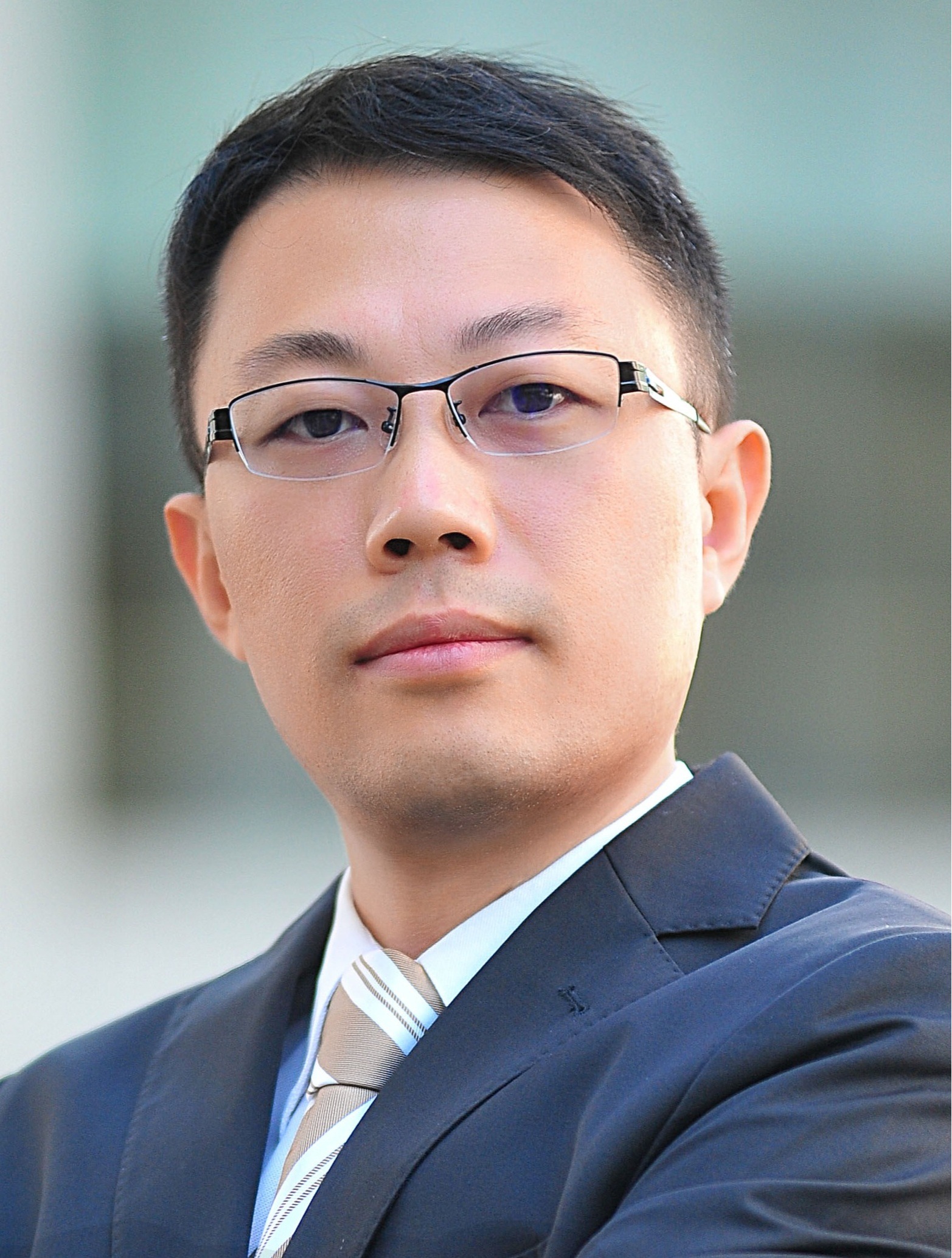
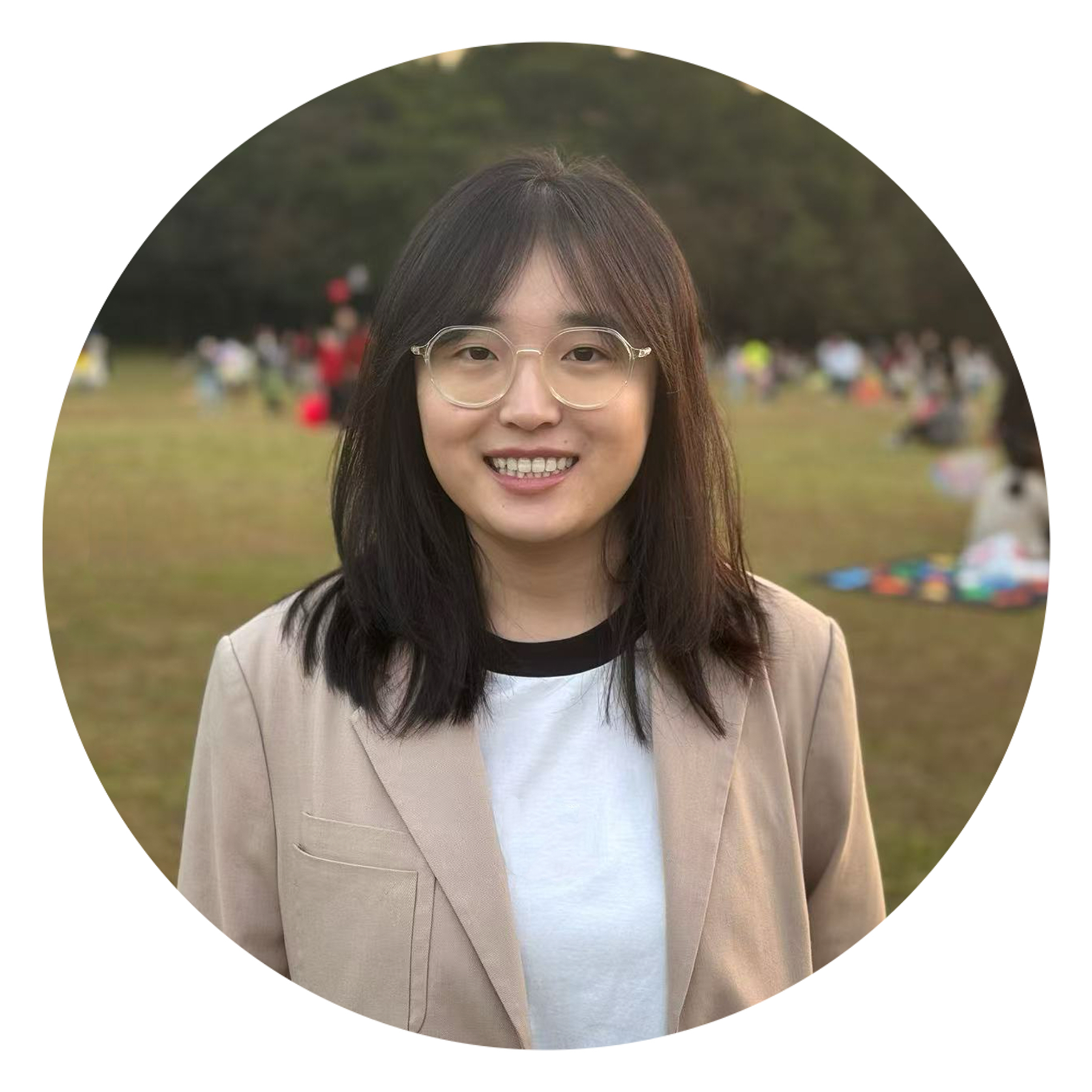
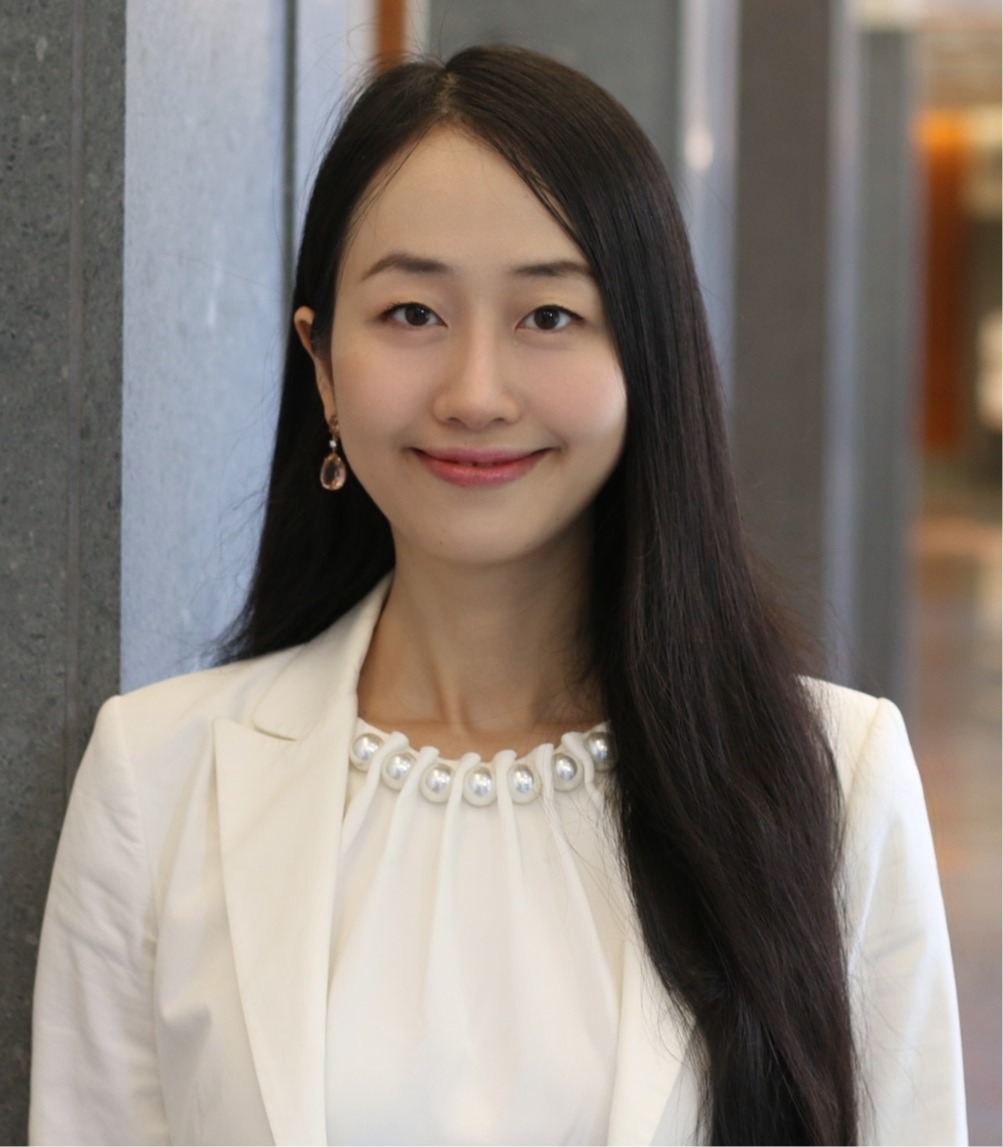
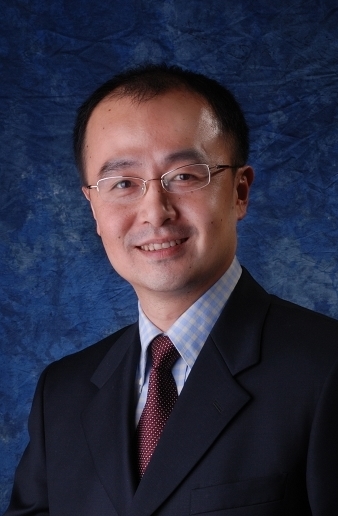
Lu Yi is a Professor at the Department of Economics, Tsinghua University School of Economics and Management , holding a CITIC Chair Professor since 2022. He is also Director of multiple research centers , including the Tsinghua University China Economic and Social Data Research Center and the Center for International Economics. A doctoral supervisor , he has guided students across institutions and academic programs. Lu Yi's education includes a BA from Fudan University's School of Life Sciences (1999) , an MA from Fudan University's School of Management (2003) , and a PhD from the University of Hong Kong's Faculty of Business and Economics (2007) . His research focuses on Chinese economy, public finance, and global economic governance , with particular emphasis on trade liberalization, institutional quality, and environmental policy. Key research areas : Trade policy impacts, productivity gains from trade, environmental regulation effects, and labor market responses to technological change Leadership roles : Editorial board member of American Economic Journal: Economic Policy , Co-Editor of China & World Economy , former Deputy Editor-in-Chief of Economic Journal Policy advisory : Expert for National Healthcare Security Administration's DIP payment system, National Council Member for Social and Economic Council His scientific awards span national and provincial levels , including the First Sun Shangqing Young Scholar Award , Pushan World Economics Outstanding Paper Youth Award , and multiple provincial social science achievement awards in Shandong, Liaoning, Zhejiang, Fujian, and Sichuan. His publications in top journals like the Journal of Public Economics , Review of Economics and Statistics , and Nature Climate Change demonstrate his influence in applied economics and policy research.
Hong Huaqing is a Professor and doctoral supervisor at the Corpus Research Institute of Shanghai International Studies University. He holds roles as honorary director of the Chinese Corpus Linguistics Research Association and international expert at Peking University's Education Development Center. Formerly, he worked at Nanyang Technological University (Singapore) in roles such as researcher at the Learning Research and Development Center and director of the e-Learning Center of the Lee Kong Chian School of Medicine. His research spans machine translation, natural language processing, corpus linguistics, and educational technology. He supervises master's and doctoral students, co-supervises postdoctoral researchers, and focuses on smart education driven by big data analysis and innovative learning ecosystems. Research emphasizes corpus-based methods applied to language education, including computational frameworks for student engagement, wearable sensors in learning analytics, and cross-linguistic rhetoric studies. His work bridges technological innovation (e.g., AI-driven tutorial systems) with pedagogical practice, addressing challenges in non-English language education and teacher training.
Wang Jianmin serves as Professor and Doctoral Supervisor at Tongji University's School of Art and Media, concurrently holding the position of Vice Dean since 2014. With a computer science PhD from Sun Yat-sen University, he bridges engineering and media arts through pioneering research in intelligent communication systems and digital media interfaces. His work focuses on human-centered design for emerging technologies, particularly in automotive and virtual environments. His academic foundation includes: PhD in Engineering (Computer Software and Theory), Sun Yat-sen University (2003) Master's in Computational Mathematics, Sun Yat-sen University (1999) Bachelor's in Computational Mathematics, Nankai University (1996) Professor Wang's research centers on intelligent communication systems and digital media art, with significant contributions to automotive human-machine interfaces (HMI), virtual reality applications, and user experience methodologies. His investigations into driver-robot transparency, augmented reality navigation, and mixed-reality educational platforms demonstrate interdisciplinary innovation connecting computer science, cognitive psychology, and design theory. Current projects explore AI-driven media systems for urban environments and safety-critical interaction frameworks. Analysis of his recent publications reveals a cohesive research trajectory focusing on automotive HMI (40% of output), human-robot interaction (30%), and mixed reality applications (30%). His work consistently emphasizes experimental validation through driving simulators and user studies, yielding practical design guidelines for industry implementation. The interdisciplinary nature spans computer science, cognitive ergonomics, and media studies, with increasing emphasis on AI integration in communication systems. His scientific recognition includes national and provincial awards for innovation in human-computer interaction and educational technology: 2019 China Industry-University-Research Innovation Award for automotive HMI systems 2020 China User Experience Alliance Excellence Award 2012 Guangdong Dingying Science and Technology Award Multiple national/provincial science progress awards (2001-2009) 2020 Tongji University Teaching Achievement Award for curriculum development As an educator, Professor Wang mentors graduate students in national design competitions including the 'Core Cup' Future Automotive HMI Challenge and International User Experience Innovation Competition. His research program is supported by substantial funding from diverse sources: National Grants: National Natural Science Foundation projects on driver behavior modeling and cognitive testing Ministry of Education: 15+产学合作 projects for virtual simulation labs and curriculum development Shanghai Municipal: Publicity Department funding for smart city media research Industry Partnerships: Huawei (intelligent vehicle HMI), SAIC Motor (AR-HUD design), and automotive electronics firms He directs Tongji's Media Experiment and Practice Teaching Center and the All-Media Research Institute, leading teams developing virtual simulation platforms for emergency news reporting, intelligent vehicle interaction testing systems, and mixed reality educational tools. Current initiatives focus on AI-enhanced media art for urban applications and next-generation HMI frameworks for autonomous mobility solutions.
Liu Shan is a Professor in the Department of Radio and Television at Tongji University's School of Art and Media, serving since 2002 with a PhD in Modern and Contemporary Literature from Fudan University. His international academic engagements include visiting positions at City University of Hong Kong, University of Illinois at Urbana-Champaign, and University of Utah under China's Ministry of Education program. His educational trajectory features: Postdoctoral Fellowship, Journalism & Communication, Fudan University (2000-2002) PhD in Modern & Contemporary Literature, Fudan University (1997-2000) MA in Literature & Aesthetics, Xiamen University (1994-1997) BA in Chinese Language & Literature, Hunan Huaihua University (1989-1992) Specializing in media culture and new communication's societal impact , his research examines audience psychology, media representation, and cultural identity formation. Key contributions include analyzing WeChat public spheres, hip-hop subcultures, and historical media narratives, consistently bridging traditional scholarship with digital age phenomena through rigorous textual and audience analysis. His 15 most recent publications (2006-2021) reveal evolving focus from foundational media theory to contemporary digital culture, with increasing attention to Chinese social dynamics. Early works address news reform and audience theory, while recent studies tackle WeChat public life, cosmetic surgery commodification, and underground hip-hop, demonstrating methodological versatility across historical analysis, ethnography, and critical discourse studies. Major recognitions include: Shanghai Philosophy & Social Sciences Award (2006 monograph) Shanghai Academic Year Conference Excellent Paper Awards (2006, 2007) Tongji University 'Famous Course & Excellent Teacher' (2015) Multiple Excellent Thesis Supervisor Awards (2006-2022) 14th Shanghai College Student TV Festival Instructor Award (2021) As Master's Supervisor, he has mentored numerous students evidenced by eight Tongji University thesis awards (2006-2022). His research is funded by National Art Science projects ('Television Audience Theory Research') and Ministry of Education key initiatives ('Contemporary Art Practice & Cultural Competitiveness'). He serves as Editor-in-Chief of Media Criticism and SSCI journal reviewer for CSMC, while contributing to academic governance as Ministry of Education Degree Committee expert. He actively participates in the School's Omnimedia Research Institute and Media Experiment Teaching Center, collaborating with the University Film & Television Association's Media Culture Committee to advance China's media studies landscape through conferences and publications.
Dr. Mei Nan is an Associate Professor in the Department of Communication at Tongji University's School of Art and Media. With a career spanning since 2004, she previously held positions at Chang'an University before joining Tongji in 2017. Her academic credentials include a Master's from Shaanxi Normal University, postgraduate studies at Communication University of China, and ongoing doctoral research at Xi'an Jiaotong University's School of Economics and Finance. Research Expertise Her research bridges media economics, AI-driven communication paradigms, and film studies, with specific focus areas including: Media economics and corporate governance interactions Artificial intelligence's impact on communication theory Film/audiovisual language analysis Media culture evolution Marketing models in digital ecosystems Teaching Portfolio Dr. Nan teaches both undergraduate courses ( Audiovisual Language, Chinese/Foreign Film History, Media Culture, Chinese Film Appreciation ) and graduate seminars ( Intelligent Communication Theory and Practice ). Her pedagogical approach integrates contemporary media developments with theoretical foundations. Awards and Grants Tongji University Hongda Award (2021) Tongji Cup General Education Course Paper Competition Teaching Teacher Excellent Organization Award (2021) Principal Investigator: Shanghai Philosophy and Social Science Planning Project (2018BGL025) studying media impact on corporate recovery
Liu Hongmei is a Researcher and Master's Supervisor at Southern University of Science and Technology's Department of Biomedical Engineering. Holding a Ph.D. from the Chinese Academy of Sciences, she specializes in micro-nano robotics and tissue engineering for tumor therapy, with over 66 publications and 12 patents. Her work bridges biomedical engineering and nanotechnology for precision cancer treatments. B.S., Biological Sciences, Harbin Normal University (2005) M.S., Botany, Northeast Agricultural University (2008) Ph.D., Biochemical Engineering, Chinese Academy of Sciences (2015) Her research focuses on biomaterials engineering , nanoparticle drug delivery , and microenvironment-responsive hydrogels . Key areas include glioma therapy, traumatic brain injury recovery, and intervertebral disc degeneration treatments. Recent work explores pH/ROS/inflammation-triggered hydrogels and bioengineered bacteria for disease modulation. Article trends show a strong emphasis on nanoparticle design (2014-2025) for glioma, hydrogel development (2017-2025) for tissue repair, and biomimetic material synthesis (2023-2025) inspired by spider silk and meniscus structures. Sub-fields span pyroptosis inhibition, epigenetic reprogramming, and microbiome engineering. Jiangsu Science and Technology Award (2020) Jiangsu Medical Science and Technology Award (2020) Jiangsu Educational Science Research Award (2021) Chinese Medical Doctor Association's Outstanding Young Scientist (2018) Liu has supervised numerous projects including National Natural Science Foundation of China grants, Jiangsu Province Key R&D Program funding, and Shenzhen City General Projects. She holds 12 Chinese invention patents and collaborates with institutions like the UNESCO Centre for Higher Education Innovation.
Dr. Xiong Yi is an Assistant Professor at the School of System Design and Intelligent Manufacturing (SDIM) at Southern University of Science and Technology (SUSTech) in Shenzhen, China. He leads the Computational Design and Fabrication (CoDeFab) research group, focusing on the integration of computational design methods with advanced manufacturing technologies, particularly in the field of additive manufacturing. Dr. Xiong has established himself as a leading researcher in computational design for additive manufacturing, with a strong international research background spanning Europe and Asia. Dr. Xiong's educational journey includes: Doctor of Science (DSc) in Engineering Design and Production from Aalto University, Finland (2012-2016) Master of Science (MSc) in Machine Automation from Tampere University of Technology, Finland (2010-2012) Bachelor of Engineering (BEng) in Mechanical Engineering from Hubei University of Technology, China (2006-2010) Dr. Xiong's research primarily focuses on computational design and fabrication methodologies, with particular emphasis on design for additive manufacturing (DfAM), intelligent manufacturing systems, and smart materials. His work bridges the gap between theoretical design principles and practical manufacturing constraints, developing novel approaches for the production of complex engineered products. He has pioneered research in continuous fiber-reinforced composite additive manufacturing, developing innovative process planning and optimization techniques that enable the production of high-performance structural components. His research in electrothermally controlled origami and 4D printing of smart materials represents cutting-edge work at the intersection of materials science, mechanical engineering, and computational design. Dr. Xiong's recent publications reveal a strong focus on continuous fiber-reinforced composites, with significant contributions to 4D printing, metamaterials, and intelligent process planning. His work integrates computational design with manufacturing constraints, creating novel approaches for topology optimization, toolpath planning, and structural design that consider both performance requirements and manufacturability limitations. The research demonstrates increasing sophistication in materials science applications, particularly in programmable materials and multi-functional structures. Dr. Xiong has received multiple prestigious awards for his research contributions, including: Best Presentation Award at the 24th Chinese Conference on Mechanisms and Machine Science (IFToMM CCMMS2024) Best Presentation Award at the International Conference on Frontiers of Additive Manufacturing Research (RAAM 2024) Best Paper Award at the International Conference on Design for 3D Printing (ICD3DP 2023) PhD Scholarship from Aalto University (2016) Research Travel Grant from the International Association for Vehicle System Dynamics (IAVSD) (2013) National Scholarship from the Ministry of Education (2008) As a dedicated educator and mentor, Dr. Xiong serves as a PhD supervisor at SUSTech and has successfully guided students who have gone on to pursue advanced studies and careers at prestigious institutions including Hong Kong Polytechnic University, Beihang University, DJI Innovations, and Singapore's A*STAR research institute. His research is supported by multiple competitive grants, including key projects from the National Key R&D Program of China, the National Natural Science Foundation of China, and provincial and municipal funding agencies. Dr. Xiong also serves on the editorial board of the Journal of Engineering Design and as a guest editor for Composites Communications, contributing to the advancement of his field through scholarly service. Dr. Xiong leads the CoDeFab research group, which maintains a strong collaborative culture focused on 'design leading manufacturing, manufacturing driving design, and digital-intelligent integration.' The group has developed several advanced manufacturing platforms, including multi-axis continuous fiber-reinforced composite additive manufacturing systems, smart composite additive manufacturing platforms, and multifunctional soft matter open manufacturing platforms. With a focus on practical applications and innovation, the CoDeFab group actively collaborates with industry partners and has established a joint laboratory to bridge academic research with industrial implementation.
Kun An is a Professor at the Department of Traffic Information and Control Engineering within the College of Transportation Engineering at Tongji University. She has previously held academic positions at Monash University (Senior Lecturer, 2018–2019; Lecturer, 2016–2018) and conducted postdoctoral research at the University of Illinois at Urbana-Champaign (2015–2016) and The Hong Kong University of Science and Technology (2014–2015). Her academic journey includes a PhD in Civil Engineering from HKUST (2014) and a Bachelor's degree from Tongji University (2009). PhD: Civil Engineering, The Hong Kong University of Science and Technology (2014) Bachelor's: Transportation Engineering, Tongji University (2009) Dr. An specializes in intelligent transportation systems, focusing on optimizing complex traffic networks, characterizing traveler behavior in stochastic environments, and advancing electric vehicle sharing infrastructure. Her research spans urban transit planning, carsharing logistics, battery electric bus deployment, and real-time traffic signal optimization, with applications to mitigate rail disruptions and enhance multimodal connectivity. Her publications emphasize solving transport challenges through stochastic programming, game theory, and behavioral analysis. Key themes include autonomous vehicle integration, demand uncertainty modeling, and sustainable mobility solutions. Awards include the Hong Kong PhD Fellowship and multiple best paper recognitions. Hong Kong PhD Fellowship (2010–2014) TRBADB30 Best Paper Nomination (2014) Best Paper at 18th Hong Kong Transportation Annual Meeting (Second Author, 2013)
Fang Kong is an Assistant Professor in the Department of Statistics and Data Science at the Southern University of Science and Technology (SUSTech). He earned his PhD in Computer Science from Shanghai Jiao Tong University under the supervision of Prof. Shuai Li and received his Bachelor's degree in Software Engineering from Shandong University. Education: PhD in Computer Science, Shanghai Jiao Tong University (2020-2024) Bachelor's Degree in Software Engineering, Shandong University (2016-2020) Dr. Kong is broadly interested in developing theoretically guaranteed algorithms for sequential decision-making problems, with particular focus on multi-armed bandits and reinforcement learning, as well as their applications in online experimentation and recommendation systems. His research spans theoretical foundations of bandit algorithms, matching markets, influence maximization, and online learning under various feedback structures. He has made significant contributions to the understanding of best-of-both-worlds algorithms that perform well in both stochastic and adversarial environments. His publication record shows a strong trajectory of high-impact work in top-tier conferences including NeurIPS, ICML, ICLR, AAAI, WWW, and AAMAS. His research demonstrates expertise in theoretical machine learning with a focus on bandit algorithms, particularly in matching markets and sequential decision-making problems. His work often bridges theoretical guarantees with practical applications in recommendation systems and online experimentation. Scientific Awards: CCF Doctoral Dissertation Award in Agent and Multi-Agent Systems (2025) Baidu Scholarship (2024) National Scholarship for PhD students (2023, 2022) AAMAS Student Scholarship (2023) Microsoft Research Asia Excellence Award (2022) Dr. Kong actively mentors students at various levels, including PhD and Master's students at SUSTech, visiting students from other institutions, and undergraduate researchers. He serves as a reviewer for top machine learning conferences (ICLR, NeurIPS, ICML, WWW) and journals (IEEE PAMI, TMLR). His teaching includes graduate Machine Learning and undergraduate Artificial Intelligence courses at SUSTech.
Dr. Zicheng Su is a Distinguished Researcher at Tongji University's College of Transportation Engineering, specializing in intelligent transportation systems. He joined the university in July 2023 and maintains affiliations with the Department of Traffic Information and Control Engineering and the MAGIC research group. His work bridges transportation engineering and artificial intelligence to solve urban mobility challenges. Dr. Su's educational background includes: Ph.D. in Advanced Design and Systems Engineering from City University of Hong Kong (2018-2022) under Prof. Andy H.F. Chow Bachelor's degree in Transportation Engineering from Sun Yat-sen University (2014-2018) under Prof. Renxin Zhong His research centers on traffic flow modeling and adaptive control systems using reinforcement learning. Key contributions include hierarchical control frameworks for stochastic traffic networks, multi-intersection management solutions, and bus service reliability optimization through connected vehicle technology. His work integrates model-based and data-driven approaches to address real-world urban mobility problems. Analysis of Dr. Su's publications (2017-2023) reveals consistent focus on reinforcement learning applications in traffic control, with increasing emphasis on decentralized solutions and multi-agent systems. His work spans transportation journals (Transportation Research Parts B/C) and top AI conferences (AAAI), demonstrating interdisciplinary impact in both transportation engineering and machine learning domains. Dr. Su's scientific recognition includes: HKSTS Outstanding Student Paper Award (1st place, 2021) Outstanding Academic Performance Award, City University of Hong Kong (2021) Best Student Presentation Award at Zhejiang University Workshop (2020) Multiple scholarships including HKRGC Postgraduate Studentship (2018-2022) As part of the MAGIC research group at Tongji University, Dr. Su contributes to projects on traffic design, cooperative vehicle infrastructure, and smart urban mobility systems. The group has developed the MAGIC Dataset and practical demo systems for intelligent driving assistance and traffic management applications.
Chen Zhenhua is a Lecturer at Shandong University's School of Management, specializing in corporate governance and strategic management. He holds a PhD in Management and teaches core courses including Management, Corporate Strategic Management, Operations Management, and Business Decision-Making Simulation Sandbox. Education: PhD in Management Research Interests: Dr. Chen's scholarly work centers on corporate governance mechanisms and strategic adaptation in dynamic business environments. His investigations span related-party transactions, enterprise strategic modeling under economic transitions, and cross-national comparisons of independent director systems, with strong emphasis on empirical analysis of Chinese corporate practices. Publication Trends: His research output consistently addresses governance and strategy challenges in Chinese enterprises, featuring critical analysis of transaction economics (2005), strategic model evolution amid environmental shifts (2005), and institutional comparisons of director systems (2004). These works demonstrate practical applications bridging academic theory and corporate implementation. Awards: Second Prize of Shandong Provincial Teaching Achievement Award First and Second Prizes of Shandong University Teaching Achievement Award Excellent Instructor in the 7th “Challenge Cup” Shandong University Student Entrepreneurship Plan Competition Excellent Instructor of Shandong University Student Social Practice Activities First National Outstanding Experimental (Practical Training) Teacher Award Grants and Industry Engagement: Dr. Chen has secured provincial and ministerial research funding while providing extensive management consulting services. He has led strategic planning, corporate culture development, and management standardization initiatives for major enterprises including Hisense Group, Yankuang Group, and Shandong Xinhua Bookstore. His executive training programs have benefited dozens of companies across diverse sectors through tailored seminars on strategic management and operational excellence.
Yufeng Lin is an Associate Professor in the Department of Earth and Space Sciences at Southern University of Science and Technology's School of Science. He holds a B.S. in Geophysics from Wuhan University (2007), M.S. from Peking University (2010), and Ph.D. from ETH Zurich (2015), followed by postdoctoral research at the University of Cambridge. His research spans planetary dynamos , fluid dynamics of planetary interiors , and tidal interactions in exoplanetary systems . Key focus areas include magnetic field generation mechanisms, convection in rotating celestial bodies, and tidal dissipation processes. His work integrates theoretical modeling, numerical simulations, and experimental approaches to address fundamental questions about Earth and planetary evolution. Recent publications reveal strong trends in geomagnetic field analysis (using dynamic mode decomposition), Jovian system dynamics , and core-mantle interactions . His research consistently bridges geophysics and astrophysics, with increasing emphasis on computational methods for modeling complex fluid systems. IUGG SEDI Doornbos Memorial Prize (2022) National Special Expert (Youth) (2020) Pearl River Talents Plan Young Top Talent (2019) Swiss NSF Postdoctoral Fellowships (2014, 2016) Dr. Lin advises multiple graduate students (including J. Li and J.Y. Xu) and leads significant research initiatives including an NSFC Original Exploration Project (2023-2027) and a key sub-project in China's National Key R&D Program on Martian processes. His laboratory focuses on computational geodynamics and planetary fluid mechanics, with ongoing collaborations across international institutions.
Shan Li is a Tenured Associate Professor and Ph.D. supervisor at the Southern University of Science and Technology School of Medicine . Previously, she held professorships at Huazhong Agricultural University and leadership roles at Taihe Hospital's Institute of Infection and Immunity. Recipient of NSFC Excellent Young Scholars Fund (2023) Developed novel protein post-translational modification research chain (Arginine-GlcNAcylation/ADPR-deacylization) Her findings appear in Textbook of Rheumatology (10th Edition) Research Interests: Focuses on molecular mechanisms of pathogen-host interactions, particularly enteropathogenic E. coli , Salmonella , and Chromobacterium infections. Key discoveries include pathogen-mediated host inflammatory response regulation, bacterial anti-phage mechanisms, and novel programmed cell death pathways. Scientific Contributions: Developed commercializable research tools for arginine glycosylation studies. Published 20+ papers in high-impact journals (Nature, Molecular Cell, Science) with cumulative IF>300, H-index 16, and 3000+ citations. Pioneered structural analysis of bacterial effector-host complexes via cryo-EM. 2023 NSFC Excellent Young Scholar 2020 Hubei Outstanding Female Scientist award 2017 Chutian Scholar Program 2016 Hubei Natural Science Paper Prize
胡佳 is a Full Professor at Tsinghua University's School of Economics and Management and Schwarzman College, holding the Citigroup International Business Chair Professorship since May 2024. Previously, she served as a Tenured Full Professor at Ohio State University's Fisher College of Business (2022-2024) and achieved early tenure at the University of Notre Dame's Mendoza College of Business. Her academic journey includes a Ph.D. in Organizational Behavior and Human Resource Management from the University of Illinois at Chicago (2012), an MA in Human Resource Management from Renmin University (2007), and a BA in Business Administration from Central University of Finance and Economics (2005). Her research focuses on prosocial team leadership, remote work dynamics, gender diversity in leadership, and data science applications in organizational effectiveness . She investigates critical questions about leadership behaviors that enhance team health, factors motivating prosocial management behaviors, technological impacts on leadership efficacy, and work-family implications of remote work. Her work bridges theoretical rigor with practical applications through collaborations with organizations including McKinsey, BMS, IBM, Bank of America, Lenovo, and Vanke. Her publication portfolio includes over 30 articles in top journals like Academy of Management Journal and Journal of Applied Psychology , with more than 10,000 Google Scholar citations (i10-index=29). Her research has been featured in Forbes , Fortune , and TIME . Current publication trends emphasize digital work environments, gratitude interventions in leadership, and gender-inclusive leadership development , reflecting growing scholarly interest in post-pandemic work structures and ethical leadership. Elsevier Highly Cited Chinese Researchers (2024) Stanford University Top 2% Scientists (2024) AOM Leadership Division Mid-Career Standout Scholar Award (2023) SIOP Fellow (2023) Poets & Quants 40 Under 40 Professors (2021) Personnel Psychology Best Reviewer (2019) As a dedicated mentor, she has supervised doctoral students who now hold faculty positions at top US research universities. She currently serves as Associate Editor for Journal of Applied Psychology and Editor-in-Chief for Management and Organization Review , while sitting on editorial boards of premier journals including Academy of Management Journal and Personnel Psychology . Her industry collaborations span multiple sectors through evidence-based research partnerships. She leads executive education initiatives as former Academic Director of Leadership Center programs at Ohio State University and teaches leadership courses across Tsinghua's Global MBA, Schwarzman Scholars, EMBA, and doctoral programs. Her upcoming book 心性:女性管理者的8项自我修炼 (2025) integrates management and psychological research for practitioner audiences.
Zhang Mian is an Associate Professor at the Department of Leadership and Organizational Management within Tsinghua University School of Economics and Management . With a technical background in electronic engineering and academic expertise in organizational behavior, Zhang has held faculty positions since 2004 after completing postdoctoral research at Tsinghua University. Education: Bachelor of Engineering (Electronic Engineering) - Xi'an Jiaotong University (1993) Ph.D. in Management - Xi'an Jiaotong University School of Management (2002) Research Focus: Zhang's work systematically examines work-family balance , corporate culture , employee retention , and organizational-employee relations . Their studies incorporate complex mediation models, cross-cultural comparisons, and empirical analyses of managerial populations in China. Academic Contributions: Recent publications explore emotional mediators in work-family conflict, gender dynamics in managerial stress responses, and adaptive leadership frameworks. These works have appeared in journals like the Journal of Vocational Behavior and the International Journal of Human Resource Management since 2017. Academic Service: Zhang serves as: Editorial Board Member - Human Resource Management Review Special Issue Editor - Human Resource Management Review Reviewer for multiple top journals including Human Relations , Journal of Management Science , and Acta Psychologica Sinica Course Instruction: Teaches in Tsinghua's part-time MBA programs with courses on Human Resource Development and Management and Corporate Culture and Management . Also instructs in EMBA and Executive Education programs on Performance Management and Employee Motivation .