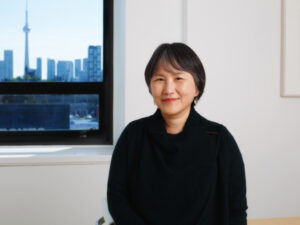
Eunjung Lee is a Professor and the Factor-Inwentash Chair in Mental Health & Health at the Factor-Inwentash Faculty of Social Work, University of Toronto, where she also serves as the Associate Dean, Academic. She holds a Ph.D. from Smith College. Her research focuses on cross-cultural psychotherapy, clinical practice in community mental health, and simulation-based learning in social work education. She critically examines policy discourses affecting immigrants and refugees under neoliberalism, challenging traditional notions of multiculturalism. Lee teaches clinical courses in the MSW program and social work theory at the doctoral level, emphasizing culturally responsive practice and social justice. Research & Grants Explores anti-Asian racism, youth cannabis use, and technology’s role in mental health for marginalized groups. Recipient of grants including the Simulation-Based Learning in Social Work Education and Global Research Network for Student Mental Health . Teaching & Leadership Chairs the MSW clinical curriculum and mentors students in critical practice. Advances equity through academic leadership and policy advocacy. Labs & Initiatives Leads the Inlight Initiative for student mental health. Pioneers digital simulation tools for culturally competent practice.
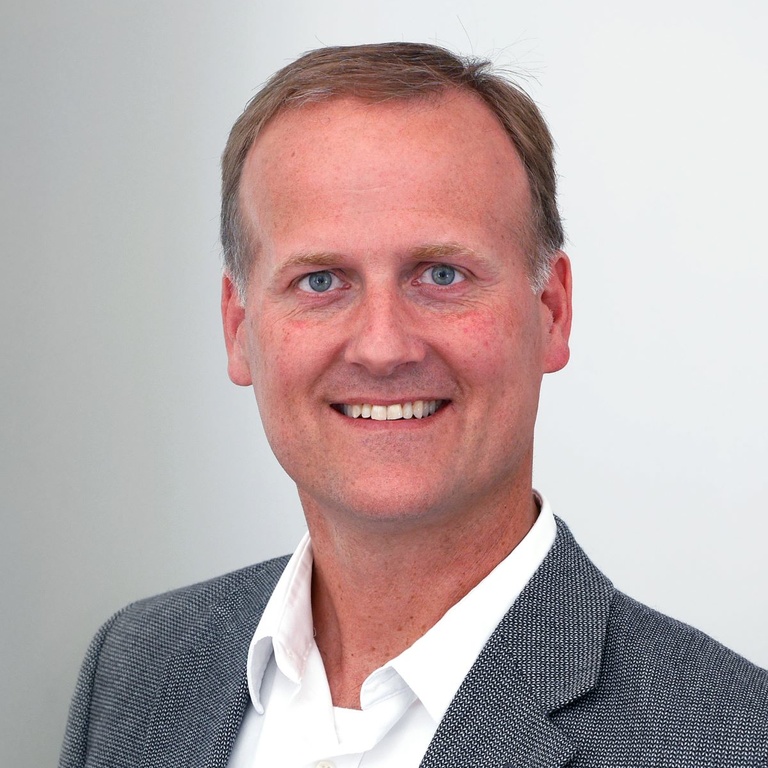
Julia Cramer is an Assistant Professor in the Department of Science Communication and Society at the Institute of Biology Leiden (IBL), Leiden University, with a joint affiliation at the Leiden Institute of Physics (LION). Her research focuses on the intersection of quantum science and technology with society, particularly through the lens of science communication, public engagement, and societal readiness. She leads the Quantum and Society research group and is actively involved in national and European initiatives on the Ethical, Legal, and Societal Aspects (ELSA) of quantum technology. PhD in Applied Physics, Delft University of Technology Member of the Dutch Physics Association (NNV) Co-founder of Women in Quantum Development (WIQD) Chair of the Young Academy Leiden (from 2023) Former member of the CBS communicatie-adviesraad Member of the Physics Scientific Advisory Board of the Lorentz Center Julia Cramer's research interests lie at the intersection of quantum technology and society. She investigates how quantum science is communicated to the public, how societal groups perceive quantum technologies, and how to foster inclusive and responsible innovation. Her work emphasizes broadening youth participation in STEM and enhancing diversity in quantum fields. She is passionate about making quantum accessible to non-expert audiences and ensuring that technological development aligns with societal values. Her recent publications reflect a strong trend in science communication, public perception, and societal integration of quantum technologies. Themes include measuring public attitudes, designing effective outreach interventions, promoting diversity, and addressing ethical implications. The research combines qualitative and quantitative methods to assess communication strategies and societal impacts. Casimir Prize (during PhD) Recognized as one of the Faces of Science by KNAW Julia Cramer supervises several PhD candidates and is involved in mentoring early-career researchers. She has led initiatives such as the Women in Quantum Development (WIQD) and contributes to national science policy through advisory roles. Her research is supported by collaborations with Quantum Delta NL and other European networks focused on responsible quantum innovation. She leads the Quantum and Society research group, which focuses on content analysis of quantum communication, developing attitude measurement tools, and evaluating the impact of public engagement interventions. The group collaborates with physicists, social scientists, educators, and policymakers to ensure a multidisciplinary approach to quantum-society integration.
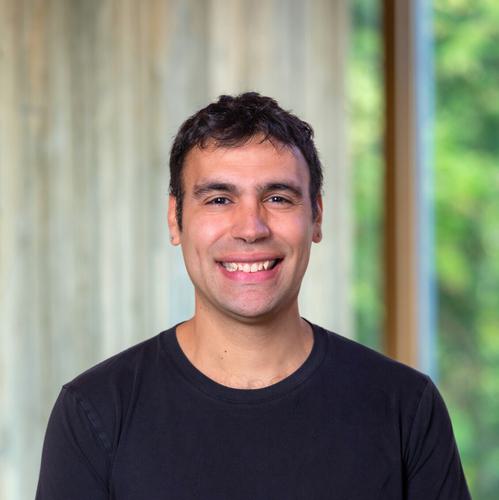
Craig L. Just holds the Donald E. Bently Professorship in Engineering and serves as a Professor in the Department of Civil and Environmental Engineering at the University of Iowa's College of Engineering. He also works as a Faculty Research Engineer at IIHR—Hydroscience and Engineering. With a PhD in Environmental Engineering and Science (2001) and an MA in Chemistry (1994), both from the University of Iowa and University of Northern Iowa respectively, his career spans over two decades of academic and practical contributions. Education: PhD, Environmental Engineering and Science, University of Iowa (2001) MA, Chemistry, University of Northern Iowa (1994) BS, Chemistry, University of Northern Iowa (1992) Dr. Just's research focuses on water quality monitoring through sensor technology, freshwater mussel biosensing , pharmaceutical contaminant removal , and PCB exposure analysis from dredging operations. His work bridges environmental engineering with ecological health and sustainable systems. Recent publications highlight trends in anaerobic digestion optimization , PCB emission characterization , and machine learning applications for biogas prediction. He has extensively studied constructed wetlands , nitrogen cycling , and flood risk mitigation in agricultural and urban contexts. As director of the Iowa Wastewater and Waste to Energy Research Program, he leads initiatives connecting bioremediation , smart infrastructure , and community engagement . His projects span from hydrological modeling in Iowa to international water programs in Honduras.
Reynaldo Romero serves as Associate Professor in the Department of History, Humanities and Languages at the University of Houston-Downtown, where he has maintained active teaching and research since at least 2012. His academic foundation spans linguistics, public health, and translation studies across multiple institutions. His educational background includes: Ph.D. in Spanish Linguistics from Georgetown University (Dissertation: Structural Consequences of Language Shift: Judeo-Spanish in Istanbul) M.P.H. in Community Health Practice from UTHealth (Dissertation: Beliefs on COVID-19 vaccination among Hispanic day laborers) M.A. in Translation from Kent State University Multiple B.A. degrees in French, General Linguistics, and Spanish Language/Linguistics from Rice University Romero's research creates critical intersections between linguistic theory and real-world applications. His work on Spanish for the Professions establishes frameworks for medical and legal interpreting while addressing systemic language access barriers. The scholarship on endangered languages—particularly Judeo-Spanish and Afro-Hispanic varieties—combines rigorous documentation with urgent revitalization efforts. His healthcare access research directly engages Houston's linguistic minorities through community-based projects like the Medical Translation Project with HISD. Recent publications reveal three dominant trajectories: (1) advancing methodologies in Afro-Hispanic linguistics through collaborative edited volumes; (2) developing social justice frameworks for marginalized language communities; and (3) documenting endangered linguistic varieties with innovative digital approaches. These threads converge in his community-engaged scholarship that bridges academic research and practical language access solutions. Professional recognition includes: Certified Translator status from the American Translators Association Advanced Professional Analytic Linguist certification Specialized medical and legal interpreter credentials Online teaching certification with digital tools specialization Romero's grant activity demonstrates sustained commitment to practical applications of linguistic research. Current projects include 'Promoting the Critical and Responsible Use of Digital Tools and AI in Written Tasks' (2024-2025), while past work developed medical interpreter training during disaster relief and language access protocols for healthcare settings. His service learning initiatives—like the Medical Translation Project with Houston ISD—create tangible community impact while advancing pedagogical innovation. Through the Medical Translation Project and language access advocacy, Romero cultivates collaborative spaces where academic research directly serves Houston's linguistic minorities. His work with heritage speakers and endangered language communities establishes frameworks for linguistic empowerment beyond traditional academic boundaries.
Professor Matthew Simpson is a leading figure in applied mathematics at the School of Mathematical Sciences, Faculty of Science, Queensland University of Technology (QUT). He holds the position of Professor of Applied Mathematics and is an Australian Research Council (ARC) Future Fellow, reflecting his sustained research excellence. His work bridges mathematical theory and biological applications, particularly in cell migration, tissue invasion, and multiscale modeling. BE (Environmental) Honours 1, University of Newcastle (1995–1998) PhD (with Distinction), Environmental Engineering, University of Western Australia (2000–2003) Research Fellow, Department of Mathematics and Statistics, University of Melbourne (2003–2006) ARC Postdoctoral Fellow, University of Melbourne (2006–2009) Lecturer (2010–2011) and Senior Lecturer (2011–2013), QUT Associate Professor (2013–2014), QUT Professor and ARC Future Fellow (2014–present), QUT Matthew Simpson’s research focuses on mathematical and computational modeling of biological systems , particularly collective cell motion, diffusion processes, and reaction-diffusion dynamics. His interests span multiscale modeling , random walk processes , cell biology , and numerical and computational mathematics . He develops and analyzes models to understand phenomena such as wound healing, cancer progression, and tissue engineering. His recent publications (2023–2025) demonstrate a strong trend toward integrating data-driven modeling , likelihood-based inference , and equation learning with traditional mechanistic models. These works emphasize parameter identifiability , uncertainty quantification , and prediction robustness in biological contexts. Themes include sharp-fronted wave propagation, mechanical cell interactions, tumor spheroid formation, and generalized diffusivity in food drying, showcasing the breadth and depth of his modeling expertise. Among his key accolades are: J.H. Michell Medal (2012) – Awarded by ANZIAM for distinguished research by an early-career applied mathematician in Australia and New Zealand. ARC Future Fellowship (2013–2017) – For the project 'New data-driven mathematical models of collective cell motion' (FT130100148). Professor Simpson has also played significant editorial and leadership roles, including: Executive Associate Editor, Journal of Engineering Mathematics Academic Editor, PLoS ONE Editorial Board Member, ANZIAM Journal Co-chair of the 2015 ANZIAM meeting He has supervised PhD students on topics such as moving boundary problems, first-passage times, stochastic simulations, and curvature-dependent growth in biological systems. His research projects have been funded by competitive Australian grants (ARC DP and FT schemes), including studies on 3D cell migration, ghrelin’s role in cell invasion, and epithelial-to-mesenchymal transition in cancer and wound healing. He is actively involved in developing computational tools for biological modeling and promoting best practices in scientific publishing.
Murali Mani is a Professor in the Department of Computer Science, Engineering, and Physics at the College of Innovation and Technology, University of Michigan-Flint. He is actively involved in teaching courses such as Database Design (CSC 384, CSC 584) and Independent Graduate Study in Computer Science (CSC 591), and serves as Principal Investigator on multiple research grants focused on computing education and data science. His research interests span database systems, data provenance, generative AI for data augmentation, computing education, and the societal impact of technology . He has developed educational tools including epidemiology calculators and market basket analysis modules to support interdisciplinary learning. His work emphasizes integrating computing skills across disciplines such as health sciences and management. The 15 most recent scholarly contributions reflect a strong focus on data management, AI-augmented data curation, educational technology, and the cognitive aspects of learning programming. These publications appear in venues such as VLDB, IEEE FIE, and ACM conferences, with several under review or in preparation for top-tier journals like Communications of the ACM and the VLDB Journal. Scientific Awards: No awards explicitly mentioned in the provided text. Advising and Grants: Murali Mani actively mentors students through independent graduate studies and collaborative research projects. He has secured funding from the National Science Foundation (SGER grant on provenance metadata) and internal university sources, including the CIT/CHS Joint Grant and the Office of Research at UM-Flint, supporting projects on civic literacy, computational skills integration, and AI for social science data archiving. Labs and Teams: While no formal lab name is mentioned, Murali Mani leads a research group focused on data systems and computing education, collaborating with colleagues across departments and institutions. He contributes to initiatives such as the Michigan Institute for Data & AI in Society (MIDAS) and the Academic Data Science Alliance (ADSA), and has presented at conferences including IASSIST, FIE, and ICCTAC.
Elise Lavoué is a full Professor in Computer Science at iaelyon School of Management, Jean Moulin Lyon 3 University, and a key researcher at the LIRIS laboratory (CNRS). She leads the SICAL research team and holds leadership roles including Editor-in-Chief of the STICEF journal, member of Labex ASLAN’s management committee, and member of the University of Lyon’s Research Ethics Evaluation Committee (CER-UdL). She is also affiliated with the ATIEF association. Her research focuses on enhancing motivation and engagement in digital learning environments through adaptive gamification, learning analytics, and human-computer interaction. She explores how tailored game elements, emotional awareness tools, and immersive technologies like virtual reality can support self-regulated learning, critical thinking, and skill development in complex digital contexts. Her recent publications span top journals such as IEEE Transactions on Learning Technologies, International Journal of Human-Computer Studies, Computers & Education, and CHI PLAY. These works reflect a strong trend in adaptive and personalized learning technologies, emotion-aware systems, and immersive training environments, particularly in educational and professional settings. Honorable Mention Award at ACM CHI PLAY 2019 (top 4%) Best Industrial Paper award at CSEDU 2020 Elise Lavoué actively supervises PhD students and post-doctoral researchers and leads multiple funded projects including LudiMoodle+, RENFORCE, Lex.gaMe, BODEGA, and Emoviz. These projects involve collaborations with institutions across France and focus on gamification, VR training, emotional dashboards, and vocabulary acquisition. She has secured funding from ANR, Labex ASLAN, CNRS, and other national bodies. Her work emphasizes interdisciplinary collaboration between computer science, education, and social sciences. She is involved in several research teams and labs, primarily the SICAL team within the LIRIS laboratory, a major interdisciplinary research unit in computer science, images, and information systems. Her projects often involve industry partners such as SpeakPlus and Woonoz, and she contributes to both scientific advancement and practical educational innovation.
Yuqing Wang is a Postdoctoral Researcher in the Department of Computer Science at the University of Helsinki, Finland, actively contributing to software engineering research with expertise in anomaly detection for microservices and test automation maturity. Contactable via yuqing.wang@helsinki.fi and phone +358505934630/+358294151310, Wang participates in major EU and Academy of Finland projects including LUMI AI Factory (2025-2028) and MuFAno (2023-2026). Research focuses on two interconnected domains: anomaly detection in cloud-native systems using meta-learning for cross-system log analysis and trace categorization, and test automation maturity assessment frameworks. Recent work pioneers datasets like LO2 for microservice API anomalies and tools like LogLead for integrated log processing, while earlier studies establish quantitative links between test automation maturity and product quality in open-source ecosystems. Publications reveal an evolving trajectory from foundational test automation maturity models (2018-2020) toward advanced AI-driven anomaly detection (2024-2025), with 2022-2023 bridging both domains through empirical studies on agile practices and maturity impacts. Current work emphasizes cross-system generalization and multimodal fusion for microservice reliability. No scientific awards are documented in available sources. Wang contributes to two significant grants: the EU Horizon Europe LUMI AI Factory developing AI service infrastructure (2025-2028), and the Academy of Finland MuFAno project advancing multimodal anomaly detection for microservices (2023-2026). These projects drive collaboration with industry partners on real-world system reliability challenges.
Prof. Dr. Christian Rathmann is a Professor for Sign Language Interpreting at the Institute of Rehabilitation Sciences , Humboldt University of Berlin. His academic journey includes prior roles at the University of Hamburg, University of Bristol, and The Ohio State University. PhD in Linguistics (2005), University of Texas at Austin MA in Linguistics (2000), University of Texas at Austin Research Interests : Rathmann specializes in sign language linguistics , focusing on morphosyntactic processes, semantics, and pragmatics. His work explores L1/L2 acquisition , multilingualism, language contact, and the implementation of the CEFR for sign languages . He also investigates Deaf Studies , discourse analysis, and language rights within international contexts. Scientific Contributions include publications on verb agreement, language standardization, and bilingual co-activation. His 2024 work on Signbank 2.0 and VisuoLab emphasizes digital resources for sign languages. Alexander von Humboldt Polish Honorary Research Scholarship (2016-2020) Professional Engagement : Rathmann serves on editorial boards (e.g., Frontiers in Psychology ) and scientific committees, including the SignON Project and the German Deaf Association . He advocates for early sign language access and language rights for deaf children.
Dr. Chiara Bertelli is a Lecturer in Biosciences at Swansea University within the Faculty of Science and Engineering, School of Biosciences, Geography and Physics. With over 15 years of experience in coastal and marine ecological surveys, she specializes in seagrass ecology and restoration, marine conservation, and habitat suitability modeling. Dr. Bertelli has extensive field experience including boat-based surveys, SCUBA diving, and snorkeling in both temperate and tropical environments. She is currently completing her PhD part-time focusing on environmental drivers of change in seagrass meadows in the UK and Brazil. Her educational background includes advanced training in marine biology with specialization in ecological survey techniques and data analysis using R and Primer. Her primary research focuses on seagrass ecology as nature-based solutions for climate change. She develops habitat suitability models to inform optimal locations for seagrass restoration, with applications in carbon sequestration (blue carbon) and marine biodiversity enhancement. Her work aligns with UN Sustainable Development Goals 13 (Climate Action) and 14 (Life Below Water). Analysis of Dr. Bertelli's recent publications (2020-2025) reveals a strong emphasis on practical applications of seagrass research to inform restoration efforts. Her work spans habitat suitability modeling, environmental stress responses, nutrient dynamics, and decision-support tool development. A significant portion addresses seed-based restoration techniques, ecosystem services, and the socio-ecological dimensions of marine conservation. Dr. Bertelli actively collaborates with external organizations including Project Seagrass, Sky Ocean Rescue, WWF, Natural England, and the National Oceanographic Centre. Her current ReSOW project aims to develop the CEEDS (Coastal Ecosystem Enhancement Decision Support) tool, an open-source platform to guide seagrass restoration practitioners. As an educator, Dr. Bertelli teaches several field-based marine biology courses including BIO260 Marine Biology Field Course, BIO327 Tropical Marine Ecology Field Course, and BIO346 Professional Skills in Marine Biology. Her teaching emphasizes practical, field-based learning and professional skill development for marine biologists, with a focus on survey techniques, data analysis, and environmental impact assessment. Dr. Bertelli is actively involved in research teams focused on marine ecosystem restoration and coastal management. Her work bridges academic research with practical conservation applications, working closely with government agencies, NGOs, and international research partners to translate scientific findings into actionable conservation strategies.
Mark C. Johnson is a Senior Lecturer at the Elmore Family School of Electrical and Computer Engineering at Purdue University, West Lafayette. He serves as Director of Instructional Laboratories and Associate Director for Design - Semiconductor Degree Program , overseeing laboratory infrastructure, CAD software administration, and curriculum development for courses like ECE337, ECE437, and ECE364. Education: Ph.D. in Electrical Engineering (1998), Purdue University M.S. in Electrical Engineering (1991), Wichita State University B.S. in Electrical Engineering (1983), Purdue University - Calumet His research focuses on electrical and computer engineering laboratory curriculum innovation , digital systems design , and CAD for VLSI . Over 15 recent publications highlight his work in SoC prototyping , low-power circuit design , and educational technology , spanning projects like FPGA filter optimization, dual-core processor experiments, and active learning strategies. Leadership Roles: Proceedings Chair (2003), MSE Program Chair (2005), MSE General Chair (2007), MSE Steering Committee Member, MSE & European Workshop on Microelectronics Education Chair, ECE Instructional Innovation Group (2004-2012) Secretary/Webmaster, ASEE Illinois/Indiana Section (2002-2011) He directs the ECE437 Computer Architecture Prototyping Lab and System on Chip Extension Technologies (SoCET) team , and co-advises the STARS semiconductor readiness program. Outside academia, he is an organist at Faith Presbyterian Church and composes keyboard music.
Zachariah Addison is an Assistant Professor of Physics at Wellesley College, specializing in quantum condensed matter theory. His research focuses on topological and geometric aspects of electronic dynamics, particularly in quantum materials like topological insulators, skyrmion phases, and chiral magnets. He explores phenomena such as anomalous Hall effects, nonlinear optical responses, and quantum transport using quantum field theory methods. Education: B.S. in Physics from MIT, M.S. and Ph.D. in Physics from the University of Pennsylvania. Addison teaches a range of physics courses emphasizing hands-on learning through computational tools (Mathematica, GUI) and experimental demonstrations. He actively involves students in research projects, fostering thesis work and publication opportunities. Professional contributions include peer review for journals like Physical Review B and editorship of an open-access journal special edition. He is developing a textbook series for introductory physics curricula. Outside academia, Addison is an avid classical violinist and chamber music performer. His recent research trends emphasize topological transport mechanisms in magnetic systems, with publications analyzing Hall effects in chiral magnets and quantum valley hall edge states in graphene. Key themes include the interplay of topology, spin-orbit coupling, and nonlinear responses in functional materials.
Christopher P. Higgins serves as Professor and AMAX Distinguished Chair in the Department of Civil and Environmental Engineering at the Colorado School of Mines, a position he attained in 2025 following his 2022 designation as University Distinguished Professor. Joining Mines in 2009, he leads critical research on environmental contaminants with emphasis on poly- and perfluoroalkyl substances (PFASs) in natural and engineered systems. His educational foundation includes: PhD in Civil and Environmental Engineering from Stanford University (2007) MS in Civil and Environmental Engineering from Stanford University (2002) AB in Chemistry from Harvard University (1998) Dr. Higgins' research program investigates chemical fate and transport mechanisms, particularly PFAS movement through soils and water, human exposure pathways, and remediation technologies. His work integrates field studies, laboratory experiments, and mathematical modeling to address: PFAS leaching dynamics in vadose zones Advanced treatment methods for contaminated media Exposure assessment via water, food, and indoor environments Environmental risk characterization at contaminated sites His recent publications demonstrate increasing focus on analytical method development, source identification, and destruction technologies for ultrashort-chain PFAS compounds. Notable recognitions include: ASCE Huber Prize for Civil Engineering Research (2019) SERDP Environmental Restoration Project of the Year (2020) Honorary Professorship at The University of Queensland, Australia His research program has secured substantial funding from NSF, NIH, EPA, USDA, and DoD, supporting interdisciplinary collaborations and graduate student mentorship. Current initiatives emphasize translating laboratory findings to field applications through partnerships with regulatory agencies and industry stakeholders. Dr. Higgins directs the Center for Environmental Risk Assessment and co-leads the PFAS@Mines Initiative, which coordinates campus-wide research on PFAS contamination through integrated experimental, computational, and policy-focused approaches.
Courtney N. Reed is a Lecturer in Digital Technologies at Loughborough University London, where she joined in November 2023. She maintains a dual role as a visiting research fellow at the Max Planck Institute for Informatics. Her academic journey includes a BMus in Electronic Production and Design from Berklee College of Music (2016), followed by an MSc (2018) and PhD (2023) in Computer Science from Queen Mary University of London. Prior to her current position, she completed postdoctoral research at both the Max Planck Institute for Informatics and King's College London. Bachelor of Music: Electronic Production and Design, Berklee College of Music (2016) Master of Science: Computer Science, Queen Mary University of London (2018) Doctor of Philosophy: Computer Science, Queen Mary University of London (2023) Dr. Reed's research explores the entangled relationships between humans, bodies, instruments, and technology in music interaction, with particular focus on vocal electromyography (VoxEMG) and the vocalist-voice relationship. Her work incorporates feminist and post-human theories to examine sociopolitical contexts within arts technology, aiming to design for creativity while acknowledging individual, messy bodies in artistic practice. She has developed an open-source platform for vocal electromyography to investigate how biosignal feedback changes understanding and perception of the body in vocal performance. Her interdisciplinary approach bridges music technology, human-computer interaction, and embodied interaction studies. Analysis of Dr. Reed's recent publications (2023-2025) reveals a strong thematic focus on embodied interaction in music technology, with particular emphasis on vocal performance, biosignal feedback, and the philosophical underpinnings of digital instrument design. Her work consistently integrates theoretical frameworks like Karen Barad's agential realism with practical applications in digital musical instruments. Key trends include the exploration of ambiguity in data representation, the sociocultural dimensions of timbre in instrument design, and the development of novel methodologies for understanding embodied musical experiences through micro-phenomenology and ethnographic approaches. ACM SIGCHI Outstanding Dissertation Award (2024) for her thesis 'Imagining & Sensing: Understanding and Extending the Vocalist-Voice Relationship Through Biosignal Feedback' Best Newcomer Award at Loughborough University London's Community Awards Celebration (2024) Dr. Reed actively contributes to the academic community through conference organization and leadership roles. She serves as Member-at-Large on the NIME Board, previously chaired papers for NIME 2024, and co-organized the IBM SkillsBuild Sprint at Loughborough London. She has also chaired sessions at the ACM TEI Conference and co-chaired the Student Design Competition. Her collaborative work spans multiple institutions and includes significant contributions to interdisciplinary projects that bridge music, technology, and human experience. She has been instrumental in developing the senSInt research group and the RaveNET wearable network project. Dr. Reed leads the senSInt research group which focuses on sensorimotor interaction in music and performance contexts. The group develops innovative technologies including the VoxEMG platform for vocal electromyography, the Bones anti-corset for vocal performance, and the RaveNET network of wearable biosensing nodes. These projects explore the intersection of biosignals, embodied interaction, and musical expression, creating novel frameworks for understanding how technology mediates human creativity and performance. The group frequently collaborates with musicians, technologists, and theorists to develop and test these systems in real-world performance contexts.
Kenneth BENOIT is the Dean and Full-time Professor of Computational Social Science at the School of Social Sciences, Singapore Management University (SMU). Previously, he served as Director of the Data Science Institute at the London School of Economics (LSE) from 2020 to 2024. He holds a PhD in Government from Harvard University, specializing in statistical methodology. His research focuses on computational methods for analyzing textual data, particularly political texts and social media. Key areas include text-as-data techniques, natural language processing, and the application of large language models in social sciences. He has pioneered methods combining machine learning with crowd-sourced coding to improve the accuracy of political text analysis. Ken’s work emphasizes the analysis of big data, electoral systems, and comparative party competition, with notable contributions to the European Parliament and policy positioning studies. His expertise extends to software development, including R packages like quanteda and spacyr , which are widely used in text analysis. His articles and publications span methodological innovations, policy analysis, and interdisciplinary applications. Notable projects include scaling political party positions and examining the role of AI in public policy. He is actively involved in academic leadership, having served on editorial boards and organized collaborative research initiatives like the CIVICA research hackathon. Beyond SMU, he maintains professional profiles on LinkedIn and GitHub , reflecting his commitment to open-source tools and scholarly collaboration.