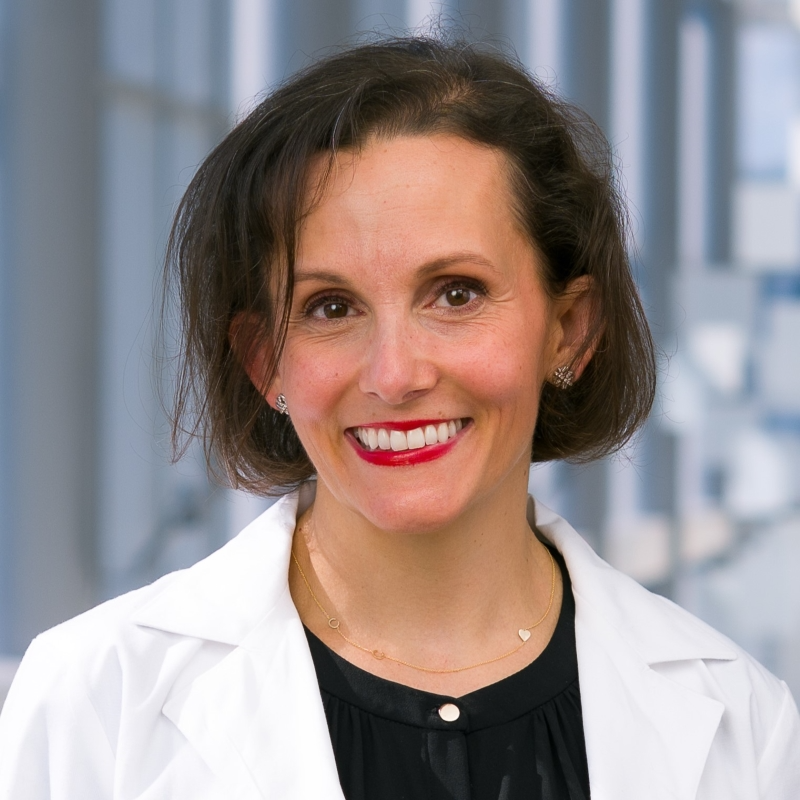
Veronica Bordes Edgar is a Professor in Psychiatry and Pediatrics at UT Southwestern Medical Center. She holds dual roles as co-Director of the Division of Developmental-Behavioral Pediatrics and Director of Clinical Training for the Doctoral Program in Clinical Neuropsychology. Her academic journey includes a PhD in counseling psychology from Arizona State University, clinical training at Harvard Medical School, and a postdoctoral fellowship in neuropsychology at the University of Minnesota. Dr. Edgar specializes in pediatric neuropsychology, focusing on neurodevelopmental disorders (both acquired and genetic) and cultural/bilingual neuropsychological assessment. She is board certified in Clinical Neuropsychology and Pediatric Neuropsychology, and currently serves as President of the American Board of Clinical Neuropsychology. Her research emphasizes culturally competent assessment practices, neurodevelopmental disorder interventions, and the application of teleneuropsychology. Notable contributions include studies on autism spectrum disorder, ADHD caregiver burden, and genetic syndromes like CLN7 and aspartylglucosaminuria.
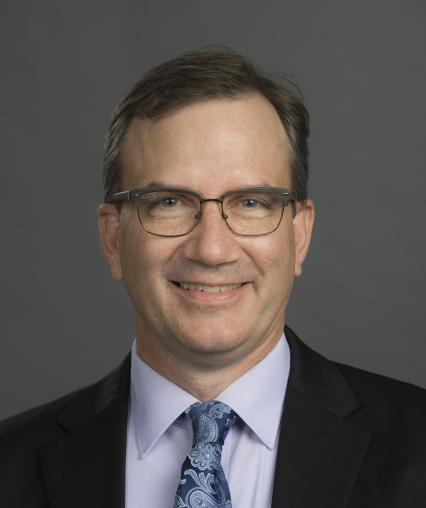
Dr. Jerry K. Hoepner serves as Professor and Assistant Chair in the Department of Communication Sciences and Disorders at the University of Wisconsin - Eau Claire's College of Health and Human Sciences, where he has taught full-time since 2007 after beginning part-time in 2003. His roles include Student Engagement Coordinator and CSD Ambassadors Advisor, with clinical supervision remaining integral to his work. His educational foundation includes a Ph.D. in Communication Sciences and Disorders from the University of Wisconsin - Madison, an M.S. in Communication Sciences and Disorders from UWEC, a B.S. in Psychology from Minnesota State University - Mankato, and an A.A. from Bethany Lutheran College. He holds ASHA Certification (CCC-SLP) and Wisconsin State Licensure. Dr. Hoepner's research pioneers video self-modeling interventions, counseling methodologies, and healthcare perceptions for individuals with acquired cognitive-communication disorders, particularly traumatic brain injury (TBI) and aphasia. His innovative work encompasses the Chippewa Valley Aphasia Camp, Thursday Night Poets collective, and TBIconneCT/FUNconneCT social communication interventions. As co-founder of ASHA SIG20 for Counseling in CSD and the UWEC CSD SoTL Lab, he bridges scholarship with clinical practice while editing Teaching and Learning in Communication Sciences and Disorders . His publication trajectory reveals intensifying focus on qualitative analysis of patient experiences, project-based rehabilitation techniques, and counseling integration within SLP practice, with recent work examining poetry interventions, telehealth delivery, and sociolinguistic assessment frameworks. His distinguished recognition includes: ASHA Fellow designation (2021) UW System Regent's Teaching Excellence Award (2020) CAPCSD Distinguished Contribution Award (2023) Aphasia Access President's Award (2023) Multiple mentoring and scholarly honors Dr. Hoepner has mentored countless undergraduate research projects and graduate committees while securing federal TBI grants. His clinical leadership extends through Aphasia Access podcast contributions and statewide intervention programs that transform rehabilitation paradigms. His laboratory initiatives—including the SoTL Lab and project-based brain injury groups—embody his commitment to experiential learning, where students engage in camp immersion, clinical apprenticeships, and community-driven research that reshapes neurorehabilitation practices.
Scott Barnes is Head of the Department of Linguistics and Course Director of the Master of Speech and Language Pathology at Macquarie University. He leads the Macquarie Linguistics Conversation Analysis Lab with Joe Blythe, supervising research on communication disabilities, speech pathology assessment, and cross-linguistic interaction analysis. His teaching focuses on acquired communication disorders, language analysis, and speech pathology foundations. Barnes researches acquired communication disabilities (aphasia, TBI) using conversation analysis and interactional linguistics. Key interests include: Everyday communication practices in clinical populations Turn-taking and repair organization across languages Multimodal interaction analysis Speech pathology assessment frameworks Cross-cultural communication disorders His publications demonstrate consistent focus on clinical conversation analysis, with recent work examining: Therapeutic interactions in mental health settings Multimodal communication in Mandarin and Indonesian contexts Auditory processing in post-stroke communication Repair strategies in dysarthria and aphasia As external accreditor for Speech Pathology Australia (2021-2026), he shapes professional education standards. He directs multiple active grants including projects on bilingual education, communication breakdowns in noise, and voice visualization technology.
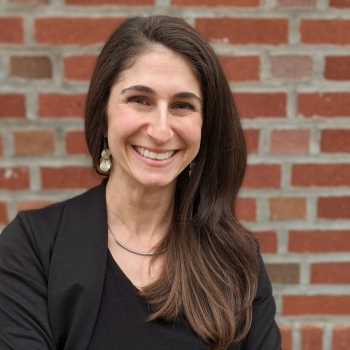
Dame Til Wykes is a Clinical Professor at King’s College London, leading the School of Mental Health & Psychological Sciences and the Service User Research Enterprise (SURE) . Her work focuses on psychological treatments for schizophrenia , cognitive remediation therapy , and digital mental health services , with international impact on research strategies through projects like European ROAMER and UK Mental Health Research Goals . Education : PhD (University of Sussex), MPhil (King’s College London), BSc (University of Nottingham) Leadership : Head of School (2020–present), Co-Director of SURE, NIHR Maudsley BRC Cluster Lead Research Themes : • Cognitive Remediation Therapy for schizophrenia and psychosis • Digital Mental Health Tools (RADAR-CNS, CIRCuiTS™ software) • Service User Involvement in research design and implementation • Ward Design and Therapeutic Environments in psychiatric inpatient care Selected Scientific Awards : British Psychological Society (2014) GUINNESS WORLD RECORD for Largest Mental Health Lesson Damehood from the Queen (2016) EPA Outstanding Achievement Award SIRS Lifetime Achievement Award (2024) Leadership and Collaborations : President of the Schizophrenia International Research Society (SIRS), Fellow of multiple academies (Medical Sciences, Social Sciences), and Trustee of Weight Concern. She co-leads projects like ECLIPSE and MEMReD , and has contributed to 17 Pharmacological and Psychosocial Treatments in Schizophrenia (3rd ed.).
Dr. Rachel Hatchard is a Senior Lecturer specializing in language disorders across the lifespan, with research focusing on aphasia in adults and developmental language disorders in children. At Manchester Metropolitan University, she employs construction-based approaches to spoken language pathology and cognitive linguistic frameworks. Her research investigates: Language processing in acquired neurological conditions Intervention strategies for developmental disorders Construction grammar applications in clinical contexts Assessment methodologies for speech pathologies Professional leadership includes serving as Chair of the British Aphasiology Society (since 2019) and representing BAS on the UK Stroke Forum Steering Group (2018-2020). She maintains memberships in the UK Cognitive Linguistics Association, International Cognitive Linguistics Association, and is a Fellow of the Higher Education Academy. Research supervision includes ten MSc projects examining chylomicron analysis, nutrient stability, and therapeutic outcomes, demonstrating interdisciplinary connections between linguistics, nutrition science, and clinical practice.
Stacey Rimikis is a Clinical Assistant Professor and Director of the Master of Science Program in the Department of Communicative Sciences and Disorders at New York University's Steinhardt School. She holds a Ph.D. from NYU Steinhardt, an M.A. in Speech-Language Pathology from Queens College (CUNY), and a B.A. from NYU's Gallatin School of Individualized Study. Her clinical and research expertise focuses on acquired neurogenic communication disorders, including aphasia and neurocognitive disorders. Her research examines language processing mechanisms in both impaired and unimpaired populations, with recent work exploring phonological patterns' impact on morphological impairment and semantic processing's role in lexical retrieval. Dr. Rimikis is a certified speech-language pathologist (ASHA) specializing in adult and geriatric communication and swallowing impairments. She is licensed in New York State and actively contributes to clinical education through her directorship of the Master of Science program.
Matthew Cohen is an Associate Professor in the Department of Communication Sciences & Disorders within the College of Health Sciences at the University of Delaware. His academic appointments include affiliations with the Resilient Cognitive Aging Lab (RECALL), Center for Health Assessment Research and Translation, and Delaware Center for Cognitive Aging Research. His educational background includes an Education Clinical Residency in neuropsychology from Johns Hopkins School of Medicine (2015), Ph.D. from University of Florida (2013), M.S. from University of Florida (2009), and B.A. from University of Delaware (2007). Dr. Cohen's research focuses on clinical assessment of cognition and cognitive disorders , acquired communication disorders in adults , Alzheimer's disease and dementia , and patient-reported outcome measures in speech-language pathology. His work bridges neuropsychology, rehabilitation science, and cognitive aging through interdisciplinary approaches to measurement and intervention. Analysis of his 15 most recent publications (2024-2025) reveals three dominant research trajectories: (1) Development and validation of cognitive assessment tools for mild cognitive impairment and dementia, (2) Investigation of diet-metabolism-cognition relationships, and (3) Implementation science for patient-reported outcomes in communication disorders. His work increasingly incorporates telehealth methodologies and biomechanical biomarkers. While no specific scientific awards are documented in available materials, his research program demonstrates significant collaborative activity through the RECALL lab mission to advance "interdisciplinary research, education, and clinical training in healthy aging, as well as cognitive assessment and cognitive rehabilitation for Alzheimer’s disease and related disorders." Dr. Cohen leads the Resilient Cognitive Aging Lab (RECALL), formerly known as the Measure What Matters lab, which offers free online memory screening services. The lab operates within UD's Tower at STAR facility and focuses on translating cognitive assessment research into community-based dementia risk reduction programs like Brain-WISE.
Paula Fikkert is a Professor of Language Acquisition and Phonology at Radboud University Nijmegen, where she is affiliated with the Centre for Language Studies and the Department of Modern Languages and Cultures within the Faculty of Arts. She currently serves as Dean of the Faculty of Arts and is a member of the Board of Deans at Radboud University. Her educational background includes a master's degree from the University of Groningen and a PhD from Leiden University (1994, cum laude), for which she received the AVT dissertation prize for the best dissertation in linguistics. Her doctoral work focused on "On the acquisition of prosodic structure." Professor Fikkert's research primarily investigates the acquisition of phonological representations in the lexicon and their role in speech perception and production. She explores how phonological representations mediate between acoustic signals and meaning in speech perception, and between meaning and articulatory output in speech production. Her work addresses fundamental questions about how babies learn language, how they process sounds and words, and how they store this information in their mental dictionaries. A significant portion of her research focuses on early indicators of developmental language problems and how children learn to monitor their own speech and that of others. Her research program has revealed important insights into language acquisition through behavioral and neurocognitive methods conducted at the Baby Research Center (BRC). She has contributed to several important databases of spontaneous speech, including CLPF for typically developing children, IPROSLA for children acquiring sign language, and VALID for children with speech disorders. Professor Fikkert has received numerous prestigious awards throughout her career, including: AVT dissertation prize for best linguistics dissertation Neil and Saras Smith Medal for lifetime achievement in the scholarly study of linguistics (2024) Synergy Award for research on phonology As a principal investigator, Fikkert has led significant research projects, including serving as PI in the BRC-lab and leading the research for the Radboud Language Development Fund established by Kino Jansonius. She previously held an Innovation Grant from NWO (2002-2007) and has been involved in numerous collaborative research projects with international partners. Her leadership extends to administrative roles, having served as research director of the Centre for Language Studies (CLS) at Radboud from 2011 to 2015, and as a member of the Humanities Board and later the Social Sciences and Humanities board of NWO. Professor Fikkert leads the First Language Acquisition research group at the Baby and Child Research Center (BRC), which conducts scientific research on children from pregnancy to age six. The BRC has three locations on the Radboud University campus and investigates the development of language, social interaction, thinking, and well-being in mothers and children. Her work has practical applications in early identification of language development disorders and developing interventions to support children with language acquisition challenges.
Associate Professor Judi Parson is a pediatric-qualified Registered Nurse and Registered Play Therapist - Supervisor at Deakin University's School of Health and Social Development, Faculty of Health. She leads the Play Therapy discipline at the university and is recognized internationally for her work in Medical Play Therapy and the integration of digital technologies in therapeutic practice. Her career spans clinical practice, research, teaching, and leadership in the field of play therapy. Education Doctor of Philosophy, Central Queensland University Master of Health Science (Nursing), Charles Sturt University Master of Arts in Play Therapy with Distinction, Roehampton University, UK Graduate Diploma of Nursing, Australian Catholic University Graduate Certificate of Higher Education, Deakin University Bachelor of Nursing, Australian Catholic University Research Interests Professor Parson's research focuses on Play Therapy as an emerging profession to support biopsychosocial health and development for children and their families. Her work explores thematic expression of humanistic skills within play therapy and supervision sessions, pediatric (hospital, medical and procedural) play therapy techniques, and digital tele-health including therapeutic apps and virtual reality. She employs qualitative research methods such as Phenomenology and Autoethnography to investigate optimal therapeutic effects for diverse populations including war-affected children, those experiencing natural disasters, Aboriginal communities, children of incarcerated parents, and children with autism. Her research bridges theory and practice while addressing cultural responsiveness and technological innovation in play therapy. Research Output Trends Professor Parson's recent publications reveal a strong focus on expanding play therapy applications across diverse contexts and populations. Her work increasingly addresses cultural responsiveness, particularly with Aboriginal communities, and the adaptation of play therapy for crisis situations including natural disasters and war. There's a notable trend toward integrating digital technologies, with several publications on tele-play therapy, virtual reality applications, and online supervision. Her research also demonstrates growing attention to specific populations such as children of incarcerated parents and those with autism, while maintaining her foundational work in medical play therapy for pediatric healthcare settings. Scientific Awards Australian Postgraduate Award (2003-2008) for PhD research on "Integration of procedural play for children undergoing Cystic Fibrosis treatment: A nursing perspective" Highest Academic Achievement Award (1996) for Graduate Diploma in Nursing (Child and Adolescent health - Advanced paediatrics) Supervision and Grants Professor Parson actively supervises multiple doctoral and master's students across various play therapy research topics. Her current doctoral supervision includes research on psychosocial interactions in parent-child play relationships, therapeutic play for developmental trauma, and children's coping with vaccinations. She recently secured a significant grant from The Rotary Club of Sydney Inc for "Tele Play Therapy" research (2024-2026, $36,721.28), demonstrating continued funding support for her innovative work in digital play therapy applications. Professional Leadership Professor Parson is a co-founder of the Australasia Pacific Play Therapy Association (APPTA) and the International Consortium of Play Therapy Associations (IC-PTA), playing a key role in shaping the field globally. She serves on the Editorial Board of the British Journal of Play Therapy and maintains professional registrations with multiple play therapy associations worldwide, including as a Registered Play Therapist/Supervisor with APPTA. Her leadership extends to developing the Master of Child Play Therapy program at Deakin University, where she teaches multiple courses including Foundations of Play Therapy, Humanistic Play Therapy, and Systemic Play Therapy.
Sandra Waxman is a Professor of Cognitive Psychology and holds the Louis W. Menk Chair in Psychology at Northwestern University. She is an IPR Fellow, leading research at the intersection of developmental science, cognitive psychology, and cultural studies. Her work focuses on how infants and young children acquire language and conceptual knowledge across linguistic and cultural contexts. She directs the Infant and Child Development Center, exploring cross-linguistic development in languages like English, Mandarin, and Spanish, as well as cultural influences on understanding human-nature relationships. Her research bridges disciplines, emphasizing the interplay between language and cognition. Collaborations include projects with Native American communities and Argentina’s CONICET. Waxman’s studies reveal how early language shapes cognitive development and how cultural frameworks influence children’s reasoning about the natural world. She also investigates how infants integrate sensory and linguistic information to form concepts, with implications for education and policy. Waxman’s contributions span over 200 publications, addressing topics like infant categorization, bilingualism, and the role of context in learning. Her work underscores the universality and diversity of developmental processes, advocating for interdisciplinary approaches to understand childhood cognition. She actively engages with policymakers through IPR, translating research into strategies that support early childhood development.
John Logan is an Associate Professor in the Department of Psychology at Carleton University, affiliated with the Faculty of Arts and Social Sciences. He holds a Ph.D. from Indiana University. His research focuses on spoken language perception, non-native speech perception, and word recognition in children. His work bridges cognitive psychology, forensic psychology, and linguistics, examining how personality traits like psychopathy influence speech perception and emotional processing. Dr. Logan's research explores the interplay between personality variables and speech perception mechanisms, particularly in contexts involving psychopathic traits, trauma, and non-native language acquisition. His recent studies investigate how psychopathy affects emotional recognition in spoken language and domestic abuse dynamics, while also analyzing disfluency patterns and vowel acoustics in speech production. His research has contributed to understanding deficits in prosodic perception among individuals with psychopathic characteristics and developing interventions to improve emotion recognition. He also studies cognitive constraints in acquiring non-native phonemes and employs neuroimaging techniques to explore decision-making processes in gambling scenarios. Though no specific awards or grants are listed, his extensive publication record reflects sustained contributions to speech perception, forensic psychology, and developmental cognitive science. Dr. Logan's work integrates experimental methods with computational analysis, addressing both theoretical and applied questions in language processing and mental health.
Eve Vivienne Clark is the Richard W. Lyman Professor of Humanities in the Department of Linguistics at Stanford University. She has been a faculty member at Stanford since 1971, rising from Assistant Professor to her current position as full Professor. Her extensive academic career includes numerous visiting professorships at institutions across Europe and North America. Clark's research focuses on first language acquisition, particularly examining how children acquire meaning, develop semantic understanding, and construct verb paradigms. Her work investigates pragmatic information in adult-child interactions, how children make inferences about unfamiliar words, and how they learn to distinguish homophones. She has made significant contributions to understanding how children place information in common ground during communication. Her recent scholarly output shows a consistent focus on pragmatic principles in language acquisition, with particular attention to conversational dynamics, common ground establishment, and how children process linguistic input. Her research spans multiple languages and examines both theoretical and applied aspects of language development. Foreign Member, Royal Netherlands Academy of Arts and Sciences (1991) Guggenheim Fellow (1983-1984) Fellow of multiple prestigious organizations including the American Association for the Advancement of Science, Association for Psychological Science, Cognitive Science Society, and Linguistic Society of America Richard W. Lyman Professorship in the Humanities (2007–) Clark has mentored numerous graduate students and has been instrumental in organizing the Child Language Research Forum, an influential annual conference that has shaped research in language acquisition. She has served on editorial boards for major journals including Language , Cognition , and Journal of Child Language , and has held leadership positions in professional organizations including President of the International Association for the Study of Child Language (2011-2014).
Dr. Anna Rosenkranz is a researcher at the Institute for German Linguistics, specializing in Clinical Linguistics at Philipps-Universität Marburg. She holds a visiting professorship at the Department of Educational and Rehabilitation Sciences, University of Cologne (2024-2025), focusing on language disorders in neurologically impaired populations. Her career spans institutions including Ruhr-Universität Bochum and University of Reading, with a PhD in Linguistics (2015). Current affiliations: Philipps-Universität Marburg (since 2019), University of Cologne (2024-2025) Education: PhD Linguistics (Bochum), MA Speech Science (Marburg), BA Linguistics (Bochum) Rosenkranz's research bridges clinical linguistics and neuropsychology, focusing on: Executive function contributions to word retrieval in aphasia Complex semantic processing in cognitive communication disorders Diagnostic tools for subtle post-brain-injury communication deficits Psycholinguistic models of verbal fluency in psychiatric and neurological conditions Digital participation barriers for speech-language impaired individuals Her work emphasizes practical applications in speech therapy, including the development of the KomplexSem test and FAVRES-D assessment. Recent publications analyze digital accessibility challenges, semantic processing, and cognitive-linguistic interactions across conditions like schizophrenia and dementia. Professional activities include: Co-developer of cognitive-communication screening tools (CCCABI-DE, KomplexSem) Coordinator of continuing education programs (2022-2024) Keynote speaker at international workshops on language production and neurorehabilitation Contributor to BMBF-funded projects on 'small disciplines with high potential'
Dr. Breanna Krueger is an Associate Professor in the Division of Communication Disorders at the University of Wyoming , where she has been since earning her PhD in 2017. Her academic background includes two MA degrees in Speech-Language-Hearing Sciences and Linguistics from the University of Kansas, and a BA in Communication Sciences and Disorders from the University of Wyoming. Research Focus: Dr. Krueger specializes in improving treatment outcomes for children with speech sound disorders through: Investigating age-related treatment efficacy Developing clinical teaching methods for speech-language pathologists Enhancing understanding of children's speech perception mechanisms Exploring social impact of speech disorders Ultrasound visual biofeedback applications for speech therapy Publication Trends: Her research portfolio shows increasing focus on: Transgender voice communication software (2024) Home practice facilitation techniques (2024) Pediatric cancer speech services (2023) Preterm birth language impacts (2023) Advanced phonological assessment methods (2022) Scientific Recognition: Dr. Krueger has received significant funding including: NIH Grant (P20GM103432) for age-related treatment research ASHA Foundation research grant College of Health Sciences internal funding Laboratory & Outreach: She directs the PhUnderLab , actively engages with professional organizations including the American Speech-Language-Hearing Association (ASHA), and maintains a Twitter presence @phunderlab for research dissemination.
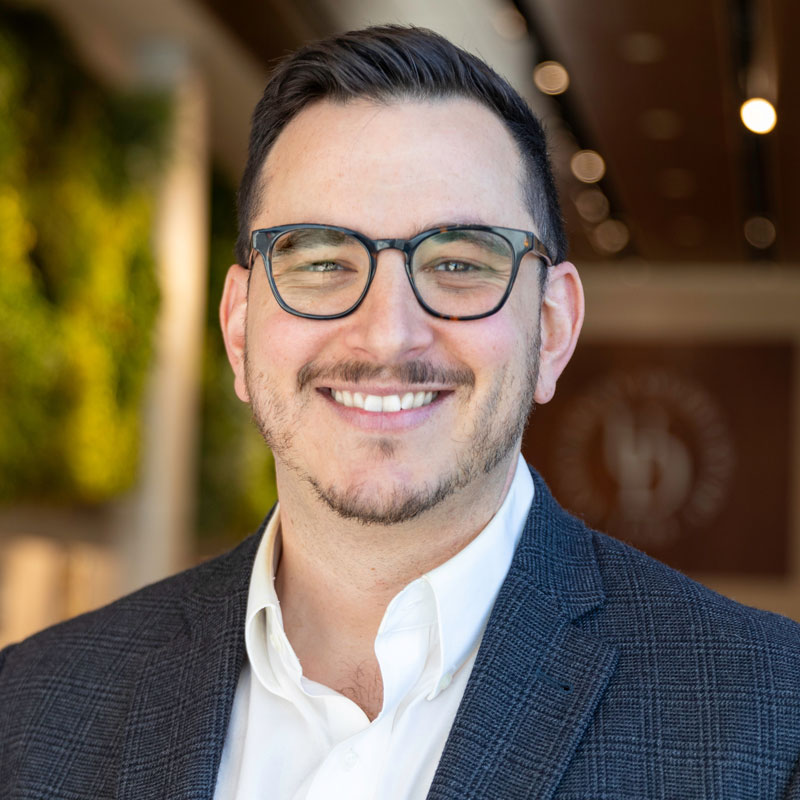
Eduardo Navarrete Sanchez is an Associate Professor at the University of Padua, Italy. His research focuses on understanding how language and cognition interact, particularly in areas such as psycholinguistics, bilingualism, and language production. His work integrates experimental psychology, neurolinguistics, and cognitive neuroscience to explore topics like foreign language effects on social judgment, the neural basis of bilingualism, and the role of language in attention and decision-making. Key research interests include: Psycholinguistics Cognitive Science Bilingualism and Multilingualism Neurological Language Disorders Social and Cognitive Effects of Language His recent publications (2023–2025) highlight trends in examining language-accent credibility effects, cross-linguistic decision-making, and neurobiological underpinnings of bilingual language control. He has contributed to advancements in understanding how sociolinguistic factors influence perception and behavior, including studies on foreign language effects on social norms and deception detection mechanisms. Eduardo’s work bridges theoretical models of speech production with clinical applications, such as developing neuropsychological assessment tools for acquired brain injuries. His research often employs methods like pupillometry, electrophysiological recordings, and neuroimaging to study language processing dynamics.