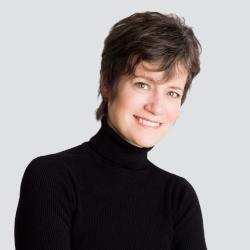
Denise Acampora, MPH, is a Lecturer in Geriatric Medicine at Yale School of Medicine. She specializes in aging-related research focusing on delirium prevention, post-hospitalization outcomes, falls prevention, and clinical trials in elderly populations. Her work spans over three decades, with significant contributions to understanding geriatric syndromes and improving care transitions for older adults. Education: MPH from Columbia University (1980), BS from St. Mary's College (1970). Key Research: Lead author on landmark studies about delirium interventions (NEJM 1999), cranberry clinical trials for UTIs in nursing homes (JAMA 2016), and post-COVID-19 outcomes in older adults (JAMA Network Open 2024). Collaborations: Works with prominent researchers like Thomas Tinetti, Mary Tinetti, and Laura Ferrante on aging-related studies. Her research emphasizes translational strategies to reduce disability and improve quality of life for elderly patients through evidence-based interventions. Current projects focus on longitudinal assessment of post-acute sequelae in older adults (VALIANT cohort).
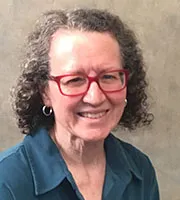
Dr. Debora M. Lee Chen is an Associate Professor of Clinical Optometry at the University of California, Berkeley’s School of Optometry & Vision Science. She serves as Co-Chief of the Binocular Vision Clinic and Chief Mentor for the Residency in Vision Therapy and Rehabilitation. Her roles also include Berkeley Optometry Disability Officer and active participation in institutional committees like the Clinical Curriculum and Instruction Committee and the Berkeley Optometry Curriculum Committee. Her research focuses on binocular vision disorders, pediatric vision, amblyopia, strabismus, traumatic brain injury, cerebral visual impairment, and innovative treatments using mobile applications. She teaches courses such as Optometry 240 (diagnosis/treatment of binocular vision anomalies), Optometry 241L (advanced strabismus management), and clinical specialty clinics (430B, 441A-C). Key research areas include pediatric vision challenges, neurodevelopmental conditions, and vision-related learning disabilities. She emphasizes community health, including barriers to eye care access and school-based screening initiatives. Her work bridges clinical practice with cutting-edge technologies like AI-driven optometry solutions. Dr. Chen’s contributions extend to neuro-optometric rehabilitation, particularly for patients with acquired brain injuries and developmental differences. She advocates for inclusive healthcare practices through her roles on the Disabled Student’s Program advisory committee and DEIB initiatives.
Dr Caroline Ellis-Hill is a Senior Lecturer in Qualitative Research at Bournemouth University, based in the Bournemouth Gateway Building. Her work focuses on lifeworld-led approaches to healthcare and social care, emphasizing humanistic practices that prioritize subjective experience and wellbeing. She specializes in qualitative research methods, including narrative inquiry, phenomenology, and arts-based methodologies. Her current research includes the Stroke Odysseys project (Wellcome Trust-funded SHAPER initiative) exploring performance arts in stroke rehabilitation, and the InnovateDignity EU project training future leaders in dignified elder care. Past studies include the HeART of Stroke feasibility trial of arts interventions post-stroke and the Humanising Services leadership strategy to enhance dignity in care. Key research interests: lifeworld-led healthcare, embodied knowing, narrative approaches, identity transformation in disability, and arts-based interventions. She contributes to UN SDGs 3 (Good Health) and 10 (Reduced Inequalities). Dr Ellis-Hill advises 15 PhD students through the InnovateDignity network. Her research has been published in journals like Scandinavian Journal of Caring Sciences, International Journal of Qualitative Studies on Health and Well-being, and Neuropsychological Rehabilitation.
Scott Barnes is Head of the Department of Linguistics and Course Director of the Master of Speech and Language Pathology at Macquarie University. He leads the Macquarie Linguistics Conversation Analysis Lab with Joe Blythe, supervising research on communication disabilities, speech pathology assessment, and cross-linguistic interaction analysis. His teaching focuses on acquired communication disorders, language analysis, and speech pathology foundations. Barnes researches acquired communication disabilities (aphasia, TBI) using conversation analysis and interactional linguistics. Key interests include: Everyday communication practices in clinical populations Turn-taking and repair organization across languages Multimodal interaction analysis Speech pathology assessment frameworks Cross-cultural communication disorders His publications demonstrate consistent focus on clinical conversation analysis, with recent work examining: Therapeutic interactions in mental health settings Multimodal communication in Mandarin and Indonesian contexts Auditory processing in post-stroke communication Repair strategies in dysarthria and aphasia As external accreditor for Speech Pathology Australia (2021-2026), he shapes professional education standards. He directs multiple active grants including projects on bilingual education, communication breakdowns in noise, and voice visualization technology.
Ayla Humphrey is an Assistant Professor and Consultant Clinical Psychologist at the University of Cambridge Department of Psychiatry . Her research focuses on early identification of mental health needs in children, cognitive therapy for trauma-exposed youth, and developmental disorders like autism and Tuberous Sclerosis . She serves as Course Director for the MPhil Foundations of Clinical Psychology and co-founded the NHS Cambridge Centre for Paediatric Neuropsychological Rehabilitation . Her research spans Child and Adolescent Mental Health Services (CAMHS) integration with social care, trauma-focused cognitive therapy , and developmental disorder screening . Key collaborations include the NIHR-funded COACHES study and the PYCES (Parents and Young Children under Extreme Stress) project. Scientific awards include the 2017 British Psychological Society Award for Outstanding Contribution to Applied Practice . She actively supervises PhD students and contributes to school-based mental health identification frameworks . Her work emphasizes evidence-based service transformation and cross-sector collaboration.
Dr Hannah Gullo is a Senior Research Fellow at the School of Health and Rehabilitation Sciences , The University of Queensland . With a focus on neurorehabilitation, her work spans traumatic brain injury, stroke, Parkinson's disease, multiple sclerosis, and neurodevelopmental conditions. Masters (Coursework) of Occupational Therapy Studies, The University of Queensland Bachelor of Science, The University of Queensland Doctor of Philosophy, The University of Queensland Her research interests include: Cognitive assessment and intervention - exploring relationships between cognitive impairment, depression, and fatigue Technology-enhanced therapy - leveraging smartphones, smartwatches, and tele-rehabilitation Recent publications highlight her work in CO-OP approaches for Parkinson's , technology-enabled rehabilitation , and technology accessibility for vision impairment . Awards include NHMRC MRFF PPHR grants and Advance Queensland Women's Academic Fund support. She supervises PhD projects on: Smart technology for cognitive rehabilitation Remote occupational therapy delivery Metacognitive strategies in neurorehabilitation Current funding (2024-2027) focuses on co-creating virtual environments for brain injury recovery. She leads feasibility trials and validation studies in cognitive assessment tools.
Cathrine Arntzen is a Professor at the Department of Health and Care Sciences, UiT The Arctic University of Norway, and Academic Director at the Center for Care Research North. Her work spans health services research, occupational therapy, and rehabilitation within municipal healthcare systems. She contributes to projects like RehabLos and engages in co-design methodologies. Affiliation: UiT The Arctic University of Norway Directorship: Center for Care Research North Research: Rehabilitation, occupational therapy, e-health, and service co-design Her research focuses on person-centered rehabilitation, service coordination across sectors, and digital health systems. She explores user involvement, organizational factors in care delivery, and innovative models for chronic disease management, particularly in rural contexts. Recent publications address unplanned hospital admissions among elderly, digital rehabilitation tools, stroke recovery, and supported employment integration. She employs qualitative methods, mixed-method designs, and action research to analyze healthcare challenges in Northern Norway. Arntzen collaborates with multidisciplinary teams on projects such as RehabLos, which emphasizes community-based rehabilitation models for individuals with acquired brain injuries. Her work bridges academic research with municipal healthcare practice.
Suzanne Lenhart is a Chancellor’s Professor of Mathematics at the University of Tennessee, Knoxville, affiliated with the College of Arts and Sciences. Her research focuses on optimal control theory applied to biological systems, including population dynamics, infectious diseases, and natural resource management. She also served as Associate Director of Education and Outreach at NIMBioS, promoting interdisciplinary research in mathematical biology. Education: PhD in Mathematics from the University of Kentucky. She has published over 250 journal articles and four books, including Optimal Control Applied to Biological Models and Mathematics for the Life Sciences . Her work emphasizes translating mathematical models into practical solutions for ecological and public health challenges. Research interests include partial differential equations, optimal control applications in epidemiology, and environmental modeling. She has secured grants from the CDC and NSF, focusing on topics like hospital-acquired infections and US-Africa collaborative research in mathematical sciences. Outreach: Directed REU programs for 15+ years, supervised 33 PhD and 36 master’s students. Serves as a faculty sponsor for AWM and SACNAS student chapters, and leads the TAPDINTO-STEM initiative to promote STEM inclusion for students with disabilities. Awards: Fellowships from AWM, AMS, AAAS, and SIAM. Recognized for leadership in advancing women in mathematics and science education.
Frank Eirik Abrahamsen is an Associate Professor in the Department of Sport and Social Sciences at the Norwegian School of Sport Sciences. He earned his PhD in 2007 with research focused on performance anxiety in elite sports. With extensive practical experience, Abrahamsen has worked with international-level athletes across more than 40 sports, participated in four Olympic Games and four Paralympic Games, and consulted with the Norwegian national male soccer team. His research interests center around creating optimal environments for development, wellbeing, and peak performance across all athletic levels. Abrahamsen's scholarly work primarily explores motivation, stress, anxiety, focus and concentration within applied sport psychology contexts. His recent publications demonstrate a broadening scope that now includes rehabilitation science, particularly examining how sports-based interventions benefit individuals with acquired brain injuries. Abrahamsen's teaching portfolio spans bachelor's degrees in training, coaching and sports psychology, master's degrees in coaching and sports psychology, and PhD-level instruction on practical research ethics and privacy. His work on projects like Mind in Motion (MiM) and research into health-compromising behaviors among Norwegian youth athletes reflects his commitment to translating theoretical knowledge into practical applications that benefit athletes at all levels.
Dr. Sheila Bennett is a Professor in the Department of Educational Studies at Brock University's Faculty of Education . With a career spanning classroom teaching, special education, and policy development, she focuses on inclusion, special education policy, and support systems for students with disabilities. Her research emphasizes pedagogical change, service integration, and the voices of students and families. Key works include Special Education in Ontario Schools (8th Ed.) and contributions to journals like Exceptionality Education International and International Journal of Inclusive Education . Dr. Bennett has secured significant funding, including SSHRC grants and partnerships with organizations like the Ontario Neurotrauma Foundation. Her projects address inclusive coaching models, policy implementation, and service delivery innovations. Notable collaborations include the Avon Maitland District School Board Inclusion Coaching Project and the Partnering for Change initiative. Her research highlights practical strategies for educators, such as the six ‘P’ coaching model and parent involvement in supporting students with intellectual disabilities. She advocates for systemic shifts in mindset and policy to foster inclusive environments.
Dr. Lucy Bryant is a Senior Lecturer in Speech Pathology at the University of Technology Sydney (UTS), Faculty of Health, with over a decade of clinical experience working with children and adults across community, private practice, and university clinics. She is a certified practising speech pathologist whose work centers on ensuring access to communication as a fundamental human right, with a strong emphasis on technology applications in speech pathology practice. PhD in Speech Pathology, University of Newcastle Australia (2014-2018) Bachelor of Speech Pathology (First Class Honours, University Medal), University of Newcastle Australia (2009-2012) Graduate Certificate in Higher Education Teaching and Learning, University of Technology Sydney Dr. Bryant's research focuses on language development and rehabilitation across the lifespan, with particular emphasis on how people process, understand, and express meaning. She has significant expertise in discourse analysis for clinical practice, especially for people with aphasia following stroke. Her innovative work explores the integration of Virtual Reality and Augmented Reality technologies in speech pathology, examining how these tools can enhance communication access and inclusion for individuals with communication disabilities. She also investigates neurodevelopmental communication disorders and the application of technology in improving language learning and rehabilitation outcomes across the lifespan. Dr. Bryant's publication record demonstrates a strong trajectory toward immersive technologies in speech pathology practice, with recent work heavily focused on Virtual Reality and Augmented Reality applications. Her research spans both adult and pediatric populations, addressing communication disorders across the lifespan, with a consistent emphasis on translating research findings into practical clinical applications. Her collaborative approach is evident in numerous interdisciplinary projects and international partnerships, particularly the FOQUS Aphasia initiative she helped launch. Dr. Bryant actively supervises Masters and PhD students and has secured competitive research funding through projects like 'Augmented Reality to Support Social Language Skill Development' (EPIC MEGAGRANTS) and 'Co-designing an Augmented Reality Application for Children with Communication Disability' (UTS ECR Research Capabilities Development Initiative). As Theme Lead for Professional Practice and Education in the UTS INSIGHT Digital Health Collaborative, Dr. Bryant works at the intersection of technology and clinical practice. She co-founded the international collaboration FOQUS Aphasia and is actively involved in the UTS speech pathology clinic that provides free public treatment while offering students clinical experience. Her work with the Digital, Virtual and AI in Health Collaborative (DVAIHC) positions her at the forefront of technology integration in speech pathology education and practice.
Dr. Joanne Steel is a Lecturer in Speech Pathology within the School of Health Sciences at the University of Newcastle, Australia. She is a Certified Practising Speech Pathologist with over ten years of clinical and research experience working with adults in acute, inpatient and outpatient hospital settings and the community. Dr. Steel is also the co-founder of BRAINSPaN (Brain Impairment Clinician and Researcher Peer Network), a multidisciplinary network with over 700 members across Australia that facilitates knowledge sharing between clinicians and researchers in the brain impairment field. Dr. Steel earned her Doctor of Philosophy and Bachelor of Speech Pathology (Honours) from the University of Newcastle, where she was awarded the University Medal in 2010. Her academic journey has been focused on improving outcomes for adults with acquired neurogenic communication disabilities, particularly after traumatic brain injury or stroke. Dr. Steel's primary research area is the assessment and treatment of cognitive and social communication disorders after traumatic brain injury (TBI), with a specific focus on management for people with severe injury in the early stages of recovery. Her work addresses the complex challenges of assessing communication changes following brain injury, which requires close collaboration with both the affected individuals and their family members. A significant portion of her research has examined how to improve narrative discourse abilities (such as telling stories and giving explanations) for people with TBI, recognizing that impairment in this fundamental social skill negatively impacts relationships and employment opportunities. Her research program demonstrates a clear progression from foundational work on cognitive communication assessment during post-traumatic amnesia to the development of innovative assessment methods and interventions for narrative discourse after TBI. Recent work focuses on visual discourse elicitation materials, speech-language pathologists' clinical practices, and the development of narrative discourse interventions for patients in early recovery stages. This research aligns with UN Sustainable Development Goal 3 ("Good Health and Well-being") through its focus on improving communication outcomes for people with traumatic brain injury. Dr. Steel's scientific recognition includes the University Medal from the University of Newcastle (2010). She has secured multiple research grants, including the SHS Research Support grant (2024), Faculty of Education and Arts New Staff Grant (2021), and conference travel grants to present her work at national and international conferences. As an educator, Dr. Steel has developed two core courses in the Speech Pathology program and coordinates and lectures in courses covering adult language disorders, adult speech disorders, clinical practice, and research review. She currently serves as Principal Supervisor for a PhD student researching "Speech Pathology Intervention For Cognitive Communication Disorders Post-Traumatic Brain Injury Within Inpatient Rehabilitation Settings." Her research collaborations include work on the SafetyCatch app for hospital communication safety, the international TBIBank Grand Rounds digital health resource, and her co-founded BRAINSPaN network. Through BRAINSPaN, Dr. Steel has created a sustainable platform for multidisciplinary collaboration in brain impairment research and practice. The network has successfully increased multidisciplinary collaboration, knowledge sharing, and skill development around cognitive rehabilitation, with members reporting significant benefits from connecting with this professional community.
Dianne Winkler serves as an Adjunct Associate Professor at La Trobe University, affiliated with the Living with a Disability Research Centre. Her academic role focuses on advancing disability support systems through rigorous research and policy engagement, with particular emphasis on the experiences of people with acquired and neurological disabilities. Her research program centers on critical disability issues including hospital-to-community transitions, inclusive housing solutions, National Disability Insurance Scheme (NDIS) implementation, and quality support frameworks. She employs primarily qualitative methodologies to capture lived experiences, with recurring themes of social inclusion, systemic barriers, and person-centered care. Her work consistently addresses the needs of individuals with complex disabilities across neurological, physical, and psychosocial domains. Analysis of her recent publications (2022-2025) reveals strong thematic continuity in investigating housing accessibility, support worker quality, and policy implementation challenges. Her research demonstrates significant engagement with Australia's Disability Royal Commission submissions and NDIS evaluation frameworks, often through collaborative multi-institutional teams. Key contributions include developing evidence-based models for community participation and identifying systemic gaps in transition pathways. As a core member of the Living with a Disability Research Centre, Dr. Winkler contributes to an interdisciplinary hub focused on generating actionable evidence for disability policy reform. Her research directly informs practice improvements in rehabilitation services, housing initiatives, and support worker training programs across the Australian disability sector.
Professor Theresa Green is a faculty member in the School of Nursing at Queensland University of Technology (QUT). Her research focuses on stroke rehabilitation, caregiver support, healthcare access, and community-based nursing interventions. She holds a PhD from the University of Calgary and maintains active professional memberships in organizations such as the American Association of Rehabilitation Nurses and the Canadian Stroke Network. Her teaching responsibilities include courses on Quantitative Research Methods, Evidence-Based Nursing, and Advanced Practice Nursing. Key research contributions include studies on post-stroke functional assessment using the miFUNCTION scale, disparities in stroke care access, and caregiver experiences in dialysis settings. She has authored over 30 peer-reviewed articles between 2015 and 2020. Education: PhD (University of Calgary) Professional Memberships: Extensive involvement in nursing and stroke-related organizations since 1976 Her work emphasizes translating research into clinical practice improvements, particularly for vulnerable populations and elderly patients. Current research trends include leveraging mixed-methods approaches to evaluate healthcare delivery systems and patient-centered care models.
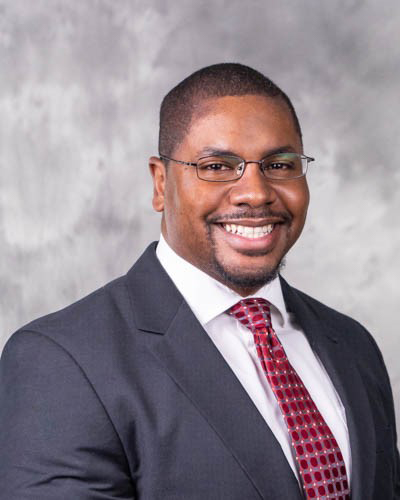
Dr. Michael W. Williams is an Assistant Professor in the Department of Psychology at the University of Houston, affiliated with the College of Liberal Arts and Social Sciences. He directs the Measurement and Intervention for Neuropsychological Disorders (MIND) Laboratory. His academic credentials include a B.S. from Morehouse College, M.A. and Ph.D. from Wayne State University, and clinical training at the University of Washington and Johns Hopkins University. Education: B.S. in Psychology (Morehouse College), Ph.D. in Clinical Neuropsychology (Wayne State University) Professional Activities: Member of Houston Neuropsychological Society, APA Division 22, and editorial roles at Clinical Psychological Science and JINS. Research focuses on optimizing medical rehabilitation outcomes following brain injury, with emphasis on neuropsychological correlates of functional recovery (e.g., cognition, mood, pain). Key interests include identifying intervention targets to enhance independence and return-to-work outcomes. Publications highlight topics such as pain anxiety in brain injury rehabilitation, cognitive clustering patterns and employment, and validation of depression screening tools post-stroke. Recent work addresses opioid misuse in chronic pain patients and long-term TBI cohort follow-up challenges. Key Awards: Center for Large Data Research Travel Award (2019) Teaching: PSYC 4397 (Undergraduate Physical Medicine & Rehabilitation), PSYC 6357 (Graduate Clinical Assessment II) Current research initiatives explore disparities in pain treatment among TBI patients and prognostication of severe TBI outcomes through interdisciplinary collaboration.