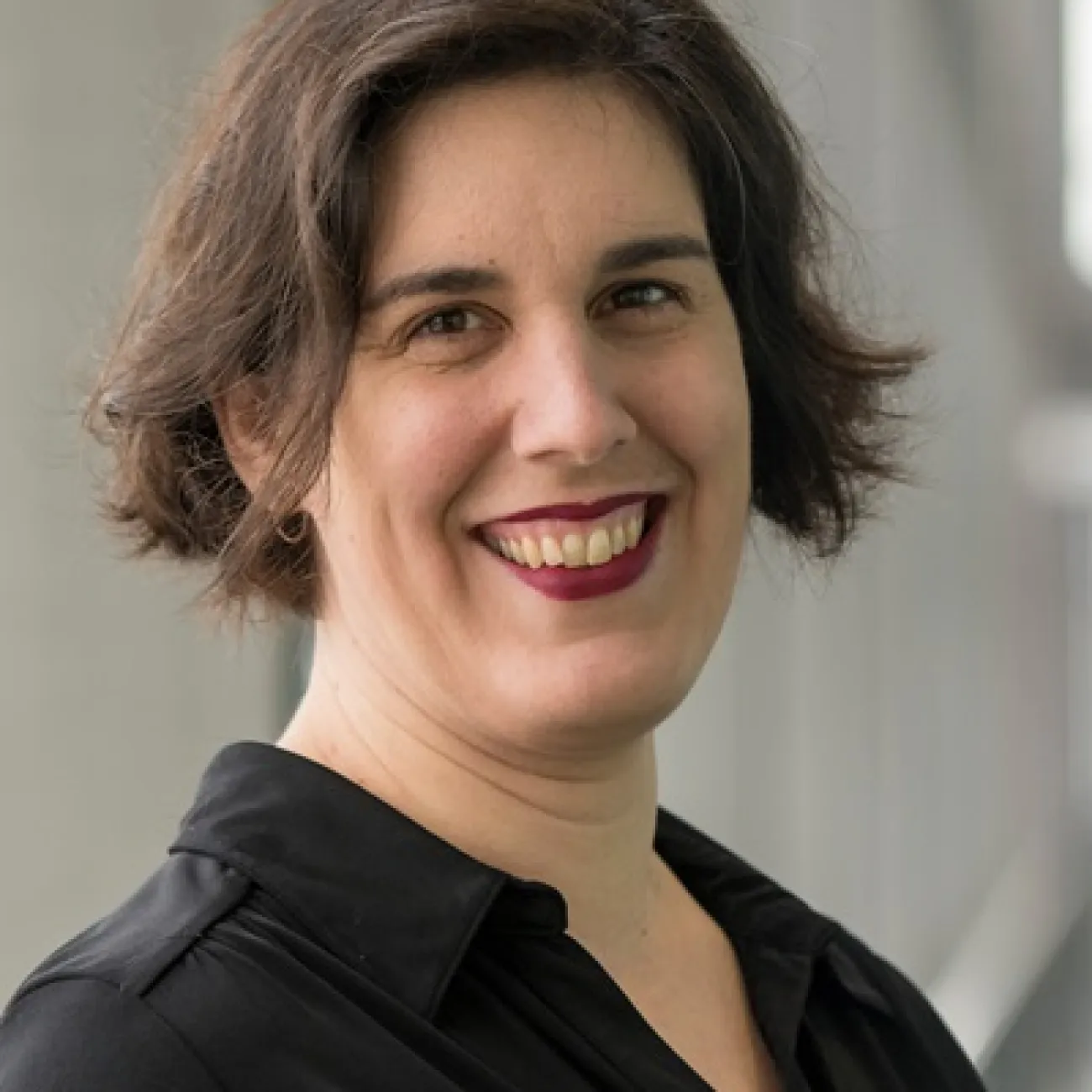
Age Chapman is Professor of Computer Science at the University of Southampton. She leads research in data provenance, decentralized systems, and ethical AI through projects like ESPRESSO focused on secure personal data search. Her work bridges computer science with healthcare, heritage preservation, and social justice applications. Research interests include: privacy-preserving data architectures, algorithmic fairness in healthcare, and provenance tracking for AI systems. She directs PhD research across these domains and collaborates with the Alan Turing Institute and healthcare organizations. Publications demonstrate strong focus on decentralized data management (80% of recent papers) with growing emphasis on AI ethics. Awards include the SIGMOD Test of Time Award for seminal provenance research. Current grants support work on sovereign data ecosystems and healthcare AI fairness. She leads the Digital Health and Biomedical Engineering research group and collaborates internationally through the Alan Turing Institute and European partnerships. Manages labs exploring data trust architectures and healthcare AI systems.
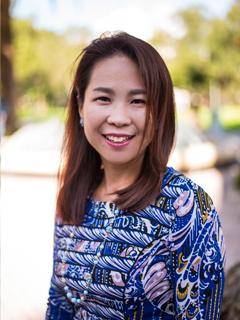
Associate Professor Zoe McKeough is a physiotherapist and internationally recognized researcher at the University of Sydney , affiliated with the Discipline of Physiotherapy and the Charles Perkins Centre . Her work focuses on respiratory physiotherapy, particularly exercise training and sedentary behavior interventions in chronic lung diseases like COPD, cystic fibrosis, and dust-related conditions. Education : BAppSc(Physiotherapy) with distinction, PhD (2004) Her research explores pulmonary rehabilitation, telerehabilitation, digital health platforms (e.g., m-PR™ app), and Indigenous health initiatives (e.g., BE WELL project). She has published over 100 peer-reviewed papers and 132 abstracts, with 3191 citations. Recent publications highlight her work on COPD management , mHealth applications, behavioral interventions , and partnerships between GPs and physiotherapists. Her projects include optimizing oxygen use, reducing sedentary time, and improving chronic disease care through technology. Scientific Awards : REDI Fellowship (2022) She supervises 5 PhD students , 1 MPhil , and 1 Honours student , mentoring 10 PhD and 17 Honours completions. Her teaching includes cardiopulmonary physiotherapy in undergraduate and graduate programs. Current projects involve telerehabilitation , sedentary behavior reduction, mobile health platforms , and Indigenous COPD management. She collaborates with organizations like the Australian Physiotherapy Association , Thoracic Society of Australia and New Zealand , and Perx Health (industry partner).
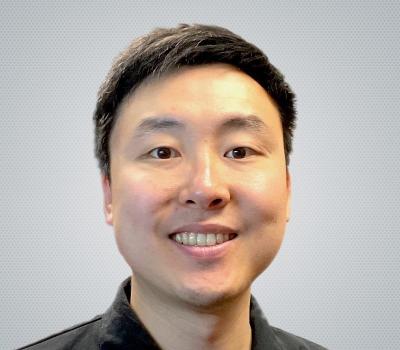
Erzhuo "Ezra" Che is an Assistant Professor in the Department of Civil and Construction Engineering at Oregon State University's College of Engineering. His research focuses on 3D point cloud processing, geospatial data analysis, and infrastructure asset management. He teaches courses in 3D laser scanning, digital terrain modeling, and advanced point cloud programming. Education: Ph.D., Civil Engineering (Geomatics), Oregon State University, 2018 M.S., Photogrammetry and Remote Sensing, Wuhan University, 2015 B.Eng., Photogrammetry and Remote Sensing, Wuhan University, 2012 His research interests include lidar technology applications, automated infrastructure assessment, deformation monitoring, and error modeling. Recent work emphasizes ADA compliance evaluation using 3D point clouds and mobile lidar for road marking analysis. Dr. Che has received notable awards such as the 2022 Geo Week Achievement Award and the 2021 Martin Isenburg Best Paper Award. His projects include mapping historical structures at Silver Falls State Park and developing frameworks for efficient point cloud segmentation. His teaching and research bridge geomatics with civil engineering challenges, focusing on practical solutions for infrastructure maintenance and disaster resilience.
Scott Morris is a Professor and Nambury S. Raju Endowed Chair in Psychology at Illinois Institute of Technology (IIT), leading the Industrial/Organizational Psychology Program within the Lewis College of Science and Letters. He holds a Ph.D. from the University of Akron (1994) and a B.A. from the University of Northern Iowa (1987). A Fellow of the Society for Industrial and Organizational Psychology and the American Psychological Association, Morris is also an associate editor for the Journal of Applied Psychology . His research focuses on advanced statistical methods in personnel selection systems, including meta-analysis, adverse impact analysis, and computer adaptive testing. He explores bias in subjective hiring practices and develops psychometric models to ensure fairness in employment decisions. Morris’s work bridges quantitative methodology with real-world applications, emphasizing ethical and equitable employment practices. Key research areas include adverse impact measurement, meta-analytic techniques, differential item functioning, and the design of efficient testing systems. He co-authored Adverse Impact Analysis: Understanding Data, Statistics and Risk (2017), a foundational text in the field. Morris’s lab, the Personnel Selection & Analytics Lab , investigates topics like multidimensional adaptive testing and statistical methodologies for EEO compliance. Awards: Fellowships from SIOP and APA, recognition for contributions to organizational psychology and statistical rigor. Media Expertise: Regularly consulted on psychology, data science, and ethics in employment. Labs/Teams: Leads the IIT Personnel Selection & Analytics Lab, focusing on quantitative methods in HR and equity analysis.
Daniel Hamlin, Ph.D., is an Associate Professor in the Department of Educational Leadership and Policy Studies at the University of Oklahoma’s Jeannine Rainbolt College of Education. His research focuses on education policies related to student safety, school climate, parental involvement, and school choice. He holds a Ph.D. from the Ontario Institute for Studies in Education at the University of Toronto, where he received the Ken Leithwood Outstanding Thesis Award. Hamlin’s work has been published in prestigious journals such as the American Educational Research Journal and Sociology of Education. He leads a $3 million randomized controlled trial on high-dosage tutoring in high school math and has secured grants from the National Science Foundation and the Ontario Ministry of Education. He currently serves as Principal Investigator on major educational research initiatives. His policy engagement includes moderating discussions with national education leaders and serving on editorial boards for Leadership and Policy in Schools and the International Journal of Education Leadership and Policy. Hamlin reviews federal grants for the U.S. Department of Justice and has contributed expertise to media outlets like the Wall Street Journal and Forbes. Award-winning educator, Hamlin received the OU College of Education’s Research and Scholarship Award (2022) and Pre-tenure Faculty Award (2021). Earlier honors include Harvard University’s Derek Bok Award for Excellence in Teaching during his postdoctoral fellowship.
Asha Venkatesh is a Senior Lecturer at the University of Aberdeen, School of Medicine, Medical Sciences and Nutrition, where she plays a key role in anatomy education and academic leadership. She serves as Course Coordinator for Year 2 MBChB Anatomy, Assessment Lead for Anatomy (MBChB), and Co-lead for Equality, Diversity, and Inclusion (EDI) and the Athena Swan Self-Assessment Team within her School. Her work focuses on enhancing medical education through innovative teaching methods, inclusive curriculum design, and digital assessment strategies. Her research interests lie at the intersection of anatomy education, clinical application, and pedagogical innovation. She is particularly known for integrating radiology into anatomy teaching, developing e-learning tools, and promoting inclusive and ethical anatomy education. Her work emphasizes student engagement, curriculum reform, and the use of technology to enhance learning outcomes in medical and biomedical sciences. Dr. Venkatesh's recent publications reflect a strong trend toward inclusive, technology-enhanced, and clinically relevant anatomy education. Themes include online assessment, gamification of learning, decolonisation of curricula, and addressing neurophobia in medical students. Her scholarly output spans journals such as Journal of Anatomy , Medical Teacher , and Biomedical Visualisation , with increasing focus on equity, ethics, and innovation in anatomical sciences. AUSA and University of Aberdeen Best Undergraduate Lecturer 2020 AUSA and University of Aberdeen Best Undergraduate Supervisor 2021 AUSA and University of Aberdeen Best Undergraduate Supervisor 2022 Dr. Venkatesh actively supervises undergraduate research projects in Biomedical Sciences and MBChB electives, and has contributed to curriculum development with funded initiatives in e-learning and assessment reform. She has served on numerous university and national committees, contributing to academic governance and quality assurance. Her external roles include being an External Examiner at the Universities of Glasgow, Dundee, and Manchester, and leadership in the Anatomical Society and TEPARG. She is a member of the Trans European Pedagogic Anatomical Research group (TEPARG), the Anatomy Associations Advisory Committee, and was Lead Organiser of the Scottish Anatomists Group (2014–2021). She also serves as Membership Officer of the Anatomical Society (2022–2024) and reviews for major journals and textbooks in anatomy and medical education.
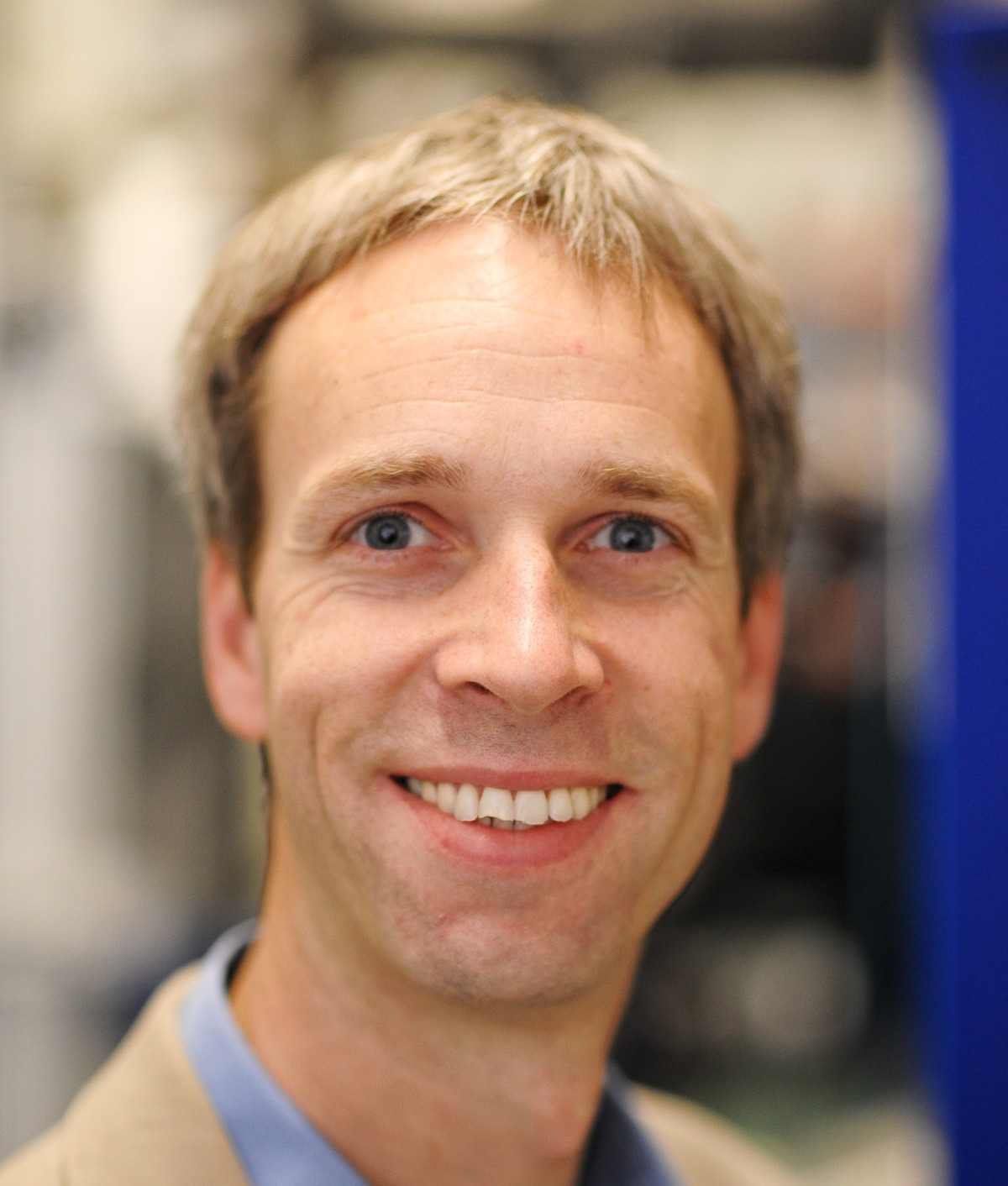
Prof. Sebastian Kaiser is a full professor at the University of Duisburg-Essen's Institute for Combustion and Gas Dynamics, where he leads research on reactive fluid dynamics since 2011. His academic background includes a Bachelor's from Dartmouth College, Diplomingenieur from RWTH Aachen, and PhD from Yale University, followed by postdoctoral work at Sandia National Laboratories. Research Focus: Kaiser specializes in optical diagnostics for reactive systems with emphases on: High-speed imaging of combustion processes Nanoparticle synthesis via spray-flame techniques Tribology and fluid-structure interactions Engine diagnostics using laser-based methods His work bridges experimental techniques and simulation development for energy and propulsion systems. Publication Trends: Recent articles (2023-2025) demonstrate consistent focus on advanced optical diagnostics applied to combustion systems, nanoparticle synthesis, and engine research. Key methodologies include laser-induced fluorescence, high-speed imaging, and machine learning for fluid dynamics analysis. Awards & Honors: Harding-Bliss Prize for Engineering Excellence (Yale, 2005) SAE Excellence in Oral Presentation Award (2008) NRW Returning Scientists Grant (2010) Professional Affiliations: Member of Society of Automotive Engineers (SAE) and The Combustion Institute, with extensive experimental facilities for reactive flow characterization.
Soyeon Ahn is a full-time Professor in the Department of Education and Psychological Studies at the University of Miami's School of Education and Human Development. Her academic profile demonstrates active research leadership in health communication, educational assessment, and psychometrics, with recent publications spanning 2024-2025. Contact details include email s.ahn@miami.edu, phone (305)284-2929, and ORCiD 0000-0003-2581-306X. Research interests focus on Health Belief Model applications in social media health campaigns, fairness evaluation of high-stakes educational exams, and eHealth interventions for obesity management. She investigates how content creator characteristics (e.g., race, occupation) affect user engagement with health messages, examines psychometric validation of assessment tools via Rasch modeling, and explores generative AI's pedagogical impact. Her work integrates intersectionality frameworks to address health disparities in clinical settings. Recent publications reveal strong interdisciplinary trends connecting public health, education, and technology. Key themes include methodological rigor in meta-analyses of occupational cancer studies, social media's role in vaccine behavior change, and AI literacy training for educators. Her findings consistently emphasize practical implications: optimizing health messaging through HBM constructs, addressing test bias in educational equity, and leveraging technology for behavior intervention. The 2024-2025 output shows increasing focus on real-world application of measurement theory.
Jose Costa Requena is a Researcher and Research Manager at Aalto University, serving as a Staff Scientist in the Department of Information and Communications Engineering within the School of Electrical Engineering. His work centers on advanced networking infrastructure for next-generation wireless systems. Education: Doctoral degree in Engineering and Technology, Helsinki University of Technology (2007) Licentiate degree in Engineering and Technology, Helsinki University of Technology (2004) Research Interests: Dr. Costa Requena specializes in 5G/6G mobile communication, network slicing, and IoT systems. His research bridges theoretical networking concepts with industrial applications, focusing on low-latency solutions, deterministic networking for robotics, and scalable data generation frameworks for distributed sensor networks. He actively develops experimental testbeds for validating novel communication architectures. Recent Publication Trends: His 2024-2025 publications reveal a concentrated effort on practical 5G/6G implementation challenges, including QUIC-based name resolution, time-sensitive networking for industrial automation, and Sub-THz backhauling solutions. These works consistently address reliability, latency, and scalability constraints in mission-critical applications. Scientific Awards: No specific awards are documented in the available information. Advising and Grants: He has supervised at least one thesis. As principal investigator, he leads major EU and nationally funded projects including FUWIRI 2+ (2025-2027), 6G-EXP (2023-2024), and ZERO-SWARM (2022-2024), focusing on wireless infrastructure innovation and 6G test network development. Labs and Teams: Costa Requena operates within Aalto's Networked Systems research group and maintains strategic collaboration with VTT Technical Research Centre of Finland, contributing to Finland's national 5G/6G test network initiatives in Otaniemi.
Prof. Georg Jäggle is a Professor of Vocational Education at the University College of Teacher Education Vienna (PH Wien), specializing in educational robotics, STEM pedagogy, and sustainability education. He leads the Department of Vocational Education within the Institute for Secondary Level Vocational Education (I:SBB). His work integrates technology-enhanced learning environments, focusing on project-based methodologies to bridge gaps between education and industry needs. Key projects include the Recycling Heroes initiative (2022–2024), which employs citizen science to promote circular economy awareness, and the EU-funded ER4STEM project (2017–2018), fostering STEM engagement through robotics. Prof. Jäggle holds a Dipl.-Ing. (FH) and a Dr. in engineering education, with prior industry experience as an engineer and vocational school teacher. His research emphasizes digital competence development, intergenerational learning, and inclusive education strategies. He has coordinated interdisciplinary teams across 10+ EU and national projects, including RoboCoop (2018–2022) and Makers@school (2017–2019), which implemented robotics and maker culture in schools. His teaching spans applied mathematics, engineering, and automation technology at both academic and vocational levels. Research interests include technology integration in vocational training, lifelong learning frameworks, and the impact of educational robotics on student motivation. Recent publications (2022–2024) explore STEM career self-efficacy, sustainability curriculum innovation, and cross-generational robotics collaboration. He currently serves in the Center for Research Management (Zentrum Forschungsmanagement) at PH Wien, advancing applied research in MINT (STEM) education and educational technology.
Dr. Thomas (Tom) Brock is a Research Professor and Director of the Community College Research Center (CCRC) at Teachers College, Columbia University, within the Graduate School of Education, Health & Psychology and affiliated with the Department of Education Policy & Social Analysis (EPSA). With over 30 years of experience in education and social welfare research, he leads a broad portfolio of studies aimed at improving community college outcomes, advancing educational equity, and shaping national policy. PhD in Social Welfare, UCLA MPA, Columbia University BA in Anthropology, Pitzer College Dr. Brock's research is centered on transformative reforms in postsecondary education. He has pioneered work in developmental education reform , advocating for corequisite remediation and multiple measures assessment to replace outdated prerequisite models. His leadership in developing the guided pathways framework has influenced hundreds of colleges nationwide. Current projects span dual enrollment , transfer pathways , and sector-based training for green jobs , reflecting a deep commitment to economic mobility and equity. The recent publications led or influenced by Dr. Brock reveal a consistent focus on evidence-based policy, institutional reform, and student success. Themes include remedial education innovation, college completion strategies, workforce alignment, and equity-centered interventions. His work bridges academic research with real-world application, emphasizing scalable models that improve outcomes for underserved populations. Dr. Brock has received significant recognition through leadership roles, including: Commissioner, National Center for Education Research (NCER), IES Acting Director, Institute of Education Sciences (IES) U.S. Representative, OECD’s Centre for Educational Research and Innovation (CERI) Board of Trustees, Pitzer College He actively mentors doctoral students through research apprenticeships at CCRC, collaborating with EPSA to train the next generation of education policy scholars. His grants and projects often involve large-scale evaluations, such as the Opening Doors Demonstration and Achieving the Dream initiative, supported by federal agencies like IES, NSF, and the U.S. Department of Education. Dr. Brock champions interdisciplinary collaboration, leveraging connections across Columbia University and New York City to address complex educational challenges. He is deeply embedded in research teams and centers, most notably leading CCRC—a national hub for postsecondary education research. The center functions as a lab for policy innovation, conducting rigorous evaluations and disseminating findings to practitioners, policymakers, and researchers. Ongoing work includes refining guided pathways implementation and exploring the role of community colleges in the emerging green economy.
Sigrid Johanna Håheim Ørevik is an Associate Professor at the Department of Foreign Languages , University of Bergen. Her work focuses on multimodal text analysis in English education, genre theory, and assessment frameworks. Position: Associate Professor Email: sigrid.orevik@uib.no Research Groups: POTENT – Post-Truth English Teaching Research interests include: Multimodal pedagogies Genre patterns in EAL materials Assessment of student multimodal texts Digital learning resources Vocational English teaching Recent publications (2021–2025) explore: Multimodal design principles Agency in semiotic work Curriculum coherence challenges Remediation of digital resources Long-term genre stability in exams She contributes to the POTENT research group and collaborates internationally on multimodal English learning projects.
Dr. Shaun Aghili serves as an Assistant Professor in the Faculty of Management at Concordia University of Edmonton (CUE), bringing extensive industry experience from the financial services sector. His academic focus centers on internal audit, fraud prevention, and information systems assurance within financial institutions. His educational credentials include: D.B.A. from Argosy University, USA (2003) M.Sc. in Financial Planning and Wealth Management from College for Financial Planning, USA (1999) B.A. from The Catholic University of America, USA (1985) Dr. Aghili's research integrates Risk Management , Cybersecurity , and Financial Services through frameworks like COBIT 5 and Lean Six Sigma. His work develops methodologies for fraud detection using data analytics, improves information systems audit protocols, and addresses security challenges in cloud computing and biometric authentication systems. Notable contributions include operational audit frameworks and corporate forensics governance models. His publication trend (2009-2014) reveals a strategic shift toward interdisciplinary solutions combining information security standards with financial risk management. This evolution demonstrates increasing focus on automated forensic approaches, e-government security models, and cloud computing SLA evaluations within financial contexts. Award recognitions include: IMA Certificate of merit for advancing management accounting literature 2009 IMA merit award for Lean Six Sigma audit framework research As a doctoral advisor, Dr. Aghili has successfully guided three PhD candidates through dissertation research on leadership dynamics in Taiwanese hospitality, workers' compensation fraud patterns, and RFID privacy implications in identification systems. His professional certifications—including CISSP, CISA, and CIA—enhance his industry-relevant research approach within the ISSAM Research Cluster. He actively contributes to CUE's ISSAM (Information Systems Security and Assurance Management) Research Cluster, focusing on cybersecurity risk mitigation strategies for financial institutions through collaborative framework development.
Hongxin Hu is a Professor and Associate Chair in the Department of Computer Science and Engineering at the University at Buffalo, State University of New York (SUNY). His research spans security, networking, and machine learning, with publications across top conferences including security (S&P, CCS, USENIX Security, and NDSS), networking (SIGCOMM and NSDI), machine learning (NeurIPS, ICML, and EMNLP), and human-computer interaction (CHI and CSCW). His work has been funded by NSF (SaTC, CNS, IIS, OAC, SOC), USDOT, VMware, Amazon, Google, and Dell. Dr. Hu earned his PhD in Computer Science and Engineering from Arizona State University in 2012. His academic journey has led him to become a prominent researcher in cybersecurity with a strong publication record and significant research impact. Dr. Hu's research interests encompass a wide range of topics at the intersection of security, networking, and artificial intelligence. His work focuses on Emerging Network Technologies and Security (5G/Future-G, NFV, SDN, Edge computing), Machine Learning for Security and Privacy , Security and Privacy in IoT and Cyber-Physical Systems , and AI for Social Good (addressing online abuse, unsafe children's games, and cyberbullying). His interdisciplinary approach has enabled him to tackle complex security challenges through innovative solutions that combine networking expertise with machine learning techniques. His recent publications demonstrate a strong trend toward applying large language models and advanced machine learning techniques to security challenges, particularly in content moderation, vulnerability detection, and privacy protection. The research spans multiple domains including voice assistant security, IoT security, network security, and social media safety, showing a consistent pattern of addressing real-world security problems with cutting-edge technical approaches. IEEE Big Data Security Senior Research Award (2025) ACM SACMAT Test-of-Time Award (2024) NSF CAREER Award (2019) Multiple Best Paper Awards from ACM ASIACCS (2022), ACSAC (2020), IEEE ICC (2020), and ACM SIGCSE (2018) Amazon Faculty Research Award (2022) First Place Award in ACM SIGCOMM 2018 Student Research Competition Dr. Hu has successfully advised multiple PhD students, including Nishant Vishwamitra who joined UT San Antonio as a tenure-track Assistant Professor. His research has been generously funded by major agencies and industry partners. As an active member of the academic community, he serves as Associate Editor for IEEE Transactions on Dependable and Secure Computing and Computers & Security, and has held numerous leadership roles in major security conferences including TPC Co-Chair for ASONAM 2025 and IWSPA 2024/2025. Dr. Hu leads a vibrant research group that has produced significant contributions in network security function virtualization, intrusion detection systems, and privacy-preserving technologies. Current projects include developing LLM-assisted vulnerability detection systems, defenses against jailbreak attacks on large language models, and security mechanisms for emerging networking technologies. His team's work on IoT security, voice assistant applications, and online content moderation has received wide recognition and press coverage.
Tyler Bold, MD, PhD serves as Associate Professor in the Division of Infectious Diseases and International Medicine within the Department of Medicine at the University of Minnesota Medical School. He concurrently holds faculty appointments in the Microbiology, Immunology and Cancer Biology (MICaB) Ph.D. Graduate Program and the Department of Medicine, establishing a multidisciplinary research presence spanning infectious disease pathogenesis, immunology, and host-pathogen interactions. His research program integrates clinical infectious disease expertise with fundamental immunological investigation, focusing on tuberculosis host-directed immunotherapy, SARS-CoV-2 pathogenesis mechanisms, and macrophage biology in atherosclerosis. Key interests include T cell costimulation in granulomatous diseases, viral-microbiome interactions during respiratory infections, and diagnostic innovations for resource-limited settings. His work bridges basic science discovery with translational clinical applications, particularly in immunocompromised populations and complex infectious syndromes. Analysis of his 15 most recent publications reveals dominant research trajectories in tuberculosis immunology (40% of articles), SARS-CoV-2 pathogenesis and therapeutics (35%), and atherosclerosis immunometabolism (15%), with emerging work on fungal infections in hematologic malignancies. The publications demonstrate consistent use of advanced techniques including single-cell resolution analysis, structural biology, and randomized clinical trials, reflecting both mechanistic depth and clinical relevance across infectious disease subspecialties.