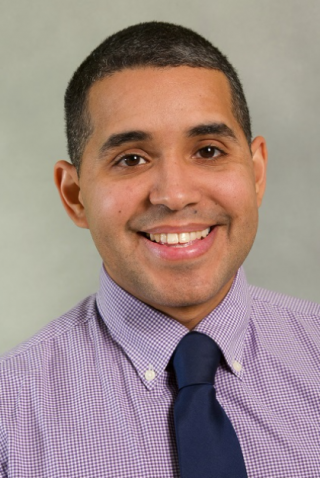
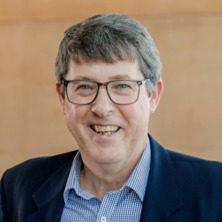
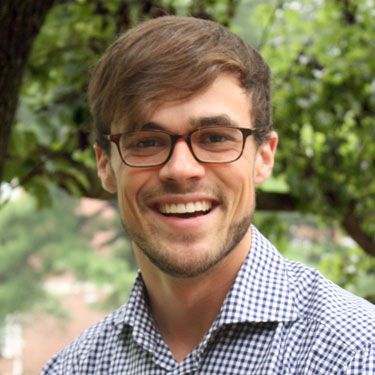
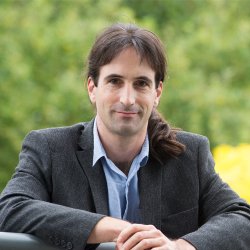
Dr. Pranav Minasandra is a postdoctoral researcher at the Max Planck Institute of Animal Behavior (Konstanz, Germany), affiliated with the Department of Collective Behavior . His work combines quantitative ecology , animal movement modeling , and machine learning to uncover universal patterns in behavioral sequences across species. PhD in Animal Behavior from Max Planck Institute MSc and BS from Indian Institute of Science (Bangalore) Research Focus: Analyzes behavioral predictivity decay and statistical similarities in animal sequences using accelerometry and theoretical frameworks. Recent work explores interspecies infant abduction and social coordination in meerkats/hyenas . Publications span PNAS , Proceedings B , and Current Biology , with 2025 papers revealing truncated power-law patterns in behavior and collective movement dynamics . His Best Paper Award (University of Konstanz) highlights groundbreaking contributions to behavioral sequence analysis. Collaborates with networks including Meg Crofoot , Ari Strandburg-Peshkin , and Vlad Demartsev . Tools developed include VocalPy integrations and predictivity decay metrics for behavioral forecasting.
Anders Persson is Professor and Head of the Division of Diagnostics and Specialist Medicine at Linköping University, where he also serves as Director of the Center for Medical Image Science and Visualization (CMIV). His pioneering research develops advanced cardiovascular imaging techniques using photon-counting CT technology and computational fluid dynamics. Professor Persson's innovations include rapid cardiac imaging protocols capturing blood flow in a single heartbeat, AI algorithms for automated coronary calcium scoring, and patient-specific computational modeling of cardiac hemodynamics. His work with SCAPIS (Swedish CArdiopulmonary bioImage Study) examines population-level cardiopulmonary health patterns and atherosclerosis development. Recent publications focus on optimizing photon-counting CT for cardiac applications, reducing metal artifacts from implants, and developing deep learning solutions for cardiac segmentation. His research aims to enable earlier detection of cardiovascular disease through advanced imaging biomarkers. No scientific awards are documented in this profile. Professor Persson leads initiatives translating medical imaging innovations into clinical practice for improved cardiovascular diagnosis.
Dr. Marc A. Adams serves as the Assistant Dean of Education and Interim Program Director of the MPH in the School of Technology for Public Health at Arizona State University, while also holding a Professor position in the College of Health Solutions. He maintains additional affiliations with the Institute for Social Science Research as both a faculty member and Affiliated Faculty, and serves as a Senior Global Futures Scientist within the Global Futures Scientists and Scholars program. His academic leadership spans multiple institutional units focused on public health innovation and research. Dr. Adams' educational background includes a PhD in Public Health from the University of California, San Diego and San Diego State University (2009), an MPH in Public Health from San Diego State University (2003), a BA in Psychology from San Diego State University (2001), and postdoctoral training in Cardiovascular Epidemiology and Prevention at the University of California, San Diego (2011). As a behavioral scientist and epidemiologist, Dr. Adams' research spans the intersection of digital health interventions, physical activity promotion, and behavioral nutrition within diverse neighborhood contexts. His work integrates advanced AI and deep learning techniques to map pedestrian environment features across thousands of US neighborhoods, revealing critical inequities in built environments. He develops and tests interventions that consider how urban planning features interact with behavior change strategies to increase physical activity and healthy eating, particularly among underserved populations. His methodological expertise includes epidemiologic methodology, clinical trial design, and the development of ecological models for understanding behavior-environment interactions. Dr. Adams is an active member of the International Physical Activity and Environment Network (IPEN), contributing to international comparative research on how city design influences physical activity levels across 14 global cities. Dr. Adams' recent publications reveal a strong focus on neighborhood walkability, digital health interventions, and the use of AI to analyze built environments for public health purposes. His research consistently examines how environmental features moderate the effectiveness of physical activity interventions, with particular attention to socioeconomic disparities. The methodological approaches in his work span from traditional epidemiological studies to cutting-edge computer vision applications for analyzing street-level imagery at scale. Dr. Adams has secured substantial research funding from multiple sources including NIH, American Heart Association, and Robert Wood Johnson Foundation. His current projects include "Developing AI-measures of Pedestrian Environment Features for Physical Activity and Cancer Prevention in Rural Communities" (NIH/NCI, $413,673), "PED-PHAM: An Automated and Scalable Spatial Tool" (NIH/NHLBI SBIR, $275,000), and "WalkIT Arizona: Neighborhood walkability and moderation of adaptive interventions for physical activity" (NIH/NCI, $2,620,000). He serves as Principal Investigator on multiple projects while also collaborating as Co-Investigator on large-scale international studies through IPEN. His grant portfolio demonstrates expertise in both intervention development and environmental measurement, with a consistent focus on translating research findings into practical applications for public health practice. Dr. Adams leads research teams focused on developing and validating AI tools for assessing pedestrian environments and testing how these environmental features interact with digital health interventions. His work with the International Physical Activity and Environment Network connects him to a global consortium of researchers examining built environment influences on physical activity across diverse cultural contexts. His laboratory work bridges computer science, public health, and urban planning disciplines to create innovative approaches for measuring and improving neighborhood environments that support healthy behaviors.
Jana A. Hirsch, MES, PhD is an Associate Research Professor of Epidemiology at Drexel University's Dornsife School of Public Health, specializing in the Urban Health Collaborative and Epidemiology and Biostatistics department. Her work focuses on how neighborhoods shape health behaviors and disparities, with an emphasis on built environments, health disparities, mental health, and aging populations. She holds a PhD in Epidemiological Science from the University of Michigan, an MES in Environmental Health from the University of Pennsylvania, and a BA in Health and Societies/Environmental Studies from the University of Pennsylvania. Dr. Hirsch's research integrates urban planning, geography, and epidemiology to study how neighborhood changes impact chronic disease and aging disparities. Key areas include longitudinal examinations of neighborhood change and cognitive decline, spatial analysis of built environments, and the role of gentrification on health outcomes. Her work has been published in high-impact journals such as Public Health Reviews , Health & Place , and Environmental International . Her projects include the Multi-Ethnic Study of Atherosclerosis (MESA) Neighborhoods and Aging cohort, examining cognitive health determinants, and collaborations on food environment trends and disaster impacts on healthcare infrastructure. She has contributed to methodological advancements in measuring neighborhood characteristics and gentrification effects.
Timothy Hale is a Teaching Assistant Professor in the Department of Kinesiology and Community Health at the University of Illinois. His research focuses on digital inequality , health information technology , and technology usability for older adults . Collaborations with institutions like Taylor and Francis, Frontiers in Public Health, and the International Symposium on Human Factors and Ergonomics in Health Care Research areas include: Social media regulation in healthcare LGBTQ+ virtual outreach Usability testing for mobile health apps Legacy and emergent digital inequalities Key research trends from 2014-2024 show interdisciplinary work at the intersection of public health , gerontechnology , and digital equity . His work spans user-centered design , telemedicine , and health behavior analysis across diverse populations.
Dr. Anthony McGarry is a Senior Teaching Fellow in Biomedical Engineering at the University of Strathclyde's Faculty of Engineering. With over 50 research outputs spanning two decades, his work focuses on prosthetics, orthotics, biomechanics, and rehabilitation engineering. His research has significantly contributed to understanding prosthetic socket design, gait analysis, measurement reliability, and physical activity in amputees. His research interests encompass a wide range of topics including prosthetics and orthotics, biomechanics, gait analysis, CAD/CAM systems, measurement reliability, physical activity in amputees, rehabilitation engineering, lower limb amputation, microprocessor prosthetics, and 3D printing applications. His work often bridges clinical practice with engineering solutions, focusing on improving patient outcomes through technological innovation. Dr. McGarry's recent publications (2023-2025) demonstrate continued innovation in the field, with work on 3D-printed cranial helmets, vision-based motion capture for gait analysis, and service quality assessment in prosthetics and orthotics. His research shows a consistent trend toward improving measurement techniques, enhancing prosthetic design, and understanding patient experiences. His scientific achievements include: Converge Challenge Competition runner up (2024) PCAD Prosthetic CAD shape capture in a weight bearing environment award (2022) FIA Foundation Research Award Dr. McGarry has been actively involved in research projects including the PCAD project (2023-2025) focusing on prosthetic CAD shape capture in weight-bearing environments, and has supervised three research students. His work on the reliability of measurement systems, particularly goniometers and activity monitors, has been widely cited and has influenced clinical practice. His research group at Strathclyde focuses on developing innovative solutions for prosthetic and orthotic challenges, with particular emphasis on measurement systems, CAD/CAM applications, and patient-centered outcomes. Current projects are exploring how weight-bearing environments affect prosthetic socket design and how emerging technologies can improve clinical outcomes.
Dr. Billy A. Caceres, PhD, FAHA, FAAN is an Assistant Professor at Columbia University School of Nursing. His research employs biobehavioral approaches to explore social determinants of cardiovascular and sleep health in marginalized populations, particularly sexual and gender minority (SGM) adults. His recent work utilizes data science and mobile health (mHealth) technologies to study discrimination's impact on physiological outcomes like blood pressure and sleep duration. Key methods include actigraphy, ecological momentary assessment, and unsupervised machine learning for phenotyping health behaviors. Recipient of NIH Sexual and Gender Minority Early-Stage Investigator Award (2020) Fellow of the American Heart Association, American Academy of Nursing, and New York Academy of Medicine Current projects focus on precision interventions for Black and Latinx SGM adults, leveraging consumer sleep technology to map day-to-day discrimination experiences to sleep health profiles. He also investigates structural determinants like nondiscrimination laws and their influence on 30-year CVD risk.
Ciara O'Brien serves as a Postdoctoral Teaching Associate in the Department of Psychology at Royal Holloway, University of London. Her academic foundation includes a PhD in Sport, Exercise and Rehabilitation Sciences from the University of Birmingham (2019), an MSc in Sport and Health Sciences from the University of Exeter (2013), and a BSc in Exercise and Sport Sciences from the same institution (2012). Her research centers on the intersection of sport psychology, health psychology, and applied behavioral science, with particular focus on sedentary behavior interventions in chronic disease populations. Key areas include rheumatoid arthritis management, motivational psychology in physical activity, and nature-based therapeutic approaches for elderly populations. Her methodological expertise spans both qualitative and quantitative psychological research. Analysis of her 15 most recent publications reveals consistent thematic focus on behavioral epidemiology in inflammatory conditions, with growing emphasis on nature-based interventions since 2023. Her work demonstrates strong collaboration with European rheumatology consortia (IMPACT-RMD, BIOFLARE) and interdisciplinary teams spanning psychology, rehabilitation science, and public health. Young Investigators Award (2019) Dr. O'Brien maintains active research dissemination through invited talks at academic conferences, with recent presentations on nature conservation interventions for older adults (April 2024) and project findings (October 2024). Her work contributes to UN Sustainable Development Goals related to health and wellbeing, with significant online engagement evidenced by Mendeley readership and social media mentions across multiple research outputs. Current research appears focused on translating behavioral findings into clinical practice through reliability studies and longitudinal intervention designs.
Dr. Charles Michael Bishop is a Reader in Zoology (Avian) at Bangor University's School of Environmental and Natural Sciences. His research focuses on the physiological and morphological adaptations underlying animal locomotion, particularly in birds, with emphasis on flight performance and migration. He employs advanced technologies like miniature data loggers and GPS tracking to study cardiovascular dynamics, energy expenditure, and behavioral strategies in species such as bar-headed geese, albatrosses, and shearwaters. His work spans diverse environments, from the Himalayas to the open ocean, and addresses questions about altitude adaptation, foraging efficiency, and energy conservation. Collaborative projects include studies on bar-headed geese migration physiology (http://barheadedgoose.bangor.ac.uk/) and seabird foraging behavior linked to tidal patterns. He holds leadership roles within the School, including Senior Tutor and Disability Contact. Key research themes include avian flight energetics, migration physiology, and the application of biologging tools to understand animal movement. Recent studies highlight novel insights into wind utilization by shearwaters and roller-coaster flight strategies in high-altitude migrants. His publications frequently appear in journals like Current Biology , Science , and Journal of Experimental Biology .
Katie Thralls Buttee is an Associate Professor of Health and Human Performance at Seattle Pacific University's School of Health Sciences , with expertise in physical activity, sedentary behavior, and geriatric health. She combines her academic roles with certification as a Certified Strength and Conditioning Specialist (NSCA) and experience in diverse populations including athletes, spinal cord injury patients, and frail older adults. Education: BS (SPU, 2013), Dual MS (SDSU), PhD (UC San Diego/SDSU, 2019) Her research focuses on extending independence and quality of life in older adults through physical activity interventions, with recent work analyzing accelerometry methods and sedentary behavior outcomes. Publications demonstrate her commitment to translational geriatric research and health promotion. Dr. Thralls Buttee also maintains strong community ties through leadership roles in college ministry via Young Life , and remains active in fitness as a former SPU student-athlete (basketball, cross country, track).
Dr. Ying Fang serves as an Assistant Professor in the Department of Physical Therapy within the College of Health Professions at Rosalind Franklin University of Medicine and Science. Her primary appointment reflects her expertise in biomechanics and rehabilitation science, with a focus on developing evidence-based interventions for vulnerable populations. PhD in Biomedical Engineering, Worcester Polytechnic Institute MS in Kinesiology (Biomechanics), University of Tennessee, Knoxville BS in Kinesiology, Shanghai University of Sport Dr. Fang's research program centers on gait rehabilitation using assistive devices and biofeedback systems , with particular emphasis on improving balance and preventing falls in older adults and developing exercise interventions to prevent bone loss in spinal cord injury. Her work integrates principles of neuromuscular control and biomechanics to address mobility challenges across diverse patient populations. The research employs advanced methodologies including movement analysis, exoskeleton technology, and sensor-based biofeedback systems to develop practical clinical solutions. Her publication record demonstrates strong focus on ankle exoskeleton applications for cerebral palsy and elderly populations, spinal cord injury rehabilitation , and bone health preservation . The research consistently bridges engineering principles with clinical rehabilitation needs, resulting in practical interventions that address real-world mobility challenges. NIH F32 Postdoctoral Fellowship Funding from Eunice Kennedy Shriver National Institute of Child Health and Human Development (NICHD) Dr. Fang directs the Movement Analysis Laboratory within the Department of Physical Therapy, where she leads research on human movement biomechanics and rehabilitation technology development. Her laboratory serves as a hub for interdisciplinary collaboration between physical therapy, biomedical engineering, and clinical rehabilitation sciences.
Professor Bruce Abernethy is Executive Director of UQ's Engagement with the 2032 Olympic and Paralympic Games, following his tenure as Executive Dean of the Faculty of Health and Behavioural Sciences (2014-2023) at the University of Queensland. His academic leadership includes previous roles as Deputy Executive Dean, Associate Dean (Research), and Head of the School of Human Movement Studies (1991-2003). He also served as inaugural Chair Professor at the University of Hong Kong's Institute of Human Performance (2004-2011). His educational background includes First Class Honours and University Medallist status from the University of Queensland, complemented by a PhD from the University of Otago. Professional recognition includes Fellowships from the American Academy of Kinesiology and Physical Education, Australian Sports Medicine Federation, and Exercise and Sport Science Australia. Abernethy's research centers on the interdisciplinary study of skilled movement control and acquisition, bridging human movement science, experimental psychology, neuroscience, and medical sciences. His work investigates expert perception and production of human movement patterns, with particular focus on deception detection in sports, visual-motor expertise, and fundamental movement skills development. This spans applications from elite athletic performance to pediatric movement disorders. Analysis of his recent publications reveals sustained focus on perceptual-cognitive aspects of sport expertise, with recurring themes in deception detection (particularly in football/cricket), gaze behavior analysis, and perceptual training methodologies. His work increasingly integrates interdisciplinary approaches across motor control, cognitive psychology, and sports biomechanics, with strong emphasis on practical applications for athletic training and movement rehabilitation. International Fellow, American Academy of Kinesiology and Physical Education Fellow, Australian Sports Medicine Federation Fellow, Exercise and Sport Science Australia University Medallist, University of Queensland Professor Abernethy has supervised eight PhD candidates to completion between 2003-2022, with research spanning cricket batting expertise, perceptual training, and movement disorders. His funding portfolio demonstrates exceptional grant acquisition success, including sustained support from the Motor Accident Insurance Commission (1997-2019), Australian Research Council (multiple projects 1995-2011), Australian Football League, Australian Sports Commission, and Hong Kong Research Grants Council. Current engagement with the 2032 Games represents strategic alignment of his expertise with major international sporting events. His research is conducted through the Centre for Extracellular Vesicle Nanomedicine within UQ's Faculty of Health and Behavioural Sciences, collaborating with interdisciplinary teams across sports science, psychology, and medical research domains. This network supports his translational research from basic motor control principles to applied sporting and clinical contexts.
Manuel Avelino Giráldez García is an Associate Professor in the Department of Physical and Sports Education at the University of A Coruña, affiliated with the Faculty of Sports Sciences and Physical Education. His academic roles include serving as Secretary of the Department of Physical Education and Sport (since 2025), Director of the AECC-UDC Chair 'Exercise against Cancer' (since 2025), and member of multiple academic committees. His teaching responsibilities include courses such as Physiology of Exercise I, Healthy Exercise and Quality of Life II, and Master's Dissertation supervision. His research focuses on promoting healthy physical activity, exercise prescription for clinical populations, and monitoring physiological responses to training. He leads the 'Performance and Health Group' research team and has contributed to projects like the CAPTURA initiative analyzing real-time neuromusculo-skeletal movement with fatigue considerations (funded by Spain's Ministry of Science). His publications emphasize exercise physiology in aging populations, training methodology optimization, and body composition analysis. He has directed master's theses such as 'Exercise-induced adaptations on endogenous antioxidant systems in human skeletal muscle' (2021). Active in curriculum development, he coordinates the CAPD in Sports Sciences and directs institutional research transfer initiatives.
Jason Fanning, PhD, is an Assistant Professor in the Department of Health and Exercise Science at Wake Forest University, with a secondary appointment in Internal Medicine, Gerontology and Geriatric Medicine at Wake Forest School of Medicine. He completed his undergraduate degree and PhD in Kinesiology at the University of Illinois at Urbana-Champaign, followed by post-doctoral training at the Wake Forest Sticht Center on Aging. Dr. Fanning joined Wake Forest University in July 2019. His research specializes in technology-driven interventions for health behavior change in older adults, focusing on physical activity, diet, and chronic pain management. Key methodologies include ecological momentary assessment, mHealth applications, and randomized controlled trials. Major projects include: MORPH : mHealth-supported pain/weight management for obese older adults Time to Move : Examining real-world movement impacts on inflammation and glucose regulation ReSHAPE : Investigating stress-physical activity relationships via smartphone monitoring Dr. Fanning teaches undergraduate and graduate courses in Health Psychology (HES 312 & 733) and Statistics in Health Sciences (HES 262 & 721). He directs the Behavioral Medicine Lab, developing interventions for aging populations. His 15 most recent publications (2025) demonstrate consistent focus on: Technology-enhanced geriatric interventions Physical activity-pain relationships Novel assessment methods (accelerometry, ecological momentary assessment) Randomized trials for chronic conditions (dementia, obesity, MS) Mechanistic studies of aging physiology
Dr Daniel Abasolo is the Head of the Centre for Biomedical Engineering and a Senior Lecturer in Biomedical Engineering at the University of Surrey's School of Mechanical Engineering Sciences. His research focuses on biomedical signal processing, non-linear analysis, and deep learning applications in neurology. He specializes in analyzing EEG and MEG signals to study neurodegenerative disorders, aging processes, and cognitive decline. Education and Roles: Holds an MEng and PhD. Leads the Centre for Biomedical Engineering and supervises final-year projects for BEng/MEng Medical Engineering and MSc Biomedical Engineering students. Research Interests: Explores complexity measures in brain signals to detect Alzheimer’s disease, mild cognitive impairment, and functional seizures. Develops machine learning models for health monitoring in postmenopausal populations. Collaborates with Dr Raphaelle Winsky-Sommerer on neuroimaging and neurological biomarkers. Publications Overview: Over 50 peer-reviewed articles since 2009, emphasizing nonlinear dynamics in EEG/MEG signals, entropy-based diagnostic tools, and deep learning applications in neurology. Recent work investigates structural inequality impacts on brain aging and global dementia disparities. Teaching: Teaches Biomedical Signal Processing (ENG3186), Instrumentation (ENGM186), and Computer Methods in Biomedical Engineering Research (ENGM259) at undergraduate and postgraduate levels. Labs/Teams: Active in the Centre for Biomedical Engineering, focusing on translational research in neurotechnology and medical signal analysis.