Julien Chanal is a researcher at the Faculty of Psychology and Educational Sciences, University of Geneva, specializing in Methodology and Data Analysis (MAD group). His work bridges educational psychology, motivation theory, and neuropsychology through empirical studies on self-determination, physical activity, and cognitive function. Primary affiliation: University of Geneva Research focus: Motivation and executive function assessment Key areas: Physical education, materialism effects, neuropsychological testing His research spans two decades, producing 38 publications with over 19,000 views. Recent projects examine motivation multidimensionality (2025), aerobic fitness-cognition links (2024), and neural correlates of materialism (2018). Despite extensive publication history, specific student names remain unspecified. Methodological innovations include epoch-length analysis in physical education (2015), self-concept modeling (2009), and neuropsychological norm establishment in Cameroon (2009). His work remains actively cited across disciplines, though no scientific awards are explicitly documented in available sources.
Michael Daniele is an Associate Professor at North Carolina State University, jointly appointed in the Department of Electrical & Computer Engineering and the Joint Department of Biomedical Engineering . His research focuses on bioelectronics engineering, particularly in developing microsystems for monitoring, mimicking, and augmenting biological functions. He leads the @BiointerfaceLab , exploring wearable/implantable biosensors, microphysiological systems, and process analytical technologies for biomanufacturing. Education : Ph.D. in Materials Science & Engineering (Clemson University, 2012) Bachelor's in Materials Science & Engineering (Rutgers University, 2009) Research Highlights : Developing "injury-on-a-chip" models for coagulation studies Pioneering hydrogel microneedles for diagnostic devices Advancing light-controlled peptide ligands for protein purification Collaborating with Novartis on viral vector manufacturing Award Recognition : 2024 William F. Lane Outstanding Teaching Award 2019 NSF CAREER Award 2022 University Faculty Scholar Grants & Initiatives : Co-leader of the NC-Viral Vector Initiative (2023–present) NSF-funded projects in biosensor integration and biomanufacturing His work bridges engineering and medicine, with applications in gene therapy, wearable diagnostics, and precision agriculture.
Vaishnav Krishnan, M.D., Ph.D., is an Associate Professor at Baylor College of Medicine with joint appointments in the Department of Neurology, Neuroscience, and Psychiatry and Behavioral Sciences . He also holds an Adjunct Associate Professor position in Electrical and Computer Engineering at Rice University. As a physician-scientist, he leads the Laboratory of Epilepsy and Emotional Behavior , focusing on the neurobiological mechanisms linking epilepsy to psychiatric comorbidities. Education: BS in Neuroscience and Chemistry, New York University (2003) MD-PhD in Behavioral Neuroscience and Molecular Neuroplasticity, UT Southwestern Medical Scientist Training Program (2010) Internship and Residency in Internal Medicine and Adult Neurology, Parkland Memorial Hospital (2011) and Beth Israel Deaconess Medical Center (2014) Postdoctoral Fellowship in Seizures and Autism-Related Behavior, Beth Israel Deaconess Medical Center (2016) His research employs genetically valid mouse models and home-cage behavioral monitoring to study interictal behavioral derangements, using EEG and wearable devices to translate findings to humans. His work has been supported by grants from NINDS , the American Epilepsy Society , Gulf Coast Center for Precision Health , and the Mike Hogg Fund . He has received awards such as the NINDS K08 Career Development Award and American Epilepsy Society Fellow . The Krishnan Lab has published extensively on epilepsy spectrum disorders , circadian and ultradian rhythms , and seizure prediction algorithms , with recent studies in Journal of Comparative Neurology , Brain Communications , and Epilepsia . He collaborates with epilepsy-focused labs, including those of Dr. Jeffrey Noebels and Dr. Berge Minassian. Scientific Awards and Recognitions: Outstanding Resident Teaching Award (Harvard Medical School, 2013) NINDS R25 Award (2014-2015) Clinical Research Training Fellowship in Epilepsy (American Academy of Neurology, 2016-2018) Mentored Clinical Scientist Research Career Development Award K08 (NINDS, 2019-2024) Junior Investigator Award (American Epilepsy Society, 2020-2021) Mike Hogg Fund Award (2021-2022) Gulf Coast Center for Precision Health Pilot Award (2022-2023) Fellow of the American Epilepsy Society (2022) Lab Members and Trainees: The lab includes current researchers like Medical Students Vanuli Arya and Anna Norman , Research Technician Saifina Karedia , and Postdoctoral Associate Arindam Mazumder . Former trainees include Paarth Kapadia (MD, BCM 2023) and Anney Tuo (Rice B.S., now in medical school), among others pursuing careers in medicine, research, and engineering.
Dr. Erika Pranger-Boers is a researcher affiliated with the University of Groningen, specializing in psychology and communication disorders. Her work focuses on developing innovative assessment methodologies for populations with complex communication needs. Her research examines: Dynamic assessment procedures for congenital deafblindness Communication potential measurement in prelinguistic individuals Physical activity monitoring in clinical populations Validity testing of behavioral observation instruments Publication analysis reveals consistent focus on assessment methodologies for vulnerable populations, particularly in deafblind communication, developmental disabilities, and health behavior measurement. Research evolves from technical instrument validation (accelerometry) toward complex communication assessment frameworks.
Scott E. Crouter is a Professor in the College of Education, Health, and Human Sciences at the University of Tennessee, Knoxville. He serves as director of the Applied Physiology Laboratory and is a Fellow of the American College of Sports Medicine. His research focuses on improving physical activity and energy expenditure measurement using wearable monitors and machine learning algorithms, with applications in youth, adults, and special populations like pregnant individuals and cancer survivors. Education: Postdoctoral in Nutritional Sciences (Cornell, 2005-07), PhD in Exercise Physiology (University of Tennessee, 2005), MS in Cardiac Rehabilitation/Adult Fitness (University of Wisconsin, 2000), BS in Exercise Science (Linfield College, 1998) Dr. Crouter's work spans physical activity assessment , sedentary behavior analysis , and technology validation . He has developed machine learning models for energy expenditure estimation using ActiGraph GT9X and Cosmed K5 devices. His recent studies examine pregnancy hyperglycemia interventions, urban environment impacts on activity patterns, and robotic exercise aids. He has secured significant NIH funding for projects including digital health weight management , pediatric obesity treatment translation , and fall risk factors in the elderly . As associate editor for Medicine and Science in Sports and Exercise and Journal for the Measurement of Physical Behaviors , he contributes to methodological advancement in activity monitoring. Scientific Awards: Fellow, American College of Sports Medicine Editorial Leadership National Physical Activity Plan Alliance Participation CDC/National Collaborative on Childhood Obesity Research Contributions National Academy of Sciences Committee Member Dr. Crouter's student collaborations include works with Natalie Butte on youth compendiums, Allan Opotowsky in cardiac rehabilitation trials, Patrick Hibbing in metabolic equivalent research, and Sara LaMunion in consumer monitor validation. His lab has produced over 100 publications and 15 recent articles focusing on sensor technology and population health.
Dr Soren Brage holds dual roles as Programme Leader and MRC Investigator at the MRC Epidemiology Unit, University of Cambridge School of Clinical Medicine, and serves as an Associate Professor at the University of Southern Denmark. His work focuses on advancing methodologies for assessing physical activity and fitness at population scales, and exploring links between physical activity, metabolic diseases, and genetic influences. Education: MSc in Exercise Science, University of Southern Denmark Honours Degree in Health Research, University of Southern Denmark MPhil and PhD in Epidemiology, University of Cambridge Research Interests: Søren’s research emphasizes objective measurement techniques (e.g., accelerometry, heart rate monitoring), descriptive epidemiology of physical activity, and how genetic factors modulate the relationship between activity and metabolic disorders. His methodologies have been deployed globally in major population studies. Advising & Grants: While no specific student advisees are listed, his leadership of the Physical Activity Epidemiology group indicates substantial collaborative research efforts. Funding and grant details are not explicitly documented here. Labs/Teams: Leads the Physical Activity Epidemiology group within the MRC Epidemiology Unit, focusing on translational research in population health and metabolic science.
Ross Armstrong is an Associate Professor in Musculoskeletal and Population Health at the University of Cumbria's Pears Cumbria School of Medicine, serving as Programme Lead for the Master of Research programme. He previously held roles at Edge Hill University and has extensive clinical experience in NHS, private practice, professional sports (including Liverpool FC and Gillingham FC academies), military, and international events like the Olympics and Commonwealth Games. His research focuses on musculoskeletal screening, hypermobility, systematic reviews, and dance medicine. He leads the Healthy Ageing Research Team and co-leads the Rehabilitation and Healthy Lives Group and Systematic Review Group. Education: BSc (Hons) Sports Science and Physiology (University of Leeds, 1998); MSc Physiotherapy (Teesside University, 2002); MSc Sports and Exercise Medicine (Queen Mary University, 2013); PhD (Musculoskeletal Screening: Implications for Injury and Performance, Edge Hill University). Research interests include injury prevention, clinical prediction rules, and dance medicine. He has contributed to over 50 peer-reviewed publications, Cochrane reviews, and book chapters. Current roles include editorial board memberships for journals like Telethusa and Frontiers in Sport and Active Living , plus external advisory roles for physiotherapy programs. Grants: £50,000 co-applicant for the EPSRC NortHFutures 2025 project on digital health technologies for frailty monitoring. Active in supervising PhD candidates with a focus on musculoskeletal health and rehabilitation. Labs/Teams: Leads the Healthy Ageing Research Team and collaborates with the Brazil/UK Dance Medicine and Science Network and Somatic Practice and Chronic Pain networks.
Sara Benjamin-Neelon is a Professor at the Johns Hopkins Bloomberg School of Public Health, with a primary appointment in the Department of Health, Behavior and Society and a joint affiliation with the Department of International Health. She is also the Director of the Lerner Center. Holding a PhD, JD, and MPH, her interdisciplinary expertise spans child nutrition, public health law, and chronic disease prevention. Educational Background: JD, Mitchell Hamline School of Law, 2017 PhD, University of North Carolina at Chapel Hill, 2006 MPH, University of North Carolina at Chapel Hill, 2002 BS, Ithaca College, 1995 Dr. Benjamin-Neelon’s research centers on early life predictors of obesity and chronic diseases, with a strong emphasis on health equity. Her work explores community-based interventions for children and families, food insecurity, policy evaluation (especially in nutrition and physical activity), epigenetic and environmental influences on child growth, and the social determinants of early life feeding, physical activity, sleep, and stress. She examines both domestic and global contexts, contributing significantly to understanding how policy changes can create healthier environments. Her extensive publication record includes over 196 research outputs, with recent articles focusing on childcare environments, breastfeeding policies, cannabis use during pregnancy, university beverage contracts, and infant feeding regulations. The trends in her recent work highlight a strong focus on policy analysis, health equity, and the evaluation of natural experiments in public health. She frequently investigates how structural and environmental factors shape child health outcomes. She has not received any explicitly mentioned scientific awards in the provided text. Dr. Benjamin-Neelon advises students and leads significant research projects, including evaluations of state nutrition and physical activity policies, the impact of childcare on obesity risk, and initiatives to improve healthy feeding in early childhood. Her work often involves collaboration with interdisciplinary teams and has significant implications for public health grants and policy development. She leads or contributes to key research initiatives such as the evaluation of South Carolina’s nutrition and physical activity policies, studies on licensing laws for infant and toddler care, and the Maryland Collaborative to reduce excessive college drinking. Her research environment is collaborative, involving multiple institutions and public health agencies.
Dr Elisabeth Williams is a Senior Lecturer in Sport and Exercise Sciences at Swansea University's School of Engineering and Applied Sciences. Specializing in biomechanics, her research bridges contact sports injury prevention and forensic science, with particular focus on head impact dynamics in rugby union and bloodstain pattern analysis. She co-founded the traumatic head injury research network and led the 2020 Women's Rugby Union Global Survey with 2000+ responses across 62 countries. Her research spans two distinct domains: Sports Biomechanics : Developing instrumented mouthguards for head impact telemetry, analyzing sex differences in neck strength, and creating neck training interventions to reduce concussion risk in female athletes Forensic Science : Innovating in bloodstain pattern analysis through motorized droplet generation devices, computational modeling of blood dynamics, and standardizing forensic reconstruction techniques Dr Williams contributes to academic training through modules like SR-254 Technology and Innovation in Injury Mechanics and EG-238 Experimental Studies for Medical Engineers. She supervises multiple PhD and MSc projects related to head acceleration in men's and women's rugby, collaborating with Dr Hari Arora, Prof Melitta Mcnarry, and industry partners.
Bjørge Hermann Hansen is a postdoctoral researcher at the Department of Sport Medicine, Norwegian School of Sport Sciences (NIH), actively engaged in national physical activity surveillance and the International Children's Accelerometer Database (ICAD). His work bridges epidemiology, statistics, and device-based measurement to investigate activity patterns across diverse populations including children, cancer survivors, and clinical cohorts like Duchenne Muscular Dystrophy patients. Previously referenced in 2020-2023 materials as a University of Agder professor, NIH's December 2023 employee page confirms his current research role at Norway's premier sport science institution. Hansen's research focuses on physical activity epidemiology and measurement validity, specializing in accelerometer data analysis. He investigates intensity distribution, sedentary behavior, and their health associations across lifespan stages. His methodological expertise includes harmonizing multi-cohort data, validating self-report tools against objective measures, and developing protocols for reliable activity monitoring. Current projects address environmental determinants like family car ownership and school policies on screen time. Recent publications reveal a dominant trend: large-scale meta-analyses using pooled international data (ICAD) to establish dose-response relationships between activity patterns and mortality. He also examines secular trends in Norwegian youth activity, methodological challenges in measurement, and the impact of clinical conditions on movement behaviors. Key journals include The Lancet, British Journal of Sports Medicine, and PLOS ONE. Scientific awards: None explicitly mentioned in source materials. Hansen teaches Statistics, Epidemiology, and Scientific Methods at NIH, translating complex concepts through podcasts like Fysioformidlingen. While no specific grants or student advising records are provided, his leadership in national surveillance projects (e.g., Kan3 reports for Folkehelseinstituttet) indicates active grant-funded research. He advocates for evidence-based policies such as school mobile phone bans to increase recess activity. He collaborates with the ICAD consortium and Norwegian Institute of Public Health on population monitoring. His work with the Kan3 project involves nationwide data collection on adult physical activity and fitness. Recent Folkehelseinstituttet reports (2023-2024) demonstrate his role in national health surveillance systems.
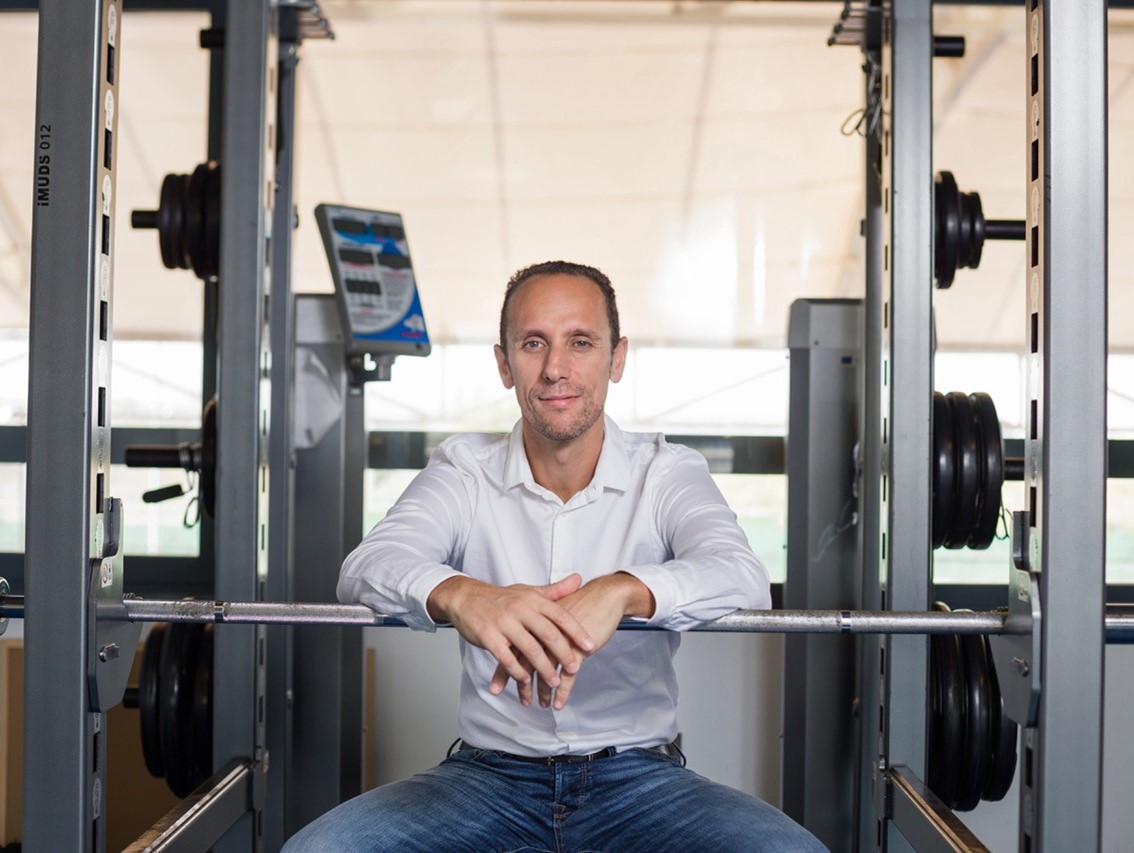
Francisco B. Ortega (Fran) is a Full Professor at the Faculty of Sports Sciences of the University of Granada, Spain . He serves as co-director of the PROFITH research group and co-heads the Physical Activity and Health Promotion Research Unit at the Joint University Institute of Sport and Health (iMUDS). His academic journey includes dual PhDs in Exercise Physiology (University of Granada) and Medical Sciences (Karolinska Institute) and postdoctoral work in Sweden and the USA. PhD, Exercise Physiology - University of Granada PhD, Medical Sciences - Karolinska Institute His research focuses on: Physical fitness assessment and accelerometry Exercise effects on cardiovascular, mental, and brain health Wearable technology applications in sports science Obesity prevention via physical activity Longitudinal health outcomes from adolescent fitness Recent publications highlight trends in global fitness norms , exercise interventions for coronary patients , pediatric obesity prevention through VR , and brain-cognition relationships in children . He received the prestigious Ramón y Cajal Research Fellowship and has led high-impact studies like the ActiveBrains and AGUEDA trials.
Dr. Marianna Chimienti is a Lecturer in Marine Top Predators Ecology at the School of Ocean Sciences, Bangor University. She is a quantitative ecologist specializing in animal movement processes, responses to environmental change, and their links to population dynamics. Her research employs advanced bio-logging technologies including GPS, accelerometers, and Time Depth Recorders to study marine predators across diverse ecosystems from the Arctic to Antarctica. Education: PhD in 'Foraging strategies of diving seabirds across scales: the use of high frequency tracking data to reveal movement decisions in dynamic environments' from the University of Aberdeen (2017) Marianna's research focuses on understanding how, where, when, and why animals move through their environments. She combines fieldwork with statistical and individual-based modeling (IBMs) to investigate movement ecology, habitat conservation, and species monitoring. Her work spans diverse taxa including seabirds, marine mammals, and reptiles across polar, temperate, and tropical regions. She is particularly interested in how environmental changes affect animal energetics, fitness, behavior, decision-making, and habitat use. Her recent publications reveal a strong focus on marine predator ecology, with particular emphasis on penguins, seals, and seabirds. Using innovative approaches including deep learning and advanced statistical modeling, her work addresses critical questions about energy expenditure, foraging behavior, habitat selection, and responses to climate change. Her research bridges the gap between individual behavior and population-level consequences, providing valuable insights for conservation efforts in a changing ocean. Marianna actively supervises postgraduate students and serves as an external examiner for theses at other institutions including Swansea University and La Rochelle University. She is enthusiastic about fieldwork and collaborates with researchers across multiple international institutions to advance understanding of marine top predators.
Menno Douwes is a pediatric cardiologist and researcher at the University of Groningen's Faculty of Medical Sciences, specializing in Vascular Medicine. He holds both MD and PhD credentials, with his doctoral work focused on Pediatric Pulmonary Arterial Hypertension completed cum laude in 2017. His research interests center on advancing the field of congenital heart diseases, with special focus on pulmonary vascular and ventricular adaptation to abnormal loading conditions. His work contributes to UN Sustainable Development Goals related to health and well-being. Dr. Douwes has published extensively in the field of pediatric pulmonary hypertension, with research focusing on risk stratification, therapeutic approaches including prostanoids and pirfenidone, and innovative methods for assessing disease severity through physical activity monitoring. His recent work shows a strong emphasis on translating experimental findings into clinical practice. Dekkerbeurs research grant from Hartstichting (2023) Half-million euro research grant for pediatric cardiovascular research (2023) Dr. Douwes actively contributes to the academic community through organizing conferences including the 5th European Conference on Neonatal and Paediatric Pulmonary Vascular Disease (2023). His research has received significant attention with multiple publications garnering substantial citations and media coverage. His educational background includes a Medical Degree from the University of Groningen (2009), PhD in Pediatric Pulmonary Arterial Hypertension (2017), Pediatrician certification (2019), and Paediatric Cardiologist specialization (2022), demonstrating a dedicated career path in pediatric cardiovascular medicine.
Anders Persson is Professor and Head of the Division of Diagnostics and Specialist Medicine at Linköping University, where he also serves as Director of the Center for Medical Image Science and Visualization (CMIV). His pioneering research develops advanced cardiovascular imaging techniques using photon-counting CT technology and computational fluid dynamics. Professor Persson's innovations include rapid cardiac imaging protocols capturing blood flow in a single heartbeat, AI algorithms for automated coronary calcium scoring, and patient-specific computational modeling of cardiac hemodynamics. His work with SCAPIS (Swedish CArdiopulmonary bioImage Study) examines population-level cardiopulmonary health patterns and atherosclerosis development. Recent publications focus on optimizing photon-counting CT for cardiac applications, reducing metal artifacts from implants, and developing deep learning solutions for cardiac segmentation. His research aims to enable earlier detection of cardiovascular disease through advanced imaging biomarkers. No scientific awards are documented in this profile. Professor Persson leads initiatives translating medical imaging innovations into clinical practice for improved cardiovascular diagnosis.
Dr. Julie Rekant serves as Assistant Professor in the Department of Physical Therapy and Rehabilitation Science at the University of Maryland School of Medicine, concurrently holding a Postdoctoral Advanced Fellowship in Geriatrics at the Baltimore VA Medical Center. Her academic journey includes a BS in Mechanical & Biomedical Engineering (Honors) from Carnegie Mellon University (2014), followed by dual DPT and PhD degrees from the University of Pittsburgh (2018, 2023) as the third graduate of their DPT-PhD in Bioengineering program. Her research integrates engineering and clinical expertise to develop wearable sensor solutions for mobility assessment in aging populations. Key interests include: Early detection of functional decline using accelerometry and IMUs Obesity-specific gait mechanics and mobility disability Physical activity's role in preventing accelerated aging decline Validation of motion capture systems for clinical settings Recent publications demonstrate consistent output in high-impact journals like Sensors and Aging Clinical and Experimental Research , focusing on sensor validation and mobility biomarkers. Notable recognitions include: Dr. Lisa S. Krivickas Clinician Scholar Travel Award (ACSM, 2023) Alicia and Yaya Global Aging Research Fellowship with Costa Rica (2024) Multiple University of Pittsburgh academic awards (2016-2020) Dr. Rekant maintains active clinical work in the Baltimore VA's Balance and Mobility clinic while leading translational research funded through VA collaborations and international fellowships. Her unique dual-degree background enables direct translation of engineering innovations into geriatric rehabilitation practice, with current projects emphasizing sensor-based early intervention strategies for at-risk aging adults.



.jpg)