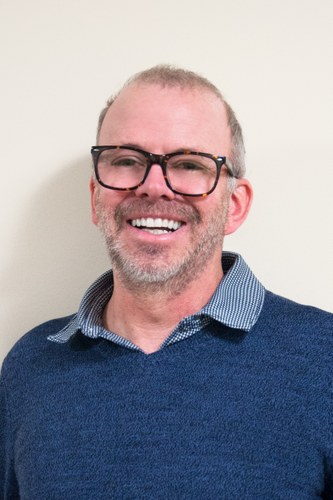
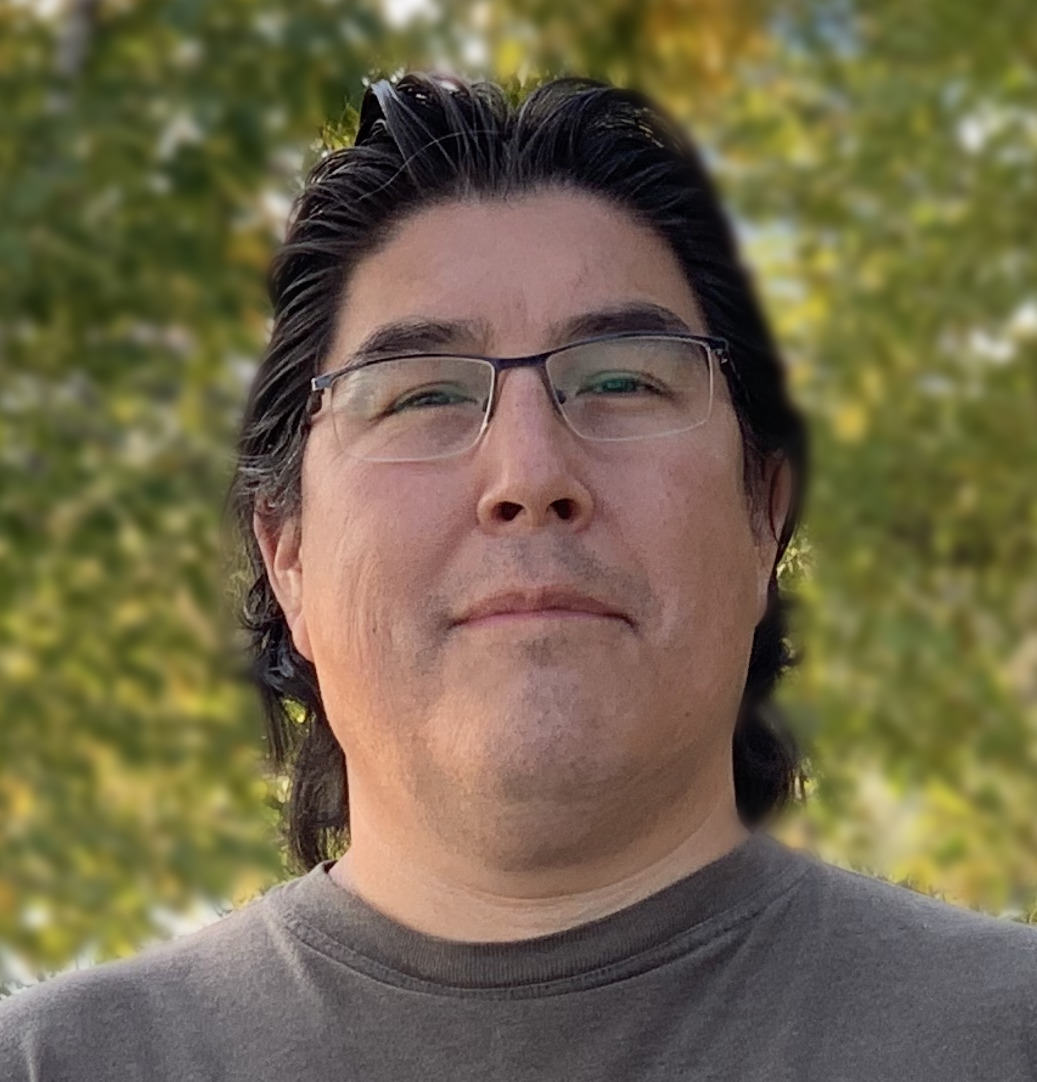
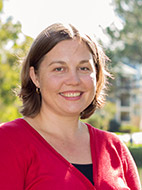
Douglas Bird is Professor of Anthropology at Penn State, researching interactions between social/ecological systems in foraging societies. His collaborative fieldwork with Martu Aboriginal communities examines hunting, fire ecology, and landscape evolution. Key research areas: Ethnoarchaeology of hunter-gatherers Anthropogenic fire regimes Co-evolution of humans/ecosystems Coastal archaeology Field sites include Australia's Western Desert and Torres Strait Islands.
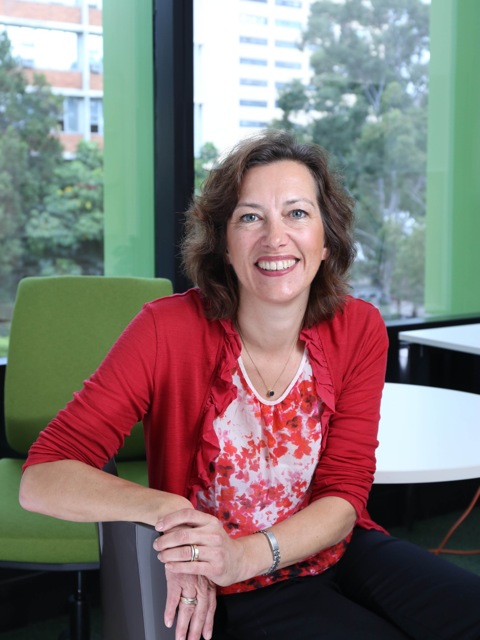
Associate Professor Marilyn Bromberg is an academic and lawyer specializing in Body Image Law, public health law, and social media law. She holds a PhD in social media and the law (2014) and currently serves as Associate Professor at the UWA Law School. Her roles include organizing teaching professional development and membership in UWA's Low Risk Ethics Committee. She has held leadership positions such as Juris Doctor Director and Director of Professionalism at UWA Law School. Her research focuses on legal frameworks addressing social media’s impact on body image, eating disorders, and public health. Key collaborations include work with Harvard University’s STRIPED program and roles in the National Taskforce for Social Media, Body Image, and Eating Disorders. She has secured over $1 million in research grants, including an Australian Research Council Discovery Grant on Body Image Law (2025). M has authored/co-edited books including the upcoming Research Handbook on Social Media and the Law (2025) and is working on solo authored publications. She actively engages with media, speaking at venues like the Australian Federal Parliament, Harvard University, and the Supreme Court of Canada. Awards include the 2024 UWA Law School Award for Research Impact and Innovation. Her teaching includes courses on Social Media and the Law, Law, Advocacy, Activism and Change, and Legal Internship. She also practices law at the Aboriginal Legal Service of WA and adjudicates for the WA Department of Communities.
Marianne Ignace is a Distinguished Professor in the Department of Indigenous Studies and Department of Linguistics at Simon Fraser University (SFU), with a joint appointment. She holds a PhD in Anthropology from SFU and an MA in Cultural Anthropology from the University of Göttingen. Her research focuses on Indigenous knowledge systems, particularly among the Secwepemc (Shuswap) people of the Plateau, emphasizing land use, ethnobotany, traditional ecological knowledge, and language revitalization. She directs the First Nations Language Centre and Indigenous Languages Program at SFU. Education: PhD (Anthropology, SFU), MA (Cultural Anthropology, University of Göttingen) Her work bridges anthropology, linguistics, and applied research, collaborating with First Nations communities to document languages like Secwepemctsin, St’at’imcets, Haida, and Sm’algyax. Key research areas include Secwepemc oral histories, Indigenous legal frameworks, and the intersection of language, environment, and cultural heritage. She has authored/co-authored over 30 peer-reviewed publications, including monographs like Secwepemc People, Land and Laws (2017) and contributed to language revitalization projects such as the Tlli7sa Secwepemc Story App . Dr. Ignace has received numerous awards, including the 2019 Governor General’s Innovation Award for her transformative work in Indigenous language and cultural preservation. She teaches courses on Indigenous ethnobotany, linguistics, and language pedagogy, integrating community-based and digital approaches. Awards: 2019 Governor General’s Innovation Award, 2018 BC Book Prize Finalist, 2005 CUFA BC Career Achievement Award Her advising and grants work includes partnerships with the Secwepemc Cultural Education Society and communities like Skeetchestn, focusing on language immersion programs, cultural impact assessments, and expert witness reports on Indigenous rights. She leads initiatives like the First Nations Language Platform, advancing digital tools for endangered language preservation.
Joshua Manitowabi is an Assistant Professor at Brock University, specializing in Indigenous history and education. He holds a BA and MA from McMaster University and a PhD from Brock University. His research focuses on Indigenous agency in treaty negotiations, decolonizing education through elder knowledge integration, and water sovereignty in First Nations communities. He collaborates with institutions like the Kenjgewin Teg Educational Institute and has advised on treaty-related curriculum development aligned with the Truth and Reconciliation Commission's recommendations. His scholarly interests include ethnohistory, critical cartography, and Indigenous mapping, particularly examining Pontiac’s War, the 1764 Treaty of Niagara, and Indigenous resistance to European colonialism. He is a Potawatomi, Bear clan member of the Wikwemikong Unceded First Nation. Awards: Joseph-Armand Bombardier Canada Award, Bluma Appel Award Scholarship, Harvey Longboat Major Scholarship Professional Roles: History consultant for Nelson Education, member of the Indigenous scholars’ Writers Circle, and former member of Brock’s Aboriginal Research Advisory Circle Current projects include collaborative research on Indigenous water protection strategies and re-examining historical events through Indigenous methodologies.
Associate Professor Sally Ann Nathan is a public health social scientist at the School of Population Health, UNSW Sydney, specializing in youth and vulnerability, drug and alcohol treatment for young people, and community engagement in health service development. She actively partners with non-government organizations, including the Aboriginal Community Controlled Health Sector, to improve health equity for young people and marginalized communities. Her educational background includes a PhD (awarded 2013), Master of Public Health (1996-1999), and Bachelor of Science (Psychology) with Honours (1985-1988), all from the University of New South Wales. Professor Nathan's research program is characterized by innovative use of multiple methods to examine complex psychological, behavioral, community, and socio-political change. Her work focuses on consumer/community participation in health service decision-making, advocacy by the non-government sector, capacity building for health development, refugee settlement, Aboriginal health and wellbeing, and adolescent drug and alcohol treatment. She has published 74 peer-reviewed articles with an H-index of 23 and has secured over $4 million in research grants, including $2.6 million in Category 1 grants. Her research has significant impact across refugee health, Aboriginal health services, youth drug treatment, and community engagement. Recent publications demonstrate methodological diversity with emphasis on mixed methods approaches, data linkage studies, and participatory research with vulnerable populations. 2024 UNSW School of Population Health Excellence in HDR Mentoring 2020 Australian Therapeutic Communities Association Excellence in Research and Evaluation award 2019 UNSW Vice Chancellors Award for Excellence in Teaching Multiple awards for research supervision excellence (2018) Professor Nathan currently supervises six higher degree research students across diverse topics including mental health for psychosocial workers working with refugees, health policy evaluation in rural Australia, and Aboriginal experiences accessing rheumatology services. Her previous students have completed research on NGO drug and alcohol treatment performance measurement, teaching Aboriginal health in public health education, and adolescent health services. She convenes Foundations in Public Health & Health Systems and Qualitative Research Methods courses in postgraduate programs at UNSW.
Alexandra McEwan is a researcher at James Cook University, specializing in Indigenous Australian health, social and emotional wellbeing, and community empowerment. Her work bridges cultural practices with public health and legal frameworks. Research Interests: She focuses on Indigenous health disparities, mental health policy adaptation for remote communities, and the integration of spirituality into population health paradigms. Her studies often involve community-based programs like the Family Wellbeing initiative. Publications: Her research spans topics such as hip hop as a sexual health medium, suicide prevention through men's groups, and legal responses to climate change. Her work emphasizes participatory approaches and cultural sensitivity. Projects: Key collaborations include the Cooperative Research Centre for Aboriginal Health and the National Suicide Prevention Strategy, highlighting her commitment to translating research into policy.
Associate Professor Zohra Lassi is an internationally recognized epidemiologist affiliated with the University of Adelaide’s School of Public Health and Robinson Research Institute. Her work focuses on improving reproductive, maternal, newborn, child, and adolescent health in low-resource settings, with expertise in evidence synthesis and global health policy. She holds an NHMRC Ext-Funded Emerging Leader-2 Fellowship. Education: PhD (2015). Professional roles include Feedback Editor for Cochrane’s Acute Respiratory Infections Group and Technical Advisor to the WHO. Awards include Cochrane’s Kenneth Warren Prize (2011) for exceptional systematic review work. Key research interests: scaling evidence-based interventions, community health worker strategies, and implementation research in health systems. Her work contributed to global maternal and newborn policies, including contributions to Lancet series and WHO guidelines. Publications: Over 200 peer-reviewed articles in top journals (e.g., Lancet, BMJ, PLOS Medicine) plus 10 Cochrane reviews and 11 book chapters. Current studies include preconception health interventions in LMICs, CVD risks in mothers/children with pregnancy complications, and Aboriginal youth health in SA. Awards: Kenneth Warren Prize (Cochrane, 2011), NHMRC Fellowship, invited contributions to five Lancet review groups. Supervision: Currently at capacity for PhD/Masters supervision but open to discussions. Active in mentoring global health researchers and policy advisors.
Annette Woods is a Professor at Queensland University of Technology (QUT), specializing in literacy education, early childhood development, and Indigenous education. Her work emphasizes culturally responsive pedagogy, social justice, and equity in curriculum design. She has led projects such as the Home Languages in Schools initiative (HLinS) and contributed to evaluations like the Stronger Smarter Learning Communities Project . Dr. Woods collaborates extensively with educators and communities to develop inclusive teaching practices. Research Interests: Literacy and numeracy pedagogy for diverse learners Indigenous methodologies and curriculum integration Digital childhood studies and media literacy Teacher professional development and culturally nourishing pedagogies Ethical frameworks for educational research Publications & Projects: Dr. Woods has authored/co-authored over 100 peer-reviewed articles, book chapters, and reports. Notable outputs include the 2020 edited volume Literacies in Early Childhood and the 2024 Digital Child Ethics Toolkit . Her work spans topics from early literacy interventions to systemic educational equity reforms. Grants & Collaborations: Key projects include evaluations of national education initiatives (e.g., National Community Hubs Program) and partnerships with Indigenous communities to enhance educational outcomes. She serves as a lead evaluator for the Stronger Smarter Learning Communities Project, focusing on Indigenous student success. Labs/Teams: Active in QUT's Education research clusters, particularly those addressing digital childhoods and culturally responsive education.
Professor Jennifer Tieman (Flinders University) is a leading Matthew Flinders Professor and Director of the Research Centre for Palliative Care, Death and Dying. As inaugural Dean (Research) of the College of Nursing and Health Sciences, she leads nationally/internationally recognized programs to enhance Australian health/aged care systems through digital knowledge tools like CareSearch , palliAGED , and ELDAC . Education: PhD (Flinders University, 2011), MBA (University of South Australia, 2008), BSc(Hons) (Melbourne University) Research Focus: Digital knowledge translation in palliative/aged care, evidence-based end-of-life resources, home care funding models, and death doula integration. She established Flinders Filters – a bibliometric research group. Teaching: Led the Dying2Learn MOOC (6,000+ enrollments) and developed palliative care training modules for aged care nurses (60,000+ completions). Scientific Awards: Innovation in Palliative Care award (2017, Dying2Learn MOOC) Finalist in 2024 Innovation in Palliative Care Awards Professional Engagement: Sits on National Advisory Group (Doctors Legal Knowledge Project), Advance Care Planning Australia committee, and Palliative Care Australia’s expert panel. Leads the CareSearch project and co-led ELDAC’s Knowledge Hub.
Amanda Keddie is a Professor of Education at Deakin University , affiliated with the School of Education under the Faculty of Arts and Education . Her research focuses on gender , masculinities , and social justice in educational contexts. Key Partners: eSafety Commission, Victoria Police, OurWatch, Australian Research Council Geographic Scope: Australia, England, USA Research Themes include: addressing gender-based violence through education, analyzing online harms for young men, and developing frameworks for gender justice in schools. She emphasizes the importance of Nancy Fraser’s theories on economic, cultural, and political justice in educational systems. Article Trends (2024–2025) show a focus on school autonomy reforms in Australia, healthy masculinities , and the intersection of digital culture with gendered experiences. Her work critically examines neoliberal policies and their impacts on teacher professionalism and student equity . Books: Teaching Boys: Developing Classroom Practices That Work , The Affective Intensities of Masculinity , Young Men’s Online Lives Practical Tools: Working with Men and Boys for Social Justice Assessment Tool Supervision: Available for Masters by Research and PhD candidates. Grants: Funded by the Australian Research Council , eSafety Commission , and AMSANT (Aboriginal Medical Services Alliance Northern Territory).
Eirik Saethre serves as Professor in the Department of Anthropology at the University of Hawaii's College of Social Sciences, teaching core courses including Culture and Humanity, Culture and Health, Anthropology of Sexuality, and Biomedicine and Culture across undergraduate and graduate levels. His academic credentials include: PhD in Anthropology from Australian National University (2004) MA in Philosophy and Social Anthropology from University of St. Andrews (1994) Professor Saethre's research operates at the intersection of medical, political, and queer anthropology, examining suffering, corporeality, displacement, sovereignty, and identity through long-term ethnographic engagement in peripheral geographies. His fieldwork spans Aboriginal Australian desert communities, Johannesburg townships, Belgrade informal settlements, and Cape Town migrant networks, revealing how structural violence shapes health, embodiment, and social relations across diverse cultural contexts. His distinguished teaching has been recognized with: Chancellor’s Citation for Meritorious Teaching (2012) College of Social Sciences Award for Excellence in Teaching (2019) As a serial ethnographer with academic fellowships across four continents, Professor Saethre emphasizes participatory research methods developed during his undergraduate Spiritualist camp fieldwork, though specific details regarding current advisees, research grants, or laboratory affiliations are not documented in available materials.
Dr. Elinor Assoulin is a Lecturer in the School of Global Urban & Social Studies at RMIT University, Australia. She holds a PhD in visual methodologies and decolonized research, alongside a Master of Art Therapy and a Bachelor of Education. Her research focuses on integrating visual methodologies with Indigenous knowledges, particularly through her innovative 'Art Yarning' approach. She teaches research design across undergraduate, Honours, and Master’s programs and collaborates with health and justice sectors to address socio-cultural challenges. Education: Bachelor of Education, Master of Art Therapy, PhD in Visual Methodologies and Decolonized Research. Research Interests: Decolonized research, Indigenous methodologies, visual communication, art therapy in research, and ethical frameworks for Indigenous studies. She emphasizes bridging theory and practice through inclusive pedagogical strategies. Her publications span visual methodologies, intercultural communication, and ethical research practices. She is open to supervising postgraduate students and collaborating on interdisciplinary projects. Teaching Contributions: Coordinates Designing Social Science Research and contributes to research-focused subjects. Her teaching portfolio includes Social Work, Youth Work, and Education programs with courses like Indigenous Studies and Program Management & Evaluation. Collaborations: Engages with health and justice sectors, emphasizing practical applications of research. She has held non-academic roles as an Art Psychotherapist and Case Worker, enriching her academic work with real-world insights.
Dr Ben Bailey is a Lecturer at the University of Newcastle's School of Health Sciences , specializing in Speech Pathology and Developmental Disability research. His work focuses on leveraging Virtual Reality (VR) and Augmented Reality (AR) to enhance communication development in children with Autism Spectrum Disorder (ASD) and other neurodevelopmental conditions . Key Affiliations: University of Newcastle (2020–Present), Flinders University (2020–2023), University of Technology Sydney (2019–2020) Education: Doctor of Philosophy (University of Sydney), Bachelor of Speech Pathology (University of Newcastle) His research explores interdisciplinary practice to co-design literacy instruction and digital interventions (VR/AR) for children with Down syndrome , cerebral palsy , and ASD . Notable projects include the DISCOVR VR prototype and InterPlay AR application . He has supervised PhD and Honours students on topics like Vocabulary Development in ASD and Communication Skills in Kindergarten . Publications span telepractice literacy , eye-tracking , and cross-cultural autism studies in Indigenous Australian communities. Current Teaching: Course coordinator for Language, Literacy and Hearing and Research Review at the University of Newcastle (2024).
Professor Natalie Ciccone is a Professor in Speech Pathology at Edith Cowan University's School of Medical and Health Sciences. She joined ECU in 2009 after working in Speech Pathology programs at Curtin University since 1999. Professor Ciccone is currently involved in two NHMRC-funded projects: a multi-centre randomized control trial of very early intervention for people with aphasia after stroke and an exploration into communication disorders after stroke and traumatic brain injury in Aboriginal peoples in Western Australia. Her educational background includes a Doctor of Philosophy in Human Communication Science from Curtin University of Technology (2003) and a Bachelor of Science in Speech & Hearing Science from the same institution (1996). Professor Ciccone's research focuses on neurogenic communication disorders, particularly aphasia intervention, clinical decision making, communication difficulties after stroke in Aboriginal Australians, and the use of discourse in the analysis and treatment of aphasia. Her work bridges clinical practice with culturally responsive care, emphasizing the importance of understanding communication disorders within specific cultural contexts, particularly for Aboriginal populations. Analysis of her recent publications reveals a strong emphasis on culturally responsive rehabilitation for Aboriginal Australians with brain injuries, early intervention for aphasia after stroke, treatment fidelity in clinical trials, and innovative educational approaches in speech pathology. Her work shows a consistent trajectory toward addressing health disparities and developing culturally safe rehabilitation practices. Member of the Editorial Committee for the Journal of Clinical Practice in Speech Language Pathology Active participant in national and international speech pathology and allied health conferences Professor Ciccone has supervised numerous research students, including PhD candidates and Master's students, with projects focusing on aphasia rehabilitation, simulation-based learning, and culturally responsive care. Her research projects have secured substantial funding from organizations including the National Health and Medical Research Council, Department of Health WA, and the Perron Institute for Neurological and Translational Science. She has led projects totaling over $8 million in research funding, with current projects focusing on AI-driven virtual character simulation for aggression de-escalation training and enhancing rehabilitation services for Aboriginal Australians after brain injury. Professor Ciccone maintains active clinical connections, having worked as a speech pathologist in acute and rehabilitation hospital settings as well as community-based clinics in Perth and Darwin, primarily working with patients with communication and swallowing difficulties following stroke and head injury.
Professor James Charles is a Kaurna man and the Director of the First Peoples Health Unit at Griffith University. He holds a Professorial position in the School of Human Services and Social Work. His academic journey includes a BPod from the University of South Australia (2000-2004), an MThSci (Podiatry) from the same institution (2004-2008), and a PhD in Aboriginal Foot Health from the University of Newcastle (2013-2016). His research focuses on Aboriginal health equity, diabetes management, foot care, and cultural competency in healthcare. He has led projects funded by NHMRC and APERF, including the Queensland Diabetes Footcare Hubs and the Torres Strait Islander Adolescent Health Roadmap. Notable awards include the NAIDOC Scholar of the Year (2017) and UNESCO's Scientific Education Award (2019). Prof. Charles has supervised multiple PhD students, including Dr. Hannah Beks and current student James Gerrard. His teaching emphasizes Indigenous health research, cultural safety, and Kaurna cultural practices. He has held leadership roles, such as Chair of Indigenous Allied Health Australia (2009-2010), and contributed to national committees like Close the Gap (2008-2009). Recent publications highlight healthcare co-design, diabetes footcare equity, and Aboriginal adolescent health. His work bridges Indigenous knowledge systems with Western medicine, particularly in podiatry and mental health innovations.