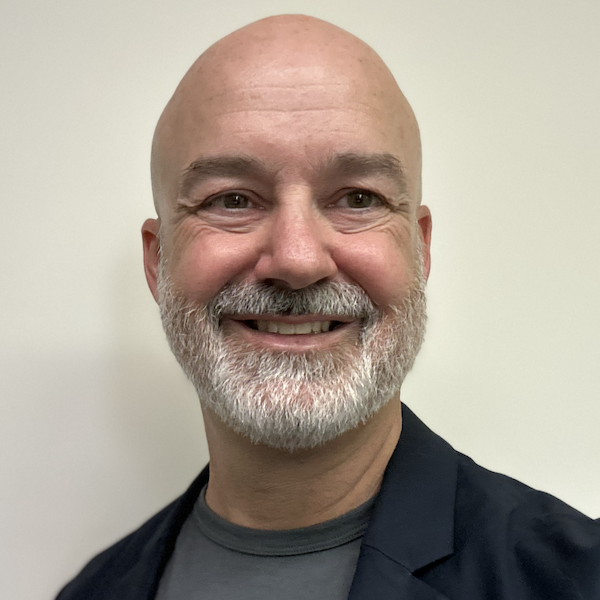
Don Adjeroh is a Professor and Associate Chair in the Lane Department of Computer Science and Electrical Engineering at West Virginia University (WVU). He serves as Graduate Coordinator for CS programs and has led multiple NSF-sponsored projects including Bridges in Digital Health and Multi-Scale Integrative Approach to Digital Health . His research focuses span Machine Learning , Bioinformatics , Computational Biology , and Data Compression . NSF CAREER Award recipient Collaborated with institutions like University of Central Florida and University of Canterbury Led workshops on Plant Image Analysis and Long Non-Coding RNA research His academic contributions include co-authoring the book The Burrows Wheeler Transform: Data Compression, Suffix Arrays, and Pattern Matching (Springer, 2008) and developing software tools like BSMP and PSA for data compression and protein family modeling. He teaches graduate-level courses in String Algorithms and Information Theory , with former projects involving undergraduate and graduate students in DNA microarray image processing and 3D video compression research. Key Scientific Awards : NSF CAREER Award NASA-WV Space Consortium funding WV-EPSCOR grants NSF-CITeR support DOD-ONR/DHS/DOJ/NIJ/NHPRC sponsorships
Dr. Orland Hoeber is a Professor and Head of the Department of Computer Science at the University of Regina. He holds a Ph.D. in Computer Science from the University of Regina, and his research focuses on developing visual and interactive tools for information exploration in digital libraries and mobile search environments. His work bridges information retrieval, human-computer interaction, and data visualization to support complex search tasks. Education: Ph.D. Computer Science, University of Regina (2007) M.Sc. Computer Science, University of Saskatchewan B.Sc. Mathematics, University of Saskatchewan Dr. Hoeber's research examines how people interact with information systems, with particular emphasis on visual interfaces that support exploratory search behaviors. His lab investigates novel approaches to representing search results, understanding mobile search interruptions, and analyzing social media data for sport analytics. Recent work explores cross-device search patterns in academic contexts and interface designs that facilitate serendipitous discovery. His publications demonstrate a consistent focus on human-centered approaches to information system design, with recent work examining multimodal evaluation techniques and search behavior in digital humanities. Article keywords frequently include information retrieval, visualization, and interactive systems, reflecting his interdisciplinary approach. Dr. Hoeber actively mentors graduate students and postdoctoral fellows in his research group, supervising projects on exploratory search behavior, information visualization, and user interface evaluation. He has served as Associate Head (Graduate) and currently leads the Department of Computer Science.
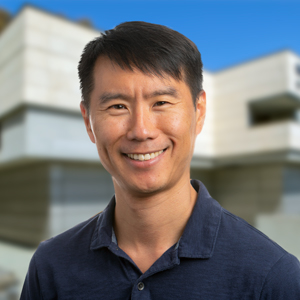
Andrew Su, PhD, is a Professor in the Department of Integrative Structural and Computational Biology at Scripps Research. He holds the Elden and Verna Strahm Chair for Medical Research. His lab focuses on biomedical discovery using quantitative methods, leveraging computational tools and data mining to address challenges in genetics, cancer biology, immunology, and genomics. Su's team develops open-source platforms like BioGPS and the Gene Wiki, emphasizing community-driven knowledge sharing. Key projects include genome-wide association studies, eQTL analysis, and collaborations on large-scale biological datasets. Education: PhD in Chemistry, The Scripps Research Institute, 2002 B.A. in Chemistry, Computing and Information Systems, Integrated Science, Northwestern University, 1998 Research Interests: Computational biology, drug repurposing, bioinformatics tool development, cancer genomics, immunology, and open science initiatives. His work bridges computer science and biology to create tools that accelerate biomedical research and democratize data access. Collaborations & Impact: Su collaborates globally on projects ranging from spatial transcriptomics to SARS-CoV-2 drug discovery. His lab's contributions include the ReFRAME drug repurposing library and frameworks for genomic variant interpretation (e.g., CIViC, CAGI). These efforts highlight his commitment to translational research and open data principles. Lab & Team: The lab employs graduate students, postdocs, and bioinformatics experts. Projects emphasize open-source tool development, large-scale data analysis, and interdisciplinary collaborations. The team's work is showcased through platforms like Outbreak.info and the EXRNA Atlas.
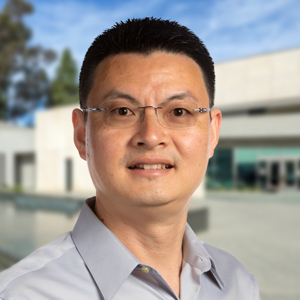
Chunlei Wu is a Professor at The Scripps Research Institute in the Department of Integrative Structural and Computational Biology. He leads a team developing large-scale biomedical data integration systems and tools, focusing on applying data science and cloud computing to advance biomedical discovery. His work emphasizes semantic knowledge representation, API-driven resource discovery, and open science infrastructure. Affiliations: Scripps Research Institute (2021–Present: Tenured Professor; 2017–2021: Associate Professor) Education: PhD in Biomathematics/Biostatistics (2006, UT Health Science Center Houston), B.S./M.S. in Biochemistry (1997/2000, Nanjing University) Research Interests: Wu’s lab creates foundational tools like MyGene.info, MyVariant.info, and BioThings SDK, which serve as scalable APIs for querying gene, variant, and chemical data. These platforms support drug discovery, genomic analysis, and pandemic response (e.g., Outbreak.info for SARS-CoV-2 surveillance). His work bridges data interoperability challenges through semantic integration and FAIR principles. Awards: Recognized for contributions to biomedical informatics, including the 2017 ESWC Best In-Use Paper Award and hackathon victories for API development. His tools are widely adopted, with MyGene.info processing ~30M monthly API requests. Labs/Teams: A multidisciplinary team includes senior scientists (e.g., Ginger Tsueng), programmers, and developers focused on API engineering, bioinformatics pipelines, and community engagement.
Selçuk KORKMAZ is an Associate Professor in the Department of Biostatistics at Trakya University Faculty of Medicine. His interdisciplinary research bridges computational methods with biomedical applications, focusing on machine learning approaches for biological data analysis. Educational Background: Bachelor's Degree (2008): Ege University Faculty of Science, Department of Statistics Master's Degree (2011): Ege University Faculty of Medicine, Department of Biostatistics and Medical Informatics Doctoral Degree (2016): Hacettepe University Faculty of Medicine, Department of Biostatistics Dr. Korkmaz's research primarily focuses on machine learning applications in biostatistics, with particular emphasis on epigenetics, proteomics, and computer-aided drug design. His work demonstrates strong interdisciplinary connections between computational methods and clinical applications. He has developed novel approaches for biological assembly evaluation and protein-protein interface analysis during his visiting scientist position at the RCSB Protein Data Bank (University of California, San Diego) from April 2015 to March 2016. His recent publication trend shows a strong focus on developing computational tools (particularly R packages) for biomedical data analysis, with significant contributions in protein data bank interfaces, chemical database access, and biological variation analysis. His work spans multiple disciplines including bioinformatics, medical imaging analysis, and drug discovery applications. Dr. Korkmaz has served as an Assistant Professor at Trakya University since 2017 and was promoted to Associate Professor in 2021. Prior to this, he worked as a Research Assistant at Hacettepe University Faculty of Medicine Department of Biostatistics from June 2012 to November 2016.
Daoyuan Wu is an Assistant Professor at the School of Data Science, Lingnan University, Hong Kong, one of eight UGC-funded universities in the region. Previously, he held positions as a Research Assistant Professor at HKUST CSE, Senior Research Fellow at Nanyang Technological University, Senior Researcher at Huawei HKRC, and Research Assistant Professor in the Department of Information Engineering at The Chinese University of Hong Kong (CUHK), where he also served as an Adjunct Assistant Professor from 2022-2023. His research focuses on the intersection of Large Language Models and security, with specialization in LLM for Security and Security of AI/Blockchain/Code/Mobile . His work spans multiple domains including AI/LLM4Sec (using LLMs for vulnerability detection), AI/LLM-Sec (securing LLMs themselves), Blockchain and Web3 Security, and Mobile and Software Security. He leads the AIS2Lab which is actively researching LLM applications in cybersecurity contexts. His recent publications demonstrate a strong trend toward applying LLMs to security problems across multiple domains, with significant contributions to smart contract security through tools like PropertyGPT (which received a Distinguished Paper Award at NDSS 2025), GPTScan, and ACFix. His work combines program analysis with LLM capabilities to address complex security challenges that traditional methods struggle with. Distinguished Paper Award at NDSS 2025 for PropertyGPT: LLM-driven Formal Verification of Smart Contracts through Retrieval-Augmented Property Generation Dr. Wu actively advises PhD and research students, with several former students now working at top institutions and companies including Huawei, OKX, and academia. He's currently hiring PhD students for Fall 2026 with scholarship support of approximately HK$19,000 per month. His lab receives funding from multiple internal and external grants supporting PhD students, RAs, and PostDocs. He leads the AIS2Lab which focuses on AI/LLM applications in security contexts across multiple domains including blockchain, mobile security, and software security. The lab maintains active collaborations with researchers at top institutions globally and has developed multiple influential tools and frameworks for security analysis.
Dr. Tim Gerrits is a researcher at the Institute for Visualization (VIS) at RWTH Aachen University, where he leads the Visualization Team. His work bridges scientific visualization, high-performance computing, and immersive technologies, with a strong focus on in-situ and in-transit analysis for large-scale simulations. University: RWTH Aachen University Institute: Institute for Visualization (VIS) Role: Lead of the Visualization Team Tim Gerrits' research centers on developing tools and frameworks for efficient and interactive visualization of complex scientific data. His interests include ensemble data analysis, uncertainty visualization, virtual reality interaction techniques, and leveraging game engines like Unreal Engine for scientific applications. He is particularly active in the domain of neuronal network simulations and oceanographic modeling. His recent publications highlight a strong trend toward accessible, real-time, and hybrid visualization workflows. He has contributed to the development of DaVE, a curated database of visualization examples to support HPC users, and Insite, a lightweight pipeline for in-transit processing in neuroscience simulations. His work emphasizes usability, performance, and integration with existing scientific workflows. Scientific Awards: Best Paper Award at IEEE Uncertainty Visualization Workshop, 2024 Honorable Mention Award at Eurographics Workshop on Visual Computing for Biology and Medicine (VCBM), 2022 Dr. Gerrits actively mentors and collaborates on interdisciplinary projects involving computational neuroscience and climate modeling. He has led the curation of datasets for the IEEE SciVis Contest and promotes open science through Zenodo-hosted resources. His lab focuses on building scalable, user-centered visualization systems that empower domain scientists to gain early insights from massive simulations.
Dinis O. Abranches serves as an Assistant Researcher in the Department of Chemistry at the University of Aveiro, Portugal, conducting research within the G6 - Virtual Materials and Artificial Intelligence group at CICECO (Aveiro Institute of Materials). His work bridges computational chemistry, artificial intelligence, and sustainable materials engineering with institutional recognition evidenced by CICECO's 37 positions in Stanford's 2024 World's Top 2% Scientists list. His academic credentials include: PhD in Chemical Engineering, University of Notre Dame (2024, GPA 4.0/4.0) MSc in Chemical Engineering, University of Notre Dame (2023, GPA 4.0/4.0) MSc in Chemical Engineering, University of Aveiro (2020, GPA 19/20) BSc in Chemical Engineering, University of Aveiro (2018, GPA 19/20) Dr. Abranches' research program pioneers the integration of machine learning with thermodynamic modeling to design sustainable solvents, focusing on deep eutectic solvents, ionic liquids, and hydrotropes. His work targets critical applications in battery recycling, pharmaceutical formulation, and biomass valorization through non-covalent interaction engineering and physicochemical property prediction. This interdisciplinary approach positions him at the convergence of AI-driven materials discovery and green chemistry innovation. Analysis of his 2024-2025 publications reveals dominant themes in AI-enhanced solvent characterization, with 80% of recent work focusing on deep eutectic systems. Key methodological trends include sigma profile-based digital chemical spaces, vibrational spectroscopy validation, and active learning for high-throughput experimentation. Application areas span energy storage (redox behavior studies), pharmaceuticals (antimalarial DES design), and circular economy (lignin dissolution), demonstrating consistent translation from computational prediction to experimental validation. He actively supervises PhD candidate Rafael Alexandre Farinha Serrano and contributes to the European Commission's REVITALISE project, which develops novel recycling methodologies for lithium-ion and sodium-ion batteries through: High-purity pre-treatment of low-value battery components Direct recycling approaches for cathode materials Green hydrometallurgical extraction processes As a core member of CICECO's G6 research group, he participates in cutting-edge initiatives at the AI-materials science interface, including ERC-funded programs on AI for materials science and contributions to Nobel-recognized protein design methodologies. The group's work aligns with 2024 Nobel Prize themes in Chemistry and Physics through computational solvent design and machine learning applications.
Dr. Katie Paxton-Fear is a Lecturer in Cyber Security at Manchester Metropolitan University, specializing in the intersection of data science, AI, and security. Her research focuses on applying data science and AI to cybersecurity challenges while addressing security concerns within AI/ML systems. She is an active web security researcher and educator, contributing free resources via YouTube. Her work includes vulnerability discovery in organizations like Verizon and the Department of Defense, and she explores ancient language decipherment as a side interest. Paxton-Fear holds a PhD in Defence and Security from Cranfield University and a BSc in Computer Science from Salford University. She teaches undergraduate and postgraduate courses on Security Fundamentals, Penetration Testing, and IoT Security. Her research interests span interdisciplinary topics such as secure development practices, API/web security for cyber-physical systems, and leveraging NLP for insider threat analysis. She advocates for collaboration between developers and security professionals, emphasizing proactive security measures. Paxton-Fear is also a media commentator featured in outlets like BBC, ZDNet, and Wall Street Journal, discussing bug bounty programs and diversity in cybersecurity. Her recent publications highlight forward-looking cybersecurity frameworks, prototyping for secure systems, and computational methods for ancient language analysis. She emphasizes data-driven approaches in security research and promotes accessibility to advanced tools like NLP for defense applications. Beyond academia, she actively engages in bug bounty hunting and maintains a YouTube channel dedicated to demystifying cybersecurity concepts for beginners.
Feliu Maseras is a Professor and Group Leader at the Institute for Chemical Research of Catalonia (ICIQ-CERCA) , where he leads a research group focused on computational chemistry and its application to catalytic processes. His work bridges theoretical modeling and experimental collaboration, particularly in homogeneous catalysis, mechanochemistry, and photocatalysis. Education: PhD in Chemistry, Autonomous University of Barcelona (1991) Postdoctoral Training: Okazaki, Japan (Prof. Morokuma); Montpellier, France (Prof. Eisenstein) Academic Position: Associate Professor, UAB (1998–2004); Group Leader, ICIQ (2004–present) His research interests center on computational homogeneous catalysis , with a strong emphasis on DFT and QM/MM methods . He investigates cross-coupling , C–H activation , photocatalysis , mechanochemistry , and organic electrosynthesis . A key methodological focus is microkinetic modeling to connect computed energies with experimental kinetics, and the discovery of hidden descriptors using statistical analysis of large DFT datasets. The recent publications highlight a strong trend in mechanochemistry , photocatalysis , and transition metal catalysis , with increasing integration of artificial intelligence and data-driven methods . Many studies involve close collaboration with experimental groups, validating computational predictions. Scientific Awards: Rafael Usón Medal (2024) Miguel Catalán-Paul Sabatier Award (2024) Bruker Prize in Physical Chemistry (2011) Chemical Society Lecture Award, RSC (2008) Prof. Maseras has supervised 24 doctoral theses and hosted numerous postdoctoral researchers. His group is currently supported by grants such as the MECHAPHOTOCOMP project (Ministry of Science) and the Beatriu de Pinós fellowship. He serves as Associate Editor of ACS Catalysis and on the Editorial Advisory Board of Chemical Society Reviews . The research group includes PhD students, postdocs, technicians, and administrative staff, fostering a collaborative and interdisciplinary environment. Laboratory and Teams: The Maseras Group at ICIQ operates within a state-of-the-art research infrastructure, utilizing high-performance computing and collaborating with experimental teams across Europe. The group actively develops computational tools and models to advance understanding in sustainable synthesis and catalysis.
Dr. Yanqing Ji is a Professor in the Department of Electrical and Computer Engineering at Gonzaga University, specializing in biomedical informatics and high-performance computing. He serves as an editor for the Journal of Digital Signal Processing and a reviewer for 23 international journals. Education: Ph.D. in Computer Engineering, Wayne State University M.Sc. in Physical Electronics, University of Science & Technology of China B.E. in Industrial Automation, Qingdao University Dr. Ji's research focuses on biomedical association mining, adverse drug reaction detection, and parallel/cloud computing applications in healthcare. His work integrates machine learning, fuzzy logic, and multi-agent systems to enhance drug safety surveillance and biomedical literature search. His publications emphasize scalable MapReduce solutions for biomedical text mining, temporal association mining for drug interactions, and intelligent agent systems for pharmacovigilance. These span prestigious conferences like IEEE BIBM, ITNG, and NAFIPS, alongside journals such as BMC Bioinformatics and IEEE Transactions on Knowledge and Data Engineering . Scientific awards include NIH R21, AHRQ R18 grants, and NSF-funded projects (IGERT 9987598, MRI 9977815, ITR 0081696). He has led system design for distributed healthcare applications and optimized decision models using genetic algorithms.
Prof. Jörg F. Wollert serves as Professor at Aachen University of Applied Sciences (FH Aachen), Germany, where he leads research within the MASKOR institute focusing on next-generation manufacturing systems. His academic career spans over two decades with continuous contributions to industrial automation, evolving from early wireless communication research to current Industry 4.0 leadership. Research focuses on semantic interoperability frameworks for field-level device integration, human-centered gamification in manufacturing workflows, and resilient multi-agent control systems for smart factories. His work bridges theoretical ontologies with practical implementations, emphasizing worker experience through VR training systems and digital assistance. Recent publications demonstrate growing emphasis on context-aware capability inference and adaptive production environments . Analysis of his 2022-2025 publications reveals three dominant trajectories: (1) Semantic architectures for field device interoperability (40% of recent work), (2) Gamification mechanisms enhancing human performance (35%), and (3) Multi-agent systems for production resilience (25%). His research consistently addresses the human-technology interface, with 70% of recent articles incorporating human factors considerations. As founder of the Wireless-Technologies-Kongress series (2006-2008), Prof. Wollert established early frameworks for industrial wireless communication now foundational to Industry 4.0. His MASKOR institute team develops practical implementations including the Digital Twin Academy initiative and IO-Link integration frameworks currently deployed in German manufacturing SMEs.
David Hoksza is an Associate Professor at the Department of Software Engineering, Faculty of Mathematics and Physics, Charles University in Prague. His work bridges bioinformatics and computational biology through innovative algorithm and tool development. University: Charles University School: Faculty of Mathematics and Physics Department: Department of Software Engineering His research focuses on structural bioinformatics and data visualization, particularly in protein and RNA structure analysis. He has also contributed to cheminformatics (ligand-based virtual screening), computational genomics (MinION data analysis), and systems biology (molecular network visualization). David has led major projects including the P2Rank framework for ligand-binding site prediction, R2DT for RNA secondary structure visualization, and the Genomics 2 Proteins portal for linking genetic data to protein structures. His publications span high-impact journals like Nucleic Acids Research , Bioinformatics , and Nature Methods . Recent articles highlight his expertise in RNA structure prediction, protein-ligand interactions, and neurodevelopmental disorder analysis. His work emphasizes template-based modeling, machine learning, and web-based tool development. Scientific Awards David actively teaches courses on data visualization and bioinformatics algorithms, with a focus on practical implementation using technologies like D3.js, Tableau, and Python. He contributes to open-source software and maintains a GitHub repository for his tools.
Professor Eric J Palmiere at the University of Sheffield's School of Chemical, Materials and Biological Engineering is a world-leading expert in ferrous physical metallurgy and thermomechanical processing with over 35 years of experience. His research focuses on microstructural evolution during metalworking and has collaborated with industries in automotive, aerospace, energy, and construction sectors. POSCO Chair in Iron and Steel Technology Research Theme Lead - Materials Discovery and Characterisation Research Interests: Specializes in microstructural evolution of ferrous and non-ferrous alloys, particularly examining strain-induced precipitation, recrystallization kinetics, and phase transformations under industrial processing conditions. Key projects include: Development of high-modulus steels for automotive Friction effects in multipass hot deformation Fusion energy steel development Advanced pipeline steel processing (API X70-X100) Scientific Contributions: Over 170 high-impact publications with focus on austenite decomposition, strain reversal effects, and niobium-based precipitation. Key methodologies involve EBSD analysis, thermomechanical simulation, and multiscale modeling. Awards: Recipient of the 2024 Tom Colclough Medal and IOM3's Charles Hatchett Award (1995).
Dr. Maikel Verouden is a Lecturer and Researcher at Wageningen University & Research's Biometris (merged Mathematical and Statistical Methods group and Business Unit Biometris). He holds a PhD in Biosystems Data Analysis from the University of Amsterdam and has expertise in statistics, statistical genetics, R programming, and software development. His roles include teaching courses on statistics and R, managing IT infrastructure for Biometris, and representing the Plant Science Group on WUR's IT User Council. Education: PhD in Biosystems Data Analysis (2012, University of Amsterdam), MSc in Chemistry (2005, University of Amsterdam), and BSc in Environmental Analytical Chemistry (1998, HAN University of Applied Sciences). Research focuses on statistical software development (e.g., R packages for genomic analysis), proficiency testing in statistics, and systems biology of microorganisms. He has contributed to projects like the BrAPI interface for plant breeding and the Integrated Breeding Platform. His work bridges statistical methodologies with practical applications in agriculture and life sciences. As IT contact, he coordinates technical support for Biometris, liaising with IT facilities and managing high-performance computing resources. His open-source contributions include R packages like 'brapir' for Breeding API integration.