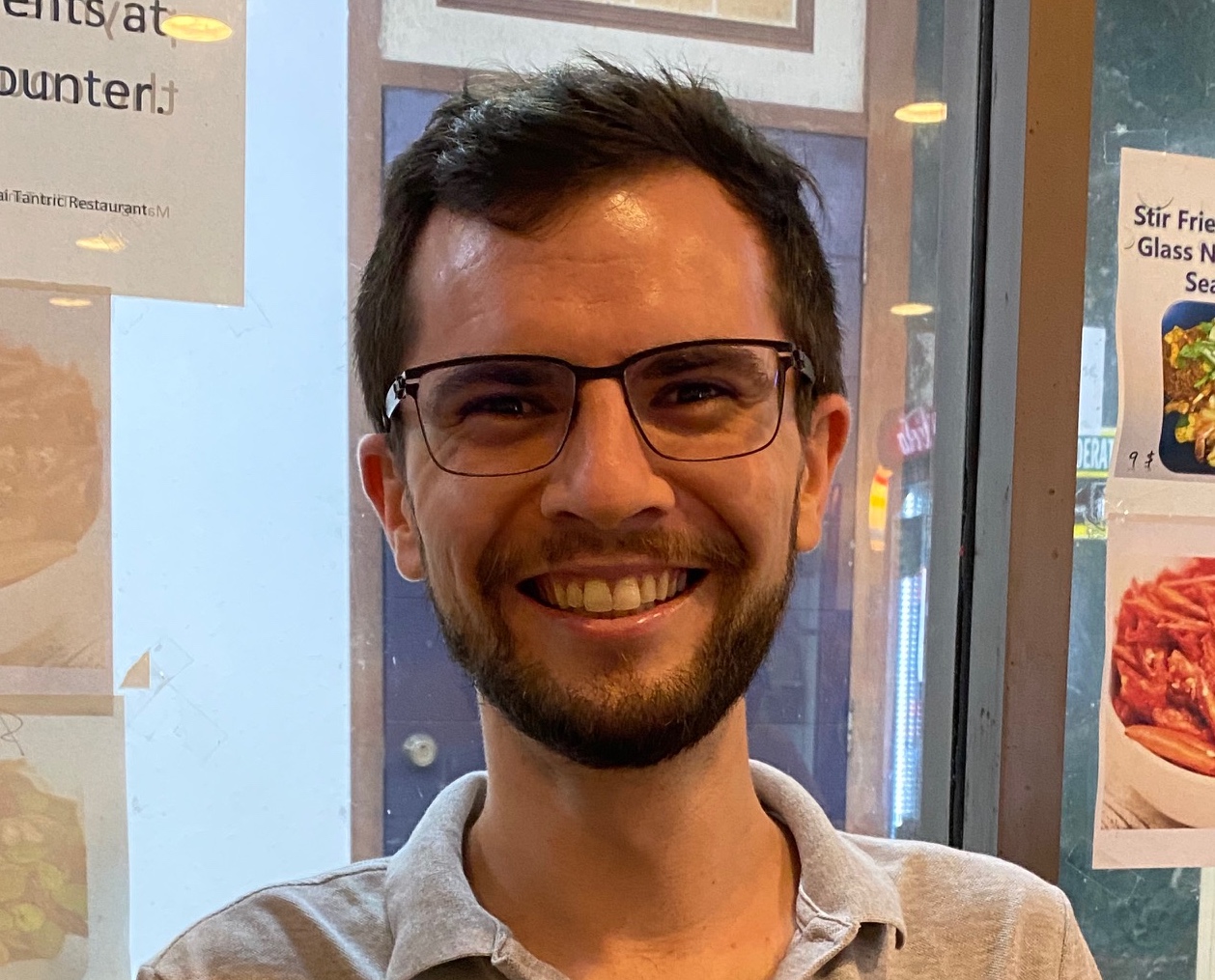
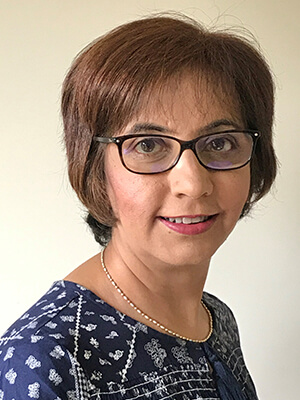
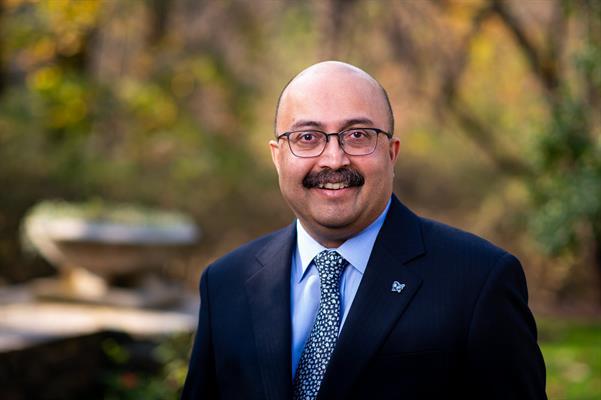
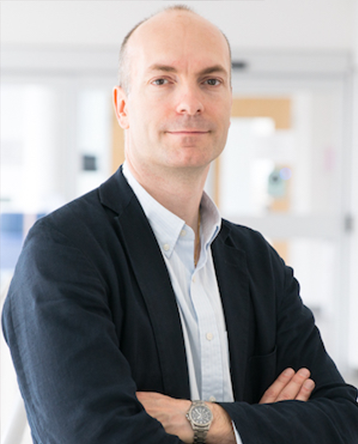
Greig Paul is a Researcher at the University of Strathclyde , affiliated with the Department of Electronic and Electrical Engineering within the College of Science and Engineering. His work focuses on computer networks, IoT infrastructure, and cybersecurity , with contributions to network performance analysis and privacy policies. StrathCyber Knowledge Exchange Power Networks Demonstration Centre Research interests include: Cybersecurity frameworks for decentralized systems Comparative analysis of LoRaWAN and NB-IoT networks 5G ecosystem policy and user experience Notable projects: EPSRC Doctoral Training Grant (2013–2017) ENA Flex API Tactical Assessment (2023–2024) Scientific Impact: Scopus citations: 62 Research readership: 131 Active in UK5G advisory roles and industry conferences as invited speaker.
Dr. Laura Moreno is a recent Software Engineering PhD graduate from the University of Texas at Dallas (UTD) and will join Colorado State University as an Assistant Professor in the Computer Science Department this fall. Her research focuses on automating software documentation through source code summarization, release notes generation, and method usage examples, aiming to improve developer productivity and software maintainability. Education: PhD in Software Engineering (UTD), supervised by Dr. Andrian Marcus. Laura’s work bridges Software Engineering with techniques from Natural Language Processing and Data Mining . Her recent publications (ICPC’13, FSE’14, ICSE’15) explore automated documentation for code artifacts, combining code analysis with repository mining. These projects emphasize practical solutions for real-world software evolution challenges. She has actively contributed to academic events like the TEASER Doctoral Symposium and conference committees, while advising future PhD candidates to prioritize time management and engagement with departmental opportunities. Laura’s future academic goals include advancing research in automated documentation and mentoring students in software engineering.
Marko Seppänen is a Professor of Industrial Management and the incoming Dean of the Faculty of Management and Business at Tampere University, effective April 1, 2025. He leads the Research Centre for Managing Circular Economy (ManCE) and has an extensive publication record with over 200 research outputs spanning two decades. Professor Seppänen's research focuses on digital platforms and new value creation mechanisms, ecosystem building (particularly in bio- and circular economy), technology management and innovations, and new business development. His work bridges theoretical frameworks with practical applications in industrial contexts, with a strong emphasis on sustainable business models and digital transformation. His research has significant implications for both traditional industries undergoing digital transformation and emerging sectors focused on circular economy principles. His recent publications demonstrate a clear trend toward examining business model innovation in the context of digital platforms, electrification, and sustainability. His work spans multiple industries including heavy machinery, urban innovation, and API ecosystems. A significant portion of his research explores how organizations can successfully navigate digital transformation while creating value in emerging ecosystems, with particular attention to stakeholder management, temporal dynamics, and task-technology fit. Recipient of 5 significant prizes (specific awards not detailed in available information) Extensive media coverage with 3 press/media mentions Active in 130 professional activities Professor Seppänen has supervised numerous doctoral and master's students (though specific names not provided in available information) and has secured multiple research grants supporting his work on circular economy, digital platforms, and business model innovation. His research has practical applications across multiple industries and has influenced both academic discourse and business practice. He leads the Research Centre for Managing Circular Economy (ManCE), which focuses on developing practical frameworks for implementing circular economy principles in industrial contexts. The center brings together interdisciplinary teams to address challenges in sustainable value creation, resource efficiency, and business model innovation for the circular economy.
Chris Poskitt is an Associate Professor of Computer Science (Education) at the School of Computing and Information Systems (SCIS) at Singapore Management University (SMU). He also serves as Director of the BSc (IS) Smart-City Management & Technology Major and Director of Undergraduate Administration at SCIS. Dr. Poskitt is an active member of the System Analysis and Verification (SAV) research group within SCIS. Dr. Poskitt completed his PhD in 2014 at the University of York (UK) under the supervision of Detlef Plump. Prior to joining SMU, he was a postdoctoral researcher for three years at ETH Zürich, where he worked with Bertrand Meyer. His academic journey reflects a strong foundation in formal methods and software engineering principles. Dr. Poskitt's research broadly addresses the problem of engineering correct and secure software and systems. His work spans several key areas including software engineering, formal methods, cybersecurity, and computer science education. He has developed innovative techniques for testing and defending cyber-physical systems using fuzzing and machine learning, tools for analyzing execution models of concurrency APIs, and logics for reasoning about the correctness of graph-rewriting programs. His research projects include AI agent safety, autonomous vehicle testing, critical infrastructure security, defending cyber-physical systems, analyzing actor-like concurrency models, verifying graph programs, and software engineering education. Dr. Poskitt's recent publications (2024-2026) demonstrate a strong focus on safety and security of autonomous systems, particularly autonomous vehicles and LLM agents. His work combines formal methods with practical applications, addressing challenges in runtime enforcement, causality analysis, and automatic repair of system behaviors. There's a clear progression from foundational work on graph transformation and formal verification toward applied research on cyber-physical systems and AI safety, with an increasing emphasis on real-world impact. Dr. Poskitt serves as research advisor to students including Huang Shaofei, WANG Haoyu, and ZHAO Lu. His research has been supported by various grants that have enabled publications across top software engineering and security venues including ICSE, FSE, ASE, and IEEE Transactions. He has served on numerous prestigious program committees including ICSE, FSE, ASE, and ICGT, indicating recognition by his peers in the software engineering community. Dr. Poskitt is part of the System Analysis and Verification (SAV) group at SMU's School of Computing and Information Systems. This research group focuses on formal methods and verification techniques for software systems, with particular emphasis on safety and security properties. His work often involves collaboration with researchers at institutions including ETH Zürich and other international partners.
Christian Macho is a Researcher affiliated with the Institute of Computer Science Systems at Alpen-Adria-Universität Klagenfurt. He is a Postdoc Assistant and holds roles in university governance as a Member of the Senate and Member of the Works Council for Academic University Staff, demonstrating his involvement in institutional leadership. His research focuses on software engineering challenges, particularly in build systems, API design, dependency management, and empirical studies of developer practices. His work spans topics such as log parsing, automated API change detection, and spreadsheet usability. He contributes to open-source tools like BuildDiff and AutoGuard, addressing real-world software maintenance issues. His publications highlight a strong empirical approach, analyzing data from platforms like Travis CI and Stack Overflow to understand developer workflows and system behaviors. Macho's research interests are reflected in his active participation in academic communities and his commitment to practical solutions for software engineering problems. His office is located in the Main Building at S.2.70, and he maintains a personal website at mitschi.github.io .
Fabrizio Montesi is Professor of Computer Science at the University of Southern Denmark, Department of Mathematics and Computer Science. He leads the Section of Artificial Intelligence, Cybersecurity, and Programming Languages and holds leadership roles in the Microservices Community, SDU Digital Democracy Centre, and SDU eScience Center. His work focuses on programming languages and systems, cloud/edge computing, microservices, choreographic programming, and cybersecurity.
Mariano Ceccato is an Associate Professor in the Department of Computer Science at the University of Verona, Italy. With a PhD in Computer Science from the University of Trento (2006), he has led numerous publicly funded and industrial research projects. His expertise includes security testing, penetration testing, code hardening, and empirical studies. Principal Investigator in multiple research initiatives Visiting Research Scientist at the University of Luxembourg Author/co-author of over 100 peer-reviewed papers Research Focus His work spans Android security, Ethereum smart contracts, REST APIs, and software protection techniques. Key contributions include: Security testing frameworks using reinforcement learning Advanced static analysis for Ethereum bytecode Novel obfuscation strategies for Java/Android Empirical studies on security report usability Comparative analysis of malware detection techniques Scientific Contributions He has received multiple awards including the Best Paper at IEEE ICST 2022, Best Research Paper at IEEE/ACM ICSE 2023, and ACM Distinguished Paper awards.
Dr. Riccardo Coppola is a post-doctoral researcher at Politecnico di Torino's Department of Control and Computer Engineering. With a PhD in Control and Computer Engineering (2021), his work focuses on automated GUI testing, gamification mechanics in software engineering, and non-functional property evaluation. He actively contributes to conferences like ICSE, ESEM, and A-TEST as organizer, chair, and author. M.Sc. & PhD: Politecnico di Torino Current Role: Researcher Research spans: Automated GUI testing for web & mobile applications Software metrics for gamification effectiveness Non-functional property evaluation (maintainability, accessibility) Integrating gamification mechanics into testing frameworks His publications demonstrate trends in gamification-driven testing tools, visual element identification algorithms, and LLM applications for UML modeling. Conference contributions show interdisciplinary focus bridging gamification, accessibility, and traditional software engineering. Roles include: 2025 Gamify Workshop Organizer & Session Chair 2024 A-TEST Programme Committee 2023 INTUITESTBEDS Organizing Committee
Professor Sangeeta Tanna is a leading academic in Pharmaceutical Analysis at the Leicester School of Pharmacy, De Montfort University, within the Faculty of Health and Life Sciences. Her research sits at the intersection of analytical science and clinical practice, focusing on improving patient healthcare through innovative diagnostic and monitoring tools. University: De Montfort University School: Leicester School of Pharmacy Academic Rank: Professor Email: stanna@dmu.ac.uk Her research interests center on translational applications of analytical techniques, particularly in detecting substandard and counterfeit medicines using ATR-FTIR, Raman, and mass spectrometry. She pioneers the use of dried blood spot (DBS) analysis for medication adherence, therapeutic drug monitoring, and pediatric pharmacokinetics. Her work enables minimally invasive, patient-centered monitoring of cardiovascular and chronic disease treatments. She co-authored the book Analytical Chemistry for Assessing Medication Adherence (Elsevier), which consolidates key methodologies in the field. The recent publications reflect a strong trend in global health impact, with studies conducted in Kenya and Iraq demonstrating how DBS analysis improves clinical outcomes by identifying non-adherence and poor-quality medicines. Her work integrates hyphenated mass spectrometry techniques (LC-HRMS, LC-MS/MS) for high-precision bioanalysis and has led to changes in clinical practice by embedding pharmacists into care teams. Her scientific awards highlight her contributions to analytical science and pediatric care: APS PharmSci Geoffrey Phillips Analytical Science Commendation Prize (2016) Nominated for THE Research Project of the Year (2012) Royal Society of Chemistry Analytical Methods Prize (2010) British Pharmaceutical Conference Science Poster Prize (2009) Runner-up, Westminster Medal & Prize (2003) Prof. Tanna has led major research projects on medication adherence in collaboration with Kenyatta National Hospital (Kenya) and hospitals in Iraq. She also leads initiatives on rapid medicine authentication with the Pharmacy and Poisons Board, Kenya, and a risk-based surveillance model in Zambia funded by the Commonwealth PhD Scholarship. As Chair of the Athena SWAN self-assessment team, she led DMU’s first departmental submission, earning a Bronze award in 2019. She actively welcomes PhD students and international collaborations. She is affiliated with the Pharmacy Practice Research Group and is a Fellow of the Royal Society of Chemistry, British Mass Spectrometry Society, and the Academy of Pharmaceutical Sciences. Her public lectures and media appearances, including BBC and CCTV coverage, underscore the societal impact of her research.
Alberto Abello Gamazo is a full professor at the Facultat d'Informàtica de Barcelona (FIB), Universitat Politècnica de Catalunya (UPC), where he is affiliated with the Department of Services and Information Systems Engineering. He coordinates the Erasmus Mundus Doctoral Program in Information Technologies for Business Intelligence and leads research within the inSSIDE and inLab FIB groups. His work bridges computer science and healthcare, focusing on data-intensive systems and their real-world applications. Research Interests: His expertise spans databases, big data, NoSQL, OLAP, data storage, and data science. He investigates automated data pipelines, federated data management, feature selection, and AI-driven analytics. His work increasingly integrates healthcare applications, particularly in automated diagnosis using AI and digital microscopy for diseases such as malaria and schistosomiasis. Publication Trends: His recent articles (2023–2025) emphasize automated data science pipelines (e.g., Hyppo), fairness and interpretability in machine learning, efficient data management in document stores, and the application of AI to medical diagnostics. A strong trend is the development of low-cost, open-source robotic microscopy systems for global health challenges. Scientific Awards: Premiada (recognized activity) XXV Congreso Nacional de la Sociedad Española de Enfermedades Infecciosas y Microbiologia Clínica Advising and Grants: He has advised numerous PhD students and leads multiple competitive R&D+i projects funded by national and European programs (e.g., HORIZON 2020, Plan Nacional). His projects include 'Graph-driven federated data management,' 'EXPeriment driven and user eXPerience oriented analytics,' and health-focused initiatives like 'For an improvement of Health through rapid and economic diagnosis (iH-red).' He collaborates extensively with institutions like the Hospital de la Vall d'Hebron and Fundació PROBITAS. Labs and Teams: He is a core member of the inSSIDE (integrated Software, Services, Information and Data Engineering) and inLab FIB research groups, both affiliated with CIT-UPC. These groups focus on cutting-edge data engineering, information systems, and their societal applications.
Sunil Kumar is the President of Tufts University and holds a Professorship in the Department of Electrical and Computer Engineering. He earned his PhD from the University of Illinois at Urbana-Champaign, a Master’s from the Indian Institute of Science Bangalore, and a Bachelor’s from National Institute of Technology, Mangalore University. His research focuses on performance evaluation and control of manufacturing systems, service operations, and communications networks using stochastic modeling and optimization methods. He applies control theory to address managerial challenges in complex systems. Recent publications span diverse fields including meteorology, game theory, nuclear physics, healthcare analytics, and cybersecurity. His work emphasizes interdisciplinary applications of mathematical models across engineering, healthcare, and environmental systems. Dr. Kumar’s academic leadership includes roles in university administration and engineering education. No specific grants or awards are listed in the provided information.
Richard Enbody is an Associate Professor in the Department of Computer Science and Engineering at Michigan State University (MSU), within the College of Engineering. He has been at MSU since 1987, following a Ph.D. in Computer Science from the University of Minnesota and a B.A. in Mathematics from Carleton College. His research focuses on computer security, hardware security (e.g., Secure Bit), ransomware, browser malware, and cybersecurity education. He has won the Withrow Teaching Excellence Award twice (1992, 2008) and holds patents in nanotechnology and security hardware. Education: Ph.D., Computer Science, University of Minnesota, 1987 B.A., Mathematics, Carleton College, 1976 Research interests span: Computer security (ransomware, in-vehicle systems, browser exploits) Hardware security (buffer overflow prevention) Education (Python-based CS1 curriculum) Key contributions include: Books on cybersecurity and Python programming Development of Secure Bit hardware protection Advances in ransomware analysis and defense Awards include teaching excellence recognition and multiple patents. He advises graduate students in cybersecurity and holds leadership roles in academic departments.
Hank Theiss is a Research Associate Professor at the University of Arkansas, College of Arts & Sciences , affiliated with the Center for Advanced Spatial Technologies (CAST) since 2020. Previously, he served as Chief Scientist at Centauri (formerly IAI) from 2001-2020, leading photogrammetry research for NGA, and as Visiting Assistant Professor at Purdue University (2000-2001). PhD in Civil Engineering (Photogrammetry) from Purdue University (2000) MS in Civil Engineering (Geomatics) from Purdue (1995) BS in Civil Engineering from Virginia Tech (1994) Research Interests focus on: Sequential bundle adjustment for multi-image analysis Generic sensor modeling (GLAS/GFM) for spaceborne sensors like Key Hole (KH) Error propagation and accuracy assessment in 3D GEOINT products AI/ML/DL augmentation for photogrammetric workflows His scientific awards include: Photogrammetric (Fairchild) Award (2021) Centauri Technical Fellow (2019) Impact Team Award (2016) ASPRS Davidson Award (2016) Millie Bayne Distinguished Service Award (2011) Professional Contributions include developing the first bistatic SAR sensor model, prototyping narrow FOV optical motion imagery algorithms for Global Hawk UAVs, and leading the Community Sensor Model Working Group (CSMWG) to standardize geopositioning capabilities across government/industry/academia.
Nicolas Christin is a Professor and Department Head in the Software and Societal Systems Department at Carnegie Mellon University’s School of Computer Science. He holds joint appointments in the Department of Engineering & Public Policy and is a core faculty member at CyLab, CMU’s university-wide security and privacy institute, with additional courtesy affiliations in Electrical and Computer Engineering. Christin earned a Diplôme d'Ingénieur from École Centrale Lille (1999), followed by an M.S. (2000) and Ph.D. (2003) in Computer Science from the University of Virginia. He was a postdoctoral fellow at UC Berkeley’s School of Information (2003–2005) before joining CMU in 2005. He served in various roles including Associate Director of the Information Networking Institute (2008–2013), research faculty in ECE and S3D, and tenured Associate Professor (2019–2022) before becoming a full Professor and Department Head. His research spans cybersecurity, privacy, and societal computing, with a strong emphasis on empirical measurement and interdisciplinary approaches. Key areas include security analytics, blockchain and cryptocurrency systems, online crime modeling, censorship measurement, usable privacy and security, and security economics. His work combines systems, networking, economics, and human behavior to understand and improve real-world security outcomes. The recent publications reflect a consistent focus on blockchain security (e.g., address poisoning, amplification attacks), censorship measurement (Great Firewall, probe generation), and human behavior in security (teen crypto users, copy-trading, statistical misuse in research). His group frequently publishes at top venues including USENIX Security, CCS, PETS, WWW, and CHI, often with empirical, data-driven methodologies. 2017 CSIS Fellow 2019 Carnegie IT Dean Early Career Fellow 2020 Allen Newell Award for Research Excellence 2023 IEEE S&P Test-of-Time Award Best Paper Awards at CHI 2017 and USENIX Security 2016 Best Student Paper at USENIX Security 2014 2024 Best Portuguese Internet Research Award Christin advises a vibrant research group of Ph.D. students and has mentored numerous graduates who now hold positions at Meta, AWS, NIST, Palo Alto Networks, and academia. He co-directs the Secure Blockchain Initiative and has directed the Societal Computing Ph.D. program. His research is supported by the NSF, DHS, Google, Ripple, CMU Portugal, and other public and private entities. He has served on program committees for top security conferences and testified before the U.S. Congress on data monetization and illicit finance.
Sonja Hyrynsalmi is a Postdoctoral Researcher at the Department of Software Engineering, LUT School of Engineering Sciences in Lahti, Finland. Her work focuses on skill transformation in IT, addressing labor shortages, and promoting diversity and inclusion in technology and software industries. She explores how interdisciplinary expertise and evolving skill sets can drive innovation and productivity, with a particular emphasis on Finnish software companies' competitiveness. Her research spans systems thinking, bridging welfare systems and software systems, and investigates topics like ethical guidelines for location-based games, blockchain ethics, and gamification in education. Recent publications highlight diversity in software engineering education, cloud integration challenges, and strategies for women's reintegration into IT roles. Hyrynsalmi's publications (2017–2025) cover software ecosystems, integration platforms, data economy, gamification, and DEI (Diversity, Equity, Inclusion) initiatives. Collaborative works involve institutions like Scopus, IEEE, and Springer, with co-authors from global universities.