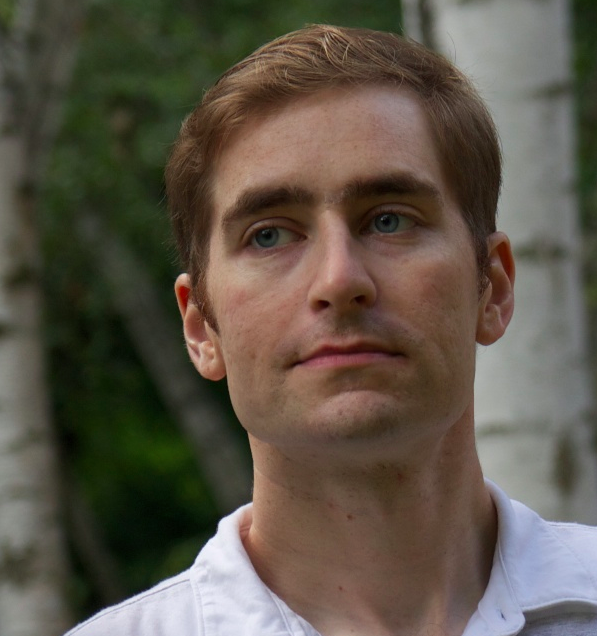
Brian D. EarpView profile
Associate Professor
Brian D. Earp is an Associate Professor of Biomedical Ethics within the Yong Loo Lin School of Medicine at the National University of Singapore (NUS) and by courtesy, Associate Professor of Philosophy and of Psychology. He also serves as a Research Associate of the Uehiro Oxford Institute at the University of Oxford, Director of the Oxford-NUS Centre for Neuroethics and Society, and Associate Director of the Yale-Hastings Program in Ethics and Health Policy. In 2022, he was elected to the UK Young Academy under the auspices of the British Academy and the Royal Society. Dr. Earp holds a Master of Philosophy in Philosophy of Science from the University of Cambridge (2014), a Master of Science in Experimental Psychology from the University of Oxford (2011), and a Bachelor of Arts in Cognitive Science from Yale University (2010). His academic journey reflects an interdisciplinary approach spanning cognitive science, psychology, and philosophy. Brian Earp's research spans multiple domains of ethics, with particular focus on AI ethics, neuroethics, and biomedical ethics. His work examines the ethical implications of emerging technologies, especially large language models and AI systems in healthcare settings. He has made significant contributions to understanding digital identity, surrogate decision-making, and the ethics of personalized AI applications in medicine. His research also extends to bioethics topics including genital autonomy, gender and sexuality, and the philosophy of science. Analysis of Dr. Earp's recent publications reveals a strong emphasis on the intersection of artificial intelligence and medical ethics, with particular attention to consent processes, decision-making in healthcare, and the implications of digital identity. His work demonstrates a consistent pattern of exploring how emerging technologies challenge traditional ethical frameworks while proposing novel conceptual approaches to address these challenges. The publications show increasing focus on cross-cultural perspectives, as evidenced by multi-country studies examining ethical perceptions of AI. Elected to the UK Young Academy under the auspices of the British Academy and the Royal Society (2022) Dr. Earp directs the Oxford-NUS Centre for Neuroethics and Society and serves as Associate Director of the Yale-Hastings Program in Ethics and Health Policy, indicating substantial leadership in collaborative research initiatives. His work on the Personalized Patient Preference Predictor (P4) represents a significant contribution to advancing surrogate decision-making in medical contexts. The collaborative nature of his research is evident through numerous co-authored publications addressing complex ethical questions at the intersection of technology and healthcare. As Director of the Oxford-NUS Centre for Neuroethics and Society and HOPE (Hub at Oxford for Psychedelic Ethics), Dr. Earp leads interdisciplinary teams examining the ethical dimensions of neurotechnology and psychedelic medicine. His work bridges academic institutions across Singapore, the UK, and the US, fostering international collaboration on pressing ethical challenges in emerging medical technologies.