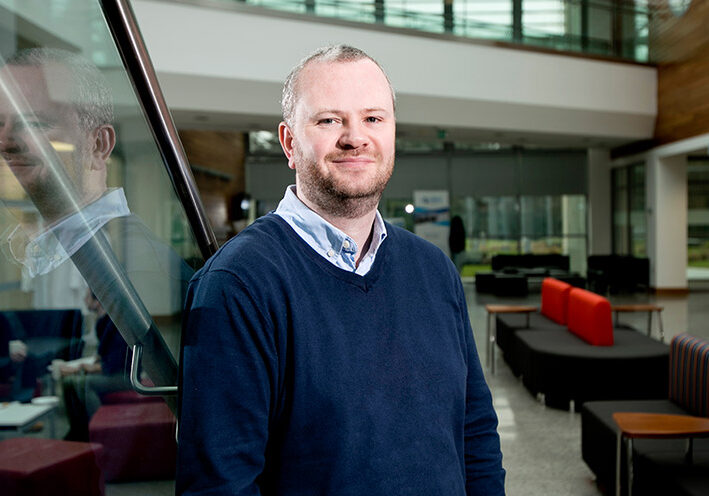
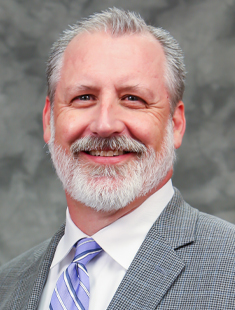
Long Cai is a Professor at the California Institute of Technology, affiliated with the Biology and Biological Engineering department. He pioneered the field of spatial genomics and co-developed transformative technologies such as seqFISH and MEMOIR. Research Interests: His work focuses on decoding biological systems through spatial genomics, integrating molecular imaging with computational analysis to uncover cellular organization in tissues. Key areas include developmental biology, neuroscience, kidney regeneration, and cancer biology. Publications: Recent studies highlight applications of spatial transcriptomics in kidney disease, brain nuclear architecture, and multi-omics tissue mapping. His research emphasizes creating high-resolution atlases of cellular dynamics. Scientific Awards: NIH Director’s Pioneer Award (2022) Labs & Collaborations: He leads the Cai Lab, which develops cutting-edge imaging tools in collaboration with the Elowitz Lab and other interdisciplinary teams.
Christopher E. Nelson is an Assistant Professor in the Department of Biomedical Engineering at the University of Arkansas, College of Engineering. His lab focuses on developing biologically inspired strategies for controlled drug and gene delivery, particularly in the context of gene therapy and regenerative medicine. He is actively supported by the NIH, DoD, and Arkansas Bioscience Institute. Education: Postdoctoral Fellow – Duke University Ph.D. – Vanderbilt University B.S. – University of Arkansas Research Focus: Dr. Nelson’s lab integrates genome editing technologies with targeted delivery systems to address challenges in treating genetic diseases and promoting tissue regeneration. Major themes include CRISPR/Cas9 delivery , gene regulation in wound healing , and safe-harbor genome integration in skeletal muscle. His work spans viral and non-viral delivery vehicles , including lipid nanoparticles and AAV vectors, with a strong emphasis on preclinical validation in models of Duchenne muscular dystrophy and inflammatory disease. Scientific Awards: Controlled Release Society Postdoctoral Fellowship The Hartwell Foundation Postdoctoral Fellowship NIH Pathway to Independence Award (K99/R00) Funding & Support: The Nelson Lab is currently funded by: NIH NIGMS R35 DoD CDMRP DMD IDEA Award Arkansas Bioscience Institute University of Arkansas Engineering & Honors Colleges Lab & Team: The Nelson Lab is a dynamic, interdisciplinary team working at the intersection of gene editing, biomaterials, and regenerative medicine. They regularly present at national conferences such as ASGCT and NCUR, and mentor undergraduate researchers through SURF and Honors College grants.
Pablo Perez-Pinera is an Associate Professor in Biomedical and Translational Sciences at the Carle Illinois College of Medicine, University of Illinois. He leads the Genome Engineering and Transcriptional Regulation Laboratory, focusing on developing gene editing technologies for treating neurodegenerative and neuromuscular diseases. His research integrates cutting-edge genome engineering tools with innovative delivery systems to address previously incurable conditions. Dr. Perez-Pinera's research interests center on developing CRISPR-based genome editing technologies for therapeutic applications. His laboratory specializes in base editing approaches for exon skipping, particularly targeting diseases like Duchenne muscular dystrophy, Huntington's disease, Parkinson's disease, Alzheimer's disease, and ALS. His team develops novel delivery systems using AAV vectors to enable precise in vivo genome editing, with a particular focus on neurological and muscular disorders. The lab's work bridges fundamental molecular biology with translational applications, aiming to move promising technologies from bench to bedside. His laboratory has made significant contributions to the field of therapeutic genome editing, particularly in developing the SPLICER platform for efficient exon skipping through simultaneous splice site editing. His publications demonstrate expertise in base editing for neurodegenerative diseases, with multiple first-author and corresponding author papers in high-impact journals. His research has been supported by several NIH grants including R01 GM131272, UL1 TR001422, R01 GM141296, among others. Dr. Perez-Pinera actively mentors a diverse team of researchers including postdoctoral fellows, graduate students, and undergraduates. His laboratory includes researchers such as Devyani Swami (Postdoctoral Fellow), Michael Gapinske, Jackson Winter, Shraddha Shirguppe, Angelo Miskalis, and others who contribute to various aspects of genome engineering research. His grant funding supports both basic research on genome editing mechanisms and translational work toward therapeutic applications. The Genome Engineering and Transcriptional Regulation Laboratory maintains state-of-the-art facilities for molecular biology, cell culture, and in vivo studies. The team collaborates extensively with clinicians and researchers across the University of Illinois campus to translate genome editing discoveries into potential therapies for patients suffering from neurodegenerative and neuromuscular conditions.
Wen Xue is a Professor at UMass Chan Medical School, affiliated with the RNA Therapeutics Institute within the T.H. Chan School of Medicine. She holds multiple additional roles across departments such as the Program in Molecular Medicine, Cancer Biology, and Biochemistry and Molecular Biotechnology at the Morningside Graduate School of Biomedical Sciences. Her research focuses on developing genetic models for liver and lung cancer using CRISPR/Cas9 and RNAi tools. Key areas include CRISPR-mediated genome editing for cancer gene discovery, KRAS inhibition mechanisms, and miRNA networks in lung cancer. She has secured grants from NIH, American Cancer Society, and others. Awards include the NIH Director’s New Innovator Award and Lung Cancer Research Foundation grants. Her lab actively recruits postdoctoral researchers and offers rotation projects in CRISPR technology and cancer biology. Education: B.S. and M.S. in Biochemistry from Nanjing University; Ph.D. in Biochemistry from State University of New York, Stony Brook. Research Interests: Wen Xue’s lab employs CRISPR tools to accelerate cancer gene validation and therapeutic target identification. Projects include: CRISPR-based liver cancer gene correction and oncogene deletion studies. Investigating KRAS inhibition resistance via RNAi and CRISPR in lung cancer models. Characterizing miRNA networks using TCGA data to identify therapeutic miRNA candidates. Her work bridges functional genomics with precision medicine, emphasizing in vivo and in vitro platforms. Publications: Over 100 peer-reviewed articles, including high-impact studies on CRISPR applications in gene therapy and cancer modeling. Recent work explores prime editing, base editing, and viral/non-viral delivery systems for lung diseases. Grants & Awards: NIH grants (P01HL131471, DP2HL137167), American Cancer Society (RSG-16-093), and industry partnerships like the Cystic Fibrosis Foundation. Collaborations include projects on CFTR mutation repair and AAV vector development. Labs/Teams: Xue Lab focuses on cancer genetics and gene editing, with interdisciplinary collaborations in molecular medicine and bioengineering. Ongoing projects aim to translate CRISPR-based therapies into clinical applications.
Dr. Jonathan Bones is an Associate Professor in the School of Chemical and Bioprocess Engineering at University College Dublin (UCD) and Principal Investigator of the Characterisation and Comparability Group at NIBRT. His research focuses on analytical methods for biopharmaceuticals, including liquid chromatography-mass spectrometry (LC-MS) for protein characterization, glycomics, and process optimization. He holds a BSc and PhD in Analytical Chemistry from Dublin City University. His work has been recognized through inclusion in the Medicine Maker Power List. He leads a team of 18 researchers, supported by SFI, EI, and industry partnerships. Education: BSc in Analytical Science (Chemistry), Dublin City University PhD in Analytical Chemistry, Dublin City University Research Interests: Development of advanced LC-MS platforms for glycomics, proteomics, and bioprocess analysis. Key areas include: Quantitative proteomics/metabolomics for bioprocess monitoring Liquid phase separations for complex bioanalysis Process analytical technology (PAT) His group collaborates with ThermoFisher Scientific on analytical workflows for biopharmaceutical characterization. Articles Trends: Recent work emphasizes analytical methods for AAV vector characterization, biosimilar comparability via MAM/iMAM, and process clearance of excipients. Over 126 publications highlight his contributions to biopharmaceutical quality control and process understanding. Awards: Medicine Maker Power List (2023): Top 100 influential scientists in biopharmaceutical manufacturing and analysis Advising & Grants: Supervises PhD students in bioprocessing and analytical chemistry Funding from Science Foundation Ireland (SFI), Enterprise Ireland (EI), and EU FP7 Industry collaborations with ThermoFisher Scientific and Bristol Myers Squibb Labs & Teams: Leads the Characterisation and Comparability Lab at NIBRT, focused on cutting-edge analytical tools for bioprocess development and product quality assurance.
Shushu Huang is an Associate Research Scientist in the Department of Genetics at Yale School of Medicine. They hold a PhD from Nanjing Medical University (2023) and an MD from the same institution (2013). Their research focuses on genetic and molecular mechanisms underlying metabolic disorders, muscular dystrophies, and cardiovascular diseases. Key areas include CRISPR-based therapeutic discovery, high-throughput functional genomics, and gene therapy safety. Huang has collaborated with researchers like Monkol Lek and Carlos Fernandez-Hernando on projects involving LXR signaling, DUX4 toxicity, and MC4R variant analysis. Publications span studies on vascular biology, gene therapy outcomes, and obesity genetics. Notable work includes investigating hypercholesterolemia’s role in vascular remodeling and analyzing MC4R variants in morbid obesity. Their lab is located in the Anlyan Center, New Haven.
Zhandong Liu is an Associate Professor at Baylor College of Medicine with joint appointments in the Department of Pediatrics and Department of Neurology . He serves as Chief of Computational Sciences at Texas Children's Hospital and co-directs the Quantitative & Computational Biosciences Graduate Program at Baylor. Education: B.S. in Computer Science, Nankai University (2001) M.S. in Computer Science, Wayne State University (2003) Ph.D. in Genomics and Computational Biology, University of Pennsylvania (2010) Dr. Liu's research integrates genomics , machine learning , and bioinformatics to advance understanding of neurological diseases. His work focuses on: Multi-omics data integration for disease mechanism discovery Development of cloud-based CRISPR analysis tools like CRISPRcloud Augmented reality platforms for biomedical data visualization Identification of disease genes through computational models Alternative splicing analysis in cancer and neurodegeneration Single-cell and spatial transcriptomics algorithms His recent publications emphasize Alzheimer's disease , MECP2 syndromes , and computational therapy prediction across multiple domains. Scientific awards include the 2018 Outstanding Service Award from the International Association for Intelligent Biology and Medicine. He has secured major grants from NIH, CPRIT, and NSF for projects including: NSF grant #199977 (2018-2020): Augmented reality therapy platforms CPRIT grant #RP170387 (2016-2019): Network-guided cancer analysis NIH #1R01AG057339 (2017-2022): Alzheimer's disease networks As head of the Liu Lab , he leads teams developing tools like: MARRVEL : Human-model organism gene variant integration CRISPRcloud : Secure CRISPR screen analysis platform CrypSplice : Cryptic splicing detection algorithm
Wendy R Gordon serves as an Associate Professor in the Structural Biology and Biophysics department at the University of Minnesota Medical School. Her research program bridges structural biology, biophysics, and translational medicine with significant funding from NIH sources including the National Cancer Institute and National Institute of General Medical Sciences. Dr. Gordon leads multiple active research projects focused on mechanobiology, protein engineering, and cancer therapeutics. Dr. Gordon's research interests center on understanding molecular mechanisms of cell surface receptors, particularly the Notch signaling pathway, and developing innovative tools for studying cellular mechanics. Her work spans structural biology approaches to characterize protein-DNA interactions, mechanotransduction mechanisms, and receptor regulation. She has developed novel technologies including HUH-Tags for protein-DNA labeling and tension sensors for measuring cellular forces. Her research has significant implications for cancer immunotherapy, particularly in engineering protein modulators of Notch activation for CAR T-cell therapy. Analysis of Dr. Gordon's recent publications reveals a strong focus on three interconnected research themes: 1) molecular mechanisms of Notch signaling and receptor regulation, 2) development of innovative tools for protein-DNA conjugation and cellular mechanotype measurement, and 3) applications of these technologies to cancer biology and immunotherapy. Her work demonstrates increasing integration of structural biology with functional cellular assays and therapeutic applications, particularly in tumor microenvironment and immunotherapy contexts. Dr. Gordon currently leads or collaborates on seven major research projects totaling millions in NIH funding. Her active grants include: LUMICKS C-trap for Mechanistic Studies of Biological Systems (as PI), Engineering Protein Modulators of Notch Activation for CAR T-cell immunotherapy (as CoI), Viral vector technology for cell type specific gene delivery (as CoI), Decoding mechanotransduction mechanisms of cell-surface receptors (as PI), and the Center for Multiparametric Imaging of Tumor Immune Microenvironments (as CoI). These projects reflect her expertise spanning structural biology, mechanobiology, and translational applications. Dr. Gordon's laboratory operates at the intersection of structural biology and cellular mechanobiology, with strong collaborations across the University of Minnesota campus including with cancer researchers, bioengineers, and clinicians. Her team develops and applies cutting-edge technologies including single-molecule techniques, protein engineering approaches, and high-throughput cellular mechanotype measurement systems to address fundamental questions in receptor biology with therapeutic implications.
Dr. Ype P. de Jong is an Assistant Professor of Medicine at Weill Cornell Medical College of Cornell University and an Attending Physician at New York-Presbyterian Hospital. He completed his medical and doctoral training at the University of Amsterdam, followed by internal medicine and gastroenterology fellowships at Mount Sinai Hospital, New York. His research focuses on hepatitis virus immune evasion, liver disease modeling, and gene therapy applications. Education M.D., University of Amsterdam Faculty of Medicine (2003) Ph.D., University of Amsterdam (2002) Research Interests Dr. de Jong investigates hepatitis virus persistence mechanisms, develops advanced liver disease models, and explores gene therapy applications for hemophilia and liver conditions. His work bridges clinical hepatology with translational research on viral immune evasion and hepatocyte engineering. Scientific Awards Cum Laude (PhD thesis), University of Amsterdam (2002) Hippocrates Prize (Best Medical Thesis in Netherlands), Leiden University (2003) Appointments Assistant Professor of Medicine, Weill Cornell Medical College Attending Physician, New York-Presbyterian Hospital Visiting Clinical Fellow, The Rockefeller University
Patrick M. Tarwater is a Professor in the Department of Epidemiology & Biostatistics at Texas A&M University, with research spanning infectious disease epidemiology, traumatic brain injury rehabilitation, sleep science, biostatistical methods, and environmental health impacts on child development. His work integrates clinical, laboratory, and computational approaches to address complex public health challenges. His educational foundation includes: PhD in Biometry from University of Texas Health Science Center at Houston (1999) MS in Mathematics from Texas Tech University (1992) BA in Mathematics from Texas Tech University (1990) Tarwater's research in Infectious Disease Epidemiology features extensive work on HIV/SIV pathogenesis using non-human primate models, SARS-CoV-2 variant dynamics, and microbial risk assessment in environmental settings. His Traumatic Brain Injury and Sleep research includes innovative interventions like the OSABI sleep hygiene protocol and objective sleep monitoring methodologies for rehabilitation patients. The Environmental Health focus centers on the ECHO program's investigation of maternal nutrition and child health outcomes, alongside risk assessments for oil spill contaminants and recreational water safety. Analysis of his 2018-2024 publications reveals three dominant trajectories: (1) viral pathogenesis mechanisms using advanced animal models, (2) neuroimmunological consequences of infections and injuries, and (3) environmental exposure risk modeling. His work consistently employs sophisticated biostatistical techniques and translational approaches bridging laboratory findings to clinical applications. While no specific awards are documented in the source material, Tarwater's prolific publication record in high-impact journals demonstrates significant scholarly contributions. His teaching portfolio includes foundational courses in epidemiology and biostatistics, plus advanced instruction in cohort analysis and epidemiologic inference.
Rachel Bailey is a researcher at UT Southwestern with a focus on developing gene therapies for neurological disorders. She holds dual bachelor's degrees in Biology/Bioinformatics and Molecular Biology from Rensselaer Polytechnic Institute, a Ph.D. in Neuroscience from the University of Florida, and completed postdoctoral research at the University of North Carolina Chapel Hill. Education : Dual B.S. from Rensselaer Polytechnic Institute, Ph.D. in Neuroscience Her research spans gene therapy for monogenic and complex neurodegenerative diseases, including SLC13A5 epileptic encephalopathy , Giant Axonal Neuropathy , and tauopathies like Alzheimer’s disease. She employs AAV vector engineering for gene replacement and silencing, with expertise in preclinical development and IND-enabling studies . Recent publications highlight her work on tau protein phosphorylation in Parkinson’s disease, AAV9 gene therapy for GAN, and autonomic dysfunction in neurodegenerative models. Key collaboration networks include institutions like the NIH and Mayo Clinic.
Roles and Affiliations: Rafael J. Yáñez-Muñoz is a Professor of Advanced Therapy and Director of the Centre of Gene and Cell Therapy at the Department of Biological Sciences, Royal Holloway University of London. He holds expertise in gene and cell therapy, particularly for neurodegenerative and inherited diseases such as ataxia telangiectasia and spinal muscular atrophy. Education: BSc and PhD in Biochemistry and Molecular Biology from the Autonomous University of Madrid. Previously held Lecturer positions at King’s College London and University College London. Research Interests: Focuses on developing safer gene therapy methods using episomal vectors and genome editing (e.g., CRISPR-Cas). Key areas include non-integrating lentiviral vectors, viral vector modification, and treatments for rare diseases. His lab (AGCT) explores therapies for spinal muscular atrophy, spinal injury, Parkinson’s disease, and primary immunodeficiencies. Publications and Impact: Over 85 publications, including seminal work on non-integrating lentiviral vectors and gene editing. Notable contributions to Gene Therapy as Editor-in-Chief and leadership roles in the British Society for Gene and Cell Therapy. Grants and Collaborations: Principal Investigator on projects funded by the SMA Trust, BBSRC, MRC, and others. Collaborates with institutions like Genethon (France) and Harvard University. Key initiatives include the UK SMA Research Consortium and CHASE-IT for spinal injury therapy. Awards and Roles: Trustee and Chair of Genetic Alliance UK, President of the British Society for Gene and Cell Therapy (2021–2025). Recognized for advocacy in rare disease awareness and policy, including contributions to the UK National Strategy for Rare Diseases. Advisees and Teams: Supervised numerous PhD students and postdocs, including Sahar Akbari Vala, Melika Fard, and Ellie Chilcott. Active in mentoring and lab management, with a focus on training the next generation of gene therapy researchers. Labs and Outreach: Leads the Advanced Gene and Cell Therapy (AGCT) lab, hosting annual Rare Disease Day events to raise awareness. Engages in public education through lectures, media interviews, and initiatives like the SMA Trust fundraising cycle events.
Brent A. French is a Professor in the Department of Biomedical Engineering at the University of Virginia. His research focuses on integrating targeted drug/gene delivery with advanced imaging techniques (MRI, PET, ultrasound) to address cardiovascular disease mechanisms and therapy evaluation. He leads the Molecular Bioengineering Lab, emphasizing interdisciplinary collaboration and translational research. Education: B.S. in Biochemistry, Louisiana State University (1982) Ph.D. in Biochemistry, Louisiana State University (1987) Postdoctoral Fellowship at Baylor College of Medicine/NIH (1987–1991) Research Interests: Targeted drug and gene delivery systems Novel diagnostic imaging methods (e.g., ultrasound, MRI) Tissue engineering for cardiovascular applications Cardiovascular disease mechanisms and therapeutic strategies Grants & Projects: NIH R01 HL147193: $1.6M for developing molecularly targeted AAV for cardiac regeneration CHRB #207-10-19: $266K for in situ cardiac regeneration post-infarction NIH R01 HL147104: $2.99M for multiparametric MRI in coronary microvascular disease Labs/Teams: Molecular Bioengineering Lab (MR5 Building, Rooms 1205/1219), collaborating on interdisciplinary projects with cardiovascular and imaging experts.
Alejandro Benjamin Balazs is an Assistant Professor of Medicine at the Ragon Institute of MGH, MIT, and Harvard. His laboratory specializes in synthetic immunology, gene transfer technologies, and immune system engineering to combat HIV and emerging viral threats like SARS-CoV-2. Current research focuses include: Understanding sterilizing immunity mechanisms against HIV. Studying pathogen escape from immunological pressure. Optimizing AAV vector delivery for broadly neutralizing antibodies. Investigating innate immune responses in viral neutralization. His lab has published extensively on: Antibody-mediated prophylaxis against HIV and SARS-CoV-2. Viral evolution and immune escape dynamics. AAV-based gene delivery systems. Humoral immunity in vulnerable populations. Immune signatures in humanized mouse models. Scientific accolades include: NIDA Avenir New Innovator (DP2) Grant (2015) Gilead Sciences Research Scholars Award (2016) MGH Transformative Research Scholars Award (2016) Doctoral students mentored in his lab include: Jackie Brady (Harvard BBS Program, 2015-2020) Allen Lin (Harvard Systems Biology, 2015-2020) Meredith Phelps (Harvard Virology, 2018-2022)
Michael Daniele is an Associate Professor at North Carolina State University, jointly appointed in the Department of Electrical & Computer Engineering and the Joint Department of Biomedical Engineering . His research focuses on bioelectronics engineering, particularly in developing microsystems for monitoring, mimicking, and augmenting biological functions. He leads the @BiointerfaceLab , exploring wearable/implantable biosensors, microphysiological systems, and process analytical technologies for biomanufacturing. Education : Ph.D. in Materials Science & Engineering (Clemson University, 2012) Bachelor's in Materials Science & Engineering (Rutgers University, 2009) Research Highlights : Developing "injury-on-a-chip" models for coagulation studies Pioneering hydrogel microneedles for diagnostic devices Advancing light-controlled peptide ligands for protein purification Collaborating with Novartis on viral vector manufacturing Award Recognition : 2024 William F. Lane Outstanding Teaching Award 2019 NSF CAREER Award 2022 University Faculty Scholar Grants & Initiatives : Co-leader of the NC-Viral Vector Initiative (2023–present) NSF-funded projects in biosensor integration and biomanufacturing His work bridges engineering and medicine, with applications in gene therapy, wearable diagnostics, and precision agriculture.