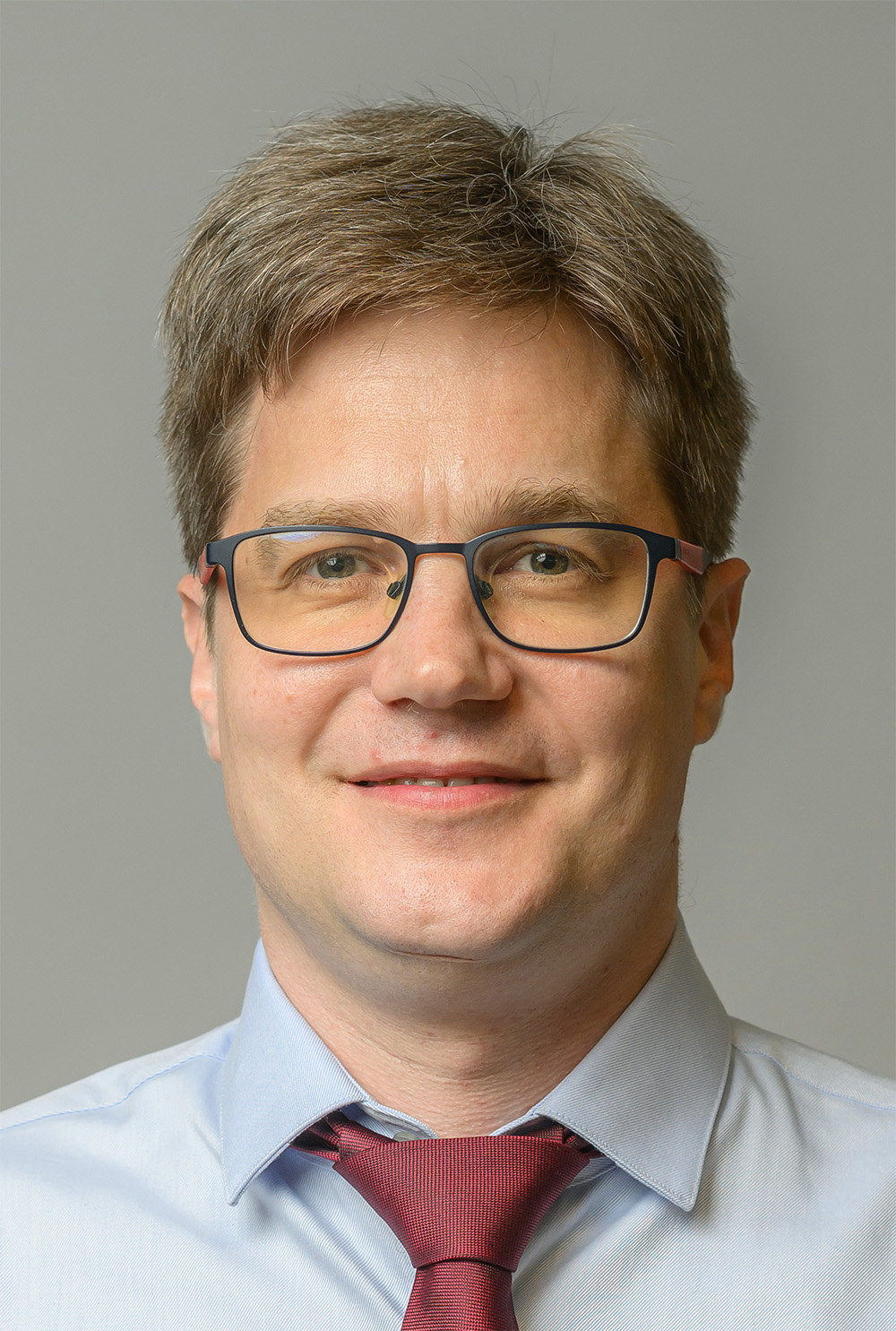
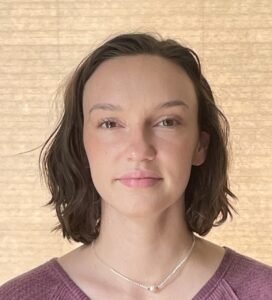
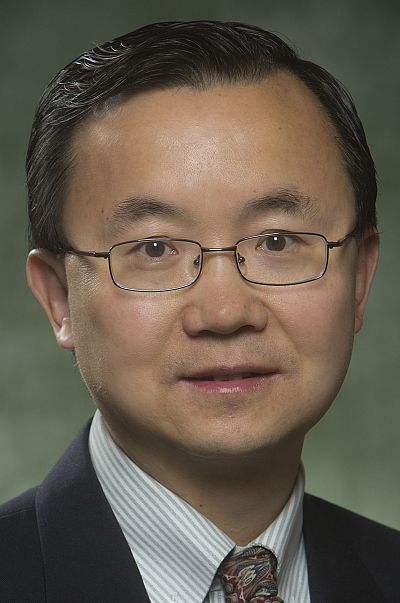
Kevin Köser holds dual affiliations: Professor of Computer Science at Kiel University (Marine Data Science) Emmy Noether Research Group Leader for "Oceanic Machine Vision" at GEOMAR Helmholtz Centre for Ocean Research, Kiel His research focuses on: 3D underwater robot vision and automated camera-based measurement for deep-sea environments Physical models of underwater light transport and imaging 3D mapping and reconstruction from deep-sea photos Novel vision methods for quantification in 2D, 3D, and 4D His work enables exploration, monitoring, and hazard assessment of deep-sea habitats. Recent publications demonstrate advancements in refractive photogrammetry, digital twins, and autonomous seafloor mapping. Scientific awards: Prof. Petersen Prize for Technology (VDI/VDE/PWP Foundation) Dissertation award (University of Kiel) DAGM 2011 Main Prize Emmy-Noether Programme grant (2019) Prof. Köser mentors computer science master's students on robust estimation, GPU computation, and underwater robotics. His group develops sensor systems for deployments from shallow waters (-40m) to abyssal depths (-5000m), constructing camera/sonar systems for deep-sea observation. The Oceanic Machine Vision group pioneers sustainable terabyte-scale marine image analysis, contributing to projects like DeepSurveyCam and TuLUMIS for optical surveying and multispectral imaging in extreme marine environments.
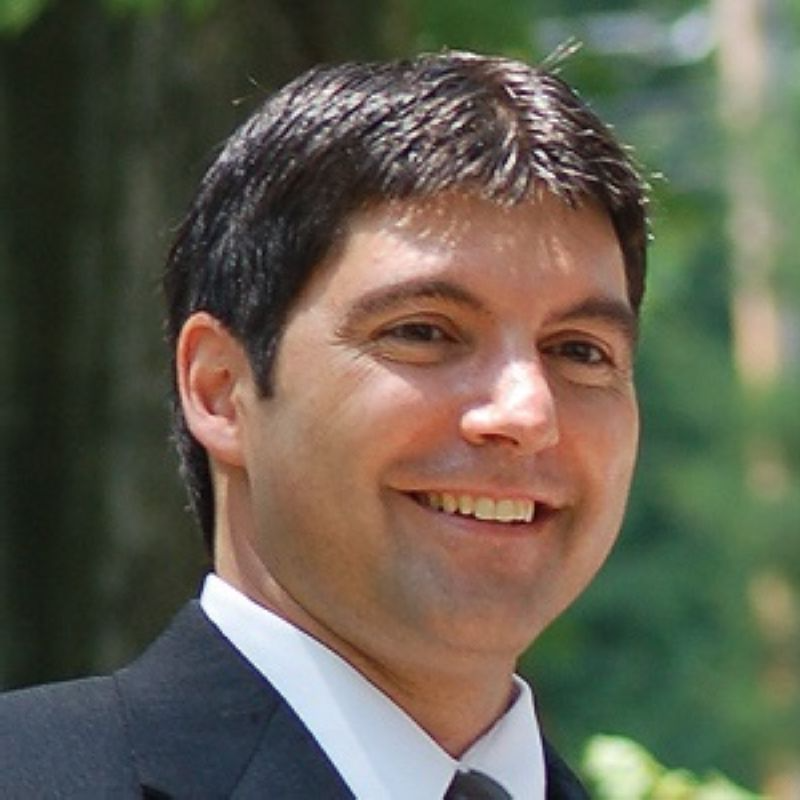
Csaba Benedek serves as a Full Professor at the Faculty of Information Technology and Bionics, Péter Pázmány Catholic University (PPKE ITK) in Budapest and Deputy Director for scientific coordination at the Hungarian Research Network Institute for Computer Science and Control (HUN-REN SZTAKI). He leads the Geo-Information Computing (GeoComp) research group within SZTAKI's Machine Perception Research Laboratory, where he holds the position of Scientific Advisor (DSc). Additionally, he serves as Vice Chairman of the John von Neumann Computer Society and represents Hungary in several international academic organizations including the International Association of Pattern Recognition. His academic credentials include: DSc (Doctor of the Hungarian Academy of Sciences) in Engineering Sciences (Information Science), October 2020 Dr. habil., October 2017, Pázmány Péter Catholic University Ph.D. in Image Processing with Summa cum Laude, June 2008 M.Sc. in Computer Sciences with honors, June 2004 Dr. Benedek's research focuses on the interpretation and reconstruction of dynamic urban scenes from LIDAR point cloud sequences using aerial measurements and mobile/terrestrial data. His work spans medical image analysis, remote sensing, and pattern recognition using probabilistic and machine learning approaches. He has published the book 'Multi-Level Bayesian Models for Environment Perception' through Springer in 2022. His research methodology emphasizes mathematical modeling, Bayesian approaches, hierarchical scene analysis, and stochastic optimization techniques for change detection and 3D/4D reconstruction. His major scientific recognitions include: Master Teacher Golden Medal (2023) Michelberger Master Prize (2020) Bolyai Plaquette (2019) IEEE Senior Member status (2018) Multiple Publication Awards from SZTAKI Janos Bolyai Research Fellowships As an academic advisor, Dr. Benedek has successfully supervised numerous PhD students including Attila Börcs (2018), Balázs Nagy (2020), and Yahya Ibrahim (2023), with several current PhD candidates. He has served as principal investigator for multiple Hungarian Scientific Research Fund (OTKA) projects and leads various National, EU-funded, EDA and ESA projects including the current ESA project 'AI based Fusion of Satellite/Airborne data for Biodiversity Change Characterization' (2023-2025) and NKFIA OTKA project (2022-2026). Dr. Benedek's GeoComp research group maintains extensive international collaborations with institutions including TUDelft in the Netherlands, Australian Centre for Field Robotics, CSIRO in Australia, DLR Oberpfaffenhofen in Germany, and University of Pisa in Italy. His team specializes in developing advanced techniques for urban scene perception, multisensorial spatial data analysis, and practical applications in urban planning, medical imaging, and defense technologies.
Hanspeter Pfister serves as the An Wang Professor of Computer Science within Harvard University's School of Engineering and Applied Sciences (SEAS), specifically in the Department of Computer Science. His research bridges theoretical and technological domains through interdisciplinary applications. His primary research interests include: Connectomics and neural circuit mapping Biomedical and scientific visualization techniques Computer vision for medical imaging 3D/4D reconstruction and Gaussian splatting Sports analytics through XR technologies Analysis of his 2023-2025 publications reveals a pronounced focus on machine learning integration with visualization, particularly diffusion models for histological analysis, language-guided 3D reconstruction, and connectome annotation systems. His work demonstrates consistent interdisciplinary collaboration between computer science and neuroscience. No scientific awards are documented in the provided materials. Details regarding student advising and grant funding remain unspecified in the source text. The Pfister group maintains active research streams in Connectomics, Information Visualization, Biomedical Imaging, Computer Vision, and SportsXR, with recent projects including CAVE (Connectome Annotation Versioning Engine) and SmartEM (machine-learning guided electron microscopy).
Huazhe Xu is a Tenure-Track Assistant Professor at the Institute for Interdisciplinary Information Sciences (IIIS), Tsinghua University, where he leads the Tsinghua Embodied AI Lab (TEA Lab) . His research focuses on Embodied AI with applications in Robotics , Reinforcement Learning , and Computer Vision/Tactile Sensing . Education: Ph.D. in Berkeley AI Research (BAIR) under Trevor Darrell, postdoctoral work at Stanford Vision and Learning Lab with Jiajun Wu, and B.S. in Electrical Engineering with minor in Management at Tsinghua University. Research Trends: His work emphasizes world dynamics modeling, human priors for policy learning, sample-efficient algorithms, generalization to unseen scenarios, and complex real-robot applications using deep learning and reinforcement learning . Scientific Awards: Best Student Paper Finalist at RSS'25 Best Paper at ICRA'25 Beyond Pick and Place Workshop Best Long Paper at CVPR'25 Syn4CV Workshop Yunfan 'Brilliant Star' Award, World Artificial Intelligence Conference 2024 Best System Paper at CoRL'23 Outstanding Paper in LangRob Workshop at CoRL'23 Lab Leadership: TEA Lab develops robots and embodied intelligence systems, with active hiring for postdocs, PhD students, and interns in Beijing/Shanghai.
Danfei Xu is an Assistant Professor at the School of Interactive Computing, College of Computing, Georgia Institute of Technology, and a part-time Research Scientist at NVIDIA AI. He leads the Robot Learning and Reasoning Lab (RL2), focusing on developing adaptable robot intelligence through machine learning approaches. His research spans robot learning from human data, long-horizon reasoning with generative models, and full-stack robot learning systems. Education: Ph.D. in Computer Science, Stanford University (2015-2021) B.S. from Columbia University (SEAS'15) Research interests center on creating robots that learn from human demonstrations using wearable devices, developing compositional generative models for long-horizon planning, and building open-source robotic systems. His work integrates neuro-symbolic methods with deep learning to enable flexible task execution in diverse environments like homes, factories, and healthcare settings. Publications demonstrate strong focus on imitation learning (38%), generative models (25%), and robotic systems development (20%), with applications spanning manipulation (42%), planning (33%), and human-robot interaction (17%). Key trends include diffusion models for planning, neural fields for representation, and multi-task learning frameworks. Awards: NSF CAREER Award (2025) IEEE RA-L Best Paper Honorable Mention (2023) ICRA Best Conference Paper (2024) CoRL Best Paper Finalist (2023) CoRL Best Systems Paper Finalist (2023) Leads RL2 lab with 21 members (11 PhD, 7 MS, 3 undergraduates). Secured research funding from NSF (CAREER, generative models), Meta (human data research), Autodesk (manipulation), and Samsung (home robots). Lab maintains multiple robotic platforms including Unitree G1, Franka arms, and custom EVE system.
Albert Montillo is an Associate Professor in the Lyda Hill Departments of Bioinformatics and Biomedical Engineering at the University of Texas Southwestern Medical Center (UTSW), with an adjunct appointment in Computer Science and Biomedical Engineering at the University of Texas at Dallas. He is also an Investigator at the O’Donnell Brain Institute. His research lies at the intersection of medical image analysis, machine learning, and biomedical informatics, with a focus on developing trustworthy AI for healthcare and life sciences. Education: Ph.D. in Medical Image Analysis and Computer Science, University of Pennsylvania M.S. in Computer and Information Science, University of Pennsylvania B.S. in Computer Science, Electrical Engineering, and Cognitive Neuroscience, Rensselaer Polytechnic Institute (RPI) Research Interests: Dr. Montillo’s lab develops AI methodologies to address key challenges in healthcare, including trustworthy and explainable AI, multimodal data fusion, causal analysis, and sample-efficient learning. His work spans clinical applications in oncology (breast and head/neck cancer) and neurological disorders (Alzheimer’s, Parkinson’s, autism, epilepsy, depression), as well as computational neuroscience and neuroinformatics. He emphasizes the development of models that are generalizable, interpretable, and equitable across populations. Publication Trends: His recent publications demonstrate a strong focus on applying deep learning to neuroimaging and clinical data for disease prediction and biomarker discovery. Key themes include causal connectivity in Parkinson’s disease, multimodal fusion for treatment response in depression, artifact suppression in MEG/fMRI, and machine learning for early diagnosis of Alzheimer’s and autism. His work often integrates fMRI, MEG, genomics, and electronic health records using advanced neural architectures. Scientific Awards and Recognition: FDA approval for a brain parcellation algorithm developed at Harvard/MIT Martinos Center FDA approval for a deep learning decision forest variant from Microsoft Research Multiple US patents in brain imaging, lesion quantification, and machine vision Mentoring and Grants: Dr. Montillo actively mentors postdoctoral fellows, PhD students, and MD/PhD trainees across UTSW, UT Dallas, UT Arlington, and SMU. His lab is supported by active grants from federal agencies (e.g., NIH), industry sponsors, and institutional funding. He leads a department-wide Causality Journal Club and fosters collaborations across neurology, psychiatry, radiology, and neuroscience. Labs and Teams: He leads the Deep Learning for Precision Health Lab , which is closely aligned with the O’Donnell Brain Institute and participates in multiple academic programs including Biomedical Engineering, Computational Biology, Medical Physics, and Neuroscience. The lab develops clinical AI tools and foundational methodologies with strong translational impact.
Dr. Swati Shah Mody serves as a Clinical Associate Professor of Radiology at the University of Michigan Medical School, based at C.S. Mott Children's Hospital in Ann Arbor, Michigan. Previously, she held the position of Director of Pediatric Neuroradiology and Fetal Imaging at Children's Hospital of Michigan until her transition to the University of Michigan in 2022. Her clinical expertise centers on advanced pediatric imaging with specialized applications in neonatal and fetal diagnostics. Her educational foundation includes: MBBS from University of Mumbai, Bombay (1987) DMRE from College of Physicians and Surgeons, Bombay (1990) MD from University of Mumbai (1991) Radiology Residency at Sir J J Group of Hospitals (1991) Senior Registrar in CT Scan/Neuroradiology at Bombay Hospital (1992) Radiology Residency at Wayne State University (1998) Pediatric Radiology Fellowship at Children's Hospital of Michigan/WSU (1999) Dr. Mody's research program focuses intensely on Pediatric Neuroradiology with neonatal imaging specialization and Fetal-Placental Imaging , leveraging advanced MRI techniques and artificial intelligence. Her work bridges clinical radiology with computational innovation, particularly through her active involvement in the University of Michigan's e-Health and Artificial Intelligence Initiative. Current investigations include deep learning applications for neonatal brain scan analysis, high-field fetal-placental MR angiography, and outcome prediction modeling in neonatal encephalopathy. Analysis of her 2022-2025 publications reveals a cohesive research trajectory prioritizing rare pediatric neurological conditions, advanced cardiac/fetal imaging, and AI-driven diagnostic solutions. Her work spans from case reports on infectious neuropathies to sophisticated 4D flow MRI characterization of vascular anomalies, demonstrating consistent methodological rigor while addressing critical gaps in pediatric diagnostic imaging. Dr. Mody actively contributes to institutional governance through multiple committee appointments and maintains an open mentoring posture for trainees. Her Center Membership in the e-Health and Artificial Intelligence Initiative positions her at the forefront of medical AI integration, where she collaborates on developing clinical decision support systems for pediatric imaging interpretation.
BAUDRY David is a Researcher at CESI Campus and leads the Engineering & Digital Tools research team. His work focuses on Digital Twins , Augmented/Virtual Reality , and Human-Computer Interactions , particularly in industrial contexts. PhD in Electromagnetic Compatibility (University of Rouen, 2010) Engineering Diploma from University of Rouen, 2005 DEA in Materials Science from University of Caen, 1999 His research includes modeling product lifecycle data, developing immersive digital twins, and optimizing industrial processes. He supervises multiple PhD students working on topics like human-robot collaboration , dynamic scheduling , and smart maintenance systems . He has contributed to 13 ACL, 27 C-ACTI, and 2 C-ACTN publications since 2010. BAUDRY participates in scientific councils for LINEACT and NEXTMOVE, and has reviewed for conferences like CONFERE and I2MTC. His projects include managing the PIA JENII 2021–2025 initiative and contributing to the European BATTWin project.
Kendra Davidson is a Professor at the Department of Electrical and Computer Engineering at Vanderbilt University School of Engineering. She specializes in non-invasive medical diagnostic methods and medical image analysis, with a focus on white matter imaging, segmentation techniques, and multi-atlas approaches. As a Chancellor Faculty Fellow, she leads the Medical-image Analysis and Statistical Interpretation Lab (MASI Lab) and collaborates across biomedical engineering and neuroscience domains. Education: B.S. in Computer and Electrical Engineering and Applied Math from Lipscomb University Affiliation: Vanderbilt School of Engineering, VISE Affiliate with Bennett Landman Her research integrates advanced computational methods with clinical imaging, spanning fMRI , diffusion tensor imaging , and multi-contrast MRI . Recent publications highlight innovations in vasculature-informed smoothing, 4D diffusion atlases, and scalable processing frameworks for large-scale datasets. Notable awards include the Chancellor Faculty Fellow title. Her work addresses challenges in traumatic brain injury, optic nerve analysis, and lung CT harmonization, with a strong emphasis on reproducibility and cross-validation studies.
Bernhard Fink is a researcher at the Faculty of Life Sciences, Department of Evolutionary Anthropology, focusing on human behavior and evolutionary psychology. His work spans facial perception, digit ratio (2D:4D) as a biomarker for prenatal hormones, cross-cultural studies of attractiveness and strength, and skin health metrics across ethnic groups. Academic Affiliation: Faculty of Life Sciences, Department of Evolutionary Anthropology Research Themes: Evolutionary Anthropology, Human Behavior, Sex Differences, Facial Perception His research explores how facial features like skin quality, crow’s feet, and body symmetry influence perceptions of age, health, and attractiveness. Recent studies examine digit ratio correlations with sexual orientation and physical traits, as well as cultural differences in attractiveness judgments. Notable awards include the 2024 Fellow of the Human Behavior and Evolution Society, the 2009 Foundation Council Award for science communication, and a 2001 Forschungsstipendium. He has published over 50 articles and contributed to editorial work in journals like Evolution and Human Behavior , while engaging in public outreach through media appearances. Scientific Awards: Award of the Foundation Council for Communication of Science to the Public (2009) Fellow of the Human Behavior and Evolution Society (2024) Forschungsstipendium (2001) Fink’s activities include peer-review for academic journals, conference presentations on facial cues and cross-cultural aggression perception, and collaborations with researchers like Sonja Windhager and Marina Butovskaya. His media contributions address topics like facial aging and love dynamics, reflecting his public engagement with evolutionary psychology.
Dr. Dong Hye Ye is an Assistant Professor of Computer Science at Georgia State University, specializing in medical image processing through machine learning. He holds a B.S. from Seoul National University, an M.S. from Georgia Institute of Technology, and a Ph.D. in Bioengineering from the University of Pennsylvania. His research focuses on advancing computational imaging techniques for medical applications such as brain/cardiac MRI analysis, CT reconstruction, and high-throughput microscopy. He is affiliated with the Department of Computer Science at Georgia State University's 55 Park Place campus on the 18th floor. Education: Bachelor of Science in Electrical and Computer Engineering, Seoul National University (2007) Master of Science in Electrical and Computer Engineering, Georgia Institute of Technology (2008) Doctor of Philosophy in Bioengineering, University of Pennsylvania (2013) Research Interests: Dr. Ye’s work integrates deep learning and computational imaging to address challenges in medical diagnostics. His key areas include generative adversarial networks for data augmentation, cross-modal fusion of imaging and genomic data for neuropsychiatric disorders, and weakly supervised learning for spatiotemporal brain network analysis. His recent projects emphasize real-time intraoperative tumor margin assessment via deep UV fluorescence imaging and physics-guided neural networks for clinical imaging artifacts reduction. Publications: His 2024-2025 works highlight advancements in multimodal medical imaging, including transformer-based frameworks for retinal and brain imaging analysis, and AI-driven approaches for disease classification. Notable trends include integration of clinical context with visual data, physics-informed machine learning, and dynamic sampling strategies for high-throughput microscopy. Labs & Teams: While no specific lab name is mentioned, his interdisciplinary work suggests collaboration with biomedical imaging groups and participation in initiatives like the NIH Human Biomolecular Atlas Program (HuBMAP).
Andrew S. Nencka is a Professor and Director of the Center for Imaging Research at the Medical College of Wisconsin, Department of Radiology, with leadership roles including Associate Director of CIR (2016-present) and Chair of the Research MRI Safety Committee (2012-present). His educational background: PhD in Biophysics, Medical College of Wisconsin, 2009 BS in Physics & Mathematics, Marquette University, 2004 Dr. Nencka's research pioneers MRI acceleration techniques leveraging image phase and coil sensitivities for parallel acquisition, enabling 2N-fold acceleration with N-coil arrays. His GREASE pulse sequence achieves sub-300ms simultaneous T1/T2/T2* mapping through optimized echo-planar readouts and GRAPPA acceleration, facilitating perfect coregistration of relaxivity maps for neurological and musculoskeletal applications. Recent publications (2023-2025) reveal dominant themes in quantitative neuroimaging (epilepsy connectomics, concussion biomarkers, neuropathic pain phenotypes) and advanced musculoskeletal MRI (carpal kinematics, spinal cord injury assessment), heavily utilizing diffusion tensor imaging, quantitative susceptibility mapping, and multi-echo sequences. Scientific awards: None documented in source material. Research leadership includes directing MCW's Center for Imaging Research and developing institutional MRI safety protocols, with collaborative projects spanning multi-site neurocognitive studies (MINDS-ACHD) and metal artifact reduction methodologies. He maintains active research infrastructure through the Section of Imaging Research within Radiology's Division of Imaging Sciences.
Pengcheng Shi serves as the Associate Dean for Research and Scholarship and PhD Program Director at the Golisano College of Computing and Information Sciences at Rochester Institute of Technology (RIT). He holds a prominent position within the Department of Computing and Information Sciences, where he oversees research initiatives and doctoral programs while maintaining an active research profile across multiple disciplines. Dr. Shi completed his educational journey with a BS from Shanghai Jiao Tong University (China), followed by MS, M.Phil., and Ph.D. degrees from Yale University. His academic foundation spans both Chinese and American institutions, providing him with a diverse educational background that informs his interdisciplinary research approach. Dr. Shi's research spans an impressive breadth of computational disciplines, with particular focus on artificial intelligence applications in biomedical contexts. His work integrates bioinformatics, data science, and health informatics to develop computational approaches for medical imaging analysis, cardiac electrophysiology modeling, and diagnostic reasoning processes. Recent publications reveal an expanding research portfolio that now includes significant contributions to battery technology, materials science, and advanced 3D computer vision techniques for robotics and autonomous systems. His research demonstrates a unique ability to bridge theoretical computer science with practical applications in healthcare and energy storage. Dr. Shi's scholarly output shows a clear evolution from biomedical imaging and computational physiology toward broader applications in materials science and autonomous systems. While his early work focused primarily on cardiac modeling, medical image analysis, and diagnostic reasoning processes, his recent publications indicate a strategic expansion into energy storage technologies, particularly battery chemistry and interfacial engineering, alongside continued work in 3D computer vision and point cloud processing for robotics applications. As Associate Dean for Research and Scholarship, Dr. Shi plays a critical leadership role in shaping the research direction of the college while actively mentoring doctoral students through his PhD program director responsibilities. His teaching portfolio includes advanced courses such as CISC-810 Research Foundations, CISC-890 Dissertation and Research, and CISC-896 Colloquium in Computing and Information Sciences, indicating his commitment to developing the next generation of computing researchers. Dr. Shi's laboratory work appears to focus on computational biomedical imaging, with recent expansions into battery technology research and 3D vision systems. His interdisciplinary approach connects computer science with biomedical engineering, materials science, and robotics, creating a research environment that bridges traditionally separate domains. This cross-pollination of ideas across disciplines has positioned his work at the intersection of multiple rapidly advancing technological fields.
Dr. Ryan Comes is an Associate Professor of Materials Science and Engineering at the University of Delaware since 2024, leading the FINCH Lab. Previously, he held the Thomas and Jean Walter Associate Professorship at Auburn University (2016–2024). He completed his B.S. in Physics and Electrical Engineering at Carnegie Mellon (2008) and a Ph.D. in Engineering Physics from the University of Virginia (2013). His postdoctoral work included a Linus Pauling Fellowship at Pacific Northwest National Lab (2013–2016). Research interests focus on synthesizing 4d/5d complex oxides (e.g., SrNbO3, SrIrO3) via MBE, exploring emergent phenomena in thin films and heterostructures. Key areas include interfacial charge transfer, quantum materials, and energy applications. His lab uses advanced techniques like ARPES/XPS and machine learning for process optimization. Current work expands into chalcogenide materials. Publications emphasize MBE-derived materials for quantum electronics, catalysis, and data-driven synthesis. Notable articles investigate SrIrO3 strain effects, 2D electron gases in heterostructures, and ML analysis of RHEED patterns. His work is supported by NSF, DOE, and Air Force grants. Awards: NSF CAREER (2021), AFOSR Young Investigator (2020), MRS Early Career Prize (2021) Grants: DOE-funded studies on quantum materials, NSF projects for ML-driven MBE control Labs/Teams: Films, Interfaces, and Nanostructures of Oxides and Chalcogenides (FINCH) Lab at UD, collaborating with national labs (Brookhaven, Argonne) and international researchers. Current projects aim to bridge MBE synthesis precision with functional materials discovery.
Lijun Yin is a SUNY Distinguished Professor of Computer Science at Binghamton University, part of the Thomas J. Watson College of Engineering and Applied Science. He directs the Research Center for Imaging, Acoustics and Perception Science (CIAPS), the Graphics and Image Computing Laboratory, and co-directs the Seymour Kunis Media Core. His research focuses on computational methods in computer vision, graphics, and human-computer interaction, with over 160 publications and 10 patents. Notable contributions include 2D/3D/4D facial expression databases widely used in academia and industry. Education : Bachelor of Science, Beijing University of Post and Telecommunication Master of Science, Shanghai Jiao Tong University Doctor of Philosophy, University of Alberta, Canada (2000) Research Interests : Yin's work spans computer vision, graphics, and image processing, with emphasis on facial expression analysis, 3D object modeling, and human behavior understanding. He has pioneered multimodal data fusion techniques and developed influential facial expression databases. Professional Activities : Yin has chaired major conferences like FG2025 and served on editorial boards of journals like Image and Vision Computing . He is an IEEE Fellow and National Academy of Inventors Senior Member. Awards : Lois B. DeFleur Faculty Prize for Academic Achievement (2019) SUNY Chancellor's Award for Excellence in Scholarship (2014) James Watson Investigator Award (2006) FG2024 Test of Time Award (2024) Students : Yin has advised numerous PhD and master's students (listed in detail above), many of whom hold academic or industry leadership positions. His lab alumni include faculty at institutions like Texas A&M, Missouri S&T, and Amazon Research. Labs & Teams : His laboratories (CIAPS, GAIC) focus on imaging science, perception, and graphics. Collaborative projects include the V4V Challenge for non-contact vital signs estimation and the 3DFAW Workshop on facial alignment.