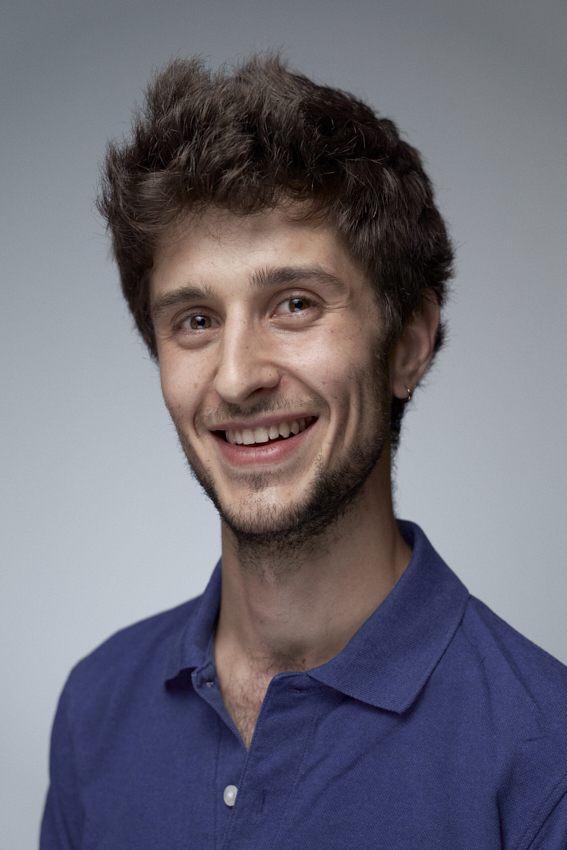
Alejandro Moure Abelenda is a Research Fellow at Lancaster University developing sustainable waste valorization technologies. His research focuses on circular economy approaches for organic residues, particularly integrating anaerobic digestate and wood ash into fertilizers. Core innovations: Ash-based digestate stabilization processes Nutrient recovery systems Chemical process modeling (Aspen Plus®) E-waste plastic microfactories Recent work (2021-2024) demonstrates three focus areas: organic waste transformation (47%), process simulation (33%), and educational applications (13%). His EPSRC Doctoral Prize research examines decentralized recycling technologies for engineering plastics. Current Projects: AKT2i project: Decentralized e-waste plastic recycling EPSRC Doctoral Prize: Digestate-ash valorization
Tania Morimoto is an Associate Professor in the Department of Mechanical and Aerospace Engineering at the University of California San Diego. Her research focuses on the design and control of flexible and soft robots for medical and exploration applications, including personalized surgical robots and intuitive human-in-the-loop interfaces. She leads efforts in haptic device development for education, notably creating the Hapkit and H3Kit systems used in STEM labs globally. She holds a B.S. in Mechanical Engineering from MIT, and M.S. and Ph.D. from Stanford University's CHARM Lab. Her work bridges robotics, haptics, and medical engineering, with key innovations in continuum robot design, wireless sensing, and surgical teleoperation systems. Key research areas include soft robotics for minimally invasive surgery, wearable haptic devices, and scalable pneumatic control systems. Her team has developed novel methods for patient-specific robot design using preoperative medical imaging, along with virtual reality interfaces for surgical planning. Notable achievements include the NSF CAREER Award (2022) for work on handheld continuum robots, and contributions to wireless force sensing technologies. Her educational initiatives have expanded access to hands-on robotics learning through low-cost hardware kits adapted for remote instruction.
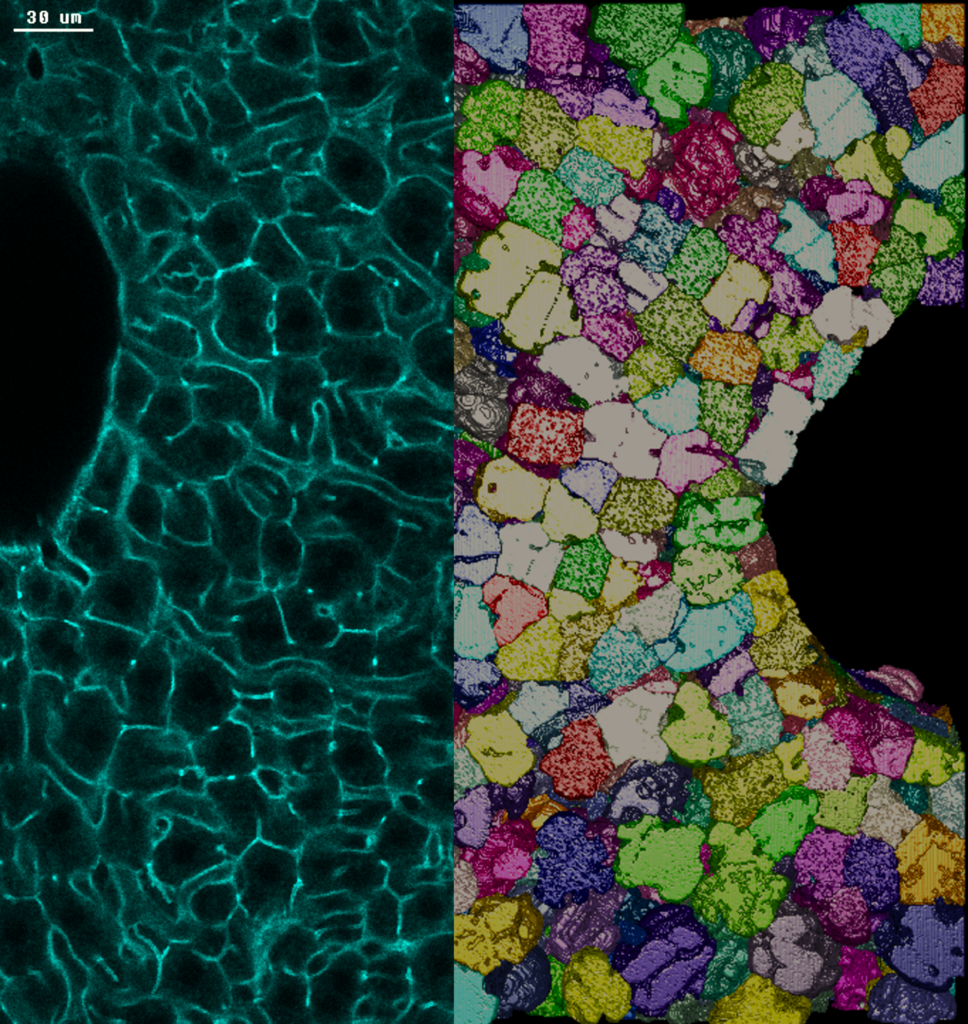
Marino Zerial is a leading academic and researcher in molecular cell biology, serving as Director of the Max Planck Institute of Molecular Cell Biology and Genetics (MPI-CBG) and Honorary Professor at the Medical Faculty of Technische Universität Dresden. He obtained his biology degree from the University of Trieste (Italy) in 1982 and conducted postdoctoral research at the Institut Jacques Monod (Paris) and EMBL (Heidelberg). His work has focused on understanding endocytosis mechanisms, particularly the role of Rab GTPases in membrane fusion and organelle biogenesis. Zerial has pioneered translational research in liver disease, 3D tissue modeling, and drug delivery systems. He leads the Zerial Group, which integrates molecular biology, biophysics, and computational modeling to study cellular organization at multiple scales. Education: Biology (University of Trieste, 1982) Postdoctoral Training: Institut Jacques Monod, EMBL Affiliations: MPI-CBG (Director), TU Dresden (Honorary Professor) His research interests span endocytic pathways, liver tissue biophysics, and molecular motor mechanisms. Zerial has received prestigious awards, including the Gottfried Wilhelm Leibniz Prize (2006) and election to the American Academy of Arts and Sciences (2021). The Zerial Group collaborates on projects like LiSyM (liver cancer research) and ENDOSCAPE (gene delivery technology), emphasizing interdisciplinary approaches to biological challenges.
Ehsan Kamel is an Associate Professor in the Department of Energy Management at the New York Institute of Technology's College of Engineering and Computing Sciences. He joined the university in 2017 after earning his Ph.D. in Civil Engineering from Pennsylvania State University. His research focuses on building energy modeling, sustainable construction materials, and extraterrestrial habitat design for Mars. He directs the Energy and Green Technologies Laboratory (EnTech Lab), fostering student hands-on experience in energy and green technologies. Kamel has secured over $575,000 in grants from organizations like the National Science Foundation and NYSERDA, advancing energy efficiency and sustainability initiatives. His work bridges academia with industry, addressing real-world challenges in energy systems and climate resilience. Education: Ph.D. in Civil Engineering (Pennsylvania State University, 2017); M.S. in Civil Engineering; Certified Energy Manager (CEM). Research Interests: Building energy modeling integrates physics-based simulations and machine learning to optimize energy use in buildings and urban systems. He explores climate change impacts on energy systems, low-income housing energy burdens, 3D-printed construction, and sustainable materials. His extraterrestrial research models habitats for Mars using Martian climate data and locally sourced materials. Recent Projects: Urban-scale energy modeling with HPC systems, energy burden analysis in low-income households, and Mars habitat simulations. His work has been recognized with awards including the inaugural Trailblazers in Clean Energy (2024) and AEE Energy Innovator of the Year (2023). Grants and Collaborations: Principal investigator for NYSERDA grants ($500,000) and ASHRAE-funded projects. Collaborates with universities globally and energy firms on building efficiency solutions. Manages a research portfolio totaling $575,000 since 2017. Labs/Teams: Directs EnTech Lab, advises ASHRAE student branch, and leads interdisciplinary teams on energy-smart buildings and digital twin technologies.
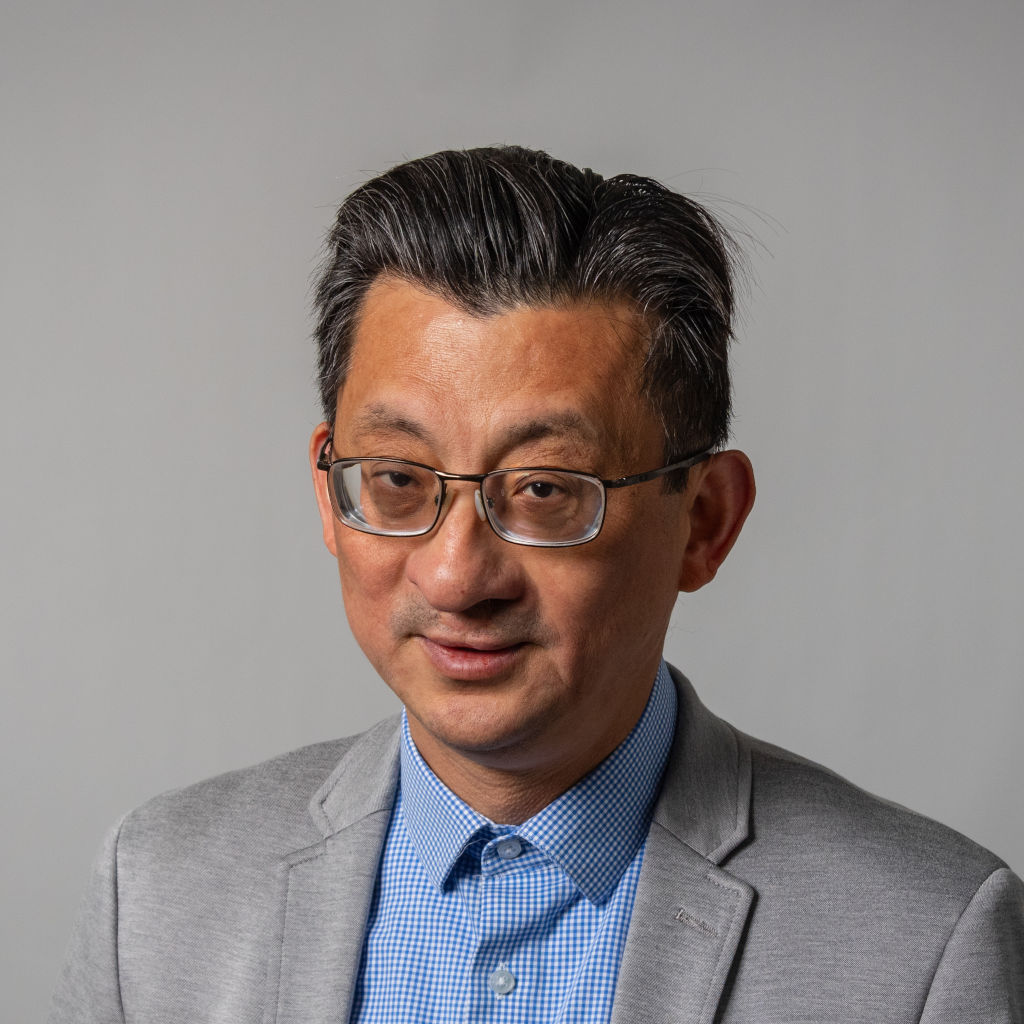
Mooi Choo Chuah is a Professor in the Department of Computer Science & Engineering at Lehigh University. She serves as the associate director of I-DISC and previously held the NSF Advance Chair at Lehigh (2011). A renowned expert in autonomous systems, cyber-physical systems security, and healthcare technologies, she holds over 78 patents (63 U.S. + 15 international) in networking and AI domains. Her work spans efficient computer vision, autonomous vehicle perception, mobile healthcare systems, and resilient smart grid networks. Dr. Chuah earned her Ph.D. and M.S. in Electrical Engineering from UC San Diego, and a B.Eng. (1st Class Honors) from the University of Malaya. Her research focuses on cross-disciplinary innovations in AI-driven healthcare solutions, cybersecurity for industrial systems, and advanced vision systems for autonomous technologies. Her publications emphasize cutting-edge advancements in 3D human pose estimation, low-light imaging, and autonomous system robustness. Recent work addresses adversarial attacks on trajectory prediction models and novel semantic segmentation techniques for UAV inspections. Her 2021–2025 articles reflect a growing focus on multimodal fusion, event-based sensors, and real-time cybersecurity solutions. Awards: IEEE Fellow (2023), NAI Fellow (2023) Grants: Extensive NSF and industry-funded projects on smart grids and healthcare AI Labs: Leads I-DISC initiatives in interdisciplinary computing and security
Barry Parsons is a Professor of Geodesy and Geophysics at the University of Oxford, leading the NERC-funded Looking inside the Continents from Space (LiCS) project. Previously, he directed the Centre for the Observation and Modelling of Earthquakes, Volcanoes, and Tectonics (COMET) from 2002 to 2013. His research focuses on using satellite geodetic techniques (e.g., InSAR) to study tectonic deformation, earthquake processes, and crustal dynamics. His work integrates geophysical observations with seismological and geological data to understand fault mechanics, post-seismic recovery, and seismic hazards in regions like the Tibetan Plateau, Anatolia, and the Philippine Fault. Current projects emphasize high-resolution strain mapping using Sentinel-1 radar satellites to improve models of continental deformation and earthquake cycle dynamics. Key contributions include analyzing surface ruptures in major earthquakes (e.g., 2013 Balochistan, 2015 Pishan), assessing historical seismic events (e.g., 1556 Huaxian), and developing methods for geodetic data fusion. Parsons collaborates widely, with over 200 peer-reviewed publications and a focus on translational research for disaster risk reduction, such as participatory seismic scenario construction in China. Grants: NERC-funded LiCS project. Labs/Teams: COMET Centre, LiCS consortium. Future work includes advancing geodetic imaging techniques and their application to global tectonic studies.
Heather Sheardown is Dean of the Faculty of Engineering and Professor of Chemical Engineering at McMaster University. She holds a Tier 1 Canada Research Chair in Ophthalmic Biomaterials and Drug Delivery Systems. Her expertise spans biomaterials, drug delivery systems, contact lens materials, and polymer chemistry with a focus on ophthalmic applications. Education: B.Eng. in Engineering (1989), McMaster University Ph.D. in Chemical Engineering (1995), University of Toronto Research Interests: Drug delivery systems for anterior and posterior eye Contact lens and intraocular lens (IOL) materials Thermogels and mucoadhesive polymers for ocular drug delivery In vivo ocular testing methodologies Mathematical modeling of ocular physiology Scientific Awards: Recipient of the Brockhouse Canada Prize for interdisciplinary research (2023) Tier 1 Canada Research Chair (Ophthalmic Biomaterials) Research Initiatives: Lead of the C20/20 – ORF research hub Founder of the 20/20 Network Recipient of CIHR funding ($1M+) for glaucoma research Labs/Teams: Member of Health & Bio-innovation cluster Micro-Nano Systems research cluster leader Director of the Ophthalmic Biomaterials Lab
Tania Landes is a Professor at the University of Strasbourg (Unistra) affiliated with the ICube Laboratory UMR 7357 CNRS/Unistra and the PAGE Group (Architectural Photogrammetry and Geomatics). Her work focuses on integrating advanced 3D modeling and geomatics techniques for urban applications. Academic Rank: Professor Institution: University of Strasbourg Research Affiliation: ICube Laboratory UMR 7357 CNRS/Unistra Research Interests : Indoor and outdoor 3D modeling with RGB-D sensors and LiDAR Semantic segmentation of point clouds for BIM (Building Information Modeling) Thermal imaging integration for urban microclimate studies Historical and cultural heritage documentation via photogrammetry Urban tree modeling and vegetation impact on thermal comfort Scan-to-BIM workflows and automation Key Projects include the TIR4sTREEt thermal infrared studies of street trees in Strasbourg and COOLTREES for quantifying urban cooling benefits from vegetation. Her publications emphasize improving 3D reconstruction workflows and modeling accuracy across domains. Scientific Contributions span 15+ years with over 50 publications, covering: Urban heat island mapping (2022 onwards) Historical building modeling (2014-2017) Mobile laser scanning applications (2020 onwards) Kinect sensor calibration for 3D modeling (2015) Microclimate simulation via LASER/F (2016) Archaeological documentation (2011)
Dr. Hwan Choi is an Assistant Professor at the University of Central Florida (UCF), affiliated with the College of Engineering. He leads the Rehabilitation Engineering and Assistive Device Lab, focusing on advancing prosthetic and exoskeletal technologies to enhance mobility for individuals with disabilities. His work integrates biomechanical analysis, neural control strategies, and assistive device design to address challenges in rehabilitation engineering. Education: Dr. Choi earned his Ph.D. in Engineering from the University of Washington (2016), a Master of Engineering (2006), and a Bachelor of Engineering (2004) from Korea University. He completed a Postdoctoral Research Fellowship at the University of Michigan in 2018. Research Interests: His studies prioritize prosthetic device optimization, exoskeleton system development, musculoskeletal modeling, and neural control mechanisms. He investigates how biomechanical insights can improve device performance and user adaptation, with applications in transtibial amputee mobility, cerebral palsy gait correction, and aging-related mobility issues. Article Trends: Recent work emphasizes multimodal data integration (e.g., IMU sensors, sEMG), adaptive prosthetic systems, and machine learning for gait analysis. Key themes include improving clinical outcomes through smart technologies and addressing unmet needs in orthotic/prosthetic design. Awards: Gatzert Child Welfare Fellowship (2016), Travel Grant from Gait and Clinical Movement Analysis Society (2016), University of Washington Research Assistant Scholarship (2011–2016), Louis and Katherine Marsh Memorial Fellowship (2012). Advising & Grants: While specific advisees are not listed, Dr. Choi’s lab actively engages in collaborative projects, with funding support from scholarships and institutional grants. His research bridges academic and clinical settings, emphasizing translational outcomes. Labs/Teams: The Rehabilitation Engineering and Assistive Device Lab focuses on developing innovative solutions for mobility impairments, including smart adaptive prosthetic sockets and variable-stiffness orthoses. Current projects explore machine learning-driven gait analysis and self-sanitizing medical devices.
Stephen Pistorius is a Professor in the Department of Physics and Astronomy at the University of Manitoba's Faculty of Science. He serves as Associate Head and Director of the Medical Physics Program, focusing on interdisciplinary research at the intersection of medical physics, biomedical engineering, and artificial intelligence. Role : Professor, Associate Head, Director of Medical Physics Program Contact : Office 205 Allen Building, Stephen.Pistorius@umanitoba.ca , +1 204-474-6205 Research Interests Medical Imaging : Development and optimization of radar-based microwave sensing systems for breast cancer detection. Image Reconstruction : Innovation in computational algorithms for PET and microwave imaging. Artificial Intelligence : Application of machine learning to tumor detection and signal analysis. Publication Trends His recent work emphasizes microwave imaging hardware (antenna arrays, phantom materials), machine learning integration for tumor detection, and image quality metrics across modalities. Key subfields include radar systems , stochastic optimization , and clinical translation of microwave sensing . Additional Contributions He contributes to radiation oncology via EPID-based positioning automation and dose verification systems, while also addressing technical challenges in 3D-printed phantom modeling and microwave propagation in biological tissues.
Martin Mion-Mouton is a researcher in Mathematics at the Max Planck Institute for Mathematics in the Sciences (Leipzig), working in Anna Wienhard's 'Geometry, Groups, and Dynamics' research group. He holds a PhD from the University of Strasbourg (2020) under Charles Frances. Previous roles include a postdoctoral fellowship at the Technion (2021–2023) and an ATER position (temporary teaching/research) at Strasbourg University (2021). His research focuses on geometric structures interacting with dynamical systems, emphasizing rigidity phenomena and their implications for geometry and dynamics. Key research areas include rigid geometric structures, parabolic Cartan geometries, flag structures in 3D, partially hyperbolic diffeomorphisms, Anosov flows, singular Lorentzian surfaces, and homographic interval exchange maps. His work bridges differential geometry and dynamical systems, with contributions to geometric compactifications, path structures, and classification of homogeneous structures. Recent activities include talks at the Institute of Mathematics of Toulouse, Jussieu, and conferences on complex hyperbolic geometry and ergodic theory. He has supervised a master’s student (Justin Rieber, 2021) and engaged in outreach, including collaborations with French schools. His academic network spans institutions in France, Germany, Israel, and Brazil. Notable publications include studies on lightlike bi-foliation rigidity, flag structure surgeries, and automorphism group classifications in path geometries.
Dr. Jiling Feng is a Senior Lecturer in Mechanical Engineering at Manchester Metropolitan University, specializing in fluid mechanics applied to cardiovascular systems and biomedical engineering. Her research focuses on arterial waveform analysis, stent design, and material science for vascular disease treatment, supported by over £1.1 million in grants from EPSRC, UKRI, and Royal Society. She holds a BEng, MSc, PhD, and is a Chartered Engineer (CEng) and Fellow of the Higher Education Academy (FHEA). Education: BEng, MSc, PhD Professional Memberships: IMechE, IEEE, British Atherosclerosis Society Research interests include computational modeling of cardiovascular mechanics, fluid-structure interaction in arteries, and biomaterials for medical devices. She has authored over 40 peer-reviewed articles in top journals like Biomechanics and Modelling in Mechanobiology and serves on editorial boards for Mathematics and Frontiers in Biophysics . Recent projects include a KTP collaboration with Krohne (£235,000) and a Royal Society grant with Beijing University of Technology (£11,600). She supervises PhD and MSc projects on plaque mechanics and arterial waveforms. Labs/Teams: Active in vascular mechanics research groups, collaborating with vascular surgeons and industry partners.
Dr Liz Tregenza is a Lecturer in Cultural and Historical Studies at London College of Fashion, University of the Arts London, specializing in 20th-21st century fashion history and business networks with emphasis on digital innovation and sustainability. Her academic credentials include: PhD in History of Design, University of Brighton (2015-2018) MA in History of Design, Royal College of Art (2012-2014) BA in Fashion Design, University of Leeds (2008-2012) PgCert Academic Practice, University of the Arts London (2023-2025) Tregenza's research examines fashion through intersecting lenses of business history, migration studies, and digital transformation. Her work reveals how Jewish émigré entrepreneurs shaped London's wholesale couture industry while exploring contemporary issues like vintage commodification and online secondhand markets. Historical business networks in fashion Sustainable prosperity models Migration-driven industry innovation Digital marketplace evolution Analysis of her 15 most recent publications shows consistent focus on archival business records to reconstruct historical fashion economies, with increasing attention to digital transformation. Key threads include Jewish émigré contributions to London's fashion infrastructure, the paradoxes of 'sustainable prosperity' in historical contexts, and the commodification of vintage fashion through platform capitalism. Her professional recognition includes: Fellowship of Advance HE (FHEA) Fellow of the Royal Historical Society Tregenza has secured significant research funding as Co-I on Pasold Research Fund grants for 'Everyday Fashion: Extraordinary Stories of Ordinary Clothes' (2019) and the 'Sartorial Society Series' online seminars (2020), facilitating collaborative conferences across UK institutions. Her media engagements with Vogue, Harper's Bazaar, and Cosmopolitan demonstrate public impact. She actively contributes to interdisciplinary research networks including the Sartorial Society Series and collaborates on major publications like 'Everyday Fashion: Interpreting British Clothing Since 1600', focusing on transnational fashion histories and methodological innovation in material culture studies.
Anders Bjorholm Dahl is a Professor at the Department of Applied Mathematics and Computer Science , DTU Compute , Technical University of Denmark (DTU). His research focuses on medical imaging, computer vision, and biomedical engineering. He leads projects in ultrasound imaging, AI-driven medical diagnostics, and advanced imaging technologies for healthcare applications. Education: Ph.D. in Computer Science (Image Analysis and Computer Vision), DTU (2005–2009) Forestry, Royal Veterinary and Agricultural University (1997–2004) Research Interests: Combines machine learning and advanced imaging techniques to address challenges in medical diagnostics, including ultrasound super-resolution, stenosis detection in coronary angiographies, and material anisotropy analysis. His work bridges anatomy and histology using X-ray tomography and explores AI applications in healthcare. Key Projects: Crowd Counting through Remote Sensing (2025–2027) AI for Extreme Super-Resolution CT (2024–2026) Fighting Cancer with Generative AI (2024–2027) Labs/Teams: Leads the UltraSound and Biomechanics Visual Computing Center for Fast Ultrasound Imaging , focusing on real-time medical imaging solutions.
Jiong Tang is a Pratt & Whitney Chair Professor in Design and Manufacturing at the University of Connecticut , where he also serves as Co-Director of the Management and Engineering for Manufacturing Program . He received his B.S. and M.S. in Applied Mechanics from Fudan University, China (1989 and 1992), and his Ph.D. in Mechanical Engineering from Pennsylvania State University (2001). Prior to joining UConn, he worked at the GE Research Center as a research engineer. Research Interests : System dynamics, control theory, smart materials, vibration suppression, uncertainty propagation, computational intelligence, and multi-physics system modeling. Current Projects : Digital twin development for aerospace materials, physics-informed machine learning in manufacturing, adaptive metasurface design, and optimization of cooperative robotics. Methodological Focus : Combines Bayesian deep learning , Gaussian process metamodeling , transformer-based architectures , and multi-fidelity data fusion for industrial applications. His work emphasizes smart sensing , electromechanical integration , and uncertainty-robust inverse analysis . Collaboration : Research funded by federal agencies and industrial partners , with particular emphasis on aerospace and manufacturing technologies. His recent publications highlight generative adversarial networks for defect detection , piezoelectric metamaterials , and physics-guided neural network architectures across mechanical, structural, and composite systems.