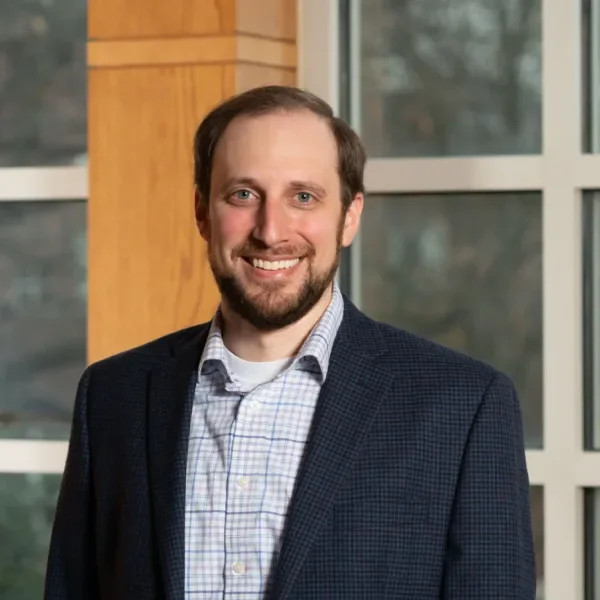
Dr. Dan Pitonyak is an Associate Professor of Physics at Lebanon Valley College , where he co-chairs the Chemistry and Physics department. His research focuses on computational nuclear physics , particularly the 3D structure of protons using Python-based simulations. B.S. from Lebanon Valley College Ph.D. from Temple University Dr. Pitonyak’s work spans Quantum Chromodynamics (QCD) , Transversity PDFs , Transverse Momentum Dependent (TMD) distributions , and Spin Observables . He leads NSF-funded projects on hadronic structure and collaborates with institutions like Jefferson Lab. Recent publications highlight his global QCD analyses of transversity and dihadron fragmentation functions, with applications to the Electron-Ion Collider . His 2015 APS Dissertation Award underscores his impact on hadronic physics. NSF Grant (PHY-2308567) : Principal Investigator DOE Grant : Senior Personnel Students like Penn Smith '25 and Jacob Marsh '25 actively participate in his research. Dr. Pitonyak provides interactive tools via Google Colab for exploring QCD models and experimental configurations.
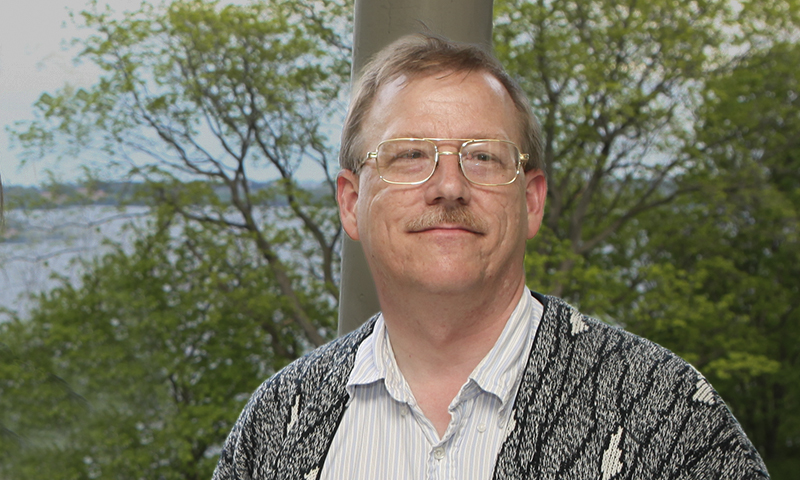
Theodore J. Allen is a Professor of Physics at Hobart & William Smith Colleges (HWS), where he has been a faculty member since 1998. He currently serves as Chair of the Physics Department and holds a Ph.D. in Theoretical Physics from Caltech (1988). His academic journey includes prior positions at SUNY Utica/Rome, University of Wisconsin-Madison, and postdoctoral fellowships at Syracuse and Wisconsin. Ph.D., Theoretical Physics, California Institute of Technology (1988) M.S., Physics, California Institute of Technology (1984) B.S., Applied Mathematics, Engineering and Physics, University of Wisconsin-Madison (1982) Allen's research is centered in theoretical high-energy physics, with a focus on Quantum Chromodynamics (QCD), string theory, and the quantization of constrained systems. His work explores the dynamics of QCD strings, pseudoclassical models, and meson spectroscopy, contributing to our understanding of quark confinement and hadronic structure. He has published extensively in leading journals such as Physical Review D and Journal of Mathematical Physics . His recent publications, spanning from 2021 to 1991, reveal a sustained research program in theoretical particle physics. The articles consistently address topics in QCD string models, quantization techniques, and hadron dynamics. Key themes include the behavior of spinning and curved strings in QCD, the transition between scalar and string confinement, and the vibrational modes of flux tubes. The work employs advanced mathematical methods in quantum field theory and constrained systems, demonstrating deep theoretical insight. Allen has received several honors, including the National Science Foundation Graduate Fellowship and multiple academic excellence awards during his undergraduate and graduate studies. He was elected to Phi Beta Kappa, Phi Kappa Phi, and Tau Beta Pi, reflecting early recognition of his academic excellence. National Science Foundation Graduate Fellow - Caltech (1982-1985) University Academic Excellence Award - UW-Madison (1982) University Academic Excellence Award - UW-Madison (1981) Radtke Prize Scholarship in Physics - UW-Madison (1981) Elected Phi Beta Kappa (1981) Elected Phi Kappa Phi (1981) Elected Tau Beta Pi, National Engineering Honor Society (1981) Frank D. Cady Scholarship in Mathematics - UW-Madison (1979 & 1980) National Merit Scholar - UW-Madison (1978-1982) Westinghouse Science Talent Search Honors Group (1977) He has advised graduate students, including Dennis B. Crossley (Ph.D., UW-Madison, 1994), and has held significant service roles such as Department Chair at HWS (2004–2006, 2008–2009, 2013–2019) and Career & Professional Development Liaison to the American Physical Society (2001–Present). He has taught a wide range of courses including Quantum Mechanics, Classical Mechanics, and Advanced Laboratory, and has been actively involved in curriculum development and academic computing. Allen is a member of the American Physical Society and has served as a referee for major journals including Physical Review Letters and Physical Review D . His research has been presented at numerous national and international conferences, including the MRST series, Confinement III, and meetings at Duke, Syracuse, and Fermilab.
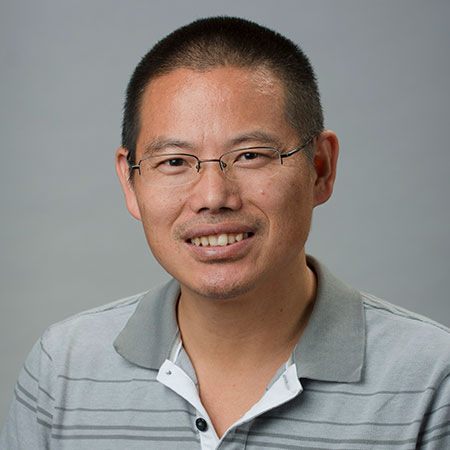
Marko Lindner is a Professor at the Institute of Mathematics, Hamburg University of Technology (TUHH), where he holds the Chair of Applied Analysis. His research lies at the intersection of functional analysis and numerical analysis, particularly focusing on the spectral and Fredholm theory of infinite matrices and linear operators. He has led significant research projects funded by the European Union through Marie-Curie grants and has collaborated with institutions and industries including BAE Systems, UK Met Office, and Schlumberger Ltd. Hamburg University of Technology (TUHH), Institute of Mathematics Chair of Applied Analysis Email: lindner@tuhh.de Office: Room 3,094, Building E, Am Schwarzenberg-Campus 3, D-21073 Hamburg His research interests include operator theory, spectral theory, pseudospectra, finite section methods, discrete Schrödinger operators, and applications in mathematical physics and wave scattering. He investigates the stability and convergence of numerical approximation schemes for infinite-dimensional operators, with deep theoretical contributions to limit operator theory and collective compactness. The recent publications highlight a strong trend in spectral approximation of non-selfadjoint operators, particularly Schrödinger-type operators with periodic, aperiodic, and random potentials. His work combines rigorous functional analytic foundations with computational insights, often involving pseudospectra, condition number asymptotics, and subword-based approximation techniques. The integration of numerical methods with spectral theory is a consistent theme, especially in the context of wave propagation and scattering problems. Scientific awards include: Individual Marie-Curie Fellowship (EU, 2005–2007) Individual Marie-Curie Grant (EU, 2008–2011) Marko Lindner has supervised various research projects, particularly in the areas of wave scattering in unbounded domains and the spectral analysis of infinite matrices. His collaborations span applied mathematics, mathematical physics, and engineering, with funding from both public and private sectors. He is actively involved in the academic community, organizing events such as the Operator Theory Workshop and participating in SIAM & GAMM Chapter activities. He leads and contributes to research teams working on applied operator theory, with a focus on developing stable and efficient numerical methods for complex physical systems. His work bridges theoretical operator algebras and practical computational techniques.
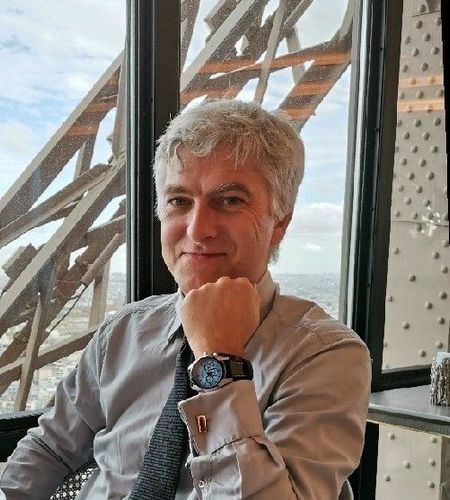
Aleksandr Malyshev is Professor of Mathematics at the University of Bergen. His research integrates numerical linear algebra, stability theory, optimisation-based control, and image-processing algorithms, yielding a portfolio of more than 60 peer-reviewed articles and conference contributions. Education & affiliations: Professor, Department of Mathematics, University of Bergen, Norway (present) Previous research and teaching engagements in informatics and applied mathematics at the same university Research interests: Malyshev’s core interest is the theoretical and algorithmic analysis of matrix problems arising in stability, control and imaging. He develops numerically reliable tools for assessing the distance to instability of dynamical systems, constructs preconditioners that accelerate optimisation solvers in real-time model predictive control, and designs variational models for 3-D reconstruction and image denoising. His work frequently combines spectral theory of matrix polynomials with practical issues such as high-performance implementation and medical-image quantification. Across the last decade his articles reveal three dominant strands: (i) stability and perturbation of time-delay and periodic systems, (ii) preconditioned iterative solvers for interior-point and MPC formulations, and (iii) variational and learning-based approaches to depth estimation, surface reconstruction and glenoid-bone assessment. These themes are unified by a common mathematical substrate—exploitation of matrix structure to obtain computationally efficient, numerically trustworthy solutions. Scientific awards & recognition: Regular invited speaker at international workshops on numerical linear algebra and control (e.g., SK Godunov conference 2009, IFAC 2018) Funded principal investigator / co-investigator on Research Council of Norway and EU Horizon Europe grants Advising & grants: Malyshev has supervised numerous MSc and PhD candidates in numerical analysis and scientific computing and currently advises graduate researchers on projects ranging from 3-D machine-vision algorithms to Krylov-subspace preconditioning. Recent grant participation includes EU project 101373 (3-D quantification of glenoid bone loss) and the Norwegian Research Council project 262203 on perfusion-flow simulation. Labs & collaboration: He collaborates closely with the Group for Numerical Methods and Applications at UiB, the Visual Computing cluster at the Department of Informatics, and maintains international partnerships with the Universities of Brest, Lübeck, and several US institutions. These joint efforts feed cross-disciplinary projects combining rigorous matrix analysis with real-world applications in biomechanics, process control, and computer vision.
Peter Ciesielski is a Researcher V in Materials Science at the National Renewable Energy Laboratory (NREL), working within the Renewable Resources and Enabling Sciences Center's Advanced Manufacturing research group. His work focuses on bioenergy and biomaterials science, leveraging his interdisciplinary background to develop sustainable solutions using renewable biomass resources. Ciesielski's research interests span several key areas: Advanced Multimodal Microscopy (electron microscopies, 3-D tomography, atomic force microscopy) Quantitative Image Analysis and Structural Modeling of plant biopolymers and cell walls Surface Science and Electrochemistry for biohybrid systems Computational Modeling and Simulation using various programming tools and environments His research demonstrates a strong interdisciplinary approach, combining materials science, chemical engineering, and computational methods to address challenges in renewable energy and sustainable materials. Ciesielski's publication record shows consistent productivity with 104 total research outputs spanning from 2011 to present, with particularly active years in 2014 and continued productivity through 2025. Ciesielski has received the NREL Distinguished Member of Research Staff award in 2021, recognizing his significant contributions to the laboratory's mission. His work focuses on key fingerprint areas including Pyrolysis (100%), Fractionation (76%), Feedstock (72%), Surface Science (62%), Pretreatment (59%), Biomass Particle (58%), Lignin (50%), and Fast Pyrolysis (45%). His educational background includes a Bachelor's degree in Chemical and Biological Engineering from Colorado State University and a PhD in Interdisciplinary Material Science from Vanderbilt University. This foundation supports his current work at the intersection of multiple scientific disciplines, with recent publications showing increasing incorporation of computational methods and machine learning techniques in his research approach.
Dr. Çiğdem Kadaifçi Yanmaz is a faculty member at Istanbul Technical University, Department of Industrial Engineering. Her research focuses on fuzzy logic applications, supply chain resilience, and decision-making processes in Turkey-specific contexts. 15+ years of research output in fuzzy cognitive mapping, hesitant/Pythagorean/Fermatean fuzzy sets Collaborative projects with scholars in environmental management, healthcare, and telecommunications Current projects include natural gas demand forecasting, organ donation factors, and peer review system analysis Research trends include: 1. Fuzzy logic for complex system modeling 2. Turkey-specific case studies across multiple sectors 3. Interdisciplinary work combining industrial engineering with public policy and healthcare Projects (2023-2025): Organ donation decision factors in Turkey (2024) Peer review process analysis (2023-2024) Process performance improvement (2024) Natural gas consumption forecasting (2024)
Zaijing Sun is an Associate Professor in the Department of Health Physics and Diagnostic Sciences at the University of Nevada, Las Vegas. He holds a Ph.D. in Applied Nuclear Physics from Idaho State University (2012) with specialization in radiation sciences and accelerator applications, and has prior academic experience at South Carolina State University and Argonne National Laboratory. Education: Ph.D. in Applied Nuclear Physics (Idaho State University, 2012) His research bridges health physics, nuclear activation analysis, and advanced data analytics, focusing on: Radiation detection and measurement Medical applications of particle accelerators 3-D isotopic imaging Temporal data mining in nuclear decommissioning Computer simulations of nuclear processes Archaeometry Recent publications emphasize nuclear activation analysis techniques, radiation safety, and temporal data mining applications in nuclear systems. He leads the Health, Environment, and Radiation Detection (HERD) research group at UNLV, which develops remote radiation spectra collection systems and collaborates with hospitals, accelerator manufacturers, and national laboratories.
PD Dr. Florian Frank is Privatdozent (senior lecturer with full teaching licence) for Applied Mathematics at Friedrich-Alexander-Universität Erlangen-Nürnberg (FAU) and heads the Bavarian research project „Parallel mesh loading and partitioning for large-scale simulation“ . His expertise spans high-performance computing, phase-field and discontinuous Galerkin methods, digital-rock physics, and reactive transport in porous media. Education & career 2022 – Venia legendi (private lecturer), Mathematics, FAU 2019 – Dr. habil., Mathematics, FAU 2013 – Dr. rer. nat., Applied Mathematics, FAU 2008 – Graduate Mathematician, University of Frankfurt 2021-2022 (acting) W2 Professor Scientific Computing, FAU 2018-2021 (acting) W2 Professor Mathematical Modelling, FAU 2017-2018 Senior Postdoc, CAAM, Rice University, USA 2014-2017 Postdoc, CAAM, Rice University, USA Research interests Frank focuses on the development and analysis of numerical schemes for partial differential equations that govern multiphase, multicomponent and reactive processes in porous or biological media. Key themes include discontinuous Galerkin and finite-volume methods , physics-preserving discretizations , high-performance computing , and digital-rock-based pore-scale simulations . He couples phase-field approaches with (Navier–)Stokes, Cahn–Hilliard, Nernst–Planck and density-gradient equations to quantify flow, transport, colloid dynamics and interfacial phenomena. Recent publications reveal a clear trend toward data-driven modelling : convolutional neural networks are trained with direct numerical simulation data to predict permeability and diffusion coefficients from 3-D micro-CT images, while advanced preconditioners and regularization techniques accelerate multiphase thermodynamic computations. Awards & recognition 2020 – Emmy-Noether-Prize der Naturwissenschaftlichen Fakultät, FAU 2017 – Promotion to Senior Postdoctoral Research Associate , George R. Brown School of Engineering, Rice University Projects, tools & supervision Frank currently leads a Bavarian state-funded project on parallel mesh handling for large-scale simulations. Together with collaborators he maintains the open-source MATLAB/GNU Octave toolbox FESTUNG for discontinuous Galerkin methods. Since 2018 he has (co-)supervised ten BSc and MSc theses on topics ranging from Stokes preconditioning to enriched Galerkin shallow-water solvers, regularly serves as reviewer for more than a dozen international journals, and is guest editor of special issues in Computational Geosciences and Oil & Gas Science and Technology .
Sławomir Zieliński is a Lecturer at the Institute of Computer Science within the Faculty of Computer Science at AGH University of Science and Technology in Kraków. His academic role involves teaching and research focused on cloud technologies and educational informatics. He maintains an office at D-17, ul. Kawiory 21, and can be contacted via email at slawek@agh.edu.pl or phone at +48 12 328 33 77. Zieliński's research explores intersections between cloud computing and educational technology, particularly: Cloud-native applications and serverless architectures for environmental monitoring Automated orchestration of educational services in cloud environments IoT-enhanced collaborative learning platforms Software-defined networking optimizations Remote teaching methodologies and pandemic-responsive education systems Performance evaluation frameworks for distributed systems His work demonstrates consistent innovation in adapting cloud infrastructure to educational challenges. Recent publications (2015-2024) reveal strong thematic focus on cloud-based educational technologies, distributed systems optimization, and pandemic-era teaching solutions. Dominant research threads include: Cloud infrastructure for remote education (6+ publications) Performance evaluation methodologies for networks and cloud services (4 publications) IoT integration in educational ecosystems (3 publications) Serverless computing applications in environmental systems
Sébastien Lepaul is a senior research associate at S.E.R.G. / CentraleSupélec since 2023 and a research engineer at EDF R&D since 1999, with additional experience as an associate research director at CNRS for finite element modelling in THz applications. His academic qualifications include: Master’s degree in non-linear analysis, numerical analysis, and scientific computing from University Paris VI Ph.D. in physics from University Paris VI Habilitation à Diriger des Recherches (HDR) in physics and economics (2013) His research spans two distinct phases: Current (since 2007): Optimization, Game Theory, and Commodities Modelling with applications in energy economics Past: Finite Element Modelling for semiconductor devices design, electromagnetism, and mechanics He teaches Energy Economics, Electricity markets, and Optimization while supervising doctoral research. He has completed 6 PhD theses and currently guides 3 doctoral students. Administrative experience includes leading a 30-person modelling team at Michelin during the mid-2000s.
Cihan TAŞTAN is an Assistant Professor in the Department of Molecular Biology and Genetics at Üsküdar University. He is also the director of the Transgenic Cell Technologies Application and Research Center (TRGENMER), CRISPR Valley, and the founding director of international initiatives including radichal.com and hi-dna.com. Dr. TAŞTAN graduated with honors from METU Molecular Biology and Genetics in 2011 and completed his PhD at New York University in Microbiology-Immunobiology in 2017. His doctoral research focused on human immune system cells and bacterial species interactions, followed by work at The Jackson Laboratory on CRISPR genome modification techniques. From 2017-2020, he served as R&D Unit Manager at Acıbadem LabCell Cell Laboratory developing CAR-T cell therapies. His research spans biotechnology, genetics, immunology, and molecular genetics with particular expertise in CRISPR gene editing, CAR-T cell therapy, synthetic biology, and DNA-based technologies. His recent publications demonstrate significant contributions to genetic engineering applications for rare diseases, cancer immunotherapy, and viral treatments. His 15 most recent publications show a strong focus on CRISPR technology applications, CAR-T cell development, and genetic therapies for conditions including muscular dystrophy, hemophilia, and cancer. The research demonstrates both theoretical innovation and practical therapeutic applications. En İyi Sözlü Bildirim Ödülü (V. Uluslararası Katılımlı Deneysel Hematoloji Kongresi) Ord. Prof. Dr. Süreyya Tahsin Aygün Araştırma Ödülü (3. Kök Hücre ve Hücresel Tedaviler Kongresi) HiDNA Initiative award (Sanofi-Pharmup Program) Yılın Sosyal Sorumluluk Projesi ödülü (Doktorclub Awards) EBM Outstanding Reviewer Award Dr. TAŞTAN has supervised numerous graduate students, with 13 master's theses listed in the document. His research is supported by multiple TÜBİTAK projects, with 25 active projects as of 2025 focusing on genetic therapies for conditions including glycogen storage disease, muscular dystrophy, Alzheimer's disease, and cancer. He leads the MESSAGE Science Mission, which explores genomic research in microgravity environments. He directs several research centers including TRGENMER (Transgenic Cell Technologies Application and Research Center) and CRISPR Valley, which develops and trains on CRISPR gene engineering technologies. His hiDNA initiative develops platforms using DNA-based cryptology, DNA barcoding, and blockchain technology for healthcare applications.
Manuela Battipede is Associate Professor of Flight Mechanics & Control at the Politecnico di Torino , Department of Mechanical and Aerospace Engineering (DIMEAS). Since 2002 she has led research and teaching in aerospace guidance, airworthiness, neural-network-based virtual sensors, and trajectory optimisation, coordinating EU H2020 and Clean Sky projects, industrial airworthiness certification contracts, and supervising PhD students in aerospace engineering. Education & Academic Career Joined Politecnico di Torino as a confirmed Associate Professor (Prof.ssa Associata Confermata). Visiting Researcher, West Virginia University, USA (April–September 2002). Research Interests Her work integrates control theory , flight mechanics , and artificial-intelligence-based sensing to enhance safety and efficiency of air and space vehicles. Key themes include: 4-D trajectory optimisation for climate-neutral aviation. Certifiable virtual air-data systems using neural networks. Flutter suppression and intelligent flight control for fixed-wing and rotary-wing aircraft. Low-thrust orbital mechanics, collision avoidance, and end-of-life disposal for satellites. Lighter-than-air platforms and VTOL hybrid drones for earth-observation and fire-monitoring missions. Scientific Awards & Recognition PoCN – Proof of Concept Network (2015), AREA Science Park, Italy. Regular evaluator for SESAR Joint Undertaking, EU H2020, and European Commission programmes. Doctoral Advising & Funding Since 2011 she has served on the PhD board of the Aerospace Engineering doctorate at Politecnico di Torino, currently supervising: Giorgio Antonio Orlando (39th cycle, 2023–) Gabriele Tarascio (39th cycle, 2023–) She has been Scientific Director of >20 competitively funded projects (EU Clean Sky MIDAS, ESA, MIUR-PRIN, EASA certification contracts, etc.) and commercial consultancy contracts exceeding €3 M. Laboratories & Teams Battipede leads the Modelling, Simulation and Control of Aircraft research group at DIMEAS, managing real-time hardware-in-the-loop test rigs, CubeSat development platforms, and an integrated multi-aircraft simulation laboratory for education and industrial validation.
Associate Professor Irena Radic Rossi, Ph.D. has been a faculty member at the University of Zadar, Department of Archaeology since 2009, where she teaches at undergraduate, graduate and postgraduate levels. Born in Zagreb in 1964, she is a leading Croatian underwater archaeologist specialising in maritime heritage of the Adriatic. Education 1987 – B.A. in Archaeology, Faculty of Philosophy, University of Zagreb 1993 – M.Sc. in Archaeology (topic: Amphorae of the Lamboglia 2 and Dressel 6a types on the eastern coast of the Adriatic in light of underwater finds ) 2011 – Ph.D. in Archaeology, University of Zadar (topic: Problems of prehistoric and ancient archaeological sites in the Croatian underwater world ) Research Interests Her research encompasses the full spectrum of underwater and maritime archaeology, from ship construction and naval architecture to ancient trade routes , seafaring technologies , and protection of submerged cultural heritage . She employs interdisciplinary methods combining traditional excavation with advanced digital recording, numerical simulation and archaeometric analyses. Her work illuminates how human interaction with the sea has shaped the civilisations of the Adriatic and the wider Mediterranean. Publications Overview Across more than 80 publications since 2017, her research can be grouped into four dominant themes: (1) hull analysis and ship performance , where engineering approaches are applied to ancient vessels; (2) site-specific studies of iconic wrecks such as Gnalić (1583), Santo Hieronimo (1576) and Roman sites at Caska and Trstenik; (3) environmental reconstructions using salt-pan and microfossil proxies to track Holocene sea-level change; and (4) material culture studies focusing on amphorae, glass and pottery as evidence of trade and technology transfer. Scientific Awards & Recognition While explicit awards are not listed, her sustained international collaborations—Centre Camille Jullian (CNRS), Ca’ Foscari University Venice, Texas A&M University, UNESCO Participation Programme—underscore significant peer recognition. Projects & Funding Principal Investigator, Ships and Navigation in the Roman Province of Dalmatia (with Centre Camille Jullian, France, since 2007) Co-director, Ars Nautica – Educational Program in Archaeology and Maritime History (with Ca’ Foscari University & UNESCO, 2008–2011) Coordinator, The Shipwreck near Gnalić – A Mirror of Renaissance Europe (with Texas A&M University and partners, since 2011) Laboratories & Teams She leads the University of Zadar’s underwater archaeology research group, integrating students and post-docs into field projects that combine diving operations, 3-D photogrammetric recording, and laboratory analyses in dendrochronology and archaeometry. Fieldwork is conducted from the department’s own research vessel, providing a fully equipped platform for multidisciplinary campaigns along the Croatian coast.
Thomas Litman is a Professor in the Department of Immunology and Microbiology at the University of Copenhagen's Faculty of Health and Medical Sciences, where he leads bioinformatics research at the Skin Immunology Research Center. With expertise spanning multiple omics technologies, he applies computational approaches to understand complex biological systems, particularly in the context of inflammatory skin diseases and cancer biology. Dr. Litman earned his PhD from the University of Copenhagen in 1996 with research focused on 'The multidrug resistant phenotype - a comparative study.' His academic journey has positioned him at the intersection of computational biology and medical research. Professor Litman's research centers on medical bioinformatics, with particular emphasis on inflammatory skin diseases including atopic dermatitis, psoriasis, and cutaneous T-cell lymphoma. He investigates multidrug resistance in cancer, utilizing transcriptomics, metabolomics, microbiome analysis, and proteomics to develop integrated 'skinomics' approaches. His work focuses on identifying molecular biomarkers with diagnostic, prognostic, and predictive value, especially for characterizing endotypes of inflammatory skin conditions. Through structural bioinformatics and translational research using cellular models, 3-D models, and clinical data, he bridges computational analysis with real-world medical applications. His recent publication record demonstrates a strong focus on applying multi-omics approaches to dermatological conditions, with significant contributions to understanding chronic hand eczema, basal cell carcinoma, and cutaneous T-cell lymphoma. His work increasingly integrates clinical data with molecular profiling to identify biomarkers and therapeutic targets, reflecting a trend toward more personalized approaches in dermatology and oncology. Professor Litman actively supervises bachelor's, master's, and PhD students in applied bioinformatics, encouraging the next generation of researchers to explore the 'data jungle' through computational analysis. His research is supported by collaborations with LEO Pharma and other industry partners, facilitating translational research from bench to bedside.
Gonzalo Besuievsky is Associate Professor at the Department of Computer Science and Applied Mathematics of the University of Girona , Spain. He leads research on physically-based rendering and global illumination, with particular emphasis on Monte-Carlo methods and dynamic radiosity environments. Education: PhD in Computer Science, Universitat Politècnica de Catalunya , 2001 — Dissertation: "A Monte Carlo Approach for Animated Radiosity Environments" Research Interests: His work spans several inter-related domains: Global Illumination & Radiosity: developing algorithms for realistic light transport in synthetic scenes. Monte Carlo Techniques: adaptive and hierarchical sampling to accelerate rendering. Dynamic Environments: efficient update schemes for animated lighting and moving light sources. Daylighting Simulation: integrating sunlight models into architectural 3-D workflows. Motion Blur & Temporal Coherence: novel methods to render motion-blurred radiosity images. Publication Trends: Across his 1993–2006 publications, a clear evolution is visible from foundational stochastic ray-tracing work toward sophisticated Monte-Carlo radiosity frameworks that handle dynamic lighting, daylighting, and frame-to-frame coherence for animations. Labs & Groups: He is affiliated with the Girona Graphics Group , a research team devoted to advanced graphics and visualization technologies.