About
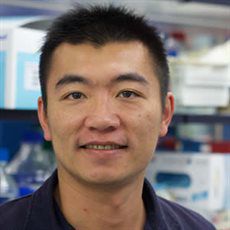
Dr. Yu-Chiang Lai is a Birmingham Fellow and faculty member in the School of Sport, Exercise and Rehabilitation Sciences at the University of Birmingham, UK. He leads the Lai Lab and serves as Director of the Mitochondrial Profiling Centre, with affiliations to the MRC-ARUK Centre for Musculoskeletal Ageing Research and the Institute of Metabolism and Systems Research (IMSR).
Education:
- PhD in Exercise Physiology & Metabolism, Norwegian School of Sport Sciences, Oslo, Norway (2010)
- MSc in Sport Science, University of Taipei, Taiwan (2005)
His research focuses on molecular mechanisms of skeletal muscle wasting and how exercise improves muscle health. His group investigates signaling networks involving AMPK, ubiquitin-proteasome pathways, and mitophagy, using techniques like CRISPR/Cas9, phosphoproteomics, and mouse models. The long-term goal is to identify drug targets that mimic exercise benefits for treating age-related and disease-associated muscle loss.
The 15 most recent publications reveal a consistent focus on metabolic regulation in muscle and liver, mitochondrial signaling in neurodegeneration, and ubiquitin-mediated protein degradation. Key themes include AMPK activation, PINK1/Parkin pathways in Parkinson’s disease, and exercise-induced signaling. The work spans basic molecular mechanisms to translational applications using human tissue samples.
Scientific Awards and Recognitions:
- Birmingham Fellowship
- Christian de Duve Institute Fellowship
- FNRS Funding (Belgium)
Dr. Lai mentors early-career researchers and welcomes PhD students and collaborators. He has received independent funding to establish his lab and leads research projects bridging basic science and clinical applications. His work is supported by institutional and national research infrastructures, and his lab provides reagents to the scientific community.
He is actively involved in the Mitochondrial Profiling Centre and collaborates with pharmaceutical partners like AstraZeneca. His research contributes to understanding ageing, metabolic diseases, and neurodegeneration, with a vision to develop exercise-mimetic therapeutics.