About
Ya Ha is an Associate Professor in the Department of Pharmacology at Yale School of Medicine, with affiliations in Biochemistry and the Yale Cancer Center. She is a member of the Yale Combined Program in the Biological and Biomedical Sciences (BBS) and contributes to interdisciplinary research in structural biology and pharmacology.
- PhD, University of Minnesota, 1998
- Postdoctoral Fellow, Harvard University, 2001
- BS, Nanjing University, 1992
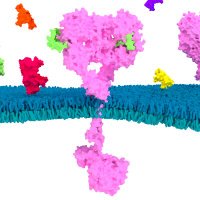
Her research focuses on the structural and mechanistic aspects of membrane-associated enzymes, particularly phosphatidylinositol phosphate kinases (PIP5K, PIP4K), cis-prenyltransferases, and intramembrane proteases. Using X-ray crystallography and biochemical methods, her lab investigates how these enzymes recognize substrates, regulate cellular signaling, and contribute to diseases such as cancer and metabolic disorders. Her work on PIP4K inhibitors has revealed selective toxicity in p53-null tumor cells, suggesting therapeutic potential. She also studies the NgBR/DHDDS complex in dolichol synthesis and its role in protein glycosylation, as well as the conformational dynamics of rhomboid and GxGD proteases.
Her recent publications demonstrate a strong trend in targeting lipid metabolism and membrane enzyme dysfunction for cancer therapy, particularly through structure-based drug design. She collaborates with experts in chemical biology and oncology, including Jonathan Ellman and Sangwon Lee.
- Pharmacological inhibition of PI5P4Kα/β disrupts energy metabolism and kills p53-null tumor cells (PNAS, 2021)
- Structural elucidation of NgBR/DHDDS complex (PNAS, 2020)
- Mechanism of substrate specificity in PIP kinases (PNAS, 2016)
Ya Ha leads an active research program with ongoing projects in enzyme mechanism, drug discovery, and disease modeling. She mentors graduate students and postdocs through the BBS program and collaborates across departments to advance understanding of membrane protein function. Her lab is supported by institutional and federal funding, and she is involved in training the next generation of structural biologists and pharmacologists.