About
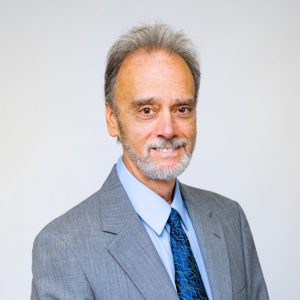
Tony Caramia is Professor of Piano at the University of Rochester's Eastman School of Music, where he has served since 1990 as Director of Piano Pedagogy Studies, Coordinator of the Class Piano Program, and Affiliate Faculty in Jazz Studies & Contemporary Media. His 45+ year career encompasses pedagogy, composition, performance, and scholarly writing, with a focus on innovative teaching approaches and cross-genre exploration.
Caramia's research centers on piano pedagogy and jazz integration, evidenced by his theme-based recitals exploring topics like women composers (Celebrating Women in Music), jazz history (A European Jazz Travelogue), and pedagogical creativity. His work bridges classical and jazz traditions through multimedia programming and collaborative student projects, emphasizing thematic coherence and audience engagement in piano education.
His scholarly output demonstrates consistent focus on creative pedagogy and jazz-classical synthesis, particularly through decades of contributions to Piano Magazine, Keyboard Companion, and Clavier Magazine. The 2018 article The Imaginative Piano Teacher exemplifies his exploration of improvisational techniques and thematic programming to enhance studio instruction.
Caramia's recognition includes:
- Frances Clark Center National Conference on Keyboard Pedagogy Lifetime Achievement Award (2021)
- Inaugural Outstanding Service Recognition Award (2019)
- SUNY Fredonia Outstanding Achievement Award (2010)
He actively mentors global teaching assistants and students through themed studio concerts (Mr. C. and His All-Stars!), developing curricula that integrate jazz elements into classical training. His Class Piano Program oversees proficiency testing and multi-level instruction (PCL 101-106) for Eastman and River Campus students.
Caramia directs Eastman's two dedicated piano labs, implementing innovative classroom technologies like Maestro and Smartboard systems. His program features structured progression through harmonic minor/major scales, harmonization exercises, and performance-based assessments across six course levels.