
About
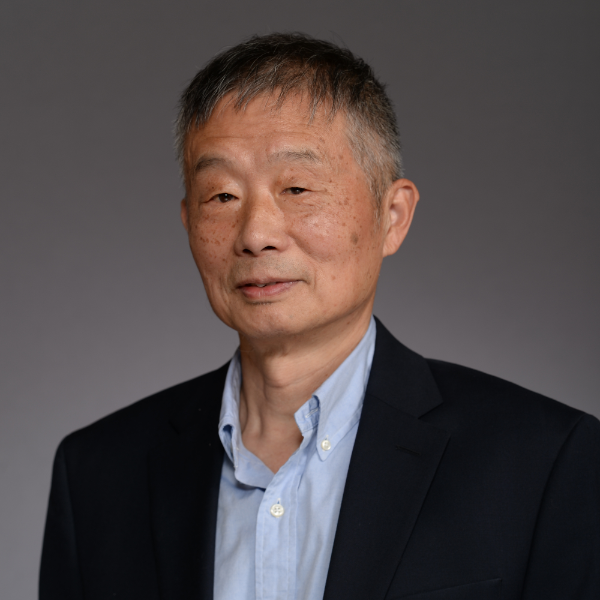
Tong Wang is a Professor of Cellular & Molecular Physiology at the Yale School of Medicine. He leads research into kidney tubule electrolyte transport mechanisms, using genetically modified animal models to study pathophysiological processes. His work focuses on ion transport regulation, glomerulotubular balance (GTB), and diseases like Bartter’s syndrome. Key contributions include studies on NHE3, ROMK, and aquaporin’s roles in kidney function.
Education:
- MD, Beijing Medical University (1974)
- Postdoctoral Fellow, Yale University (1993)
Research Interests:
Dr. Wang’s lab investigates flow-activated transport, potassium channel dysfunction in Bartter’s syndrome, and dietary potassium effects on renal physiology. Techniques include microperfusion, metabolic studies, and transgenic models. Recent work highlights aquaporin-1’s role in cell volume regulation and cyst growth prevention in polycystic kidney disease.
Articles Overview:
Recent publications address dietary potassium’s impact on proximal tubule transport, aquaporin-1’s role in GTB, and sex-based differences in kidney electrolyte handling. Findings emphasize mechanotransduction pathways and translational relevance to human kidney diseases.
Labs & Collaborations:
He directs the Integrated Kidney Function Core and Renal Physiology Core, supporting kidney research at Yale and globally. Collaborators include Peter Aronson, Michael Caplan, and Xingguang Luo, focusing on kidney physiology and disease mechanisms.
Find Tong Wang elsewhere
Related Searches
You Might Also Like
 Eric DelpireVanderbilt University · Professor
- AAlicia A. McDonoughUniversity of Southern California · Professor
- HHelga VitzthumUniversity Medical Center Hamburg-Eppendorf · Researcher
 Lisa M SatlinIcahn School of Medicine at Mount Sinai · Professor
 Wenhui WangNew York Medical College · Professor
 Aylin RodanUniversity of Utah · Professor