About
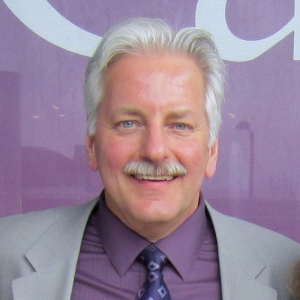
Dr. Timothy M. Osberg is a Professor at Niagara University, affiliated with the College of Arts and Sciences and the Department of Psychology. He joined the faculty in 1982 and teaches introductory psychology, abnormal psychology, clinical psychology, and psychological assessment. His research focuses on psychological assessment, college student mental health, alcohol use in students, and eating disorders.
- B.A. in Psychology, State University of New York at Buffalo (1977)
- M.A. in Clinical Psychology, State University of New York at Buffalo (1980)
- Ph.D. in Clinical Psychology, State University of New York at Buffalo (1982)
Dr. Osberg’s research explores the validity of psychological instruments like the MMPI-2 in diverse populations, the development of new tests such as the Irrational Food Beliefs Test and the College Life Alcohol Salience Scale, and the interplay between alcohol use and mental health in college students. His work also investigates cognitive factors in drinking behavior and irrational food beliefs related to weight loss.
His recent publications and presentations highlight trends in alcohol intervention strategies, the impact of social norms during the pandemic, and the relationship between mental health and college retention. He has mentored numerous students in his clinical psychology lab, co-authoring studies on topics like drinking culture, eating disorders, and behavioral interventions.
- Fellow of the American Psychological Association
- Community Service Award (Mental Health Association in Niagara County, 2000)
- Professionalism in Mental Health Award (Mental Health Association in Niagara County, 2004)
- Multiple editorial board roles for journals like Journal of Clinical Psychology and Teaching of Psychology
Dr. Osberg has been a practicing clinician for 30 years, actively participating in community service through the Mental Health Association in Niagara County. He co-hosts a monthly cable TV program, conducts screenings, and organizes the Stomp Out Stigma run. His lab involves students in research, emphasizing collaborative and applied studies.
Research fields