

About
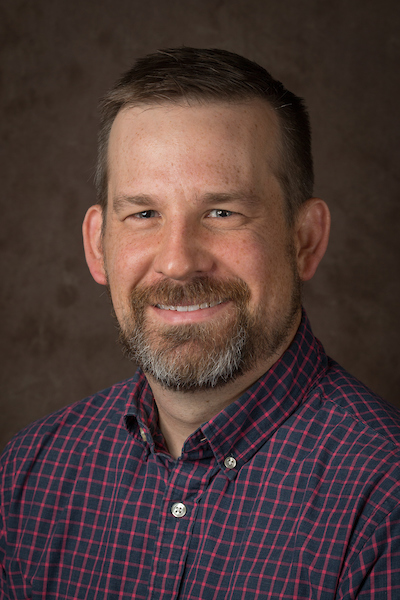
Dr. Tim McDermott is a Professor in the Department of Land Resources and Environmental Sciences within Montana State University's College of Agriculture, with additional affiliation at the Institute on Ecosystems. His research focuses on microbial processes in environmental systems, particularly arsenic transformations and methane cycling in freshwater environments. Contact is available via timmcder@montana.edu from his office in Leon Johnson Hall 637.
His academic background includes:
- B.S. from University of Nebraska-Lincoln (1982)
- M.S. from University of Minnesota - Twin Cities (1985)
- Ph.D. from University of Minnesota - Twin Cities (1989)
Research centers on microbe-arsenic interactions and aerobic methane synthesis in unexpected environments. His work combines metabolomics, transcriptomics, and field studies to unravel bacterial mechanisms in toxic element cycling and greenhouse gas production. This interdisciplinary approach bridges environmental microbiology, biogeochemistry, and toxicology to address critical ecosystem health questions.
Recent publications (2019-2023) reveal groundbreaking findings: aerobic bacterial methane production in oxygenated waters, arsenic distribution dynamics in aquatic food chains, and gut microbiome modulation of arsenic toxicity. These studies demonstrate consistent innovation in understanding microbial roles in global biogeochemical cycles, with publications in high-impact journals including PNAS and Nature Communications.
His scientific recognition includes:
- Nomination for Provost's Award for Undergraduate Research/Creativity Mentoring (2008)
Dr. McDermott secures substantial external funding through multiple active grants from NSF, NIH, and DOE. Key projects include 'Molecular and Genetic Controls Regulating Bacterial Arsenite Oxidation,' 'Biological Basis for Methane Synthesis in Oxic Lake Waters,' and 'Genetic Basis for Aerobic Bacterial Methane Synthesis.' These grants support advanced instrumentation, field campaigns, and student research across environmental microbiology domains.
While no formal lab name is specified, his research group conducts cutting-edge investigations into microbial communities in soil and aquatic systems. The team employs integrated 'omics' approaches to study bacterial responses to environmental stressors, contributing to bioremediation strategies and climate change modeling through discoveries in unexpected metabolic pathways.
Find Tim McDermott elsewhere
Related Searches
You Might Also Like
- KKarrie WeberUniversity of Nebraska-Lincoln · Professor
 Martijn HermansStockholm University · Research Fellow
 Mina BizicLeibniz Institute of Freshwater Ecology and Inland Fisheries · Researcher
 Magdalena MayrCalifornia Institute of Technology (Caltech) · Research Fellow
 Matthew SaxtonMiami University · Associate Professor
 Jan von ArxMax Planck Institute for Marine Microbiology · Researcher