About
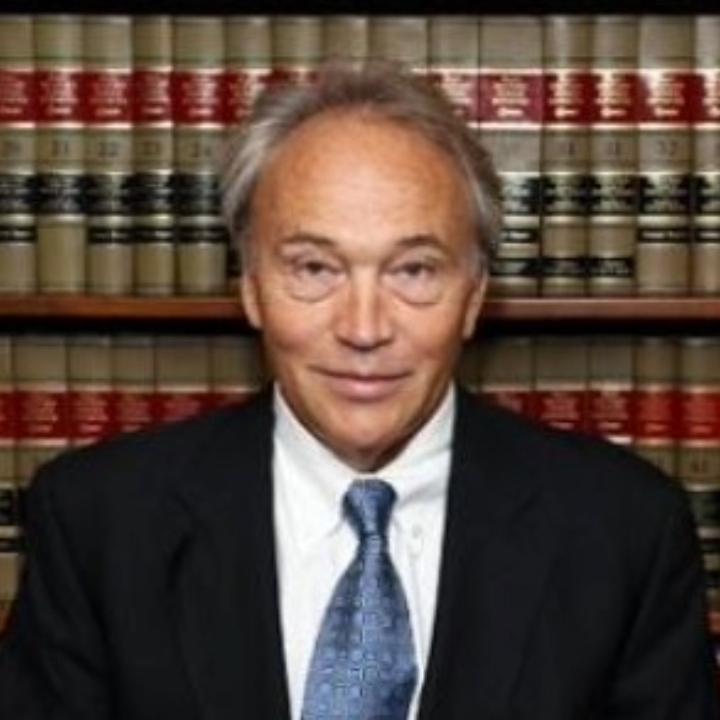
Tim Bakken serves as a Professor of Law in the Department of Law and Philosophy at the United States Military Academy (West Point), bringing extensive practical experience from civil and criminal litigation in New York City, including roles at law firms and as an Assistant District Attorney in Brooklyn. His international academic engagements include visiting scholar positions at the University of Cambridge Faculty of Law, University of Sydney Law School, Columbia University School of Law, New York Law School, and Australian National University College of Law.
His academic credentials feature:
- LL.M. from Columbia University School of Law
- J.D. from University of Wisconsin Law School
- M.S. from University of Wisconsin-Madison
- B.S. from University of Wisconsin-Stevens Point
Bakken's research critically examines criminal law and constitutional law through the lens of leadership ethics, with particular focus on truth restoration in justice systems and ethical failures within military institutions. His scholarship consistently addresses systemic vulnerabilities, including the impact of dishonesty and corruption on national security frameworks, while advocating for structural reforms that prioritize institutional integrity over blind loyalty.
His publication trajectory reveals a sustained commitment to bridging academic legal theory with real-world policy challenges, evolving from state-level criminal procedure guides to high-impact analyses of national security ethics. Recent works increasingly intersect military leadership studies with criminal justice reform, demonstrating how ethical erosion in military academies compromises operational effectiveness and public trust.
Key recognition includes:
- Fulbright Scholar designation for his work at the University of Chile
Though specific grant details remain unreported, Bakken's advisory role in establishing the Department of Law at the National Military Academy of Afghanistan demonstrates significant capacity for institutional development in complex environments. His international visiting professorships at Ural State Law University and Chilean institutions further reflect scholarly influence beyond traditional academic boundaries.
No laboratory or research team affiliations are documented in the source material.