About
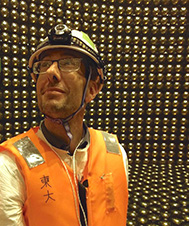
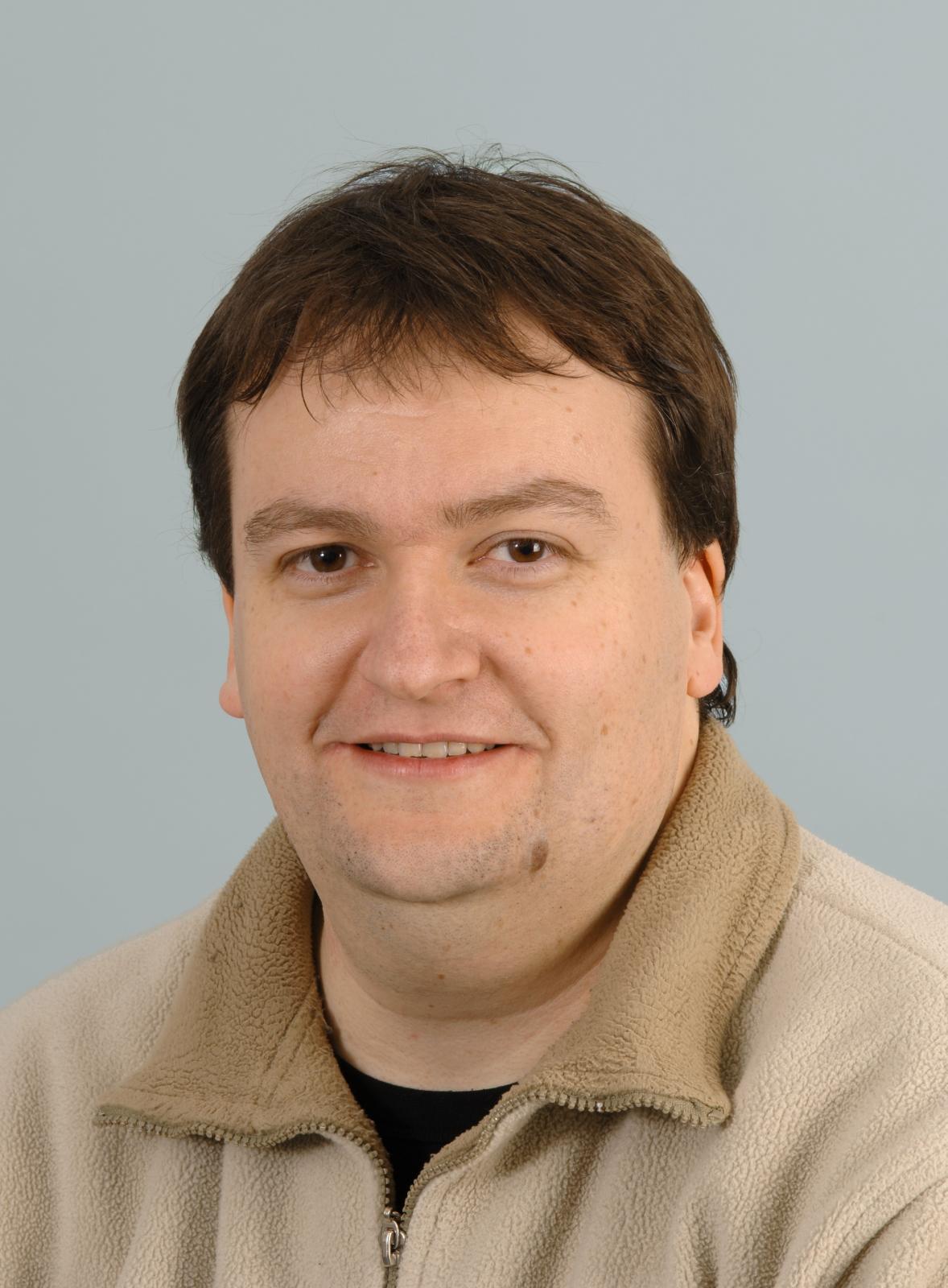
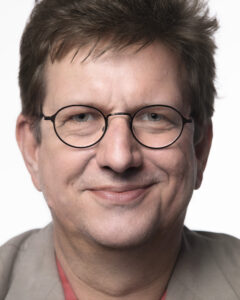
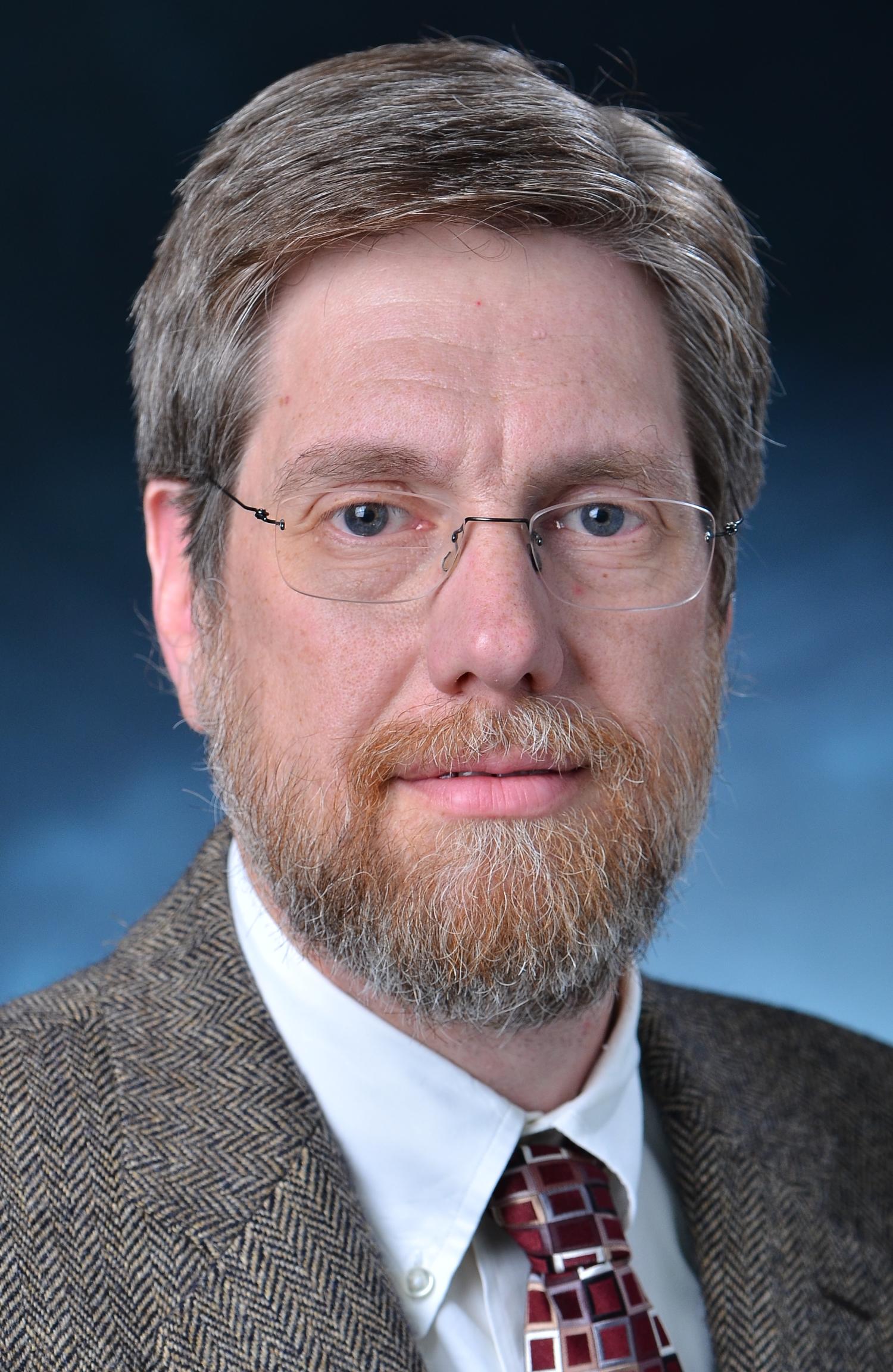
Steven L. Manly is a Professor of Physics at the University of Rochester within the College of Arts, Sciences and Engineering. He has been affiliated with the University of Rochester since 1998, following a decade at Yale University as both a postdoc and faculty member.
Professor Manly received his BA in chemistry, mathematics, and physics from Pfeiffer College in 1982 and his PhD in experimental high-energy physics from Columbia University in 1989 under Charles Baltay. His research spans high energy, nuclear, and gravitational physics, with a current focus on neutrino physics across multiple major experiments.
His primary research interests include neutrino interactions and oscillations, with significant contributions to the T2K experiment (for which he shared the 2016 Breakthrough Prize in Fundamental Physics), the MINERvA experiment at Fermilab, and the Deep Underground Neutrino Experiment (DUNE). His work aims to understand neutrino properties, measure oscillation parameters, and investigate potential connections to matter-antimatter asymmetry in the universe.
The recent publications reflect a strong focus on neutrino cross-section measurements, detector calibration techniques, and data analysis methods for the T2K and DUNE experiments. His research group contributes significantly to advancing our understanding of neutrino properties and interactions through precision measurements.
- NY State Professor of the Year (2003)
- Mercer Brugler Distinguished Teaching Professor (2002-2005)
- American Association of Physics Teachers (AAPT) Award for Excellence in Undergraduate Teaching (2007)
- Breakthrough Prize in Fundamental Physics (2016, shared as member of T2K)
Professor Manly has authored or co-authored numerous publications in leading physics journals, with recent work focusing on neutrino interaction measurements, detector development, and data analysis techniques. His research has involved collaborations with major international facilities including Fermilab, J-PARC in Japan, and Brookhaven National Laboratory. While specific grant information isn't detailed in the provided text, his participation in large-scale international collaborations suggests significant research funding support.