
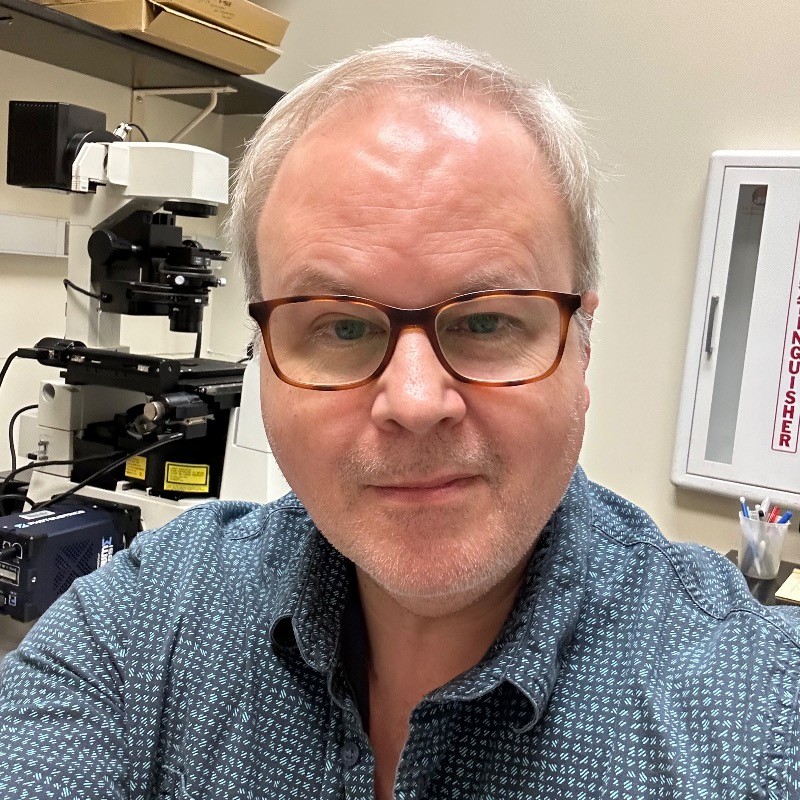
About
Stephen Rogers is a Professor in the Department of Biology at the University of North Carolina at Chapel Hill. His research focuses on the microtubule cytoskeleton's role in intracellular transport, neuronal communication, and cell division using Drosophila melanogaster as a model organism.
Education:
- PhD in Cell and Developmental Biology from the University of Illinois at Urbana-Champaign
- Postdoctoral Associate in Cellular and Molecular Pharmacology at UCSF
His research investigates how cells maintain microtubule structure under stress, particularly through the enzyme tubulin acetyltransferase (TAT), which confers mechanical reinforcement. Mutants lacking TAT exhibit microtubule breakage, impairing neuronal mechanosensation and increasing susceptibility to carcinogens and diabetes-related stressors.
The 15 most recent publications emphasize microtubule dynamics, actin-microtubule crosslinking, and signaling pathways like Rho1 and Fog. Themes include cytoskeletal organization, mechanosensation, and disease mechanisms.
He teaches BIOL 240 (Introduction to Cell Biology) and BIOL 590L (Diseases of the Cytoskeleton CURE course), where students engage in hands-on research on cytoskeletal disorders.
Find Stephen Rogers elsewhere
Related Searches
You Might Also Like
 Derek A. ApplewhiteReed College · Associate Professor
 Tatyana SvitkinaUniversity of Pennsylvania · Professor
 Steve RogersUniversity of North Carolina at Chapel Hill · Associate Professor
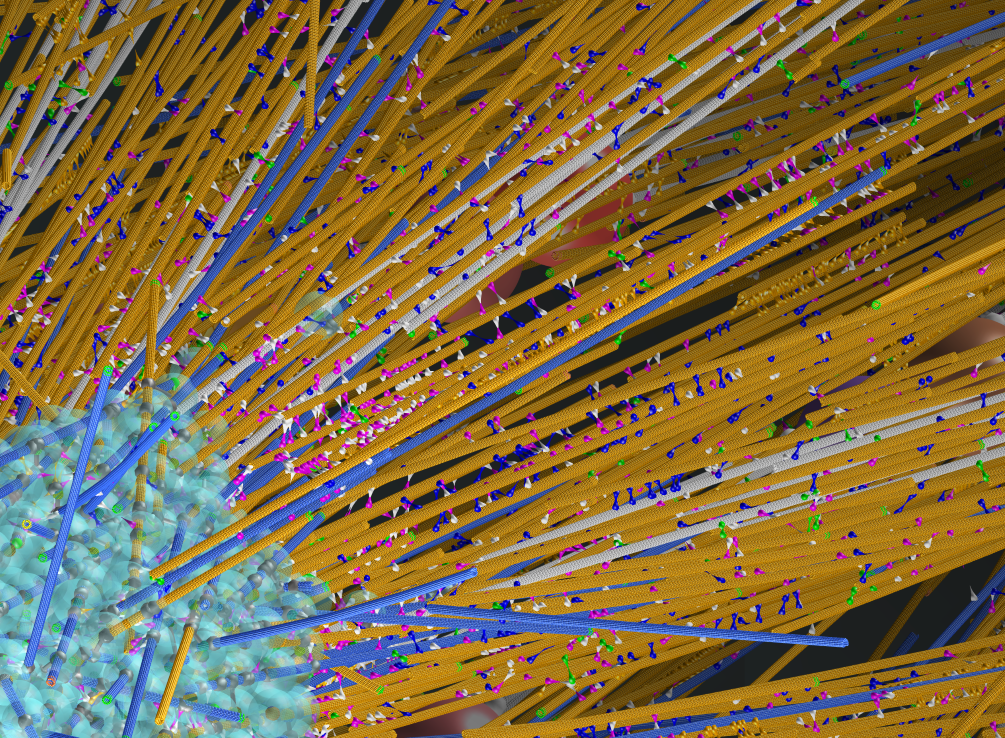 François NédélecUniversity of Cambridge · Researcher
 Kevin SlepUniversity of North Carolina at Chapel Hill · Associate Professor
 Carolyn MooresBirkbeck , University of London · Professor