

About
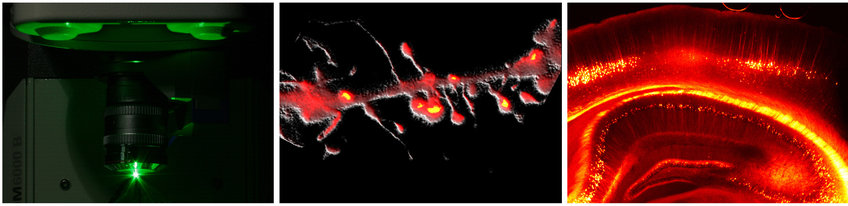
Stefan W. Hell is a Nobel laureate in Chemistry (2014) and a Research Professor at the Max Planck Institute for Biophysical Chemistry, Göttingen, Germany, and the German Cancer Research Center, Heidelberg, Germany. His work revolutionized optical microscopy by developing super-resolved fluorescence techniques such as STED microscopy and 4Pi microscopy, which circumvent the diffraction limit of light.
- Born: December 23, 1962 in Arad, Romania
- Education: Physics at the University of Heidelberg (PhD 1990); Habilitation in Physics at the University of Heidelberg (1996)
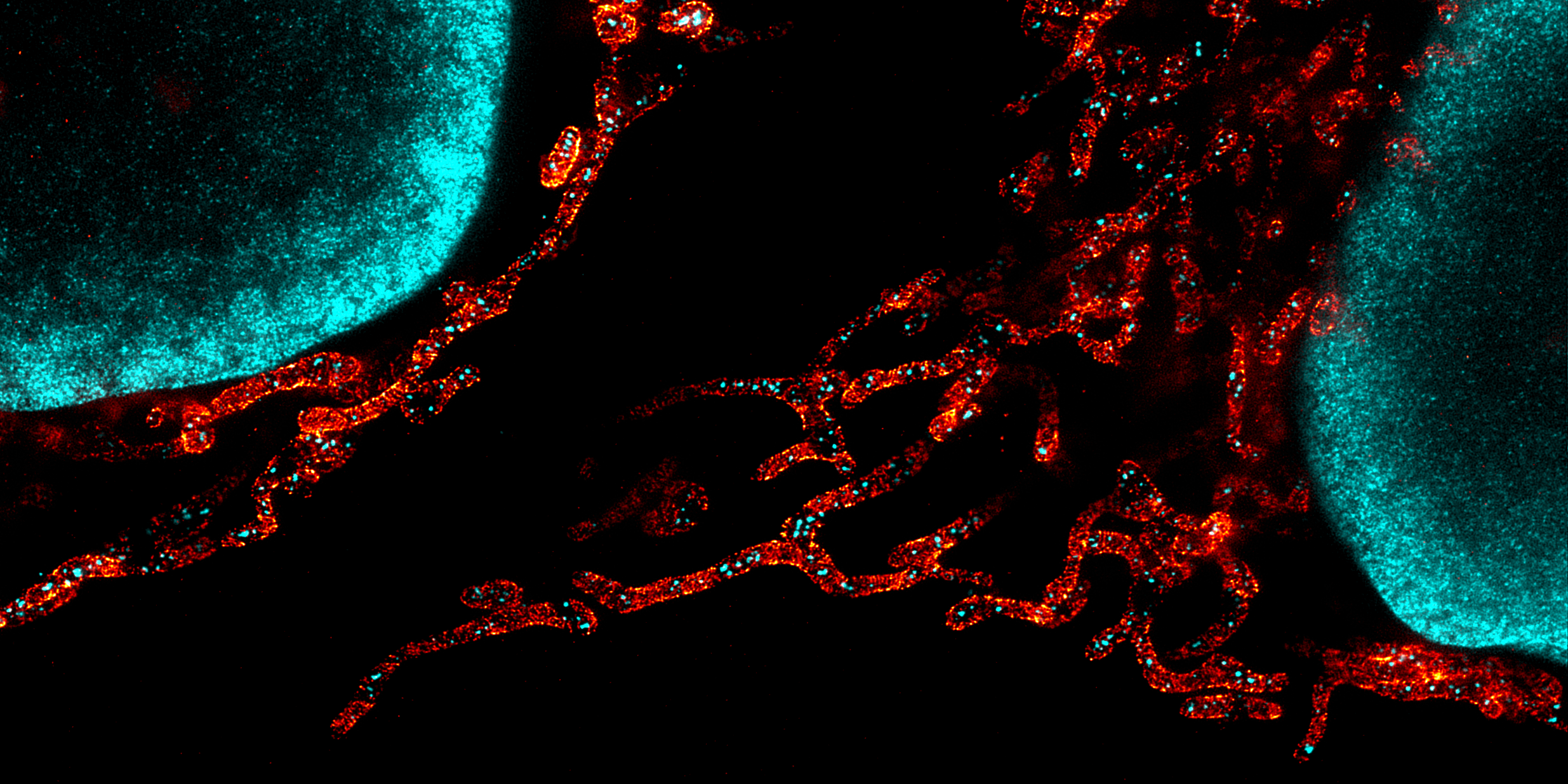
Research Interests focus on super-resolution microscopy, optical physics, and biomedical imaging. His groundbreaking work includes concepts like STED (Stimulated Emission Depletion) and RESOLFT (Reversible Saturable Optically Linear Fluorescence Transitions), enabling nanoscale imaging of biological processes. By leveraging molecular state transitions, Hell’s techniques allow resolving structures previously limited by the diffraction of light.
Scientific Awards include:
- Nobel Prize in Chemistry (2014)
- Kavli Prize in Nanoscience (2014)
Advisees have contributed to advancing microscopy and biophysics, including Jan Wichmann, Franziska Meinecke, Thomas Klar, and Stefan Jakobs.
Find Stefan W. Hell elsewhere
Related Searches
You Might Also Like
 Stefan HellUniversity of Göttingen · Professor
 Eric BetzigGerman Cancer Research Center · Researcher
 Katrin WilligMax Planck Institute for Multidisciplinary Sciences · Researcher
 Stefan JakobsUniversity of Göttingen · Professor
 Ilaria TestaKTH Royal Institute of Technology · Professor
- FFrederik GörlitzAlbert Ludwig University of Freiburg · Researcher