

About
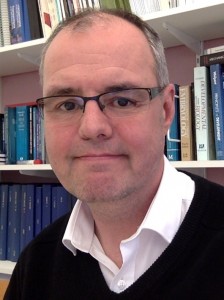
Sara Wickström is an Associate Professor and Research Director at the University of Helsinki's Faculty of Medicine, where she leads the Stem Cells and Metabolism Research Program (STEMM) at the Helsinki Institute of Life Science (HiLIFE). She heads a research group focused on stem cells and tissue architecture, with an emphasis on understanding how tissues form through cellular interactions, how they're maintained, and how these processes become disrupted in diseases like cancer or during aging.
Wickström's research spans multiple disciplines within biomedicine, with primary interests in stem cell biology, mechanobiology, tissue architecture, and the mechanical properties of cellular structures. Her work particularly examines how mechanical forces influence cellular behavior, gene expression, and tissue organization. She has pioneered research on nuclear mechanics and how mechanical stress affects chromatin structure and DNA integrity.
Her publication record shows a strong focus on the mechanical aspects of tissue formation and maintenance, with numerous high-impact papers in journals like Cell, Nature, and Nature Cell Biology. Recent work has explored how mechanical forces coordinate cell shape and fate transitions to generate tissue architecture, the role of sphingolipid metabolism in stem cell compartments, and how mechanical stress affects nuclear structure and DNA integrity.
Wickström has received significant recognition for her work, including election to EMBO in 2020, the A.I. Virtanen Prize in December 2023, and the ASCB Innovation In Research Award the same month. These awards highlight the impact and innovation of her research in the field of mechanobiology and stem cell research.
As a supervisor for the Doctoral Programme in Biomedicine, Wickström plays an important role in mentoring the next generation of researchers. Her current research is supported by major grants including the Academy of Finland's BarrierForce project (2024-2026) and the Business Finland MultivisionDiagnostics project (2023-2025), which focus on understanding biological barrier mechanics and disease.
Her interdisciplinary research group combines expertise from biology, bioengineering, and physics to tackle complex questions about tissue mechanics and cellular behavior. This diverse approach has enabled breakthrough discoveries, such as the recent finding published in Cell about a new mechanism that protects cells and their DNA from mechanical damage.
Find Sara Wickström elsewhere
Related Searches
You Might Also Like
 Sara WickströmUniversity of Münster · Professor
- SSara A. WickströmMax Planck Institute of Psychiatry · Professor
- SSara WickströmMax Planck Institute for Molecular Biomedicine · Professor
 Kaitlin McCreeryUniversity of Vermont · Assistant Professor
 David LeeQueen Mary University of London · Professor
- SSatu KuureUniversity of Helsinki · Research Fellow