About
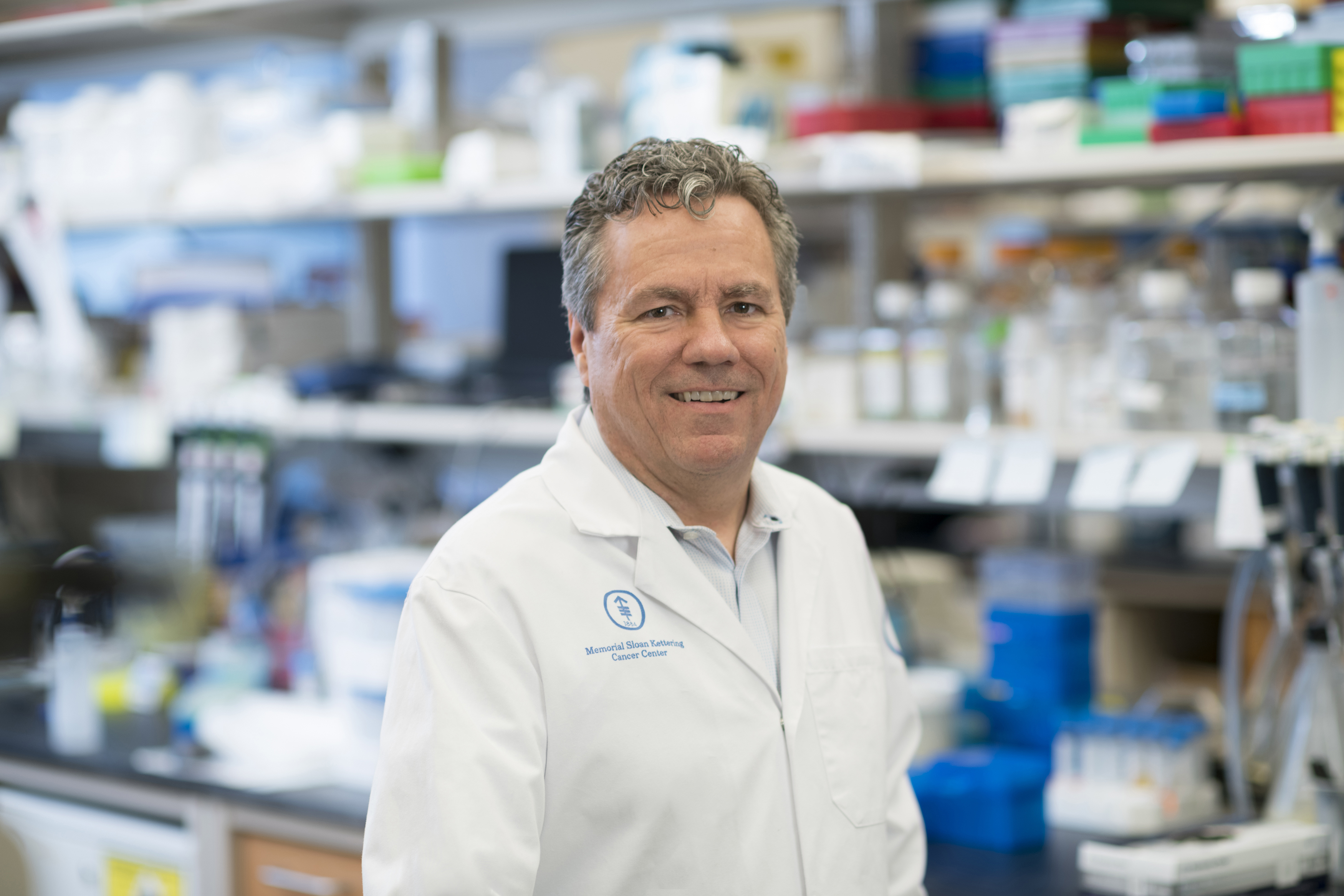
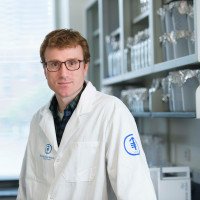
Robert Farese is a Professor at Weill Cornell Medicine's Graduate School of Medical Sciences and a Member of the Cell Biology Program at the Sloan Kettering Institute (SKI), Memorial Sloan Kettering Cancer Center (MSKCC). He holds the Alfred P. Sloan Chair at MSKCC and is affiliated with the Howard Hughes Medical Institute (HHMI). He co-leads the Farese and Walther Laboratory, a leading research group focused on cellular lipid and energy metabolism.
Research Interests: The Farese and Walther Laboratory investigates fundamental mechanisms of lipid storage, neutral lipid synthesis, and lipid droplet biology. Their work explores how cells regulate lipid abundance, store energy in lipids, and maintain membrane and cellular physiology. A major focus is on lysosomal lipid metabolism and its dysfunction in diseases such as neurodegeneration (FTD, ALS, Alzheimer’s), cancer, and metabolic disorders. They employ systems biology approaches including mass spectrometry, genome-wide perturbation screens, and high-content microscopy to generate models of biological processes.
The lab's recent publications span lipid droplet biogenesis, lysosomal function, cancer metabolism, and neuro-immune interactions, reflecting a strong interdisciplinary and mechanistic focus on metabolic health and disease. Their work integrates structural, biochemical, imaging, and genetic techniques to uncover fundamental principles in cell biology.
- Howard Hughes Medical Institute (HHMI) Investigator (implied through lab affiliation)
- Alfred P. Sloan Chair, MSKCC
Dr. Farese actively mentors graduate students and postdoctoral fellows from the BCMB program at Weill Cornell and the Tri-Institutional MD-PhD Program. His lab receives support from major research institutions including HHMI and MSKCC, enabling cutting-edge research in lipid biology. He emphasizes scientific integrity, excellence in communication, and innovative lab management.
The Farese and Walther Laboratory is a dynamic research team based at SKI in Manhattan, comprising co-PIs, postdoctoral fellows, graduate students, research associates, and technical staff, all working collaboratively to advance understanding of cellular metabolism.