
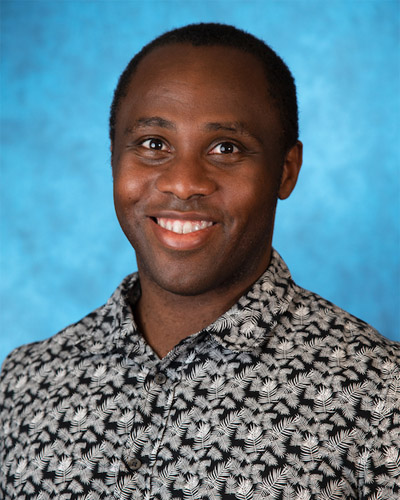
Richard Anantua
Assistant Professor · Computational Astrophysics
University of Texas at San AntonioAbout
Richard Anantua is an Assistant Professor in the Department of Physics and Astronomy within the College of Sciences at the University of Texas at San Antonio (UTSA), and also serves as an Adjunct Professor at Rice University since 2024. His research group is pioneering Event Horizon Telescope (EHT) science in Texas, focusing on computational and theoretical astrophysics related to black holes and relativistic phenomena.
- Assistant Professor, UTSA – 2022–Present
- Adjunct Professor, Rice University – 2024–Present
- Postdoctoral Fellow, Harvard-Smithsonian Center for Astrophysics – 2019–2021
- Postdoctoral Fellow, UC Berkeley – 2016–2019
Education:
- Ph.D. in Physics – Stanford University
- M.S. in Physics – Stanford University
- B.S. in Physics and Philosophy – Yale University
- B.S. in Economics and Mathematics – Yale University
- Ed.M. in Education Policy and Management – Harvard University
Richard Anantua’s research focuses on computational astrophysics, particularly the modeling of emission near supermassive black holes using general relativistic magnetohydrodynamic (GRMHD) simulations. His work bridges theoretical models with observational data from cutting-edge instruments like the Event Horizon Telescope (EHT) and its next-generation counterpart (ngEHT). Key areas include black hole accretion flows, relativistic jets, plasma physics, and neutrino emission. He has developed methodologies to connect simulation variables—such as electron temperature, magnetic field strength, and current density—to observable signatures across the electromagnetic spectrum.
The recent publications from his group reflect a strong trend in high-resolution modeling of black hole environments, with emphasis on M87, Sgr A*, and theoretical constructs like primordial black holes and dark matter alternatives. These works integrate numerical simulations with observational predictions, particularly for EHT and ngEHT capabilities, covering emission morphology, jet stability, plasma composition, and neutrino physics. The interdisciplinary nature of his research spans astrophysics, plasma physics, and computational science.
Scientific Engagement and Mentorship:
- Active mentor of postdoctoral researchers, PhD students, master’s students, and undergraduates at UTSA.
- Group members regularly present at national conferences such as the American Astronomical Society (AAS) and SCEECS.
- Supervised master’s thesis on GRMHD emission modeling.
Anantua has been involved in major collaborations, including the Event Horizon Telescope Collaboration during his postdoc at Harvard, and continues to lead a vibrant research group at UTSA. His lab focuses on advancing computational tools for black hole imaging and theoretical modeling of extreme astrophysical environments.
Find Richard Anantua elsewhere
Related Searches
You Might Also Like
 Ramesh NarayanHarvard University · Professor
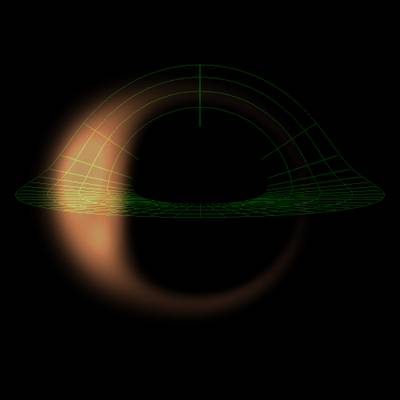 Avery E. BroderickUniversity of Waterloo · Associate Professor
- JJoana KramerMax Planck Institute for Radio Astronomy · Researcher
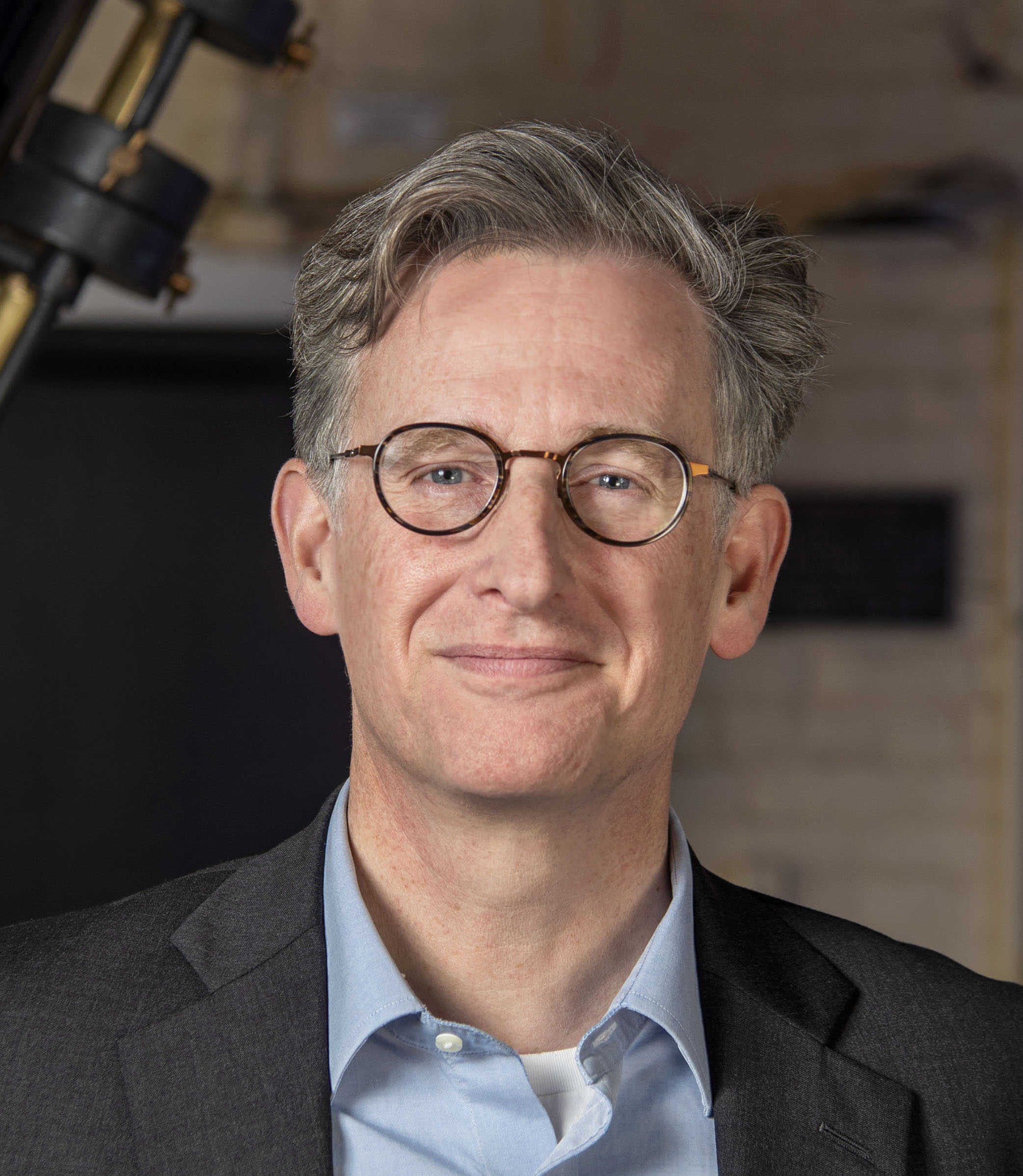 Charles Forbes GammieUniversity of Illinois Urbana-Champaign · Professor
 Luciano RezzollaMax Planck Institute for Empirical Aesthetics · Professor
 Feryal ÖzelGeorgia Institute of Technology · Professor