
About
Rathod leads a research group at the Institute of Molecular Neurogenetics, Faculty of Medicine, University Medical Center Hamburg-Eppendorf (UKE). The lab focuses on understanding epidermal differentiation through cell-cell adhesion mechanisms, particularly desmosomes, and their role in skin pathologies such as pemphigus. Research integrates genetic mouse models, 3D human epidermis systems, and molecular biology techniques to explore desmosome dysfunction in tissue homeostasis and repair.
- Key Research Goals: Elucidate desmosome roles in epidermal differentiation, identify novel adhesion modulators, and develop therapeutic strategies for pemphigus
- Methods: Genetic mouse models, 3D-RHE, epidermal organoids, CRISPR screens, proteomics
The lab's 2024 publication in Journal of Cell Biology revealed that DPM1 deletion impairs desmosomal adhesion and epidermal differentiation, with SERPINB5 identified as a critical interaction partner that modulates desmoplakin phosphorylation at serine 176 to maintain tissue integrity.
- Findings: DPM1-SERPINB5 axis regulates cell-cell adhesion strength and cytoskeletal organization
- Implications: Novel therapeutic targets for skin fragility disorders and autoimmune conditions
Find Rathod elsewhere
Related Searches
You Might Also Like
 Maitreyi RathodUniversity Medical Center Hamburg-Eppendorf · Researcher
 Vivien BeyersdorferUniversity Medical Center Hamburg-Eppendorf · Researcher
 Andrew KowalczykPennsylvania State University · Professor
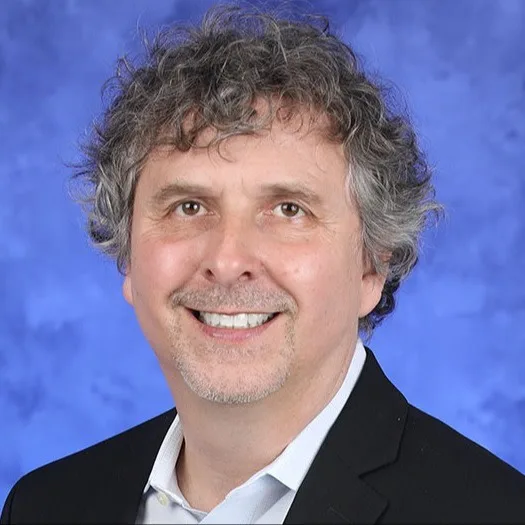 Andrew KowalczykPenn State College of Medicine · Professor
 Lisa M GodselNorthwestern University · Associate Professor
 Yves PoumayUniversity of Namur · Professor