
About
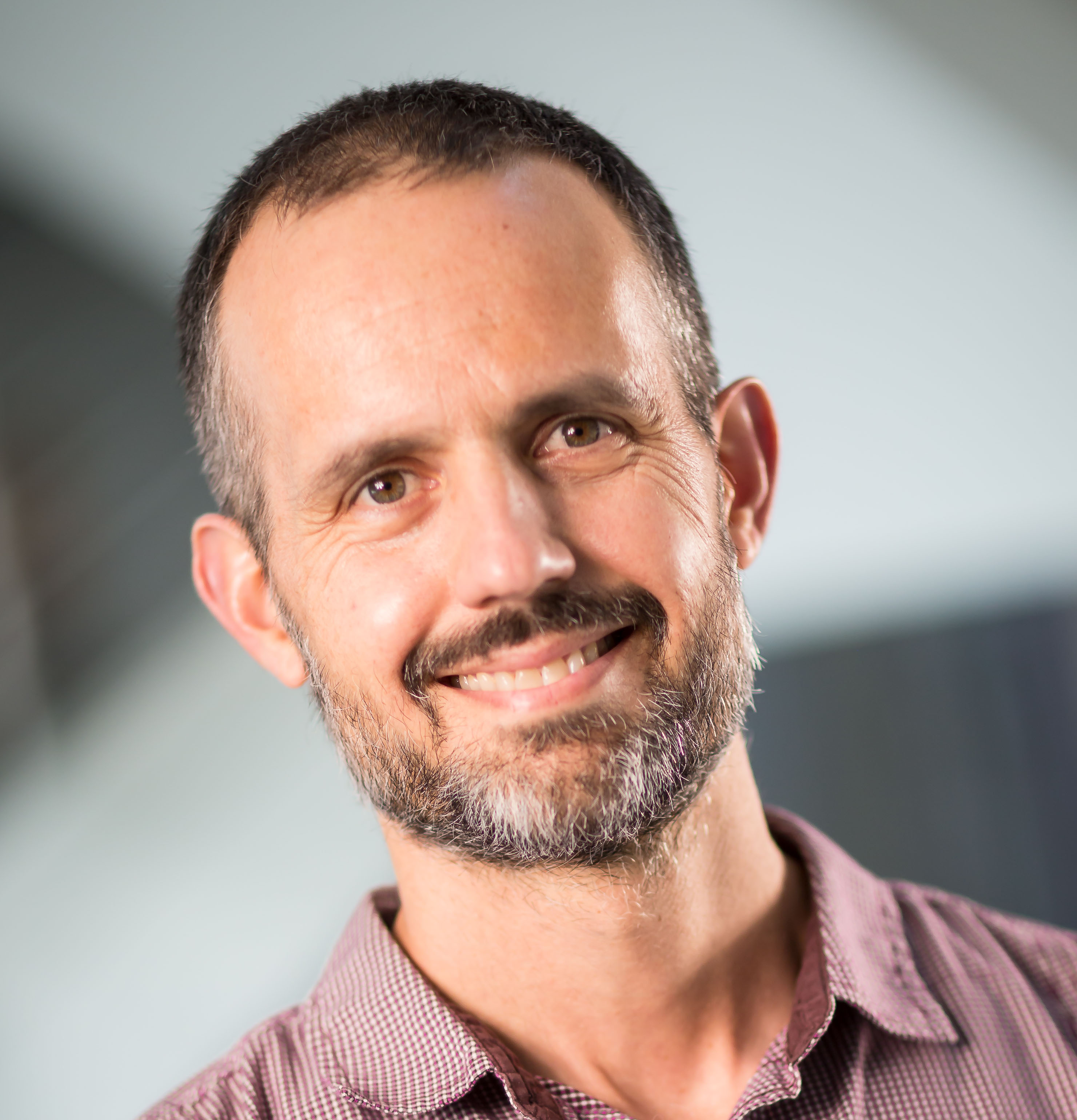
Paul Sigala is an Associate Professor of Biochemistry at the University of Utah, where he investigates the unique biochemical and cellular mechanisms of Plasmodium falciparum parasites during human erythrocyte infection. His work bridges cell biology, genetics, and chemical biology to uncover novel therapeutic strategies against malaria.
- Ph.D. from Stanford University
- Postdoctoral training at Washington University in St. Louis
Research Focus: The Sigala lab specializes in dissecting parasite organelle metabolism, particularly the apicoplast and mitochondrion, and elucidating heme acquisition pathways. Their interdisciplinary approach combines CRISPR/Cas9 genome editing, in vitro biochemistry, and comparative studies in yeast/bacteria.
Publication Trends: Recent studies highlight work on cytochrome maturation (2023-2025), isoprenoid dependencies (2022-2023), and divergent metabolic adaptations in malaria parasites (2017-2025). Collaborative projects span chemical probes, organelle-specific stress responses, and non-canonical protein functions.
Lab Mission: The Sigala lab emphasizes inclusivity, mentorship, and collaborative problem-solving while advancing fundamental understanding of parasite biology at the intersection of host-pathogen interactions and eukaryotic evolution.
Find Paul Sigala elsewhere
Related Searches
You Might Also Like
 Krithika RajaramOhio State University · Assistant Professor
 Alexander SteinUniversity of Göttingen · Researcher
 Scott NelsonIowa State University · Associate Professor
 Joanne MorriseyDrexel University · Researcher
- CChristian DoerigRMIT University · Professor
 Manuel LlinásPennsylvania State University · Professor