
About
Dr. Paul Lockman is a distinguished Professor, Benedum Fellow, and the Mylan Endowed Chair in the Department of Pharmaceutical Sciences at West Virginia University School of Pharmacy. He also serves as Senior Associate Dean for Research and Strategic Initiatives at the School of Pharmacy, and holds professorial appointments in the Department of Neuroscience and the Rockefeller Neuroscience Institute at the West Virginia University School of Medicine. Additionally, he is a member of the WVU Cancer Institute Research Programs and serves as the Associate Director for Translational Research at the Mary Babb Randolph Cancer Center.
Dr. Lockman earned his B.S. in Nursing from West Texas A&M University, where he practiced in intensive care, clinical toxicology, and emergency medicine. He later obtained his Ph.D. in Pharmaceutical Sciences from Texas Tech University Health Sciences Center. Prior to joining West Virginia University, he served as an Associate Professor and Associate Dean for Outcomes Assessment and Accreditation at Texas Tech University.
Dr. Lockman's primary research focuses on understanding the limited distribution of chemotherapy in brain metastases of breast cancer. His work spans several interconnected areas including chemotherapy distribution into brain tumors and metastases, nanoparticle drug delivery to the brain, and examining the effects of nicotine and smoking on drug distribution. His innovative approaches to overcoming the blood-brain and blood-tumor barriers have significant implications for improving therapeutic outcomes in patients with brain metastases. Through his multidisciplinary research, Dr. Lockman aims to develop more effective strategies for delivering cancer therapeutics across these biological barriers.
Analysis of Dr. Lockman's recent publications reveals a strong focus on brain metastases of breast cancer, with particular emphasis on understanding drug distribution mechanisms across the blood-brain and blood-tumor barriers. His work frequently employs microfluidic models, in-vivo and in-vitro systems to study permeability and develop novel delivery approaches. A notable trend is his investigation of targeted therapies including antibody-drug conjugates and nanoparticle-based delivery systems designed to overcome the challenges of treating brain metastases. His research bridges pharmaceutical sciences, oncology, and neuroscience to address critical therapeutic challenges.
Dr. Lockman has received numerous prestigious awards recognizing his research and teaching excellence:
- Microfluiduc Device Patent (2018)
- USF & FAMU 2018 Nano-Bio Collaborative International Conference Invited Talk (2018)
- TTUHSC President's Young Investigator Research Award (2009)
- TTUHSC School of Pharmacy Distinguished Alumni Award for Excellence in Research (2010)
- Gordon Research Conference: Barriers of the CNS Invited Talk (2010)
- American Association of Colleges of Pharmacy Innovations in Teaching Award (2007)
- TTUHSC President's Excellence in Teaching Award (2008)
- Multiple P3 Teacher of the Year and Teaching Team of the Year awards (2004-2008)
Dr. Lockman has secured significant research funding from diverse sources including the National Cancer Institute (NIH), Department of Defense Breast Cancer Research Program, and pharmaceutical industry partners such as biOasis and NEKTAR Therapeutics. His current projects focus on "Prevention and Treatment of Brain Micro-metastases of Breast Cancer," "Brain Uptake and In Vivo Activity of targeted therapies in Brain Metastases of Breast Cancer," and "Pharmacokinetics and efficacy of novel agents in brain metastases." These grants support his laboratory's work in developing innovative approaches to overcome the blood-brain and blood-tumor barriers.
Dr. Lockman leads a multidisciplinary research team within the WVU Cancer Institute and the Rockefeller Neuroscience Institute, where they operate specialized laboratories for studying drug transport across biological barriers. His team utilizes advanced techniques including microfluidic blood-tumor barrier models, quantitative fluorescence microscopy, and in-vivo pharmacokinetic studies to investigate novel therapeutic approaches for brain metastases. The collaborative nature of his work connects pharmaceutical sciences, oncology, and neuroscience researchers across WVU's academic health system.
Find Paul Lockman elsewhere
Related Searches
You Might Also Like
- JJulie LockmanWest Virginia University · Associate Professor
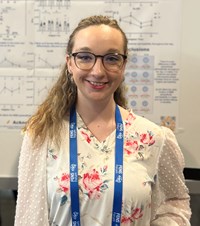 William WalkerWest Virginia University · Assistant Professor
- WWerner GeldenhuysWest Virginia University · Professor
- TTom AbbruscatoTexas Tech University Health Sciences Center · Professor
 Chris AdkinsHigh Point University · Associate Professor
 Debadyuti (Rana) GhoshUniversity of Texas at Austin · Associate Professor