
About
Paul Berti is a Professor in the Department of Chemistry and Chemical Biology at McMaster University, specializing in enzymatic mechanisms and transition state analysis. His work integrates classical and quantum chemistry principles to study enzyme catalysis and design inhibitors targeting critical enzymes like DAHP synthase, MurA, and EPSP synthase.
Teaching: He instructs courses such as Inquiry for Chemical Biology (CHEMBIO 2Q03), Inquiry for Chemistry (CHEM 2Q03), Making Chemistry More Sustainable (CHEM 2BC3), and Sustainable Chemistry – Green Chemistry (CHEM 2SC3). He also oversees peer tutoring programs in Chemical Biology (CHEMBIO 4Q03) and Chemistry (CHEM 4Q03), consistently teaching these courses from 2017 to 2024.
Research Interests: Berti’s research focuses on transition state structures of enzymatic reactions using kinetic isotope effects, inhibitor design, and protein dynamics. Key areas include exploring competitive binding mechanisms in DAHP synthase, analyzing residence times of slow-binding inhibitors, and developing radiolabeled compounds (e.g., Ga-67 and Tc-99m) for bacterial infection imaging. His work bridges fundamental enzymology with applied chemical biology and pharmacological strategies.
Publications Trends: Recent articles emphasize inhibitor development (e.g., DAHP oxime, NeuNAc oxime), transition state mimicry, and interdisciplinary applications like nuclear medicine. His studies often address critical enzymes in bacterial pathogens and their inhibition to combat infections.
Awards & Recognition: While no explicit scientific awards are listed, his research has been referenced in patents and widely read on platforms such as Mendeley. Collaborations with co-authors like John F. Valliant (3 publications) and Alfredo Capretta (2 publications) highlight his scholarly network.
Grants & Advising: No grants are recorded in the VIVO database, and specific advisee names are not provided. However, his contributions include foundational studies on enzyme-substrate interactions and the role of active-site residues in catalysis, with implications for inhibitor design.
Labs & Teams: No specific laboratories or research teams are mentioned in the text. His work appears collaborative but lacks detailed lab affiliations.
Find Paul Berti elsewhere
Related Searches
You Might Also Like
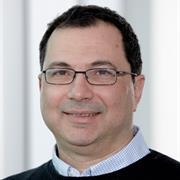 Alfredo CaprettaMcMaster University · Associate Professor
- LLilian ChoobackUniversity of Central Oklahoma · Professor
 Stephen L. BearneDalhousie University · Professor
 David W. ChristiansonUniversity of Pennsylvania · Professor
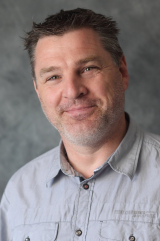 Nicolas MoitessierMcGill University · Professor
 Karine AuclairMcGill University · Professor