
About
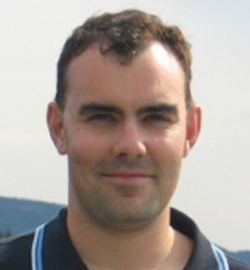
Patrick Seale, Ph.D. is a Professor of Cell and Developmental Biology at the University of Pennsylvania's Perelman School of Medicine. He serves as Director of the Pilot Grant Program for the Diabetes Research Center within the Institute for Diabetes, Obesity and Metabolism (IDOM). Dr. Seale holds multiple institutional affiliations including membership in the Institute for Regenerative Medicine (IRM), Pennsylvania Muscle Institute (PMI), Center for Molecular Studies in Digestive and Liver Diseases, Penn Skin Biology and Diseases Resource-based Center (SBDRC), and Penn Center for Musculoskeletal Disorders (PCMD).
Dr. Seale received his B.Sc. in Biology from McMaster University, Ontario, Canada in 1997, followed by his Ph.D. in Biology from the same institution in 2003. His academic career at the University of Pennsylvania progressed from Associate Professor to Full Professor in July 2022.
Dr. Seale's research program centers on adipose (fat) tissue biology, with particular focus on understanding the developmental and functional mechanisms of brown and beige adipocytes. His laboratory investigates how adipose tissue remodeling occurs in response to environmental stimuli like cold exposure and obesity, with emphasis on identifying the cellular and molecular pathways controlling adipocyte development and function. The lab employs cutting-edge techniques including single cell RNA sequencing, functional genomics, in vivo metabolomics, and cell transplantation models to study adipose biology. His work has significant implications for understanding and treating metabolic disorders including obesity, type 2 diabetes, and cardiovascular disease.
Analysis of Dr. Seale's recent publications reveals a consistent focus on transcriptional regulation of adipocyte development, particularly the roles of PRDM16, EBF2, and other key regulators in determining brown and beige fat cell fate. His research has evolved from characterizing fundamental mechanisms of adipocyte differentiation to exploring the therapeutic potential of manipulating adipose tissue for metabolic disease treatment. The most recent publications increasingly incorporate single-cell technologies to dissect cellular heterogeneity within adipose tissue and investigate aging-related changes in adipose function.
- 2020 Linda Pechenik Montague Investigator Award for mid-career research faculty at the Perelman School of Medicine
- 2019 Richard E. Weitzman Outstanding Early Career Investigator Award by the Endocrine Society
Dr. Seale actively mentors numerous graduate students, postdoctoral fellows, and research specialists in his laboratory. His former trainees have secured prestigious positions including faculty appointments at major research institutions, industry positions at pharmaceutical companies, and clinical training programs. The Seale Lab has received substantial funding from NIH and other sources to support research on adipose biology and metabolic disease mechanisms, with current projects focused on brown adipocyte development, transcriptional mechanisms in adipocyte differentiation, adipose tissue remodeling, and identifying genes that confer susceptibility to type 2 diabetes.
The Seale Laboratory operates within the Smilow Center for Translational Research at the University of Pennsylvania, collaborating extensively with multiple research centers including IDOM, IRM, and PMI. The lab maintains strong connections with the Cell and Molecular Biology Graduate Group (CAMB) and Department of Cell & Developmental Biology, contributing to both graduate education and interdisciplinary research initiatives focused on metabolic health and disease.
Find Patrick Seale elsewhere
Related Searches
You Might Also Like
 Kosaku ShinodaAlbert Einstein College of Medicine · Assistant Professor
- MMiao-Hsueh ChenBaylor College of Medicine · Associate Professor
- CClaudio Javier VillanuevaUniversity of California, Los Angeles · Associate Professor
- SSilvia CorveraUniversity of Massachusetts Chan Medical School · Professor
- CClaudio VillanuevaUniversity of California, Los Angeles · Associate Professor
 Laura Ingeborg DavidsenUniversity of Southern Denmark · Research Fellow