

About
Monroe Kennedy III is an Assistant Professor of Mechanical Engineering at Stanford University with a courtesy appointment in Computer Science. He directs the Assistive Robotics and Manipulation Lab (ARMLab), focusing on collaborative robotics, human-robot interaction, and assistive technologies. His research integrates machine learning, computer vision, and control theory to enhance robotic autonomy for service tasks requiring dexterity and situational awareness.
His primary research areas include robotic perception for dynamic environments, adaptive control systems for human-robot collaboration, and wearable assistive devices. Recent work emphasizes tactile sensing, prosthetic interfaces, and safety in human-robot interaction, with applications in healthcare and rehabilitation.
His publications demonstrate strong emphasis on multimodal sensing (visual-tactile fusion), human-centered robotics, and assistive technology validation. Article keywords frequently include rehabilitation engineering, haptic feedback, and robotic learning, showing consistent focus on bridging theoretical robotics with practical human needs.
Scientific awards include the NSF CAREER Award for his work on collaborative robotics and multiple fellowships recognizing his contributions to assistive technology development.
Mentoring includes doctoral and master's students in robotics and mechanical engineering, with research spanning mobile manipulation, tactile perception, and human-robot teaming. His lab collaborates with clinical partners for translational applications.
Find Monroe Kennedy III elsewhere
Related Searches
You Might Also Like
 Monroe KennedyStanford University · Assistant Professor
- AAdam SpiersImperial College London · Assistant Professor
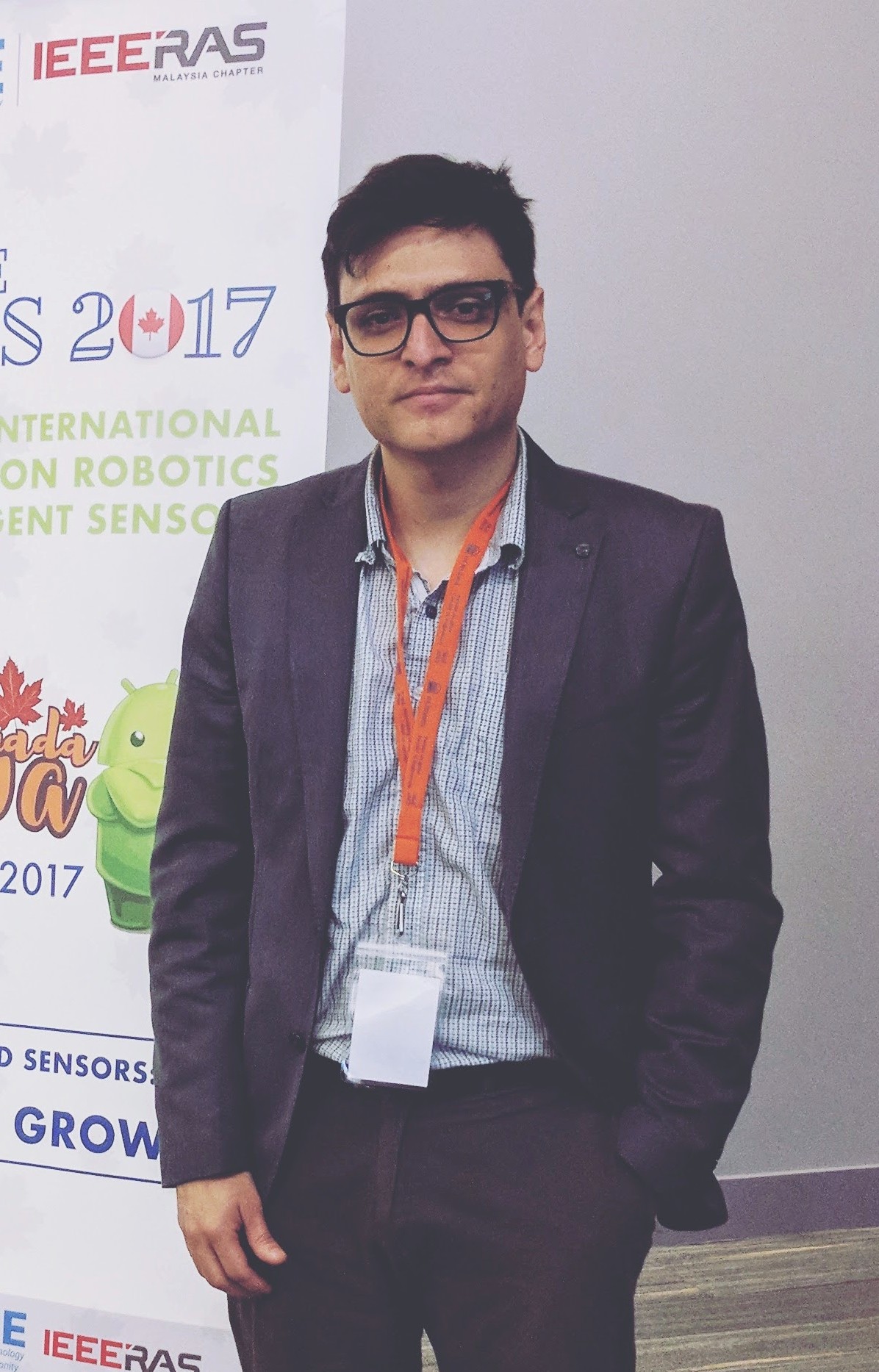 Vinicius Prado da FonsecaMemorial University of Newfoundland · Assistant Professor
 Nima FazeliUniversity of Michigan-Ann Arbor · Assistant Professor
 J. Edward ColgateNorthwestern University · Professor
 Qiushi FuUniversity of Central Florida · Associate Professor