

About
Michael Gordon is a Professor in the Department of Zoology at the University of British Columbia's Faculty of Science. His research focuses on neural circuits that process sensory information in the fruit fly brain, with particular emphasis on taste perception and feeding behavior. He leads the Gordon Lab at UBC, which is part of both the Department of Zoology and the Life Sciences Institute.
His educational background includes:
- B.Sc. from McMaster University
- Ph.D. from Stanford University
- Post-doctoral training at U.C. Berkeley
Gordon uses molecular genetics, imaging, and behavioral assays to explore how neural circuits are organized, function, and develop. His lab specifically investigates taste perception and feeding behavior in Drosophila melanogaster, which has a simpler brain (~100,000 neurons) compared to humans (~100 billion), but still generates complex behaviors. The research addresses fundamental questions about sensory circuit organization, neural control of behavior, circuit adaptation, and circuit development.
His publication record shows a consistent focus on neural circuits related to taste and feeding behavior in Drosophila. His work spans sensory processing, neural circuit organization, and the molecular mechanisms underlying behavior. Recent papers emphasize taste coding, neural plasticity in feeding circuits, and the integration of different sensory modalities. The research has important implications for understanding conserved principles of neural circuit function that may apply to mammalian systems.
His notable scientific achievements include:
- 2022 Faculty Excellence in Service Award
- Michael Smith Foundation for Health Research Scholar (2015)
- Canadian Association of Neuroscience Young Investigator (2015)
- CIHR New Investigator (2012)
Professor Gordon supervises graduate students in Zoology, Cell and Developmental Biology, and Neuroscience programs. His current lab members include J. Li, Z. Marshall, S. McDowell, Y. Pan, and Y. Wang. His lab employs a range of techniques including behavioral assays, genetic manipulation, and functional live imaging to measure neural activity in awake, behaving flies. The lab is particularly interested in how neural circuits process taste information and control feeding behavior, with implications for understanding fundamental principles of neural circuit assembly and function.
The Gordon Lab, part of the Department of Zoology and the Life Sciences Institute at UBC, uses Drosophila as a model system to study neural circuits involved in taste perception and feeding behavior. The lab takes advantage of the powerful genetic tools available in Drosophila to identify, manipulate, and measure the activity of specific neural circuits. Their research has important implications for understanding how neural circuits control feeding behavior, which may provide insights into human eating behaviors and disorders.
Find Michael Gordon elsewhere
Related Searches
You Might Also Like
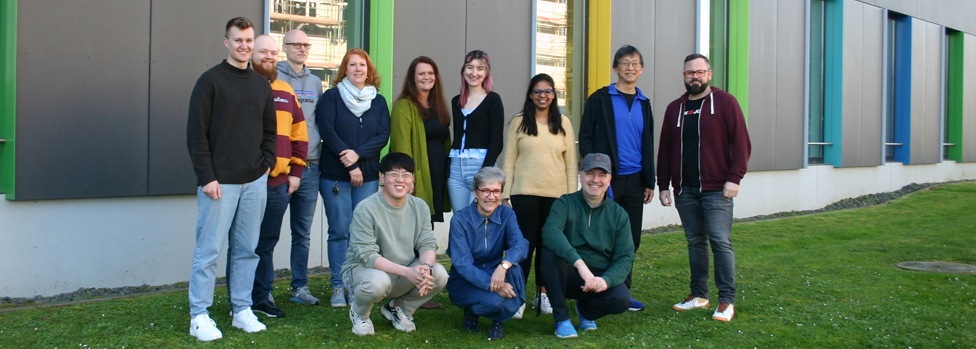 Michael PankratzRhenish Friedrich Wilhelm University of Bonn · Professor
 Anita DevineniEmory University · Assistant Professor
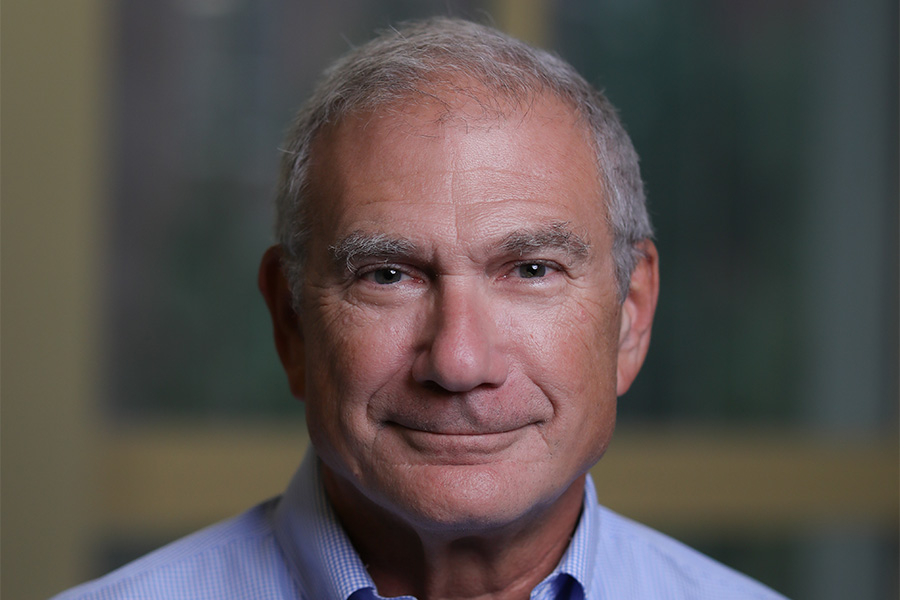 Alan SpectorFlorida State University · Professor
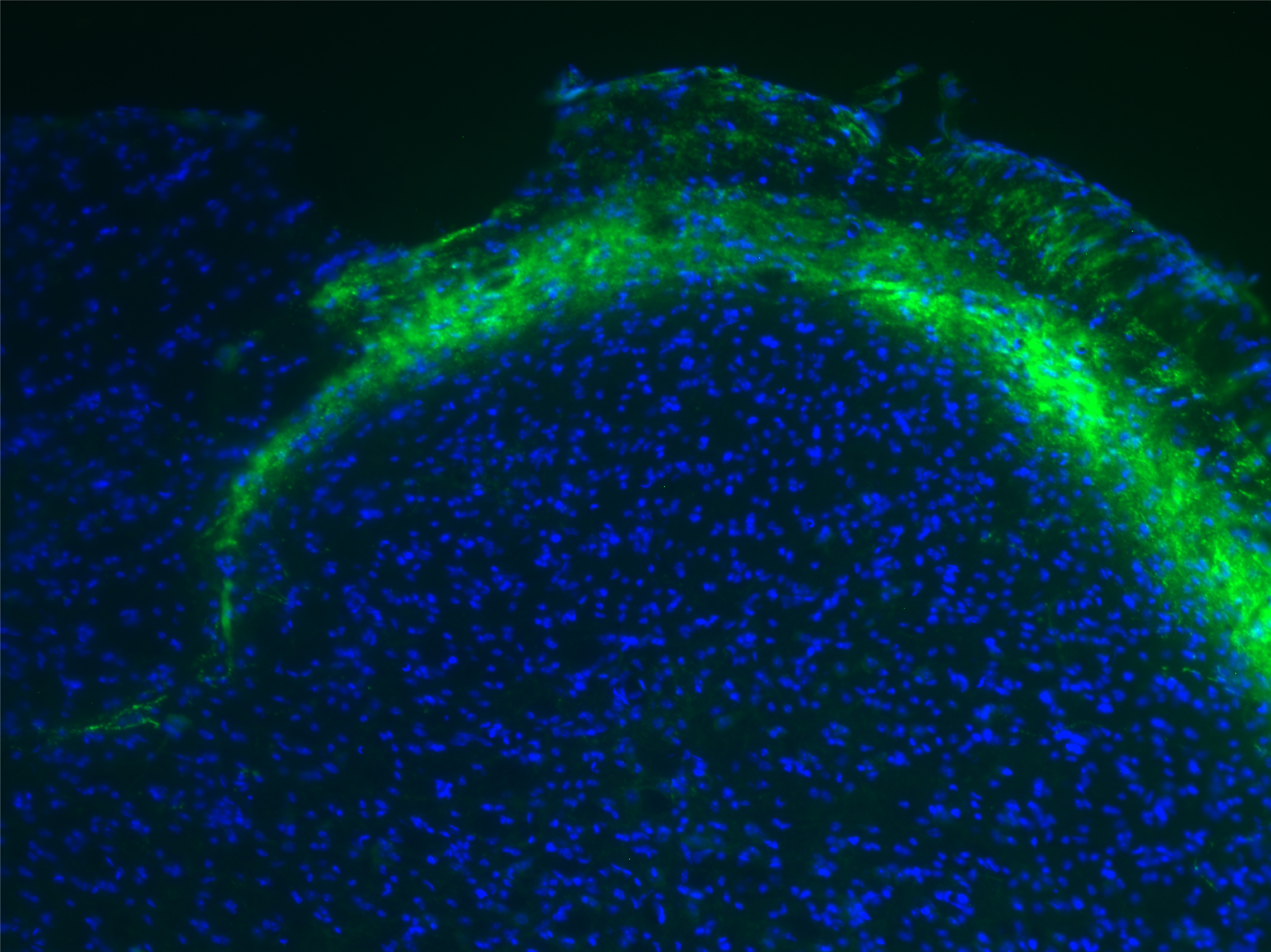 Christian H. LemonUniversity of Oklahoma · Associate Professor
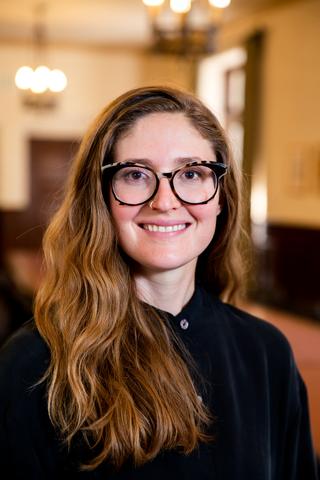 Gabriella R. SterneUniversity of Rochester · Assistant Professor
 Elizabeth J. HongCalifornia Institute of Technology (Caltech) · Professor