
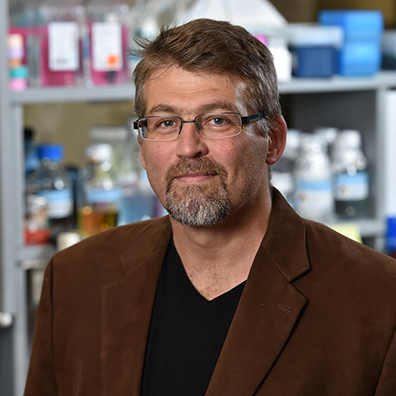
About
Michael Ferdig is a Professor in the Department of Biological Sciences at the University of Notre Dame, where he has been a faculty member since 2001, rising from Assistant to Associate and then to Full Professor in 2014. His research is centered on the genetics and genomics of drug resistance and virulence in the malaria parasite Plasmodium falciparum, with a strong emphasis on systems biology and population genetics.
His educational background includes a Ph.D. from the University of Wisconsin, an M.S. and B.S. from the University of Nebraska-Lincoln, and postdoctoral training at the NIH and the University of Wisconsin-Madison. These foundations have enabled his interdisciplinary approach to understanding complex traits in malaria parasites.
Ferdig's research interests lie at the intersection of genomics, evolutionary biology, and infectious disease. He investigates how genetic background influences drug resistance, how genome-wide co-adaptive processes affect parasite fitness, and how natural genetic variation can be leveraged to uncover new therapeutic targets. His lab develops computational and experimental tools for quantitative trait locus (QTL) mapping and genomic analysis in Plasmodium.
The recent publications from his lab reflect a consistent focus on the genetic architecture of antimalarial drug resistance, using cutting-edge genomic technologies such as microarrays, next-generation sequencing, and metabolic QTL mapping. The work spans structural genomics, chemogenomics, and network biology, revealing mechanisms of resistance to chloroquine and artemisinin and exploring transcriptional regulation and copy number variation.
Ferdig has not had any scientific awards explicitly listed in the text, but his publications in high-impact journals such as Science, Nature Methods, and PLoS Genetics suggest recognition and influence in the field.
He leads an active research lab at Notre Dame, where he mentors students and postdoctoral researchers. His work is supported by grants implied through collaborative, data-intensive projects. The Ferdig Lab continues to build foundational approaches for leveraging whole-genome information to combat malaria, focusing on gene interactions, regulatory networks, and evolutionary dynamics of resistance.
Find Michael Ferdig elsewhere
Related Searches
You Might Also Like
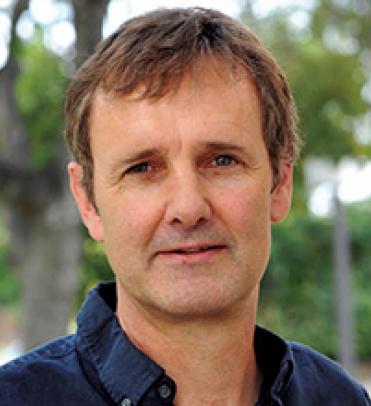 Timothy J.C. AndersonUniversity of Texas Health Science Center at San Antonio · Professor
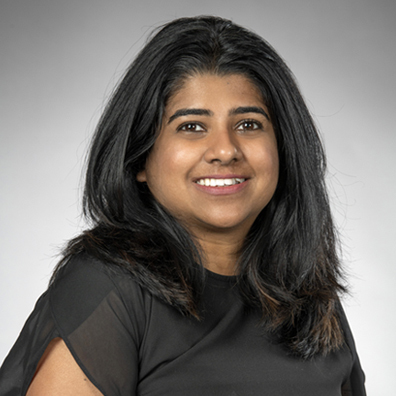 Angana MukherjeeUniversity of Notre Dame · Academic
 Heather AyalaBelmont Abbey College · Associate Professor
 Didier MénardPasteur Institute · Professor
 Ananias A. EscalanteTemple University · Professor
 David A. FidockColumbia University · Professor