

About
Matthew Lang is a Professor of Chemical and Biomolecular Engineering and Molecular Physiology and Biophysics at Vanderbilt University's School of Engineering. His research integrates biophysics, molecular biology, and engineering to study biological motors, T-cell receptor mechanobiology, and protein degradation. Key areas include the ClpXP motor protease and T-cell receptor (TCR) signaling mechanisms.
Education: Ph.D. in Chemistry from the University of Chicago and B.S. in Chemistry from the University of Rochester.
Research focuses on:
- Biological motors: ClpXP protease mechanics and protein degradation pathways
- TCR mechanosensing: Role of mechanical forces in T-cell activation and antigen discrimination
- Single-molecule techniques: Combining optical trapping with fluorescence imaging to study biomolecular interactions
His lab develops interdisciplinary tools to probe cellular processes under mechanical load, with applications in immunology and bioengineering. Ongoing projects include understanding how TCRs leverage mechanotransduction to enhance ligand recognition and how mechanical forces regulate protein unfolding in AAA+ proteases.
Publications emphasize mechanistic insights into TCR-pMHC interactions, cellulase enzyme dynamics, and kinesin motor proteins. Collaborations span biochemistry, physics, and biomedical engineering.
Find Matthew Lang elsewhere
Related Searches
You Might Also Like
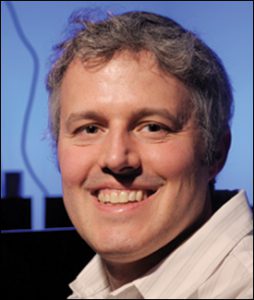 Matthew John LangVanderbilt University · Professor
 Brian EvavoldUniversity of Utah · Professor
 Wonmuk HwangTexas A&M University · Professor
 Amy BeedleKing’s College London · Lecturer
- WWendy R GordonUniversity of Minnesota Twin Cities · Associate Professor
- EEric S. HusebyUniversity of Massachusetts Chan Medical School · Professor