
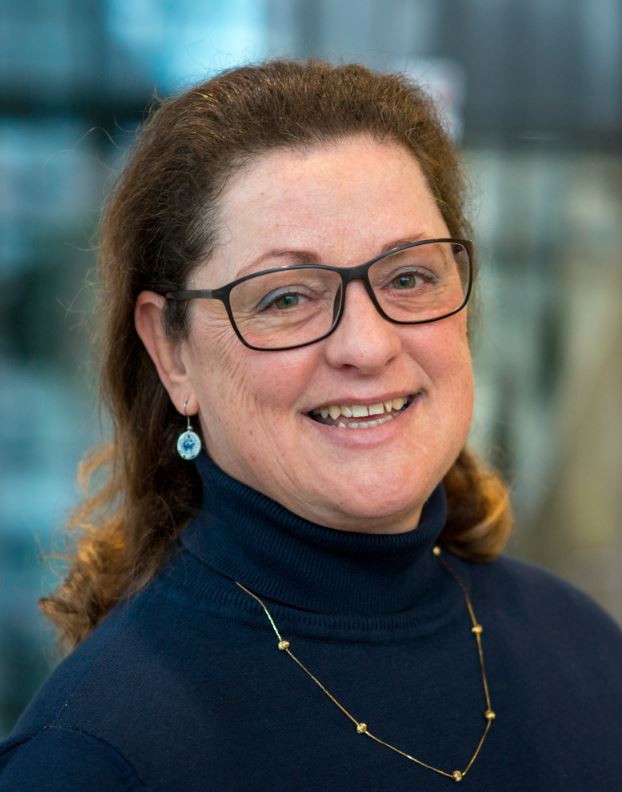
Katrin Mackenzie
Professor · Environmental Chemistry
Helmholtz Centre for Environmental ResearchAbout
Dr. Katrin Mackenzie is Professor and Department Head of Technical Biogeochemistry at the Helmholtz Centre for Environmental Research - UFZ in Leipzig, Germany. With over 30 years of research experience, she leads cutting-edge work in environmental chemistry and water treatment technologies. Her leadership extends to serving on the Supervisory Board of the UFZ since 2017, and she previously served as Acting Head of the Department of Environmental Engineering (2021-2023).
Dr. Mackenzie's educational background includes:
- Diploma in Chemistry and PhD (Dr. rer. nat.) from Technical University Leuna-Merseburg (1991)
- Research stay at Oxford University (UK) as Stifterverband Fellow (1991)
- Research stay at Institute of Catalysis of the Russian Academy of Science, Novosibirsk (1989-1990)
- Postdoctoral Research Associate at State University of New York, Binghamton, USA (1992-1994)
Her research program centers on innovative solutions for water contamination challenges. Dr. Mackenzie specializes in environmental catalysis, particularly for dehalogenation of organic pollutants and treatment of halogenated micropollutants including PFAS. Her work bridges fundamental chemistry with practical applications through nanoremediation technologies like Carbo-Iron® and colloidal activated carbon. She investigates reactive material design for targeted subsurface particle transport and activation of persulfate for water treatment, addressing critical environmental challenges in groundwater remediation. Her laboratory develops advanced materials for water purification with emphasis on sustainability and field applicability.
Analysis of Dr. Mackenzie's recent publications reveals a strong focus on advanced materials for water treatment, particularly targeting persistent organic pollutants like PFAS. Her work demonstrates an integration of nanotechnology, catalysis, and environmental engineering to develop innovative remediation strategies. Key trends include the development of novel adsorbents, catalytic systems for dehalogenation, and field applications of nanoremediation technologies. Her research increasingly incorporates data analysis techniques to optimize treatment processes and understand contaminant behavior in complex environmental matrices, with growing emphasis on urban water cycle integration and climate resilience.
Dr. Mackenzie has led numerous significant research projects including:
- ÖLKAT: Mobile separation device for oil-water mixtures (2024-2025)
- CLEANER: Pollutant-sink functions of Blue-Green Infrastructures (2023-2026)
- KONATES: Model application for contaminated aquifers (2022-2025)
- FABEKO: Groundwater protection through PFAS-contaminated soil treatment (2021-2023)
- NanoRem: Nanotechnological remediation processes (2013-2017)
Her research group, the Working Group 'Environmental Catalysis - Reductive Processes,' focuses on developing and implementing innovative remediation technologies. The team collaborates extensively with international partners and has successfully translated laboratory findings into field applications, particularly through the development of Carbo-Iron® technology for groundwater treatment. Current work emphasizes sustainable solutions for emerging contaminants and integration of water treatment technologies with urban infrastructure for climate-resilient cities.
Find Katrin Mackenzie elsewhere
Related Searches
You Might Also Like
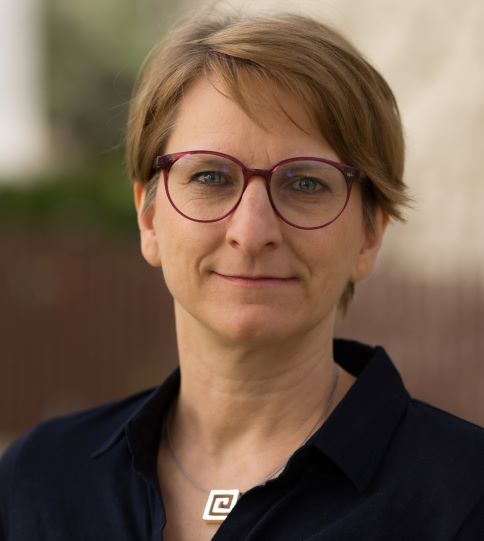 Anett GeorgiHelmholtz Centre for Environmental Research · Research Professor
 Volker BirkeWismar University of Applied Sciences · Professor
 Denis O'CarrollUniversity of New South Wales · Professor
- TTiziana Anna Elisabetta ToscoPolytechnic University of Turin · Associate Professor
- TThi Minh Hong NguyenUniversity of Queensland · Research Fellow
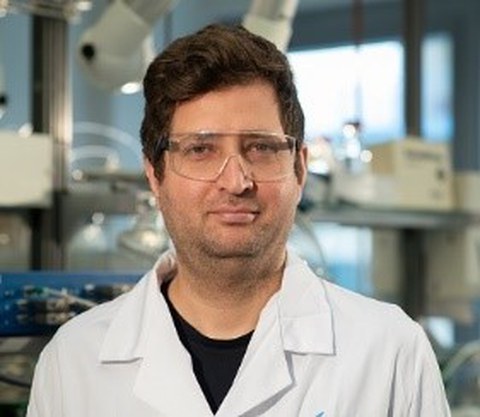 Navid SaeidiDresden University of Technology · Research Fellow