About
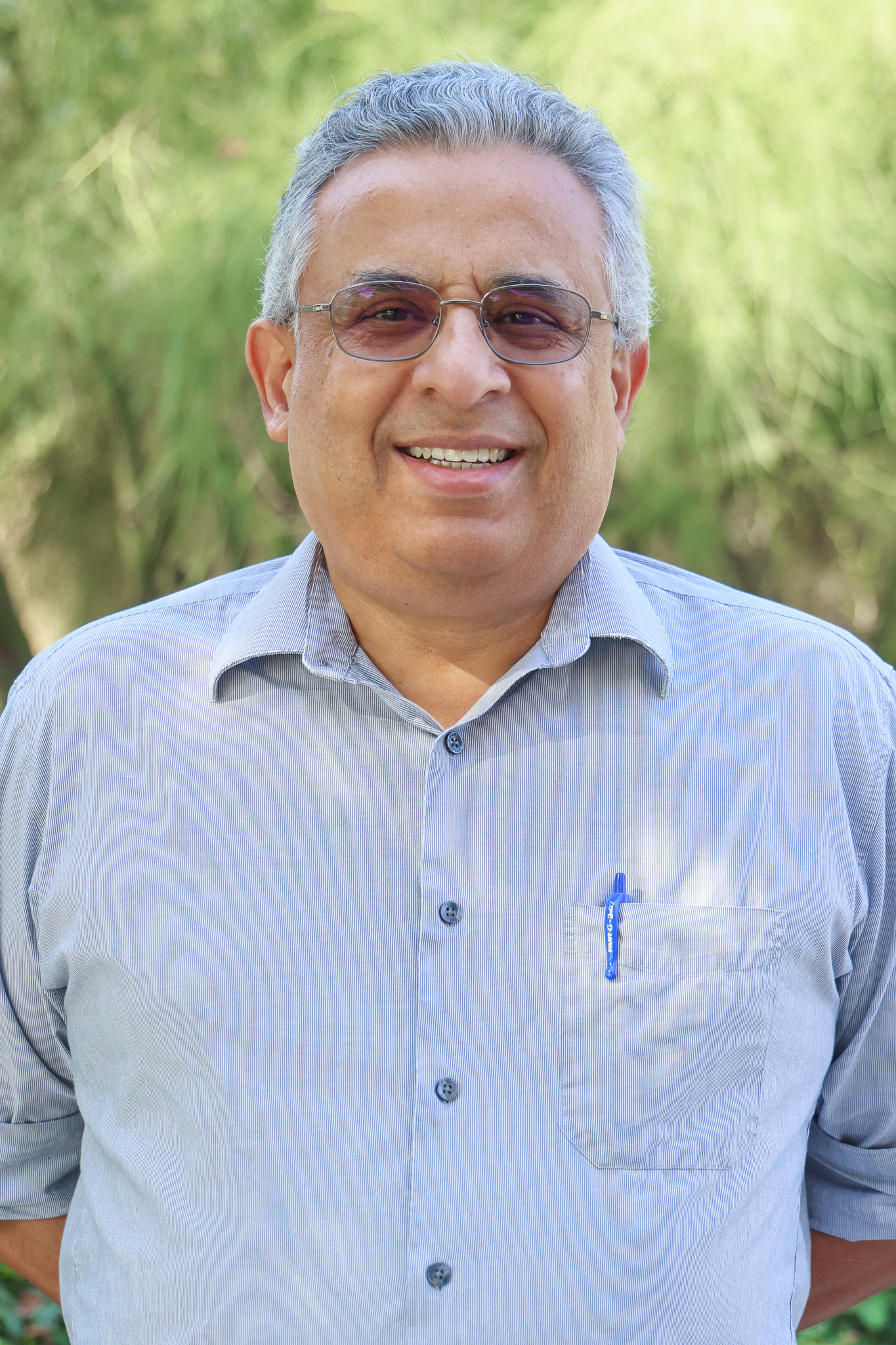
Dr. Joel Loveridge serves as an Associate Professor in the Department of Chemistry within Swansea University's Faculty of Science and Engineering. Previously a Senior Lecturer since joining Swansea in 2016, he established himself as part of the university's new Chemistry Department initiative after transitioning from Cardiff University where he held a Lectureship in NMR Spectroscopy since 2012. His academic journey began with an MSci in Chemistry with Industrial Experience and PhD in Biological Chemistry from the University of Bristol.
His research spans enzymology, natural products biosynthesis, and antimicrobial compound synthesis, with particular expertise in NMR spectroscopy and enzyme dynamics. Early career work focused on dihydrofolate reductase mechanisms and protein dynamics, evolving toward applied research in fungal volatile organic compounds for agricultural applications. His publication record reveals a strategic shift from fundamental enzymology toward biocontrol solutions, particularly investigating Metarhizium species as sources of biostimulants and pest control agents.
His 15 most recent publications demonstrate increasing collaboration with agricultural scientists, reflecting expansion into microbial pest management. The research trajectory shows progression from pure biochemical studies to field applications, with recent work examining VOC-based molluscicides, wireworm repellents, and slug management systems. This evolution highlights his commitment to translating biochemical insights into practical agricultural solutions.
- Fellow of the Higher Education Academy
- Organizer of Royal Society of Chemistry South Wales West Local Section's Science and Energy demonstration series
- Coordinator of Swansea University's Spectroscopy in a Suitcase program
As an active supervisor, he currently mentors multiple PhD candidates investigating Metarhizium applications, plant protection mechanisms, and semiochemical-based pest control strategies. His teaching portfolio includes advanced organic chemistry, biological and medicinal chemistry, and analytical chemistry modules, reflecting his commitment to developing innovative chemistry curricula that integrate subject knowledge with professional skills. His public engagement efforts include chemistry carnivals at science festivals and extensive outreach through the Royal Society of Chemistry.