
About
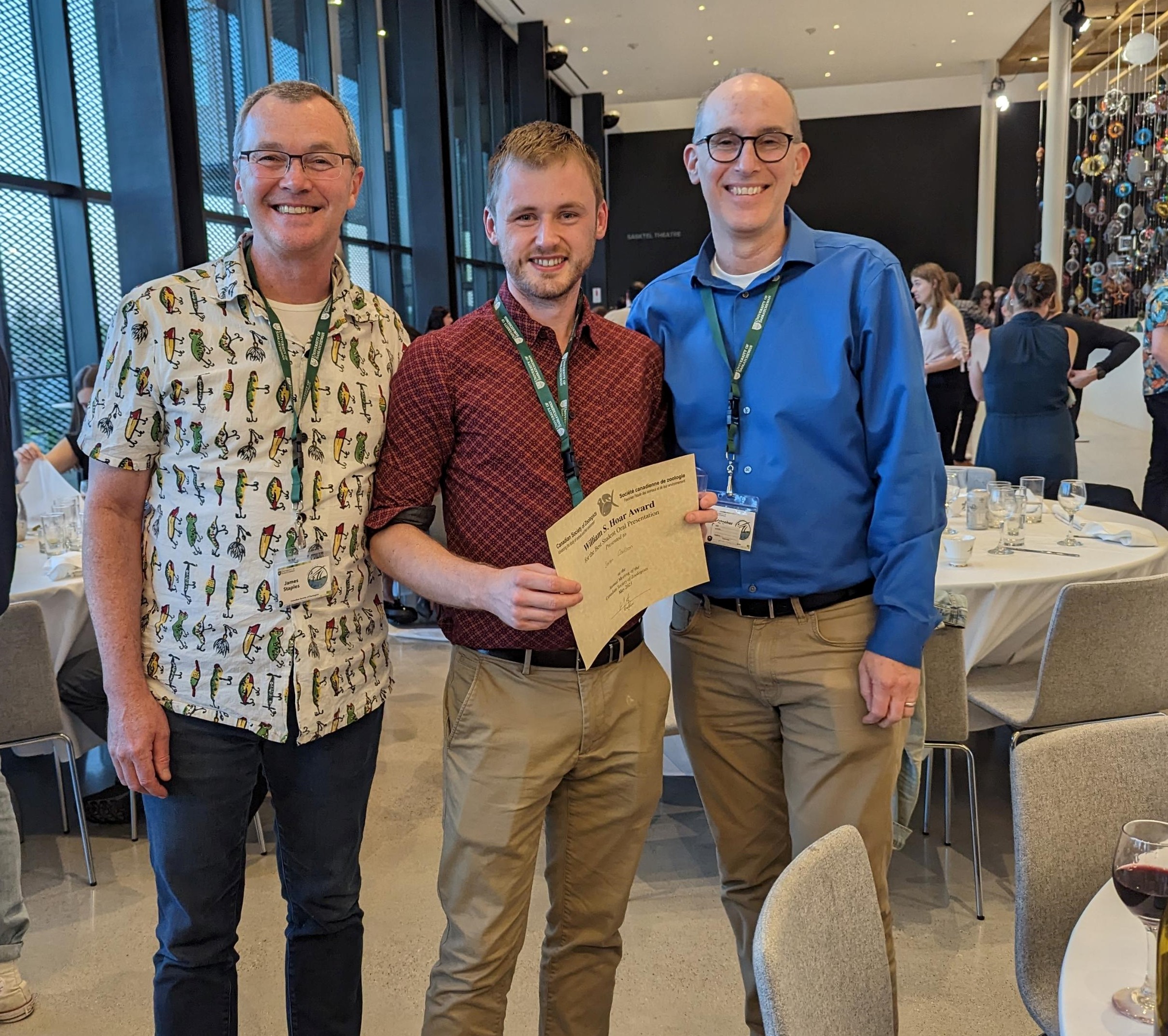
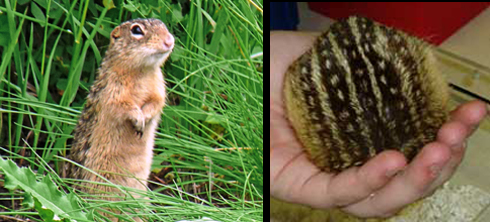
Jim Staples is a Professor in the Department of Biology at Western University's Faculty of Science. His research program focuses on understanding how metabolic systems of animals adapt to environmental challenges, particularly in endothermic animals dealing with cold temperatures. He leads an active laboratory studying hibernation metabolism, with a focus on 13-lined ground squirrels as a model organism.
Dr. Staples' research interests center on comparative physiology and biochemistry, with specific expertise in metabolic adaptation during hibernation and torpor. His work examines metabolic reduction at cellular, mitochondrial, and enzyme levels, investigating how animals like ground squirrels survive winter by entering hibernation where body temperatures may fall below freezing and metabolic rates are reduced by over 90%. He employs advanced techniques including mitochondrial respirometry, molecular biology, and imaging to understand the mechanisms of metabolic suppression and thermogenesis.
Analysis of Dr. Staples' recent publications reveals a strong focus on mitochondrial metabolism during hibernation across multiple species. His work spans from fundamental mechanisms of metabolic suppression to practical applications in understanding energy conservation in extreme conditions. The research demonstrates interdisciplinary approaches combining physiology, biochemistry, molecular biology, and comparative studies across mammals, birds, and insects.
Dr. Staples actively mentors graduate students, with several current PhD candidates and numerous former students who have gone on to successful careers in academia and industry. His laboratory provides opportunities for students interested in metabolic biochemistry and comparative physiology, with guaranteed teaching assistant funding and summer support for graduate students.
His laboratory utilizes advanced techniques including MRI imaging of hibernating animals, mitochondrial respirometry, and molecular analyses to investigate metabolic adaptations. The research has implications for understanding metabolic diseases, organ preservation, and the fundamental limits of mammalian physiology.
Find Jim Staples elsewhere
Related Searches
You Might Also Like
 James F. StaplesWestern University · Professor
 James StaplesWestern University · Professor
- SSlav BagriantsevYale University · Professor
 Trixie Lee PittmanHarding University · Associate Professor
- BBrian BarnesUniversity of Alaska Fairbanks · Professor
 Courtney KurtzUniversity of Wisconsin-Oshkosh · Professor