About
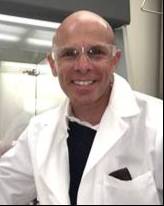
Jean-Marc Zingg, PhD, is Research Associate Professor of Biochemistry and Molecular Biology at the Miller School of Medicine, University of Miami, where he leads interdisciplinary research bridging nutrition, molecular diagnostics, and nanomedicine.
Education & Training:
- 1988 – MS Biology II, Biocenter, University of Basel, Switzerland
- 1993 – PhD Biochemistry and Molecular Biology, Biocenter, University of Basel, Switzerland
- 2005 – Habilitation (Private Lecturer), Medical Faculty, University of Bern, Switzerland
Research Interests:
Dr. Zingg’s laboratory pursues four synergistic themes. First, low-cost point-of-care molecular diagnostics for emerging pathogens such as SARS-CoV-2, Zika and HPV employ isothermal amplification coupled to colorimetric lateral-flow readouts, enabling rapid deployment in resource-limited settings. Second, whole-cell bioluminescent biosensors monitor quorum- and positional-sensing circuits in bacterial biofilms, illuminating communication pathways critical for pathogenicity. Third, nanocarrier-enhanced delivery of vitamin E and other micronutrients is exploited to modulate lipid homeostasis, inflammation, and senescence in macrophages, vascular smooth muscle, and skin models. Finally, comparative oncology studies dissect c-kit splicing aberrations driving canine mast cell tumors and human GIST, uncovering conserved oncogenic mechanisms.
Scientific Awards:
- McCormick Institute Research Award, American Society of Nutrition
- Habilitation (Private Lecturer) in Biochemistry and Molecular Biology, University of Bern
Grants & Collaborations:
Active funding and collaboration networks span NIH, USDA-HNRCA, and international partners for development of nanomedicine platforms and advanced diagnostics. Dr. Zingg collaborates closely with Prof. Sylvia Daunert’s bionanotechnology group at the University of Miami, leveraging synergistic expertise in biosensors and nanocarriers.
Laboratory & Teams:
The Zingg laboratory is embedded within the Department of Biochemistry and Molecular Biology and the Biomolecules and Bionanotechnology division, providing access to core facilities for nanomaterial synthesis, confocal imaging, BSL-2 pathogen handling, and high-throughput screening.