
About
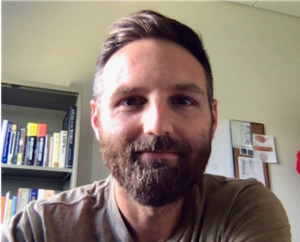
Jason Karpac is an Associate Professor in the Department of Cell Biology and Genetics at Texas A&M University's School of Medicine. His research focuses on understanding the signaling networks that regulate metabolic flexibility and energy homeostasis across tissues and organisms. Using Drosophila melanogaster as a model system, his lab investigates how metabolic and immune pathways integrate to respond to environmental challenges such as nutrition, pathogens, and aging.
Education
- B.S. in Biology from Grove City College (2003)
- Ph.D. in Cell Biology from Oklahoma Health Sciences Center (2007)
- Postdoctoral Fellowships at the University of Rochester and the Buck Institute for Research on Aging
Research Interests
The Karpac Lab studies how tissues coordinate energy use through signaling networks involving lipids, innate immunity, and inter-organ communication. Key areas include:
- Systemic coordination of lipid metabolism between adipose tissues and muscles
- Role of innate immune responses in shaping metabolic outcomes
- Impact of dietary bio-actives on oncogenic signaling pathways
- Epithelial tissue resilience under stress conditions
Publications Overview
Recent work highlights Drosophila's utility in modeling metabolic-immune interactions, membrane lipid dynamics in cancer, and age-related metabolic decline. Key themes include inter-organ communication, lipid signaling networks, and dietary adaptation mechanisms.
Labs & Collaborations
The Karpac Lab actively collaborates with mammalian and human model systems to translate findings into disease mechanisms. Current projects explore DHA-mediated cancer suppression, microbiota adaptation, and membrane therapy applications.
Find Jason Karpac elsewhere
Related Searches
You Might Also Like
- NNatividad Roberto Fuentes, Jr.The University of Texas Health Science Center at Houston · Assistant Professor
- CClett ErridgeAnglia Ruskin University · Senior Lecturer
 Marko BrankatschkDresden University of Technology · Researcher
 Susanna ValanneTampere University · Adjunct Professor
 Natalia OleinikMedical University of South Carolina · Assistant Professor
 Ioannis EleftherianosGeorge Washington University · Professor