About
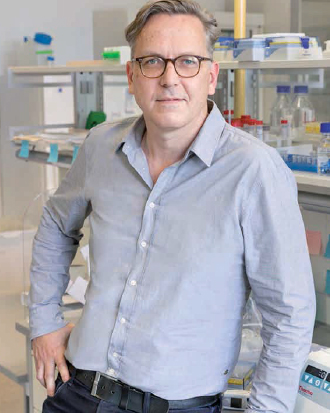
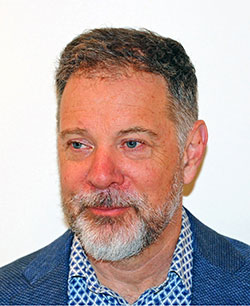
James Hurley is the Kirsch Springer Chair in Biological Sciences and a Professor of Cell Biology at the University of California, Berkeley. His research focuses on protein-membrane interactions, particularly in membrane remodeling pathways, viral infection mechanisms, and cellular processes like autophagy and ESCRT-mediated membrane budding. His laboratory employs structural biology techniques (e.g., cryo-EM, X-ray crystallography) and in vitro reconstitution to study cellular processes. Current projects include ESCRT system dynamics in HIV-1 release, autophagy initiation in neurodegenerative diseases (e.g., Parkinson's), and lysosomal signaling complexes in ALS/FTD.
Research interests span viral pathogenesis, membrane biology, and cellular signaling. Key projects involve ESCRT-mediated membrane scission, autophagosome formation, and the structural basis of lysosomal dysfunction in diseases. His work integrates structural and biochemical approaches to uncover molecular mechanisms underlying cellular processes and disease.
Scientific contributions include seminal studies on HIV-1 Nef's hijacking of AP-1 complexes, ESCRT machinery dynamics, and autophagy initiation via ULK1 and PI3KC3 complexes. His lab's structural insights into Rag GTPase activation and lysosomal FLCN-FNIP complexes further highlight his focus on nutrient signaling pathways and disease relevance.
Grants and collaborations likely support his work, though specific funding details are not provided. His team's achievements include discovering the Lysosomal Folliculin Complex (LFC) and the ARF GAP activity of C9orf72-SMCR8, advancing ALS/FTD research. He leads a prominent lab at Berkeley, contributing to both fundamental cell biology and translational medicine.