
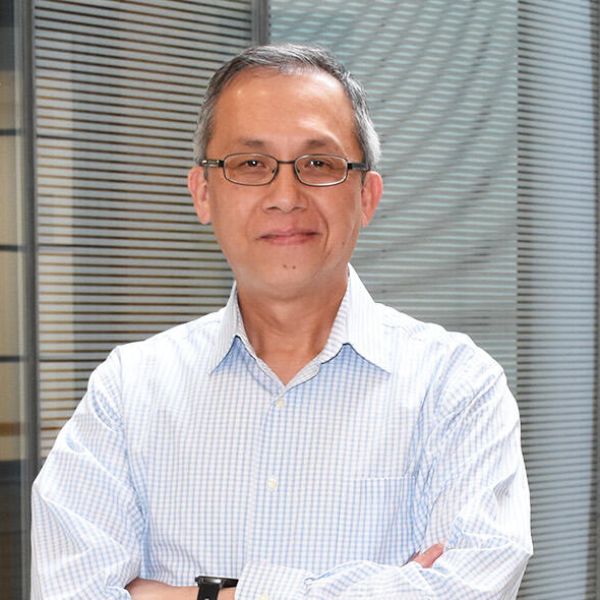
About
Hsin-Yao Tang, Ph.D. serves as Assistant Professor in the Molecular and Cellular Oncogenesis Program at The Wistar Institute's Ellen and Ronald Caplan Cancer Center and as Scientific Director of the Proteomics & Metabolomics Facility. He received his Ph.D. from the Institute of Molecular and Cell Biology in Singapore, where he specialized in biochemistry and molecular biology.
Dr. Tang joined The Wistar Institute in 2000 as a postdoctoral fellow in Dr. David Speicher's laboratory, later becoming managing director of the Proteomics and Metabolomics Shared Resource before his promotion to Assistant Professor in 2022. His career demonstrates a clear progression from postdoctoral researcher to independent faculty member within the same institution.
Dr. Tang applies cutting-edge mass spectrometry-based proteomics to diverse biomedical projects, generating novel insights unbiased by prior knowledge. His research focuses on proteome changes and protein posttranslational modifications in cancers including melanoma, prostate cancer, and ovarian cancer. The Tang laboratory collaborates extensively using high-resolution mass spectrometry to investigate disease mechanisms, often integrating proteomics with metabolomics and lipidomics for comprehensive molecular profiling.
Analysis of Dr. Tang's recent publications reveals a strong emphasis on cancer metabolism and proteomics methodology development. His work spans fundamental technique innovation in chemical crosslink-MS and glycoproteomics to direct applications in understanding tumor dormancy, R-loop regulation, and metabolic reprogramming in cancer. The publications consistently demonstrate interdisciplinary approaches combining proteomics with other omics technologies to address complex cancer biology questions.
The Tang laboratory actively develops proteomics technologies in two key areas: Chemical crosslink-MS for studying protein-protein interaction networks using MS-cleavable cross-linkers like DSSO and DSBU, and MS-based glycomics/glycoproteomics for analyzing protein glycosylation patterns relevant to cancer. These technical advancements support broader collaborative efforts to define disease mechanisms and identify therapeutic targets through global proteome profiling, biomarker quantification, and protein interactome characterization.
Find Hsin-Yao Tang elsewhere
Related Searches
You Might Also Like
- TTuKiet LamMax Planck Institute of Molecular Cell Biology and Genetics · Academic
 Scott RychnovskyUniversity of California, Irvine · Professor
 Andrea SinzMartin Luther University Halle-Wittenberg · Professor
 Aaron R. GoldmanCheyney University of Pennsylvania · Assistant Professor
- KKarl MechtlerMax Planck Institute for Chemical Ecology · Researcher
 James E. BruceUniversity of Washington · Adjunct Professor