About
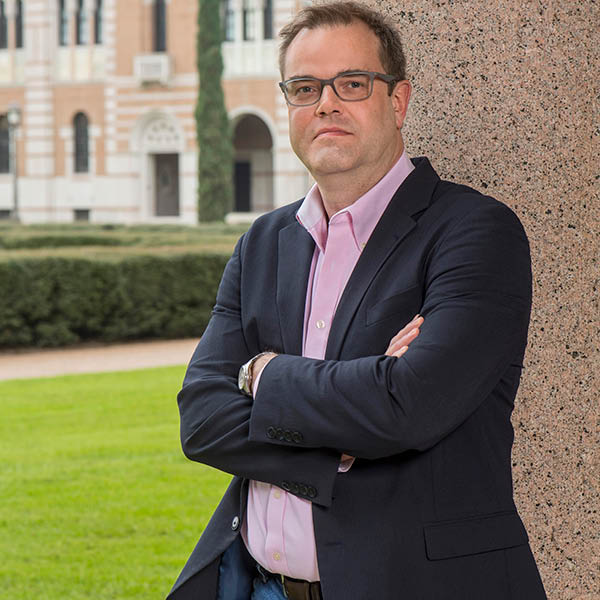
Giuseppe RACITI is an Associate Professor of Theoretical Philosophy at the Department of Humanities, University of Catania. His academic work spans major figures in German philosophy, including Hegel, Nietzsche, Spengler, Jünger, and Heidegger, with a focus on metaphysics, politics, and the cultural implications of technology.
His research interests include:
- Theoretical Philosophy and German Idealism
- Philosophy of Technology and Cultural Criticism (Kulturkritik)
- Political Philosophy and the Concept of Revolution
- Metaphysics and Politics in Spinoza
- The Anarch and Late Civilization in Jüngerian Thought
- Comparative Studies of Socialist and Conservative Revolutions
His publications reveal a deep engagement with the interplay between philosophical thought and historical-political structures. Over time, his work has evolved from Hegelian and Nietzschean foundations to a broader analysis of cultural morphology, particularly through Spengler and Jünger, culminating in reflections on technology, socialization, and contemporary civilization. He has also explored intersections between psychoanalysis, war, and political thought.
Among his notable scientific contributions are monographs such as MECHANE, Per la critica della notte, and Five Delphic Writings, as well as editorial work on Spengler’s Decline of the West and Jünger’s diaries. His articles, published in journals like Hegel-Studien, Archivio di storia della cultura, and Studi Germanici, reflect a sustained and internationally recognized scholarly presence.
He actively supervises graduate theses, advising students on topics ranging from Deleuze and Nietzsche to political philosophy and 20th-century thought. His academic leadership includes extensive editorial work and participation in advanced philosophical discourse. He is also involved in teaching and curriculum development, particularly in courses related to modern philosophy and cultural theory.
RACITI is affiliated with research on the relationship between metaphysics and financial capitalism, the critique of classical ontology in Hegel, and the philosophical implications of the technological age, positioning him at the intersection of historical philosophy and contemporary critique.
Research fields